
Persian Cat Kidney Disease: PKD Testing and Care
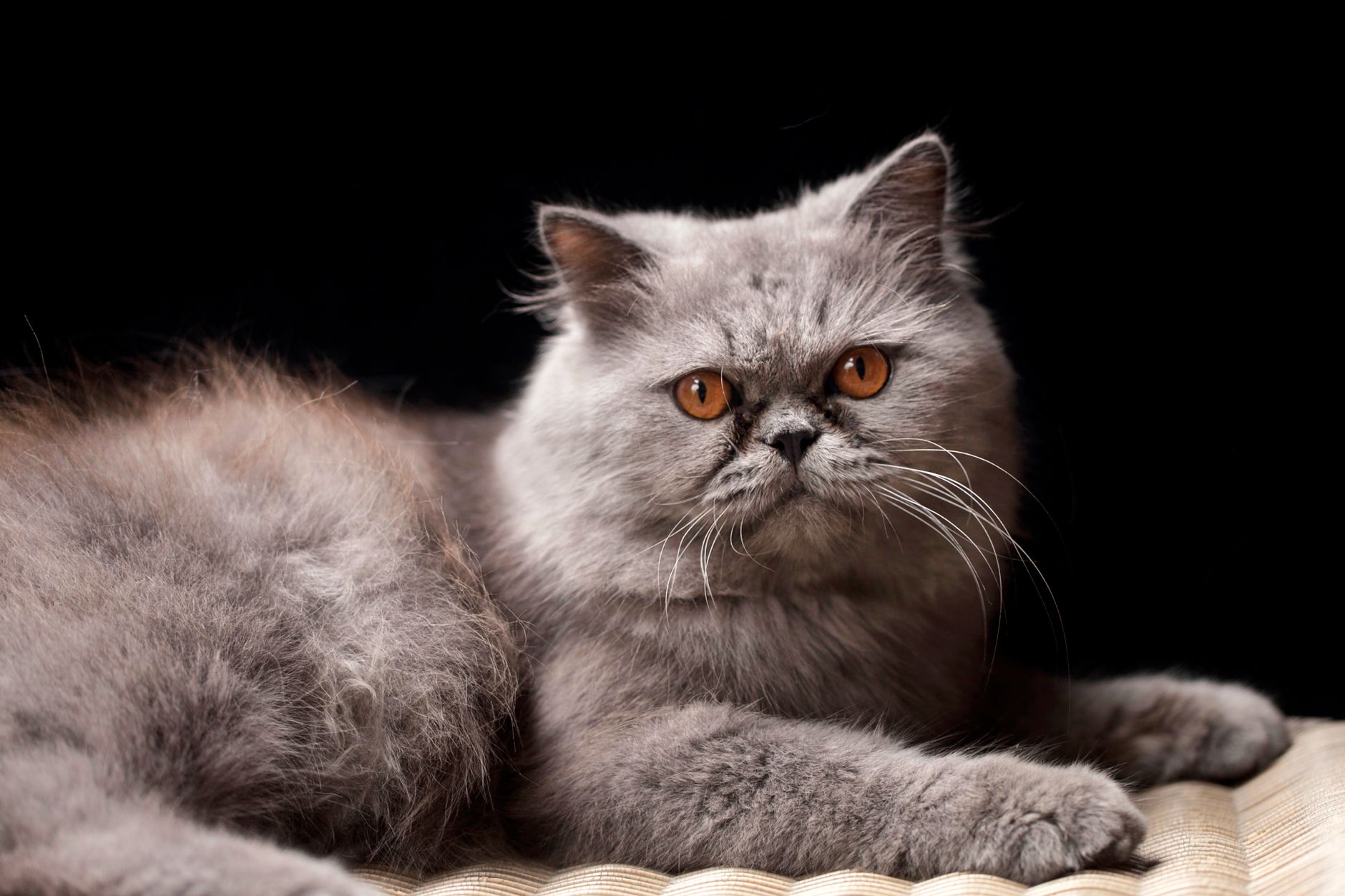 Persian Cat Kidney Disease: PKD Testing and Care” loading=”lazy”>
Quick Summary
Polycystic Kidney Disease (PKD) is an inherited, autosomal dominant genetic condition highly prevalent in Persian cats, causing fluid-filled cysts to progressively destroy kidney tissue. While the disease is incurable, early detection through DNA testing or ultrasound combined with proactive renal diets, hydration strategies, and therapeutic management can dramatically extend a cat’s life expectancy and comfort.
As an Amazon Associate, we earn from qualifying purchases.
Popular with cat owners: Pet Water Fountain · Cat Food · Cat Brush
In my clinical practice, few sights are as striking as the luxurious coat and expressive eyes of a Persian cat. However, behind that sweet, flat face lies a genetic vulnerability that I counsel Persian owners on nearly every week: Polycystic Kidney Disease (PKD).
This inherited condition is a ticking clock for many Persians, but it is not a death sentence.
With early detection and proactive, tailored veterinary care, we can significantly extend both the quality and length of your cat’s life.
Key Takeaways
- PKD is a genetic, inherited condition that causes irreversible cyst growth in the kidneys.
- Persian cats can be DNA tested for the PKD1 mutation at any age with a simple cheek swab.
- Ultrasound screening is highly reliable for identifying renal cysts once a cat reaches 10 months of age.
- Early clinical signs of kidney decline include excessive thirst, increased urination, and weight loss.
- Managing PKD relies heavily on phosphorus-restricted diets and moisture-rich feeding strategies.
- Therapeutic options like blood pressure control and phosphate binders can slow disease progression.
In This Article
- What is Feline Polycystic Kidney Disease (PKD)?
- The Timeline of PKD: From Kitten to Senior
- Essential Screening: DNA Testing vs. Ultrasound
- Clinical Signs of Kidney Failure in Persians
- Tailoring the Diet: Nutrition for the PKD Cat
- Medical Management and Therapeutics
- Hydration Strategies for Flat-Faced Cats
- Monitoring and Proactive Veterinary Care
What is Feline Polycystic Kidney Disease (PKD)?
In my years treating flat-faced breeds, I have found that many owners do not fully understand what PKD actually does to a cat’s body. Polycystic Kidney Disease is an inherited, autosomal dominant genetic disorder.
This means that if a sire or dam has the mutated gene, they will pass it on to their offspring, and those kittens will develop the disease.
There are no ‘silent carriers’ here; if a Persian has the PKD1 gene mutation, they will form cysts.
These fluid-filled cysts are present from birth, starting out incredibly microscopic. As the cat matures, these cysts slowly expand in size and number, gradually crowding out the healthy, functioning kidney tissue.
Eventually, the sheer volume of the cysts compromises the kidneys’ ability to filter toxins from the bloodstream. By the time a Persian shows external signs of illness, a significant portion of their functional kidney mass has already been lost.
- Autosomal dominant inheritance pattern means only one copy of the mutated gene is needed to cause disease.
- Cysts are present from birth and grow continuously throughout the cat’s lifetime.
- The disease progresses to irreversible, chronic kidney disease (CKD) over several years.
- PKD primarily affects Persians, Himalayans, Exotic Shorthairs, and related outcrosses.
PETLIBRO Dockstream 2 Stainless Steel Cat Water Fountain
- ✓3-liter detachable stainless steel tank
- ✓4-layer filtration removes fur and odors
- ✓Stainless steel tray is easy to keep clean
- Moving, filtered water encourages pets to drink more, which supports kidney and urinary health
The Timeline of PKD: From Kitten to Senior
I always tell my clients that PKD is a disease of slow progression. Knowing what to expect at each stage of your Persian’s life can help you catch changes before they become emergencies.
In the early years, your Persian will likely look and act completely normal, even though the cysts are already growing. The real danger zone typically begins around middle age, when kidney function drops below critical thresholds.
The Silent Early Stage (Ages 0 to 3)
During these early years, physical exams and standard blood panels will usually show perfectly normal results. The cysts are still small enough that they do not interfere with overall kidney function.
The Clinical Phase (Ages 3 to 10)
This is the window when most Persians begin to show the first clinical signs of kidney impairment. The average age for renal failure to manifest in PKD-positive cats is around seven years old.

Essential Screening: DNA Testing vs. Ultrasound
What I see most often in practice is breeders and owners waiting too long to test their Persians. We have highly accurate diagnostic tools available today, and there is no reason to guess whether your cat is affected.
The gold standard for early detection is a simple DNA test. It can be performed at any age, even on very young kittens, using a painless cheek swab or a small blood sample.
If you have rescued a Persian with unknown parentage, or if you want to assess the physical damage to the kidneys, we turn to veterinary ultrasound. This imaging allows us to actually visualize the cysts and measure their impact on the kidney structure.
- DNA test: Looks for the specific PKD1 gene mutation with near-perfect accuracy.
- Cheek swab availability: Can be easily ordered online or performed during a routine kitten vet visit.
- Ultrasound benchmark: Highly reliable once the cat reaches 10 months of age to visualize physical cysts.
- Monitoring: Ultrasound is also used to track the physical size and growth rate of cysts over time.

Clinical Signs of Kidney Failure in Persians
When the cysts have destroyed enough of the healthy tissue, the kidneys fail to concentrate urine. This leads to a cascade of physiological symptoms that owners must watch for closely.
- ✓2.8L capacity with replaceable filters
- ✓Two flow modes: gentle fountain or flower waterfall
- ✓BPA-free food-grade plastic
- Moving, filtered water encourages pets to drink more, which supports kidney and urinary health
Many owners mistake a sudden increase in water intake as a good thing. In reality, a cat drinking heavily is trying desperately to flush out the toxins that their failing kidneys can no longer filter.
As the toxins build up in the bloodstream, you will also notice a sharp decline in appetite and physical condition. The stomach lining becomes irritated, leading to nausea, muscle wasting along the spine, and a general lack of energy.
- Polyuria: Unusually heavy, diluted wet spots in the litter box.
- Polydipsia: Hanging around the water bowl or seeking out dripping faucets.
- Unexplained weight loss and a dull, unkempt coat due to poor nutrient absorption.
- Uremic halitosis: A distinct, metallic or ammonia-like smell to the breath.
- Poor appetite and frequent vomiting, especially in the early mornings.

Tailoring the Diet: Nutrition for the PKD Cat
In my clinic, I stress that nutrition is our most powerful daily tool for managing PKD. You cannot cure the cysts, but you can dramatically reduce the workload on the remaining healthy kidney cells.
The primary goal of a kidney-safe diet is to restrict dietary phosphorus. Excess phosphorus builds up in the blood of kidney patients, making them feel incredibly lethargic and nauseous.
We also must focus on high-quality, highly digestible proteins. Low-quality protein creates more nitrogenous waste, which further poisons the bloodstream and strains the filtration system.
- Transition to prescription renal diets (e.g., Royal Canin Veterinary Diet Renal Support or Hill’s k/d).
- Avoid standard grocery store dry kibble, which is heavily loaded with phosphorus.
- Incorporate wet food exclusively to boost daily water intake and protect hydration status.
- Ensure protein sources are highly digestible to minimize metabolic waste buildup.

Medical Management and Therapeutics
As PKD progresses, lifestyle modifications must be paired with targeted medical therapies to protect other organ systems. The kidneys play a massive role in regulating blood pressure and red blood cell production, so their failure has systemic consequences.
High blood pressure, or systemic hypertension, is incredibly common in cats with failing kidneys. Left untreated, it can cause sudden, irreversible blindness or even a stroke.
We also use advanced gut-binding agents to help filter out toxins before they ever reach the bloodstream. These medications bind to phosphorus and nitrogenous wastes directly in the intestines, allowing the cat to excrete them safely.
Blood Pressure Control
I regularly prescribe Amlodipine besylate for my PKD patients to keep their blood pressure in a safe range. Blood pressure monitoring is simple and should be done quarterly in a quiet exam room.
Phosphate Binders and Toxins
Products like Epakitin or Phos-Bind are mixed directly into your cat’s wet food. They act like a chemical magnet, pulling phosphorus out of the digestive tract so the kidneys don’t have to process it.

Hydration Strategies for Flat-Faced Cats
Persians face unique physical challenges when it comes to drinking water due to their brachycephalic facial structure. Their flat faces make drinking from deep, narrow bowls highly uncomfortable and messy.
When a Persian has PKD, keeping them hydrated is an absolute, non-negotiable priority. Dehydration accelerates kidney damage and makes the cat feel instantly ill.
To combat this, I recommend setting up hydration stations designed specifically for flat-faced cats. This encourages frequent drinking and minimizes whisker fatigue, which is a major barrier to hydration.
- Use wide, shallow ceramic or stainless steel bowls to prevent whisker irritation.
- Install a bubbling pet fountain, as flowing water attracts Persians and is easier for them to lap up.
- Add warm water, plain chicken bone broth (no onions or garlic), or tuna juice to wet meals.
- Learn to administer subcutaneous fluids (sub-Q) at home under your veterinarian’s guidance.
Monitoring and Proactive Veterinary Care
Managing a Persian with PKD requires a dedicated partnership between you and your veterinary team. We cannot rely on outward appearances alone to judge how well your cat’s organs are coping.
I recommend establishing a baseline of lab work as soon as your Persian is diagnosed. This allows us to track trends over time rather than reacting only when a medical crisis occurs.
For senior cats or those in advanced stages of PKD, these checks need to happen every three to six months. Small adjustments to their medication doses during these checks can prevent major downward slides.
- Quarterly or bi-annual blood chemistry panels to monitor creatinine, BUN, and electrolytes.
- SDMA testing: An advanced biomarker that detects kidney decline much earlier than traditional tests.
- Regular urinalysis to check for protein loss (UPC ratio) and hidden urinary tract infections.
- Routine body weight checks to monitor for subtle muscle wasting and dehydration.
-
Friskies Gravy Swirlers Dry Cat FoodA high-protein, complete diet suits cats’ needs as obligate carnivores
-
Dipoo Self-Cleaning Shedding BrushRegular brushing prevents mats and hairballs, especially in long-haired cats
-
Tempcore 3-Way Cat TunnelA crinkly play tunnel gives cats somewhere to hide, pounce and race through
Related Cat Guides
Frequently Asked Questions
Can PKD in Persians be cured?
Unfortunately, there is no cure for PKD, as we cannot stop or reverse the genetic growth of cysts. However, we can manage the symptoms of the resulting kidney disease with diet, hydration, and targeted medications to give your cat a high quality of life for years.
At what age should I test my Persian cat for PKD?
You can perform a DNA cheek swab test at any age, even on young kittens just a few weeks old. If you prefer ultrasound imaging, it is best to wait until the cat is at least 10 months to a year old for the most accurate results.
Are all Persian cats born with PKD?
No, not all Persians have PKD. Thanks to rigorous DNA screening by responsible breeders over the last two decades, the prevalence of the PKD1 gene mutation has decreased significantly, though it remains a major concern in the breed.
What is the life expectancy of a Persian cat with PKD?
Life expectancy varies widely based on how early the disease is detected and managed. Some cats with mild cyst development live normal lifespans of 12 to 15 years, while others with aggressive cyst growth may face kidney failure by age 6 to 8.
Can I prevent my Persian from developing PKD if they have the gene?
No, you cannot prevent the cysts from forming or growing if the cat carries the mutated PKD1 gene. Your focus should instead be on proactive renal care, high-moisture diets, and stress reduction to slow the progression of kidney damage.
Sources & Further Reading
- The Cat Fanciers’ Association (CFA)
- International Cat Care
- Merck Veterinary Manual
- Cornell University College of Veterinary Medicine
Final Thoughts
Caring for a Persian cat with Polycystic Kidney Disease requires vigilance, but it is one of the most rewarding journeys you can take as a pet owner. In my practice, I have watched many PKD-positive cats live long, pampered, and comfortable lives because their owners took proactive steps early on.
Do not wait for symptoms like weight loss or excessive thirst to appear before you take action. Schedule a DNA test or an ultrasound, establish a relationship with your vet, and implement a kidney-safe lifestyle today.
Your elegant companion depends on your foresight to keep their golden years peaceful and pain-free.