
Bichon Frise Skin Allergies: Causes, Symptoms and Relief
 Bichon Frise Skin Allergies: Causes, Symptoms and Relief” loading=”lazy”>
Quick Summary
Bichon Frises are genetically predisposed to chronic skin allergies, including atopic dermatitis, food sensitivities, and flea allergy dermatitis. Effective relief requires a multi-modal veterinary approach combining targeted modern therapies like Cytopoint or Apoquel, strict dietary elimination trials, and regular antiseptic topical baths to repair the compromised skin barrier.
As an Amazon Associate, we earn from qualifying purchases.
Popular with dog owners: Dog Shampoo · Dog Ear Cleaner · Dog Boots
In my years treating dogs with chronic skin issues, few breeds cross my clinic’s exam tables with more irritated, pink skin than the sweet, cloud-like Bichon Frise.
What I see most often in practice is a frustrated owner who has tried five different boutique shampoos, only to watch their beloved pet continue to chew their paws raw.
The truth is, these beautiful dogs possess a unique genetic hypersensitivity that requires a systematic, clinical approach to resolve, rather than a reliance on quick-fix home remedies.
Key Takeaways
- Bichon Frises have a genetic predisposition to a compromised skin barrier, making them highly vulnerable to environmental allergens.
- Constant paw licking, face rubbing, and red, inflamed ears are the most common early indicators of an allergic flare-up.
- The three main triggers of Bichon skin issues are flea allergy dermatitis (FAD), environmental atopy, and adverse food reactions.
- Rusty brown fur staining on the paws and groin is caused by chronic licking and indicates yeast overgrowth, not just staining.
- Modern therapies like Apoquel and Cytopoint offer highly targeted relief with far fewer side effects than traditional steroids.
- A strict, 8-to-12-week hydrolyzed protein diet trial remains the clinical gold standard for diagnosing true dietary allergies.
In This Article
- The Genetic Curse of the White Coat: Skin Barrier Dysfunction
- The Three Major Allergy Triggers in Bichon Frises
- Recognizing the Symptoms: What an Allergic Bichon Looks Like
- The Diagnostic Road Map: How I Find the Root Cause
- Modern Medical Treatments: Moving Beyond Steroids
- Topical Therapies and the Art of the Medicated Bath
- At-Home Environmental Controls for Atopic Bichons
The Genetic Curse of the White Coat: Skin Barrier Dysfunction
I always tell my clients that the Bichon’s beautiful, double-layered white coat is actually a shield covering some of the most sensitive skin in the canine world. Genetically, this breed is highly prone to a structural defect in their skin barrier, which we veterinarians frequently describe as ‘leaky skin’ syndrome.
This inherited barrier flaw means their skin lacks the essential lipid molecules, like ceramides, needed to lock in moisture and block out external irritants. When a Bichon walks through grass or sleeps on a dusty rug, microscopic environmental allergens slip directly through the epidermis, triggering an overactive immune response.
As the immune system overreacts, it causes intense inflammation, redness, and itching. This initial irritation prompts the dog to scratch, bite, and lick, which physically damages the skin further and allows opportunistic bacteria and yeast to multiply rapidly.
- Transepidermal water loss (TEWL) is significantly higher in Bichons, causing chronic dry, flaky skin.
- The lack of natural protective lipids allows pollen, mold, and dust mites to easily penetrate the outer skin layers.
- Secondary infections caused by Staphylococcus bacteria and Malassezia yeast thrive in this warm, damaged environment.
earthbath Oatmeal & Aloe Dog Shampoo
- ✓Colloidal oatmeal and aloe vera formula
- ✓Fragrance-free option for sensitive noses
- ✓Made in the USA, cruelty free
- Soothes itchy, dry skin while cleaning the coat
- Gentle enough for regular baths

The Three Major Allergy Triggers in Bichon Frises
When a scratching Bichon comes to my clinic, my first job is to play medical detective and categorize the primary source of their discomfort. In my clinical experience, canine skin allergies almost always stem from three distinct triggers, and a single dog can easily suffer from all three simultaneously.
To achieve true relief, we must systematically address each potential culprit rather than guessing. Treating environmental allergies will fail to bring comfort if a hidden flea allergy or food sensitivity is left unaddressed.
Understanding how these three triggers differ is the foundation of a successful treatment plan. Let us examine the three primary categories of allergies that plague the Bichon Frise.
- Flea Allergy Dermatitis (FAD): A hypersensitivity to the proteins in flea saliva, where a single flea bite can trigger weeks of generalized, intense itching.
- Atopic Dermatitis (Atopy): A chronic, environmental allergy triggered by inhaled or absorbed microscopic particles like grass, weed pollens, mold spores, and house dust mites.
- Cutaneous Adverse Food Reactions: A true food allergy, most commonly triggered by animal proteins like chicken, beef, dairy, or egg that the dog has eaten for years.
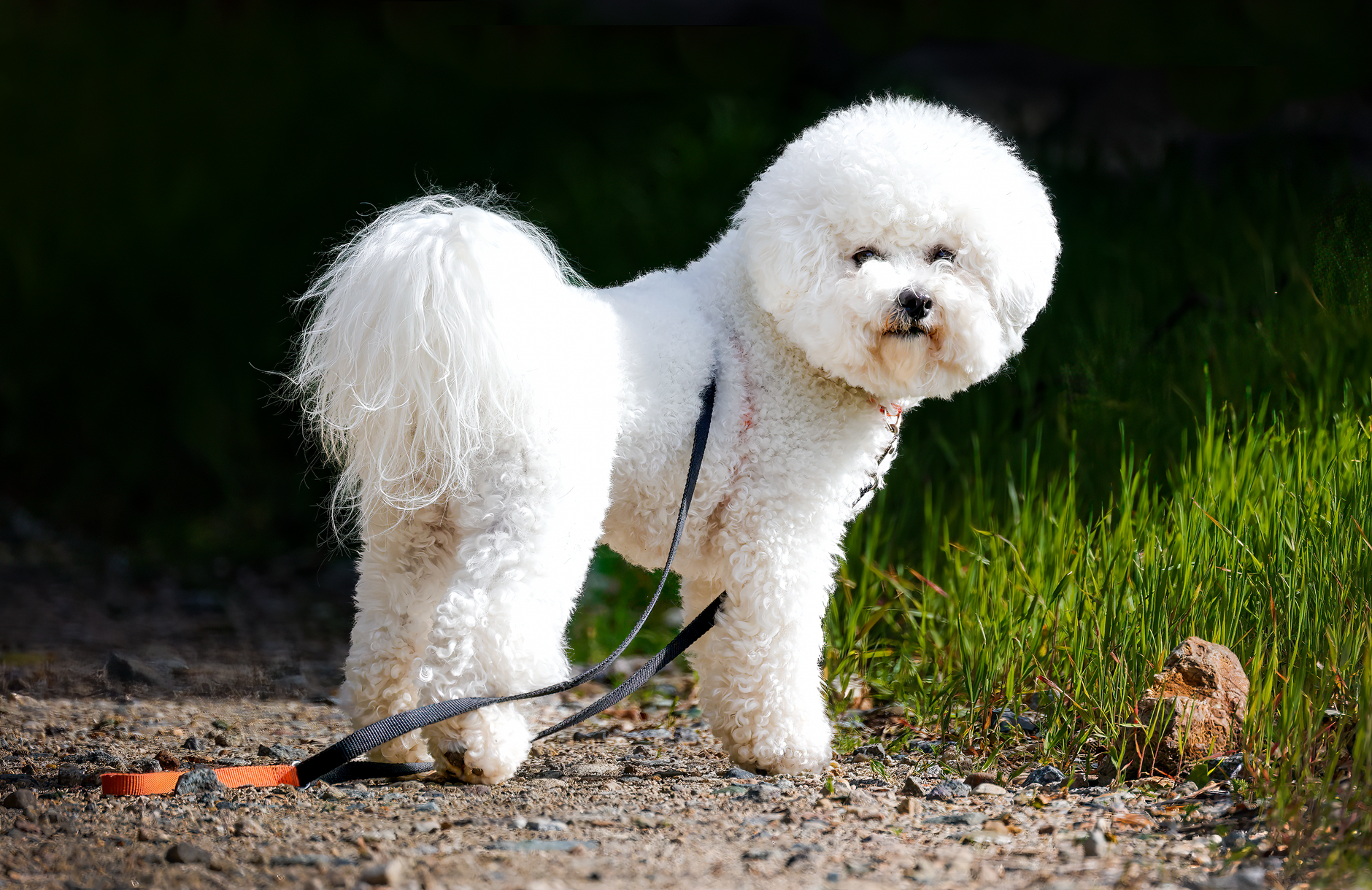
Recognizing the Symptoms: What an Allergic Bichon Looks Like
Many owners expect to see a classic red rash when their dog is allergic, but the clinical signs in Bichons are often more localized and subtle in the beginning. Because their thick, curly coats hide the skin, you must pay close attention to their daily behaviors and grooming habits to catch flares early.
I always tell my clients that any change in behavior—such as a dog suddenly seeking cold tile floors or rubbing their face on the sofa—can be an early sign of skin discomfort. Once the itch-scratch cycle begins, the clinical symptoms escalate rapidly from mild itching to raw, weeping wounds.
If you notice any of these signs, it is time to schedule a veterinary visit before a secondary skin infection takes root and complicates the treatment.
- Rusty, copper-colored staining: Chemical compounds called porphyrins in canine saliva stain the white fur brown or pink where the dog licks constantly.
- The Allergic Salute: Constant, frantic rubbing of the muzzle, face, and eyes against carpets, furniture, or your legs.
- Recurrent, smelly ear infections: The ear canal is lined with skin, making it a primary target for inflammation, yeast growth, and discharge.
- Chronic scooting and tail-biting: Intense itchiness around the perineum and tail base, which is frequently mistaken for anal gland issues.
Burt’s Bees for Pets Oatmeal Dog Shampoo
- ✓Colloidal oat flour soothes dry skin
- ✓Honey and beeswax condition the coat
- ✓Sulfate- and paraben-free, pH balanced for dogs
- A gentle, pH-balanced dog shampoo cleans without stripping the natural oils that protect skin and coat

The Diagnostic Road Map: How I Find the Root Cause
In my practice, I never rely on shortcuts or quick diagnoses when managing a Bichon’s skin health. There is no single, simple blood test that can instantly tell us why your dog is itching, so we must follow a strict diagnostic road map to rule out parasites and food first.
This methodical approach prevents owners from wasting money on ineffective therapies and ensures we target the actual biological trigger of the itch. It requires patience and dedication, but finding the root cause is the only way to achieve long-term comfort for your pet.
Flea Control and Parasite Rule-Out
The first step is establishing 100% compliance on an oral, veterinary-strength flea preventative like Bravecto, NexGard, or Simparica. Even if you never see a live insect on your dog, a single bite from an outdoor flea can derail our entire allergy workup.
The 8-to-12-Week Elimination Diet Trial
To rule out food allergies, we place the Bichon on a strict hydrolyzed protein diet like Royal Canin Ultamino or Hill’s z/d. During this trial, the dog cannot ingest anything else—no treats, table scraps, flavored heartworm pills, or dental chews.

Modern Medical Treatments: Moving Beyond Steroids
Years ago, our primary tool for treating itchy dogs was prednisone or other strong corticosteroids. While steroids work quickly, their long-term side effects—such as excessive thirst, frequent urination, muscle wasting, and liver strain—make them poor choices for chronic management.
Fortunately, modern veterinary medicine has developed highly targeted immunotherapies and cellular blockers that stop the itch signal directly. These innovative treatments allow us to manage chronic atopic dermatitis safely over the course of your Bichon’s entire lifetime.
We now customize therapy plans based on the severity of the allergy, the dog’s lifestyle, and how they tolerate different routes of administration.
- Apoquel (Oclacitinib): A daily oral tablet that targets and blocks Janus kinase (JAK) enzymes, stopping the itch signal within hours without suppressing the entire immune system.
- Cytopoint (Lokivetmab): A highly targeted monoclonal antibody injection given in-clinic every 4 to 8 weeks that mimics the dog’s natural antibodies to neutralize the proteins causing the itch.
- Allergen-Specific Immunotherapy (ASIT): Formulated specifically for your individual dog based on intradermal skin testing, designed to desensitize their immune system over time.
- Short-term Steroids: Reserved strictly for acute, severe crisis situations to break an intense itch cycle over a brief 3-to-5-day period.

Topical Therapies and the Art of the Medicated Bath
I always tell my clients that oral medications are only half the battle; topical therapy is absolutely critical for repairing a Bichon’s damaged skin barrier. Medicated bathing mechanically washes away pollen and mold spores while delivering active ingredients directly to the inflamed tissues.
However, bathing an allergic dog is very different from a standard cosmetic bath at the groomer. It requires the right veterinary ingredients and a specific, patient technique to successfully soothe the skin and kill opportunistic yeast.
Regular, proper bathing can significantly reduce your dog’s dependency on systemic medications, keeping their skin strong and resilient.
- The 10-Minute Contact Rule: You must let the medicated shampoo lather sit on your dog’s skin for a full 10 minutes before rinsing to let the active ingredients work.
- Cool Water Only: Hot or warm water dilates blood vessels and worsens skin itching; always wash and rinse with cool or lukewarm water.
- Antiseptic Ingredients: Use a shampoo containing 2-4% Chlorhexidine and 1-2% Ketoconazole, such as Duoxo S3 Pyo, to combat bacterial and yeast infections.
- Ceramide-Rich Mousse: Apply a leave-on ceramide conditioner or mousse after the bath to help rebuild the lipid barrier and keep skin hydrated.

At-Home Environmental Controls for Atopic Bichons
If your Bichon is diagnosed with environmental allergies (atopic dermatitis), complete avoidance of the triggers is usually impossible. However, we can drastically lower the allergen load inside your home with daily environmental management.
These practical, at-home adjustments work hand-in-hand with medical therapies to keep your dog below their clinical ‘itch threshold.’ By creating a low-allergen sanctuary, you can prevent minor seasonal pollen spikes from turning into full-blown dermatological emergencies.
Consistency is key here, as daily habits yield the most significant results over time.
- Post-Walk Wipedowns: Keep hypoallergenic pet wipes by the door and thoroughly clean your Bichon’s paws, underbelly, and muzzle immediately after walks.
- HEPA Air Filtration: Run high-efficiency particulate air (HEPA) purifiers in the rooms where your pet spends the most time sleeping.
- Weekly Bedding Washes: Wash all dog beds, blankets, and plush toys in hot water weekly to destroy resident dust mite populations.
- Pollen Count Tracking: Keep outdoor exercise brief during early morning and late evening hours when outdoor pollen counts are at their peak.
-
Virbac Epi-Otic Advanced Ear CleanserRoutine ear cleaning helps prevent infections in floppy- or hairy-eared breeds
-
QUMY Dog Boots for Hot PavementBoots protect paws from hot pavement, ice, salt and rough trails
-
LUKITO Lick Mat for Dogs and Cats, 3 PackLicking is naturally calming, so a lick mat with spread-on food helps during baths, nail trims and storms
Related Dog Guides
Frequently Asked Questions
Can I give my Bichon Frise human Benadryl for skin allergies?
While diphenhydramine (Benadryl) is generally safe for dogs, it is only effective in about 10% to 15% of canine allergy cases. It acts as a mild sedative rather than a true treatment for the cytokine-driven itch of atopic dermatitis, which is why I prefer targeted prescription therapies.
How often should I bathe a Bichon with skin allergies?
During an active skin infection or allergy flare, I recommend medicated baths 2 to 3 times per week. Once the skin is fully healed and stable, a maintenance bath once every 1 to 2 weeks with a soothing, ceramide-rich shampoo is ideal to maintain the skin barrier.
Why are my Bichon’s paws turning brown or pink?
This discoloration is fur staining caused by porphyrins, which are natural pigments found in canine saliva. When your Bichon constantly licks their itchy paws, the saliva dries on the white hair, which is a classic clinical sign of chronic itching and secondary yeast infections.
What is the best food for a Bichon Frise with skin allergies?
There is no single ‘best’ food, but if a food allergy is suspected, a prescription hydrolyzed diet like Royal Canin Ultamino or Hill’s z/d is the most effective choice. These diets break the protein molecules down so small that your dog’s immune system cannot recognize or react to them.
Can environmental allergies in Bichons be cured permanently?
No, atopic dermatitis is a chronic, lifelong genetic condition that cannot be fully cured. However, with a dedicated combination of modern targeted medications, topical therapies, and environmental controls, we can successfully manage the condition so your dog lives a normal, itch-free life.
Sources & Further Reading
Final Thoughts
Managing a Bichon Frise’s skin allergies is a journey that requires patience, consistency, and a strong partnership with your veterinarian. I always tell my clients to view dermatological health as a marathon rather than a short sprint.
There will be minor setbacks, but with systematic diagnostics and modern targeted therapies, we can always find a path to comfort. Do not wait until your dog has chewed their skin raw and created a severe secondary infection before seeking help.
Early, aggressive intervention is the absolute key to keeping your fluffy companion happy, comfortable, and beautifully itch-free.