
Bulldog Skin Fold Care: Cleaning Wrinkles to Prevent Infection
 Bulldog Skin Fold Care: Cleaning Wrinkles to Prevent Infection” loading=”lazy”>
Quick Summary
Bulldog skin fold care requires daily cleaning and meticulous drying to prevent skin fold dermatitis (intertrigo), a painful condition caused by trapped moisture, bacteria, and yeast. Using veterinary-formulated antiseptic wipes containing chlorhexidine and ketoconazole, while avoiding harsh human products, is the gold standard for clinical maintenance. If wrinkles show persistent redness, discharge, or a foul odor, immediate veterinary intervention is required to diagnose and treat underlying secondary infections.
As an Amazon Associate, we earn from qualifying purchases.
Popular with dog owners: Dog Shampoo · Enzyme Stain & Odor Remover · Dog Ear Cleaner
In my years treating bulldogs at my veterinary clinic, I have seen countless owners struggle with the unique skin challenges of these beautiful breeds.
The very folds that give bulldogs their charming, expressive faces are also the perfect breeding grounds for painful skin infections.
Skin fold dermatitis, or intertrigo, is one of the most common reasons bulldogs end up on my examination table. Managing these folds is not just an aesthetic chore; it is a daily medical necessity for their comfort.
In this guide, I will share the exact clinical protocols I teach my clients to keep their bulldogs comfortable, clean, and completely infection-free.
Key Takeaways
- Bulldogs require daily skin fold maintenance to prevent painful bacterial and fungal infections.
- Trapped moisture is the primary cause of skin fold dermatitis (intertrigo) in brachycephalic breeds.
- Always use veterinary-formulated wipes containing chlorhexidine and ketoconazole instead of human baby wipes.
- The tail pocket is a highly sensitive, infection-prone area that requires as much care as facial wrinkles.
- Meticulous drying after cleaning is the most critical step of the entire hygiene routine.
- Persistent redness, foul odor, or bloody discharge requires a veterinary cytology and prescription treatment.
In This Article
- The Anatomy of the Bulldog Wrinkle
- Identifying Skin Fold Dermatitis (Intertrigo)
- My Step-by-Step Daily Cleaning Protocol
- Choosing the Right Cleaning Agents and Tools
- The Critical Role of Moisture Control
- Advanced Complications: Tail Folds and Screw Tails
- When to See Your Vet (Prescription Interventions)
The Anatomy of the Bulldog Wrinkle
The deep folds of a bulldog’s skin create a microclimate that is dark, warm, and highly humid. When a bulldog sweats, salivates, or gets wet, moisture gets trapped inside these pockets with absolutely no airflow.
This lack of oxygen allows normal skin flora, like yeast and bacteria, to multiply out of control.
In my practice, I find that many owners do not realize how deep these folds actually are. You cannot just wipe the surface; you must gently spread the skin to reach the very bottom of the pocket.
Wahl Dry Skin & Itch Relief Oatmeal Dog Shampoo
- ✓pH-balanced, alcohol- and paraben-free oatmeal formula
- ✓Moisturizes dry skin and relieves itch
- ✓Concentrated, so a little goes a long way
- A gentle, pH-balanced dog shampoo cleans without stripping the natural oils that protect skin and coat
If you ignore the deepest parts, you are leaving a breeding ground for nasty pathogens.
- Nasolabial folds: The heavy wrinkles running from the eyes down to the muzzle.
- Nasal roll: The prominent, heavy fold sitting directly on top of the nose bridge.
- Periocular folds: Wrinkles directly beneath or surrounding the eyes, often soaked by tear overflow.
- Tail pocket: The hidden, highly sensitive fold beneath a screw or corkscrew tail.

Identifying Skin Fold Dermatitis (Intertrigo)
Skin fold dermatitis occurs when constant friction and moisture break down the protective outer skin barrier. Once this barrier is compromised, opportunistic pathogens like Staphylococcus bacteria and Malassezia yeast take over.
Early detection is crucial to prevent these localized irritations from turning into deep, painful pyodermas. If you notice your dog constantly rubbing their face on the carpet, they are likely already in pain or experiencing intense itching.
- A foul, musty, or sweet yeast-like odor coming from the face or tail.
- Redness, raw patches, or pink discoloration within the deepest parts of the fold.
- Moist, greasy, or slimy discharge that leaves a residue on your fingers.
- Hair loss, thinning fur, or crusting around the margins of the wrinkle.
- Behavioral signs like head shaking, face rubbing, or resistance to having their face touched.
Yeast vs. Bacterial Infections
Yeast infections typically produce a dark brown, greasy discharge and a distinct corn-chip smell. Bacterial infections are more likely to present with pimple-like pustules, yellow-green pus, and a sharp, foul odor.
Both require different targeted treatments, which is why a professional veterinary diagnosis is so important.

My Step-by-Step Daily Cleaning Protocol
Establishing a daily routine is the single most effective way to prevent costly veterinary visits. I tell my clients to treat wrinkle cleaning like brushing their own teeth—it is a non-negotiable daily habit.
The key is to be extremely gentle during the process. Rough scrubbing will cause micro-tears in the skin, making it even easier for bacteria to invade.
- Step 1: Gather all your cleaning supplies beforehand so your bulldog does not wiggle away.
- Step 2: Gently peel back the fold using your thumb and forefinger to fully expose the skin base.
- Step 3: Wipe the fold from one end to the other using a single, smooth, gentle stroke.
- Step 4: Use a fresh wipe or a clean part of the cloth for each individual fold to avoid spreading bacteria.
- Step 5: Inspect the skin as you wipe, looking for any signs of raw skin, bleeding, or unusual discharge.
- Step 6: Use a dry, soft microfiber cloth to absorb every single trace of leftover moisture.
Pro Pet Works Oatmeal Shampoo & Conditioner
- ✓Oatmeal, aloe and almond oil for itchy skin
- ✓Sulfate-free and cruelty-free
- ✓Shampoo and conditioner in one
- A gentle, pH-balanced dog shampoo cleans without stripping the natural oils that protect skin and coat

Choosing the Right Cleaning Agents and Tools
Not all wipes are created equal, and using the wrong product can make skin issues significantly worse. I frequently see patients with severe chemical burns and contact dermatitis caused by harsh baby wipes or heavily fragranced human products.
Look for products formulated specifically for canine skin, which has a different pH than human skin. If your dog is in an active flare-up, you will need therapeutic ingredients to knock down the microbial load.
- Chlorhexidine (2%): A highly effective antibacterial agent that kills pathogenic skin bacteria.
- Ketoconazole or Climbazole: Antifungal agents that specifically target Malassezia yeast.
- Salicylic acid: Helps to shed dead skin cells and control excess sebum production.
- Avoid: Alcohol, parabens, artificial fragrances, and witch hazel, which can dry out and burn irritated skin.
The Critical Role of Moisture Control
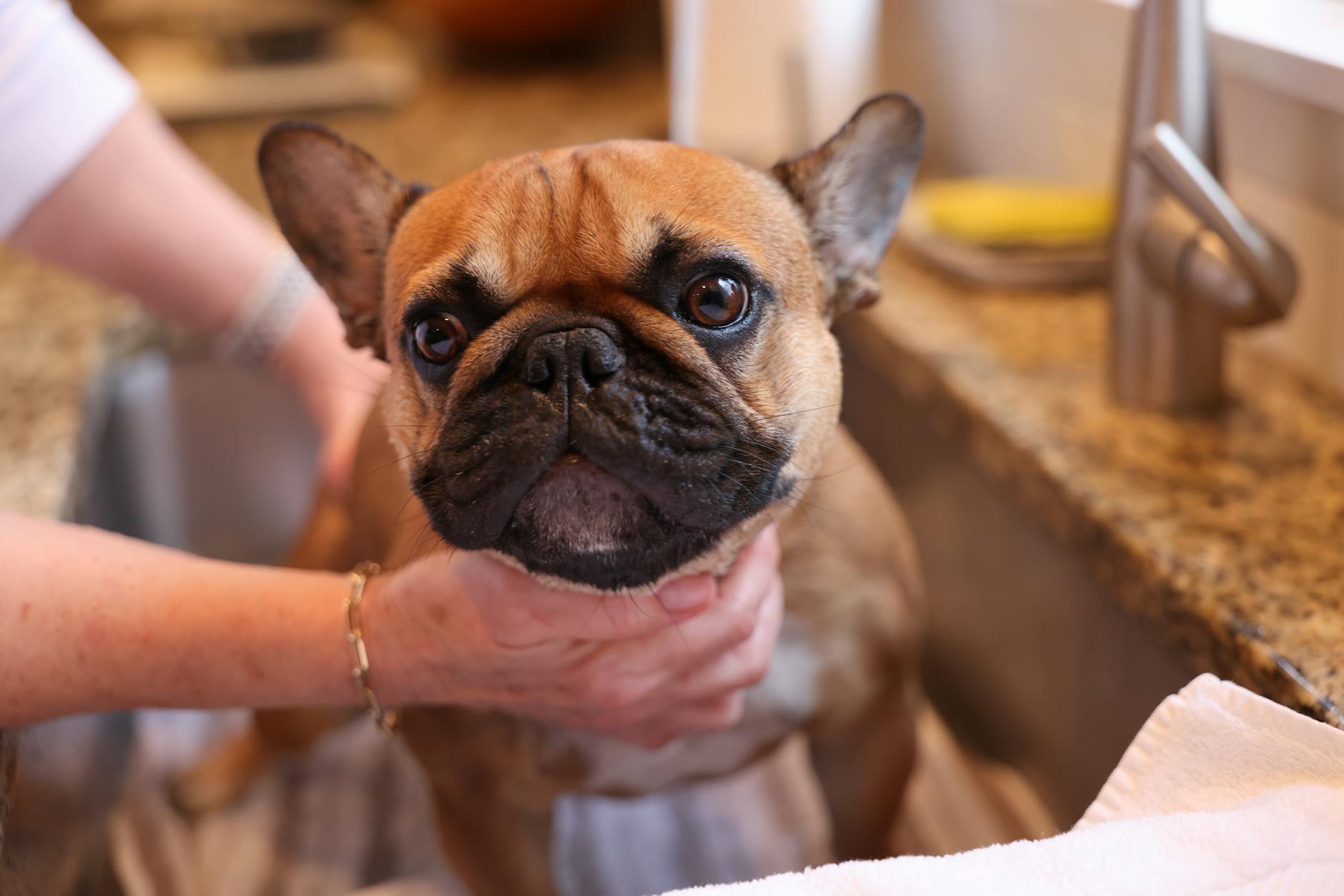
Clean skin is only half the battle; dry skin is the real ultimate goal. If you leave a skin fold damp after cleaning, you have essentially created a perfect incubator for yeast to multiply.
I always emphasize that drying is the most critical step of the entire hygiene process. If you are short on time, it is better to perform a quick dry wipe than a wet wash that is left damp.
- Never leave the fold wet: Moisture is the primary catalyst for intertrigo flare-ups.
- Avoid cornstarch or baby powder: These can clump, trap moisture, and actually serve as a food source for yeast.
- Consider a skin barrier: A thin layer of veterinary-approved barrier paste can protect the skin from tear acid.
- Blot, don’t rub: Always use a gentle patting motion to dry the skin rather than a harsh wiping motion.
Advanced Complications: Tail Folds and Screw Tails
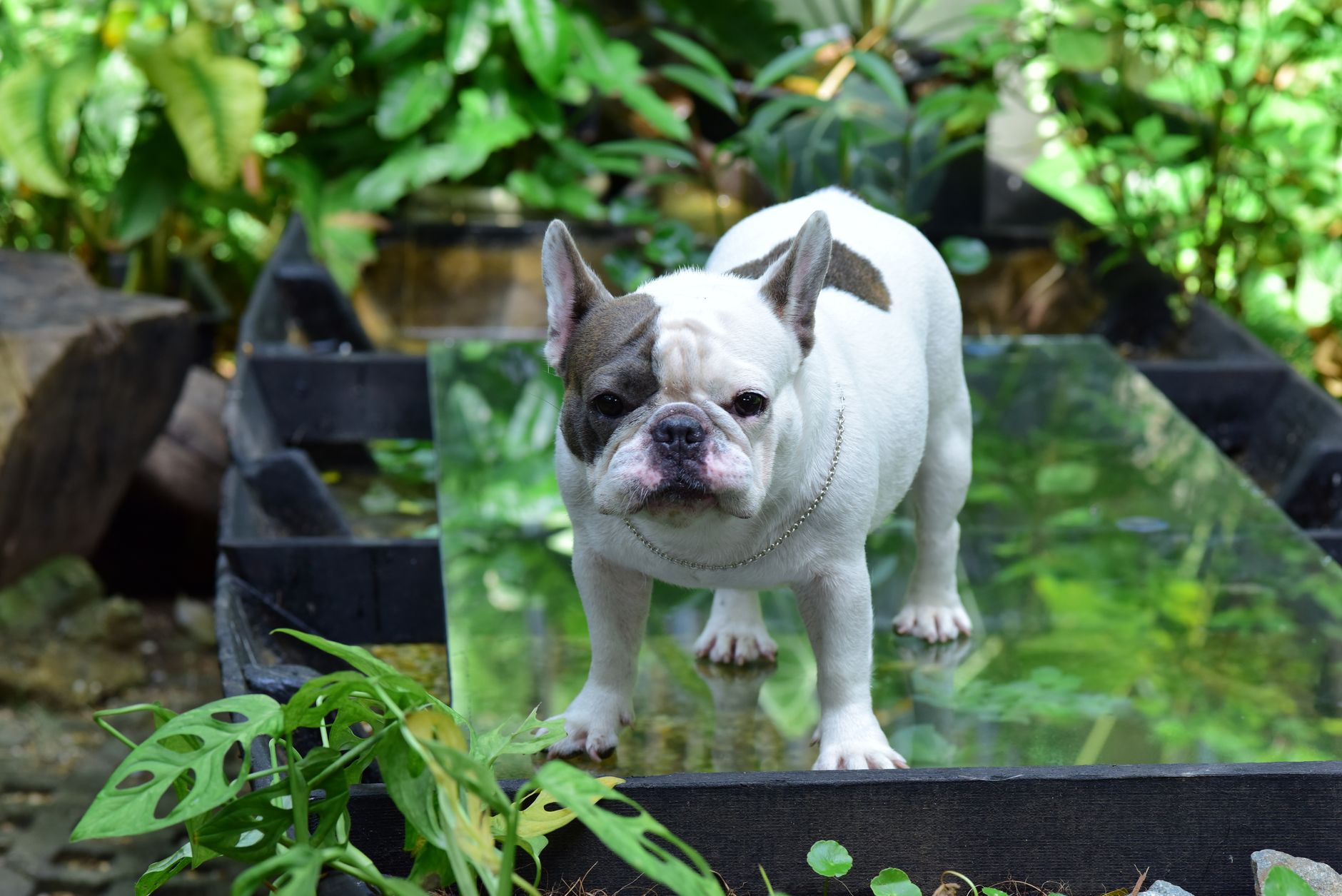
While facial folds get the most attention, the tail pocket can be a far more dangerous area. Bulldogs with corkscrew tails often have deep, inverted tail pockets that sit directly over their anus.
Fecal matter, dander, and sweat collect in this pocket, leading to severe, deep-tissue infections. In my clinical experience, these infections are highly painful and frequently go unnoticed until they are advanced.
Identifying a Tail Pocket
A tail pocket is not just the underside of the tail; it is a distinct pocket of skin surrounding the tail base. Slide your finger gently under the tail base to feel for this pocket, taking care to monitor your dog’s pain response.
Surgical Intervention (Caudectomy)
In severe cases where the tail pocket is chronically infected and painful, medical management may fail. I often recommend a caudectomy, or tail amputation, to remove the pocket entirely and relieve chronic pain.
When to See Your Vet (Prescription Interventions)
There comes a point where daily home care is no longer enough to manage a flare-up. If the skin is bleeding, ulcerated, or emitting a strong foul odor, it is time to schedule a veterinary exam.
In my clinic, I will perform a skin cytology, collecting a sample with clear tape to look under the microscope. This tells me exactly what pathogens we are dealing with so I can prescribe targeted medications.
- Prescription topical creams containing strong steroids to reduce severe inflammation.
- Oral antibiotics (such as Cephalexin) for deep, systemic bacterial pyodermas.
- Oral antifungal medications (such as Ketoconazole) for stubborn, widespread yeast overgrowth.
- Therapeutic veterinary diets designed to support the skin barrier and manage underlying food allergies.
-
Nature’s Miracle Dog Stain & Odor RemoverEnzyme cleaners break down urine and odour completely, which stops pets re-marking the same spot
-
Veterinary Formula Ear Therapy CleanerRegular ear cleaning helps prevent infections, especially in breeds with floppy or hairy ears
-
Gobeigo 2-Cup Magnetic Treat Pouch with ClickerA clip-on treat pouch keeps rewards at hand so you can mark good behaviour instantly
Related Dog Guides
Frequently Asked Questions
How often should I clean my bulldog’s wrinkles?
For most healthy bulldogs, I recommend a thorough cleaning once a day. If your dog has an active mild flare-up or is prone to heavy tearing, you may need to wipe them out twice daily until the inflammation resolves.
Can I use baby wipes on my bulldog’s face?
I strongly advise against using human baby wipes. They often contain fragrances and pH balancers formulated for human skin, which can disrupt a dog’s natural skin barrier and cause severe contact allergies.
Why do my bulldog’s wrinkles smell like corn chips?
That distinctive corn chip smell is a classic indicator of a yeast overgrowth, typically caused by Malassezia yeast. Yeast thrives in the warm, moist environment of skin folds and requires targeted veterinary-strength antifungal treatments to resolve.
Can food allergies cause wrinkly skin infections?
Yes, underlying food or environmental allergies are a primary driver of recurrent skin fold infections. Allergies cause systemic skin inflammation and increased moisture production, making the folds even more hospitable to pathogens.
What should I do if my bulldog hates having their wrinkles cleaned?
Start slowly by pairing the process with high-value treats like peanut butter on a lick mat. Never force or scold your dog; keep cleaning sessions short, positive, and heavily rewarded to build their confidence.
Is organic coconut oil safe for bulldog wrinkles?
Organic coconut oil has mild natural antibacterial properties and can be used as a thin barrier. However, you must use it very sparingly, as applying too much can trap moisture inside the fold and worsen an active yeast infection.
Sources & Further Reading
- American Kennel Club (AKC)
- Merck Veterinary Manual
- American Veterinary Medical Association (AVMA)
- PetMD
Final Thoughts
Caring for a bulldog’s skin folds is a lifetime commitment, but it is one of the most rewarding ways to show your dog love. By establishing a consistent daily cleaning and drying routine, you can prevent painful infections before they ever start.
Remember to always keep the folds completely dry, choose veterinary-formulated products, and monitor the skin closely for signs of irritation. If you ever feel overwhelmed or notice persistent redness and odor, do not hesitate to reach out to your veterinarian.
Together, we can keep your wrinkly companion happy, healthy, and smelling fresh.