
Cavalier King Charles Spaniel Heart Disease: MVD Explained
 Cavalier King Charles Spaniel Heart Disease: MVD Explained” loading=”lazy”>
Quick Summary
Myxomatous Mitral Valve Disease (MVD) is an inherited, progressive heart condition affecting nearly all Cavalier King Charles Spaniels by age ten. Early detection through regular veterinary auscultation, monitoring of sleeping respiratory rates at home, and timely medical intervention with drugs like pimobendan can significantly extend a dog’s lifespan and preserve their quality of life.
As an Amazon Associate, we earn from qualifying purchases.
Popular with dog owners: Dog Food · Treat Pouch · Dental Chews
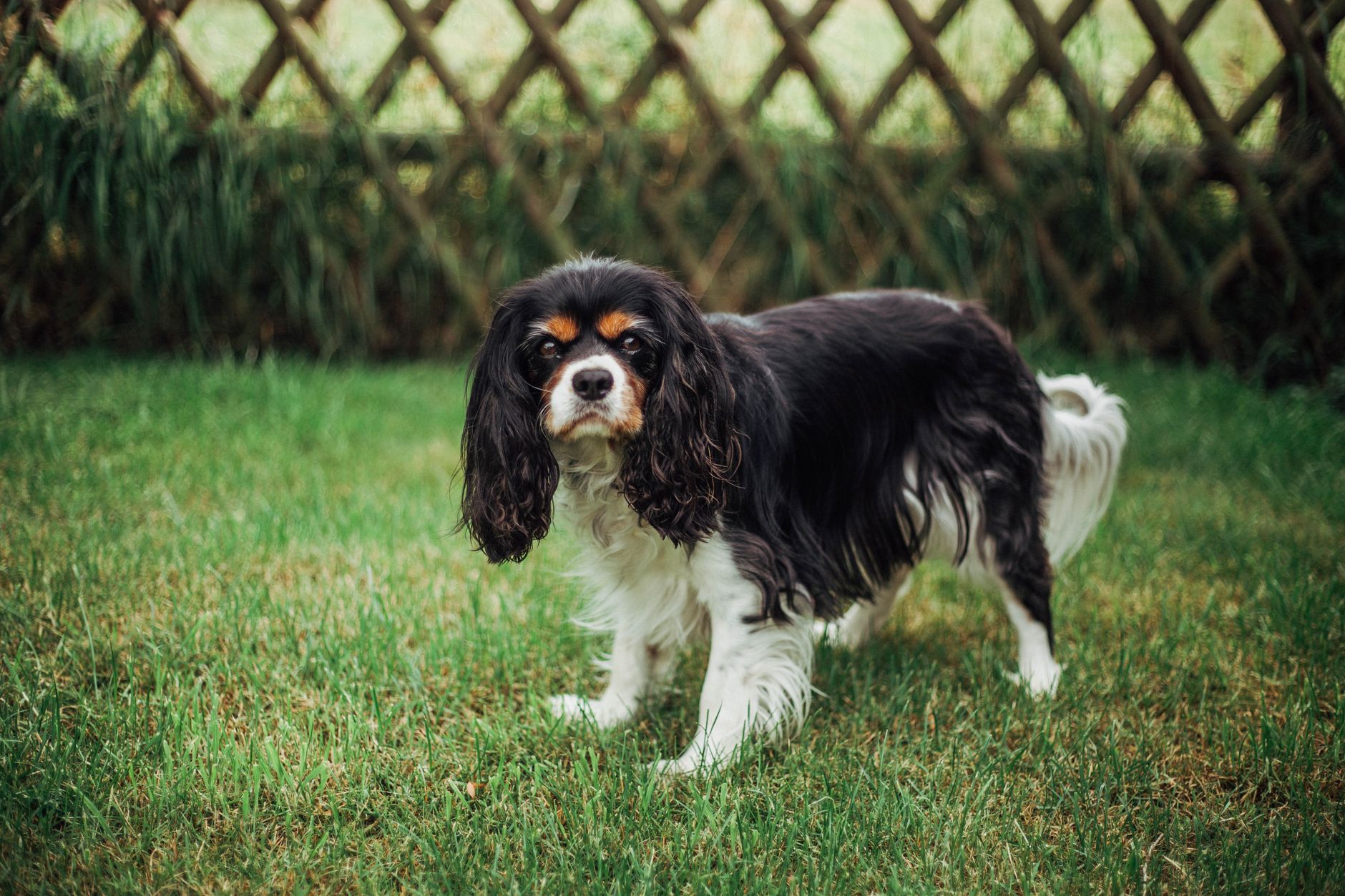
In my twenty years of veterinary practice, I have looked into the warm, soulful eyes of hundreds of Cavalier King Charles Spaniels.
They are a breed of unmatched sweetness, but they carry a heavy genetic burden. Almost every Cavalier will develop Myxomatous Mitral Valve Disease (MVD) if they live long enough.
Hearing that your beloved dog has a heart murmur can feel like a devastating blow. However, a diagnosis of MVD is not an immediate death sentence.
With modern diagnostics and targeted therapies, we can manage this condition and keep your companion comfortable for years.
Key Takeaways
- MVD is highly prevalent in Cavaliers due to polygenic inheritance, affecting up to 100% of the breed by age ten.
- The disease progress is classified into four distinct clinical stages (A through D) defined by the ACVIM.
- Regular veterinary exams to listen for murmurs are the single most important tool for early detection.
- Monitoring your dog’s Sleeping Respiratory Rate (SRR) at home is the best way to catch congestive heart failure early.
- Pimobendan is a cornerstone medication that delayed the onset of heart failure in the landmark EPIC study.
- Dietary management, weight control, and avoiding strenuous exercise are essential supportive strategies.
In This Article
- Understanding Myxomatous Mitral Valve Disease (MVD)
- The Genetic Link: Why Cavaliers Face This Threat
- The Stages of MVD: Navigating the ACVIM Guidelines
- Recognizing the Signs: What to Look For at Home
- The Diagnostic Toolkit: How We Evaluate Your Dog’s Heart
- Medical Management: Medications that Extend Life
- Your Most Powerful Tool: Measuring Sleeping Respiratory Rate
- Optimizing Daily Life: Diet, Exercise, and Stress Reduction
Understanding Myxomatous Mitral Valve Disease (MVD)
To understand MVD, we must look at how the canine heart functions. The heart is a pump with four chambers, and the mitral valve acts as a one-way gate between the left atrium and the left ventricle.
In a healthy heart, this valve seals tightly to ensure blood flows forward to the rest of the body.
In Cavaliers with MVD, the valve leaflets undergo a degenerative process where they become thick, lumpy, and weak. This degeneration prevents the valve from closing completely.
As a result, blood leaks backward into the left atrium with every heartbeat, a phenomenon we call regurgitation.
Over time, this backward flow causes the heart to work much harder to pump blood. The left atrium and ventricle stretch and enlarge to accommodate the extra volume.
Eventually, the heart can no longer compensate, leading to fluid accumulation in the lungs, known as congestive heart failure (CHF).

The Genetic Link: Why Cavaliers Face This Threat
Cavaliers are the poster children for MVD because of their genetics. Unlike many other breeds where heart disease appears in old age, Cavaliers can develop murmurs as young as one to two years old.
This is an inherited, polygenic trait, meaning multiple genes are responsible for the structural breakdown of the valve collagen.
Purina Pro Plan Sensitive Skin & Stomach Dog Food, Salmon
- ✓Real salmon is the first ingredient
- ✓Oatmeal is gentle on sensitive stomachs
- ✓Live probiotics for digestive and immune health
- A complete, balanced diet matched to your dog’s size and age is the foundation of a healthy coat, gut and energy level
I often explain to my clients that we cannot prevent the onset of this genetic disease. What we can do, however, is aggressively manage its progression.
Knowing the genetic certainty of this condition means we must start monitoring Cavaliers from their very first puppy exam.
Responsible breeders are actively working to breed out this trait by using the MVD breeding protocol. These guidelines recommend only breeding dogs that are clear of murmurs until at least age five, with parents who were clear at age five as well.
- Polygenic inheritance means multiple genes combine to cause the valve degeneration.
- Cavaliers can develop murmurs extremely early in life compared to other toy breeds.
- Up to 50% of Cavaliers have an audible murmur by age five.
- Nearly 100% of Cavaliers show some level of valve degeneration by age ten.

The Stages of MVD: Navigating the ACVIM Guidelines
Veterinary cardiologists categorize MVD using a staging system developed by the American College of Veterinary Internal Medicine (ACVIM). This system helps us make uniform, evidence-based treatment decisions.
Understanding which stage your Cavalier is in will help demystify their treatment plan.
We categorize the disease into four main stages, starting from Stage A (at risk) to Stage D (refractory heart failure). In my practice, the transition from Stage B1 to Stage B2 is one of the most critical decision-making points.
This transition dictates when we start life-extending medications.
Let us break down what each of these stages actually means for your dog’s daily life and clinical care.
- Stage A: At-risk dogs with no current structural disease. Every Cavalier is automatically in Stage A from birth.
- Stage B1: A murmur is present, but x-rays and echocardiograms show no heart enlargement. No medication is needed yet.
- Stage B2: A loud murmur is present, and imaging confirms the heart has enlarged to compensate for the leak. Medication is started here.
- Stage C: The dog has developed active or previous signs of congestive heart failure, requiring diuretic therapy.
- Stage D: Refractory heart failure where standard treatments are no longer working, requiring advanced, specialized care.

Recognizing the Signs: What to Look For at Home
In the early stages of MVD, your Cavalier will show absolutely no outward signs of sickness. The heart is incredibly good at compensating for a leaky valve.
This is why regular vet exams are so vital; I often hear a loud murmur before the owner notices a single symptom.
As the disease progresses toward congestive heart failure, subtle changes will begin to emerge. Many owners mistake these signs for normal aging or slowing down.
I tell my clients to be highly observant of their dog’s daily routines and stamina.
If you notice any of these warning signs, it is time to schedule an immediate evaluation with your veterinarian.
- ✓Side pockets for keys, phone or bags
- ✓Adjustable strap or belt clip
- ✓Removable inner bag for easy cleaning
- A clip-on treat pouch keeps rewards at hand so you can mark good behaviour instantly
- A soft, persistent cough, especially late at night or right when they wake up.
- Increased panting or difficulty catching their breath during normal, easy activities.
- An obvious decrease in stamina, such as wanting to turn back early on walks.
- Restlessness at night, including pacing, circling, or struggling to find a comfortable sleeping position.
- Unexplained weakness, collapse, or fainting spells (syncope) during excitement or exertion.
- A sudden decrease in appetite paired with noticeable weight loss and muscle wasting.
The Diagnostic Toolkit: How We Evaluate Your Dog’s Heart
When I detect a new or worsening murmur in a Cavalier, I immediately recommend a diagnostic workup. We cannot treat heart disease based on the sound of a murmur alone.
A loud murmur does not always mean severe disease, and a soft murmur can sometimes mask significant enlargement.
To truly understand what is happening inside the chest, we rely on a combination of diagnostic tools. These tests allow us to measure the physical size of the heart and assess its pumping efficiency.
These diagnostics are not a one-time event; they must be repeated periodically to track the progression of the disease.
- Chest X-rays (Radiographs): These allow us to measure the overall size of the heart and check the lungs for fluid.
- Echocardiogram (Cardiac Ultrasound): The gold standard test to measure chamber sizes, assess valve structure, and visualize blood flow.
- Electrocardiogram (ECG): This test checks the electrical rhythm of the heart to rule out dangerous arrhythmias.
- Blood Pressure Monitoring: Systemic high blood pressure makes the heart work harder, worsening the valve leak.
- NT-proBNP Blood Test: A cardiac biomarker test that measures stretch on the heart muscle, helpful for tracking progress.

Medical Management: Medications that Extend Life
Decades ago, we had few options for treating heart disease in dogs. Today, we have highly effective pharmaceuticals that dramatically improve both survival times and quality of life.
The landmark EPIC study proved that starting certain medications in Stage B2 can delay the onset of heart failure by an average of fifteen months.
Once a Cavalier enters Stage B2 or Stage C, we build a tailored cocktail of medications. Each drug targets a different aspect of the failing cardiovascular system.
It is vital to administer these medications exactly as prescribed without missing doses.
Let’s look at the primary medications I prescribe to my cardiac patients.
- Pimobendan (Vetmedin): A dual-acting drug that helps the heart muscle contract more strongly and dilates blood vessels to ease the workload.
- ACE Inhibitors (Enalapril or Benazepril): These drugs block hormones that cause blood vessels to constrict, lowering resistance against the heart.
- Furosemide (Salix/Lasix): A powerful diuretic used in Stage C to help the kidneys flush out excess fluid from the lungs.
- Spironolactone: A mild, potassium-sparing diuretic that also prevents harmful scarring (fibrosis) of the heart muscle.
Surgical Mitral Valve Repair
While medical management is the standard of care, open-heart surgical valve repair is now a reality for some dogs. This highly specialized procedure is performed by only a few veterinary surgical teams worldwide, most notably in Japan, the UK, and select US universities.
It is highly expensive and requires careful candidate selection, but it can restore valve function and dramatically reverse heart enlargement.

Your Most Powerful Tool: Measuring Sleeping Respiratory Rate
As a veterinarian, I can only see your dog for a fraction of their life. The most critical monitoring happens in your living room.
I teach every single one of my MVD clients how to measure their dog’s Sleeping Respiratory Rate (SRR).
SRR is the single most sensitive indicator of impending congestive heart failure. When fluid begins to accumulate in the lungs, the dog must breathe faster to get enough oxygen.
By catching this rise early, we can adjust medication doses before a full-blown emergency occurs.
Here is how you can easily perform this check at home.
- Wait until your Cavalier is completely asleep and in a comfortable, cool environment.
- Count the number of breaths (one rise and fall of the chest equals one breath) in 60 seconds.
- Alternatively, count the breaths for 30 seconds and multiply that number by two.
- A normal, healthy sleeping respiratory rate is typically under 25 breaths per minute.
- If the rate is consistently above 30 breaths per minute, contact your vet immediately.
- Use a free smartphone app like Cardalis to track your readings and create a graph for your vet.
Optimizing Daily Life: Diet, Exercise, and Stress Reduction
Living with MVD requires some adjustments to your Cavalier’s daily routine, but it does not mean their fun must end. Maintaining a normal, active lifestyle for as long as possible is wonderful for their mental health and muscle tone.
The key is moderation and avoiding sudden bursts of strenuous activity.
Diet also plays a supporting role in managing cardiac health. We want to avoid high-sodium treats, which can cause water retention and put extra stress on the heart.
Many commercial dog treats are packed with sodium, so you must read labels carefully.
Additionally, maintaining a lean body weight is essential; carrying extra fat forces the heart to work harder with every step your dog takes.
- Keep exercise low-impact and self-paced. Avoid long hikes, intense fetch sessions, or playing in hot, humid weather.
- Feed a high-quality, balanced diet rich in Omega-3 fatty acids (EPA and DHA), which support heart muscle health.
- Avoid high-sodium foods like table scraps, cheese, deli meats, and typical store-bought jerky treats.
- Switch to safe, low-sodium treats like fresh blueberries, baby carrots, or small pieces of plain cooked chicken breast.
- Prioritize dental health, as chronic gum disease introduces harmful bacteria into the bloodstream that can damage heart valves.
-
Pedigree Dentastix Large Dog Dental TreatsDaily dental chews help reduce plaque and tartar build-up between brushings
-
PHOEPET No-Pull Reflective Dog HarnessA front clip gently turns your dog back toward you when they pull, giving you control without pressure on the throat
-
Multipet Lamb Chop Plush Dog ToyA mix of fetch, tug and squeaky toys keeps playtime varied and your dog engaged
Related Dog Guides
Frequently Asked Questions
How long can a Cavalier live with a heart murmur?
A Cavalier can live for several years with a heart murmur, especially if it is diagnosed early in Stage B1 or B2. Many dogs do not progress to active heart failure for 3 to 5 years after their first murmur is detected. Once they enter Stage C (heart failure) and receive proper medical treatment, many still enjoy 9 to 18 months or more of excellent quality life.
Can I prevent my Cavalier from getting MVD?
Unfortunately, because MVD is a genetic, inherited condition in Cavaliers, you cannot prevent it from occurring. However, you can prevent or delay its progression by keeping your dog at a healthy weight, feeding a cardiac-friendly diet, and starting veterinarian-prescribed medications like pimobendan the moment structural heart changes (Stage B2) are detected.
Is there a cure for mitral valve disease in dogs?
There is no medical cure for MVD, as the structural changes to the valve tissue are permanent. The only potential cure is open-heart surgery to repair the valve, which is highly specialized, expensive, and only performed by a handful of veterinary surgical teams globally. For most dogs, management focuses on life-extending medications and lifestyle changes.
What is the cost of managing a Cavalier with MVD?
The cost varies depending on the stage of the disease and your location. Early stages require yearly or twice-yearly exams and chest x-rays or echocardiograms, costing roughly $400 to $1,200 annually. Advanced stages require multiple daily medications, frequent blood work, and specialist visits, which can range from $150 to $400 per month.
Why does my dog with heart disease cough?
Coughing occurs because the enlarged left atrium of the heart physically presses upward against the trachea (windpipe), causing irritation. In later stages, coughing is caused by fluid pooling in the lungs (pulmonary edema) as the heart fails to pump efficiently. Any new or worsening cough must be evaluated immediately to rule out congestive heart failure.
Can I still exercise my Cavalier after an MVD diagnosis?
Yes, regular low-impact exercise is highly beneficial for keeping their muscles strong and managing their weight. You should avoid strenuous activities, high-intensity play, or exercise in extreme heat or humidity. Always let your Cavalier set the pace, and stop immediately if they pant heavily, slow down, or sit down to rest.
Sources & Further Reading
- American Veterinary Medical Association (AVMA)
- Cornell University College of Veterinary Medicine
- Merck Veterinary Manual
- PetMD
Final Thoughts
Myxomatous Mitral Valve Disease is undoubtedly a significant hurdle for the Cavalier King Charles Spaniel, but it is a challenge we are fully equipped to meet. As a veterinarian, my goal is always to maximize both the length and the quality of your dog’s life.
By partnering closely with your vet, utilizing modern diagnostics, and diligently tracking their breathing at home, you can give your Cavalier many happy, comfortable years by your side. Do not let fear overshadow the joy of sharing your life with this beautiful breed.
Stay proactive, stay observant, and cherish every single moment with your sweet companion.