
Doberman Pinscher Health Screening: Tests Every Owner Should Ask About
 Doberman Pinscher Health Screening: Tests Every Owner Should Ask About” loading=”lazy”>
Quick Summary
Doberman Pinschers are genetically predisposed to several severe health conditions, including dilated cardiomyopathy (DCM) and von Willebrand Disease (vWD). Proactive veterinary screening using annual echocardiograms, 24-hour Holter monitors, DNA tests, and blood panels is vital to catching these diseases early. Implementing these screenings can significantly extend your Doberman’s lifespan and improve their quality of life.
As an Amazon Associate, we earn from qualifying purchases.
Popular with dog owners: Hip & Joint Supplement · Orthopedic Dog Bed · Training Treats
In my years treating dogs with genetic illnesses, few breeds have captured my heart quite like the Doberman Pinscher. They are noble, intensely loyal, and brilliant companions, but they also carry a heavy genetic burden.
When a client brings a Doberman puppy into my clinic, my focus immediately shifts to preventative screening. We are not just looking for current illness; we are map-making for their future health.
Key Takeaways
- Annual 24-hour Holter monitors and echocardiograms are non-negotiable for early DCM detection.
- A simple DNA swab can identify Von Willebrand Disease carriers before any surgical procedures are performed.
- Thyroid panels should be run annually starting at age two to catch silent hypothyroidism.
- OFA pelvic and elbow evaluations protect against progressive, painful orthopedic decline.
- Routine liver enzyme monitoring can catch copper-associated hepatitis before irreversible scarring occurs.
In This Article
- The Heart of the Matter: Dilated Cardiomyopathy (DCM)
- von Willebrand Disease (vWD): The Bleeding Risk
- Silent Sluggishness: Tracking Hypothyroidism
- Navigating Wobbler Syndrome (Cervical Vertebral Instability)
- Protecting the Joints: Hip and Elbow Dysplasia
- The Hidden Threat: Chronic Active Hepatitis
- Clear Vision: Annual Eye Examinations
The Heart of the Matter: Dilated Cardiomyopathy (DCM)
DCM is the silent thief of the Doberman breed, affecting up to 60 percent of these dogs over their lifetime. In my practice, I have diagnosed this devastating cardiac condition in dogs as young as three years old.
It causes the heart muscle to thin and stretch, eventually leading to congestive heart failure or sudden death.
What I see most often in practice is that owners wait for symptoms like coughing, lethargy, or fainting to appear. By then, the disease is already advanced, and our treatment options are limited.
VetIQ Glucosamine Hip & Joint Chews
- ✓Soft chews dogs take like a treat
- ✓Glucosamine to support mobility
- ✓Good for senior dogs
- Glucosamine and chondroitin chews support cartilage and mobility, especially in large, senior and dysplasia-prone dogs
Early detection via screening allows us to start life-extending medications before the heart fails.
- Annual Echocardiogram: An ultrasound of the heart to measure chamber sizes, wall thickness, and pumping efficiency.
- 24-Hour Holter Monitor: A wearable ECG vest that records every single heartbeat to detect early, dangerous arrhythmias.
- Genetic DNA Testing: Checking for the PDK4 and DCM2 gene mutations, which help determine overall risk.
- ProBNP Blood Test: A cardiac biomarker test that alerts us to physical stretch or stress on the heart muscle.
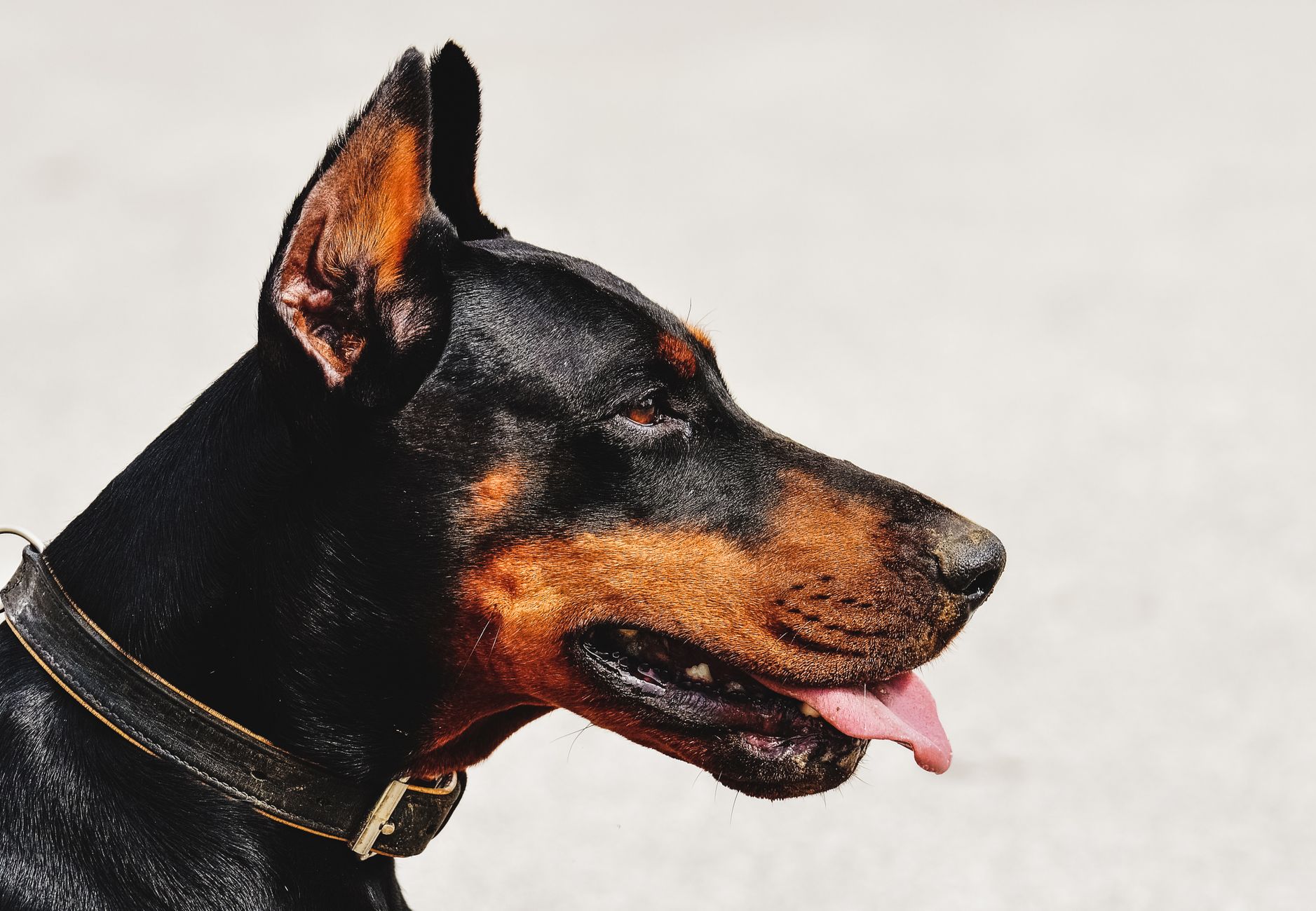
von Willebrand Disease (vWD): The Bleeding Risk
Before I ever perform a routine spay, neuter, or dental extraction on a Doberman, I run a vWD screening. This is a common inherited bleeding disorder caused by a lack of von Willebrand factor, a protein that helps blood clot.
A simple scratch or minor cut can turn into a life-threatening emergency without proper clotting factors. I have seen seemingly healthy Dobermans bleed excessively from minor injuries because their owners skipped this vital step.
- DNA Marker Testing: The definitive test to determine if your dog is clear, a carrier, or affected by Type 1 vWD.
- Buccal Mucosal Bleeding Time (BMBT): A bedside test we perform right before surgery to measure actual clotting times.
- Cryoprecipitate Prep: Ensuring we have specialized clotting factors on hand if an affected dog requires necessary surgery.
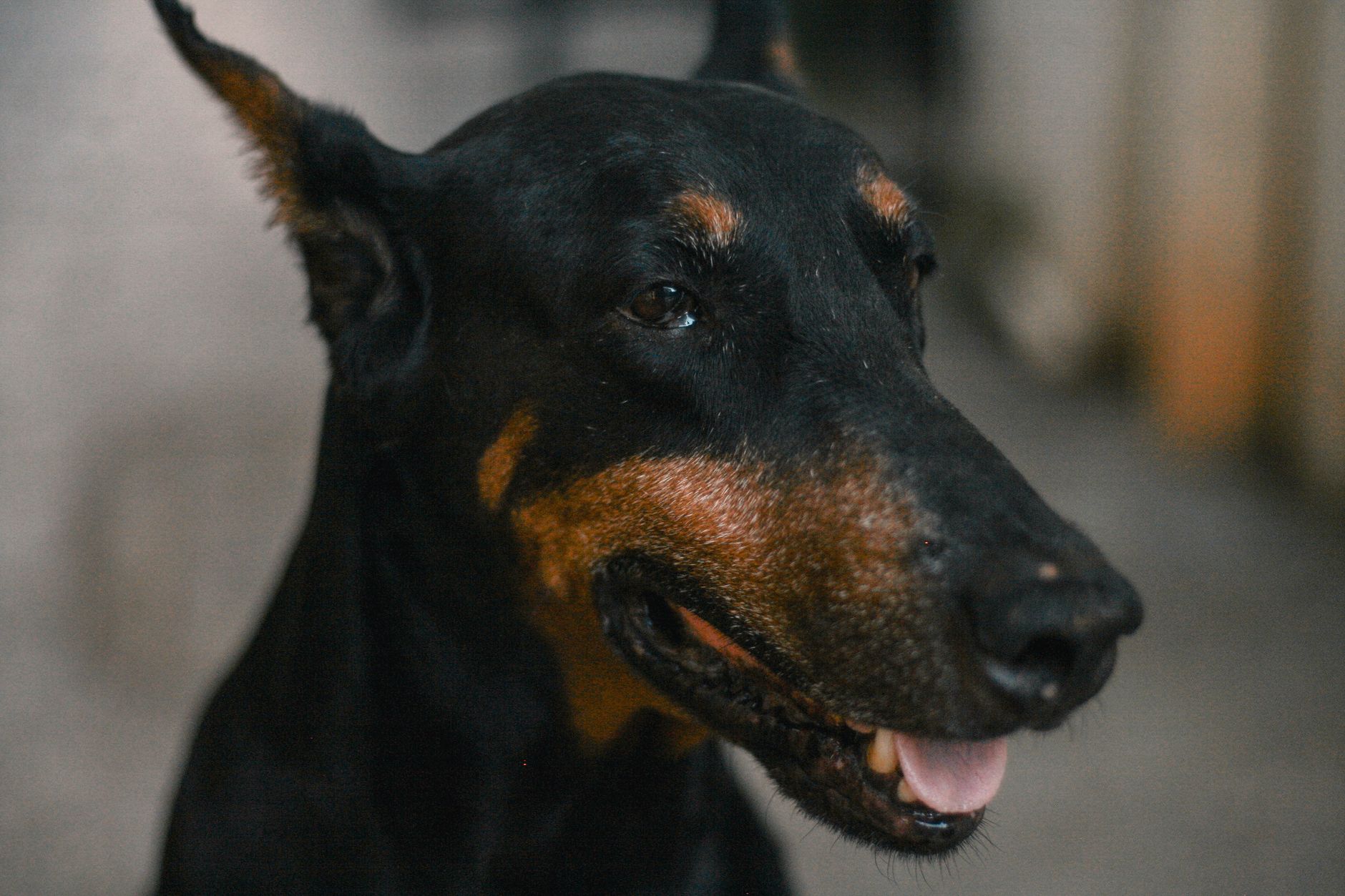
Silent Sluggishness: Tracking Hypothyroidism
If your Doberman is suddenly gaining weight, losing their beautiful coat, or acting uncharacteristically lethargic, do not blame old age. Hypothyroidism is incredibly common in this breed, occurring when the thyroid gland underproduces vital hormones.
What I see most often is a slow decline that owners mistake for ‘mellowing out.’ Fortunately, this condition is highly treatable with cheap, daily oral medication once we identify it through bloodwork.
PetNC Natural Care Hip & Joint Soft Chews
- ✓Glucosamine, chondroitin, MSM and hyaluronic acid
- ✓Savory liver flavor
- ✓Supports dogs that struggle with stairs and jumping
- Glucosamine and chondroitin chews support cartilage and mobility, especially in large, senior and dysplasia-prone dogs
- Total T4: A baseline screening of the main thyroid hormone level.
- Free T4 by Equilibrium Dialysis: The most accurate measure of active thyroid hormone in the bloodstream.
- TSH (Thyroid Stimulating Hormone): Helps determine if the thyroid itself or the pituitary gland is failing.
- TgAA (Thyroglobulin Autoantibodies): Tells us if the body’s immune system is actively attacking the thyroid gland.

Navigating Wobbler Syndrome (Cervical Vertebral Instability)
Wobbler syndrome is a neurological disease caused by spinal cord compression in the neck. Dobermans are genetically predisposed to this, typically showing clinical signs between three and six years of age.
Owners often notice a subtle, wobbly gait in the hind legs first, which then progresses to the front legs. Early identification through physical exams and imaging is key to preserving mobility before permanent nerve damage occurs.
- Neurological Examination: A hands-on assessment of reflexes, limb placement, and neck pain.
- Digital Cervical Radiographs: Initial X-rays to check for narrowing of the spinal canal or bony changes.
- MRI or CT Scan: The gold standard for visualizing the exact site and severity of spinal cord compression.

Protecting the Joints: Hip and Elbow Dysplasia
While they are athletic and graceful, Dobermans are still a large breed prone to joint laxity. Hip and elbow dysplasia can lead to painful, crippling arthritis early in life if left unmanaged.
I recommend screening every Doberman’s joints before they start intensive athletic training or breeding. Catching joint instability early allows us to intervene with joint supplements, weight management, or environmental modifications.
- OFA Pelvic X-rays: Standardized radiographs taken after two years of age to grade hip conformity.
- PennHIP Evaluation: A specialized test measuring hip laxity that can be performed as early as 16 weeks old.
- Nutritional Interventions: Implementing joint-protective diets and omega-3 fatty acids before clinical signs manifest.
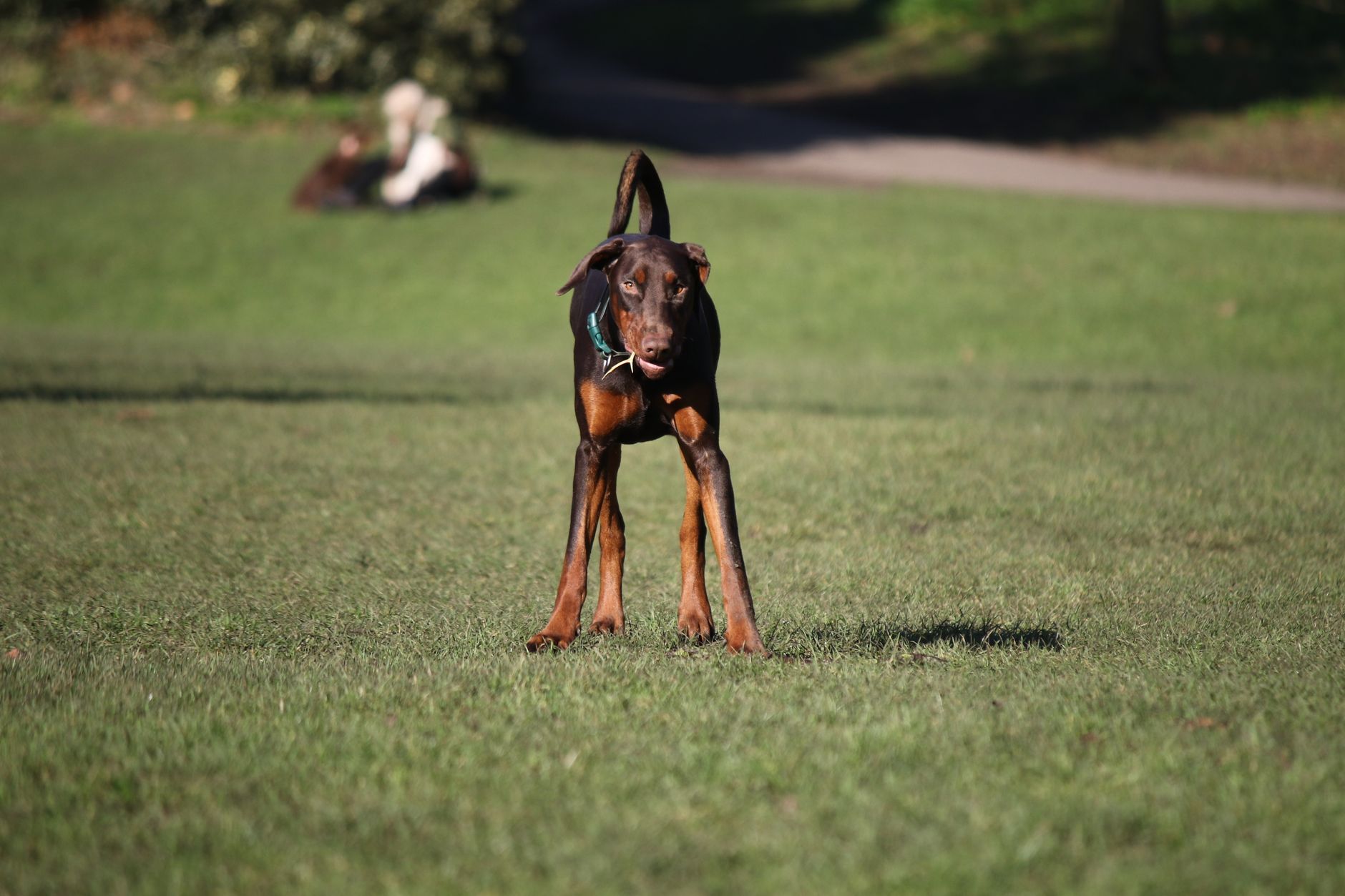
The Hidden Threat: Chronic Active Hepatitis
Copper toxicosis and chronic active hepatitis are silent, progressive liver diseases that Dobermans are uniquely susceptible to. Female Dobermans are particularly overrepresented in my clinical caseload.
Copper builds up silently in the liver cells, causing chronic inflammation and eventually liver failure. By the time a Doberman looks yellow or stops eating, the liver is already severely scarred.
- Routine Biochemistry Profile: Checking liver enzymes like ALT, ALP, and AST during annual wellness bloodwork.
- Bile Acids Study: A functional test to see how well the liver is processing and recycling bile.
- Liver Biopsy: The only definitive way to measure copper concentration and grade active liver inflammation.
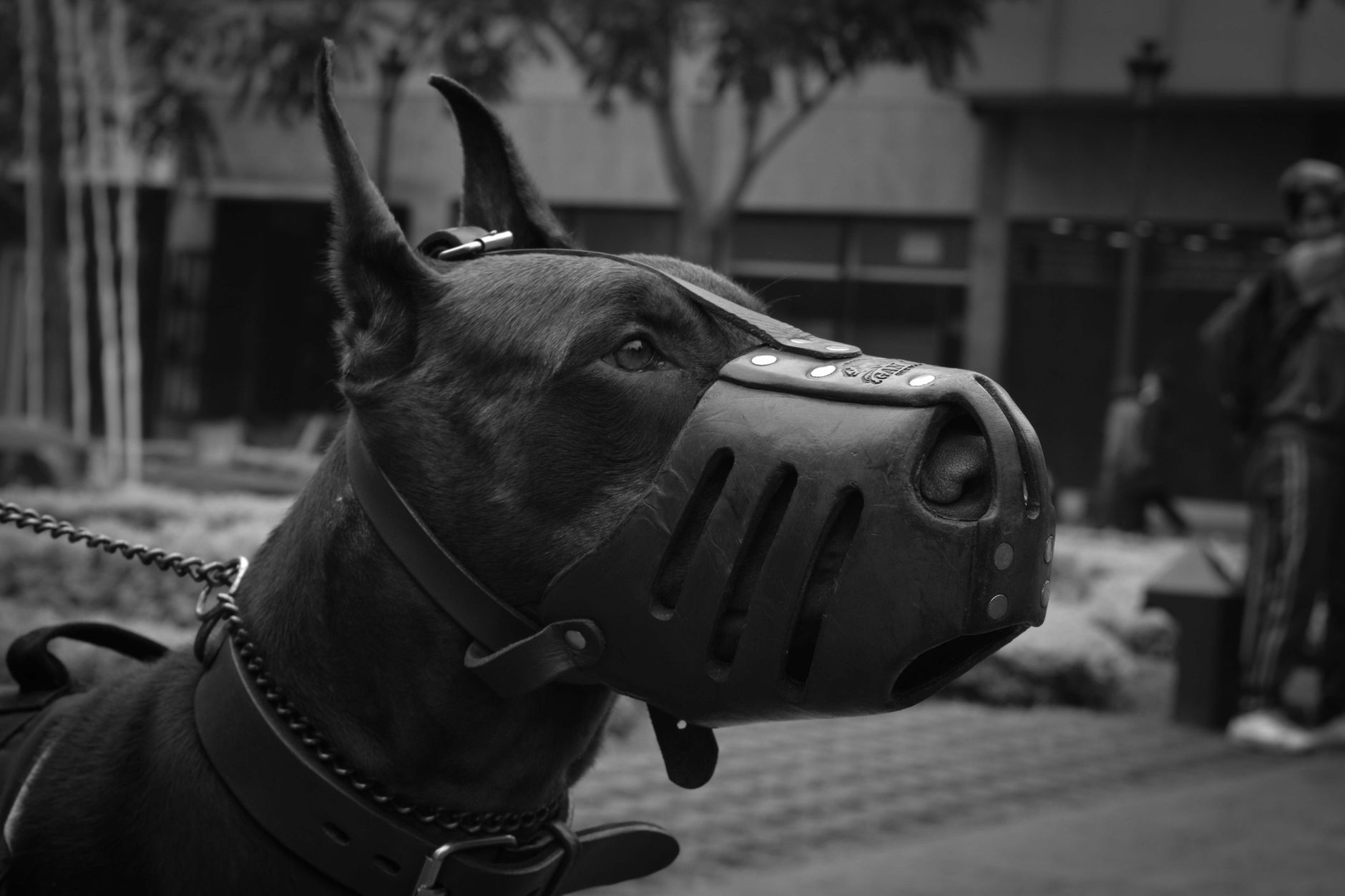
Clear Vision: Annual Eye Examinations
Dobermans can suffer from several inherited eye conditions that can lead to pain or blindness if ignored. Conditions like Progressive Retinal Atrophy (PRA) and early-onset cataracts are things we actively screen for.
I always advise owners to get an annual examination by a board-certified veterinary ophthalmologist. Keeping their eyes healthy preserves their confident, alert nature.
- CAER Exam: A specialized dilation exam checking the retina, lens, and cornea for inherited defects.
- Genetic Screening for PRA: DNA tests that can identify risk factors before physical symptoms show.
- Intraocular Pressure Testing: Checking for early signs of glaucoma or internal eye inflammation.
-
BFPETHOME Orthopedic Washable Large Dog BedSupportive foam cushions hips and joints, ideal for large, senior or dysplasia-prone dogs
-
Blue Buffalo Bits Chicken Training TreatsSmall, soft treats are quick to eat, so you can reward the right moment and keep training sessions moving
-
Hertzko Self-Cleaning Slicker BrushRemoves loose hair, tangles and dirt before they become mats
Related Dog Guides
Frequently Asked Questions
At what age should I start health screening my Doberman?
You should start basic DNA screening for vWD and DCM markers during puppyhood, usually around your first vet visits. Annual cardiac testing, including Holter monitors and echocardiograms, should begin by age one or two. Orthopedic evaluations like OFA clearances require the dog to be at least two years old for official certification.
How often does my Doberman need a Holter monitor?
I recommend a 24-hour Holter monitor once a year starting at one year of age. If your Doberman has been diagnosed with mild irregularities, we may increase this to every six months. This test is the only reliable way to catch early PVCs (premature ventricular contractions) before they cause sudden cardiac arrest.
Can a Doberman with a DCM gene mutation live a normal life?
Yes, absolutely. Having the PDK4 or DCM2 mutation means your dog is at higher risk, not that they have active disease. Regular physical screening allows us to start protective cardiac medications, like pimobendan or ACE inhibitors, the moment physical heart changes begin, significantly extending their life.
Is genetic testing enough to clear my Doberman for breeding?
No, genetic testing is only a small piece of the puzzle. It does not replace physical screening methods like echocardiograms, thyroid panels, and OFA joint clearances. Breeding dogs must have active, up-to-date physical clearances because many genetic conditions in Dobermans have complex, multi-gene inheritance patterns.
How do I know if my Doberman has Wobbler syndrome?
The earliest sign is usually a clumsy, ‘wobbly’ gait in the rear legs, often described as floating or walking on ice. Your dog may also hold their neck low, show stiffness when turning, or struggle to rise. If you see any of these signs, seek a veterinary neurological evaluation immediately.
Sources & Further Reading
- American Kennel Club (AKC)
- Merck Veterinary Manual
- American Veterinary Medical Association (AVMA)
- Cornell University College of Veterinary Medicine
Final Thoughts
Owning a Doberman is a profound privilege, but it requires a proactive commitment to their health. In my years treating this magnificent breed, I have seen firsthand how early screening changes lives.
It transforms a potential crisis into a manageable condition, giving you more high-quality years with your companion. Do not wait for symptoms to appear before you take action.
Partner with your veterinarian, schedule these essential tests, and protect the loyal companion who protects you.