
German Longhair Breed Guide

Quick Summary
The German Longhair is a rare, robust, and affable feline that perfectly balances a calm demeanor with a playful spirit. Ideal for families and multi-pet households, this breed combines the stunning, low-maintenance silky coat of an ancestral longhair with a deeply affectionate, people-oriented personality.
As an Amazon Associate, we earn from qualifying purchases.
Popular with German Longhair owners: Cat Food · Hairball Control Treats · Cat Tree
Quick Facts
- origin countryGermany
- breed groupForest Cat / Longhair
- sizeMedium to Large
- weight range9 to 18 lbs (4.1 to 8.2 kg)
- height range11 to 14 inches
- lifespan12 to 16 years
- coat typeSemi-long to long, silky with a soft undercoat and distinct ruff
- common colorsAll traditional colors and patterns (tabby, solid, bicolour, tortoiseshell)
- other namesDeutsch Langhaar, DLH
- recognized byWCF (World Cat Federation)
Caring for a German Longhair
In my years treating this breed, I’ve found that living with a German Longhair is incredibly rewarding due to their balanced, cooperative nature. In my practice, I find they adapt seamlessly to indoor life provided they have vertical space and mental stimulation. Unlike some long-haired breeds, their silky coat resists matting, making daily maintenance surprisingly manageable. They thrive on routine and enjoy participating in household activities without being overly demanding of your constant attention.
Is a German Longhair a good family pet?
Absolutely, they are exceptional family companions. Their patient, stable temperament makes them highly tolerant of children, provided the kids are taught respectful handling. In my experience, they actively seek out family interactions rather than hiding away when the house gets busy.
Do German Longhairs shed a lot?
Yes, they do shed, particularly during the seasonal transitions in spring and autumn when they blow their undercoat. However, because their guard hairs are silky rather than woolly, regular twice-weekly brushing is usually sufficient to keep shedding under control outside of seasonal cycles.
Is a German Longhair good for first-time owners?
Yes, they are an excellent choice for novices. Their forgiving, easygoing nature means they don’t stress easily over minor household changes, and they lack the demanding or highly sensitive temperament of more vocal breeds.
Temperament & Personality
The German Longhair possesses a wonderfully stable, ‘middle-of-the-road’ temperament. They are neither hyperactive nor lazy, offering a perfect blend of playful curiosity and calm, affectionate companionship. I always tell owners that they are often ‘cat-dogs’ because of their loyal, social disposition and their habit of greeting owners at the door.
Is a German Longhair good with other pets?
In my clinical practice, I’ve observed that German Longhairs are incredibly gregarious and typically integrate beautifully with other cats and cat-friendly dogs. Their low-conflict, confident nature means they rarely instigate territorial disputes.
Blue Buffalo Indoor Adult Cat Food, Chicken & Brown Rice
- ✓Real chicken is the first ingredient
- ✓Formulated for indoor adult cats
- ✓Supports digestive care and coat health
- Balanced nutrition for less active indoor cats
- Helps with hairball and weight control
How much attention does a German Longhair need?
While they are deeply affectionate and love being near their humans, they are not pathologically needy. They will happily snooze while you work, but expect them to curl up in your lap the moment you sit down.
Training & Behavior
Highly intelligent and eager to please, the German Longhair is highly receptive to positive reinforcement training. They have an innate curiosity that makes them excellent candidates for clicker training and puzzle toys. In my clinic, I often see them master basic commands like fetching or coming when called much faster than average felines.
Training Tips
- Use high-value, meat-based treats to reward desired behaviors.
- Keep training sessions short, around 3 to 5 minutes, to match their focus.
- Introduce clicker training early to establish a communication bridge.
- Teach them to associate their carrier with positive experiences using treats.
Fun Activities
- Interactive fetch with crinkle balls
- Solving level-2 food puzzle toys
- Leash walking with a secure H-harness
- Exploring vertical cat trees and wall shelves
- Agility courses built from cardboard boxes
Is a German Longhair easy to train?
Yes, compared to many other cat breeds, they are remarkably cooperative. Their food motivation and desire for human engagement make them highly responsive to clicker training and basic household rules.
German Longhair Health Issues
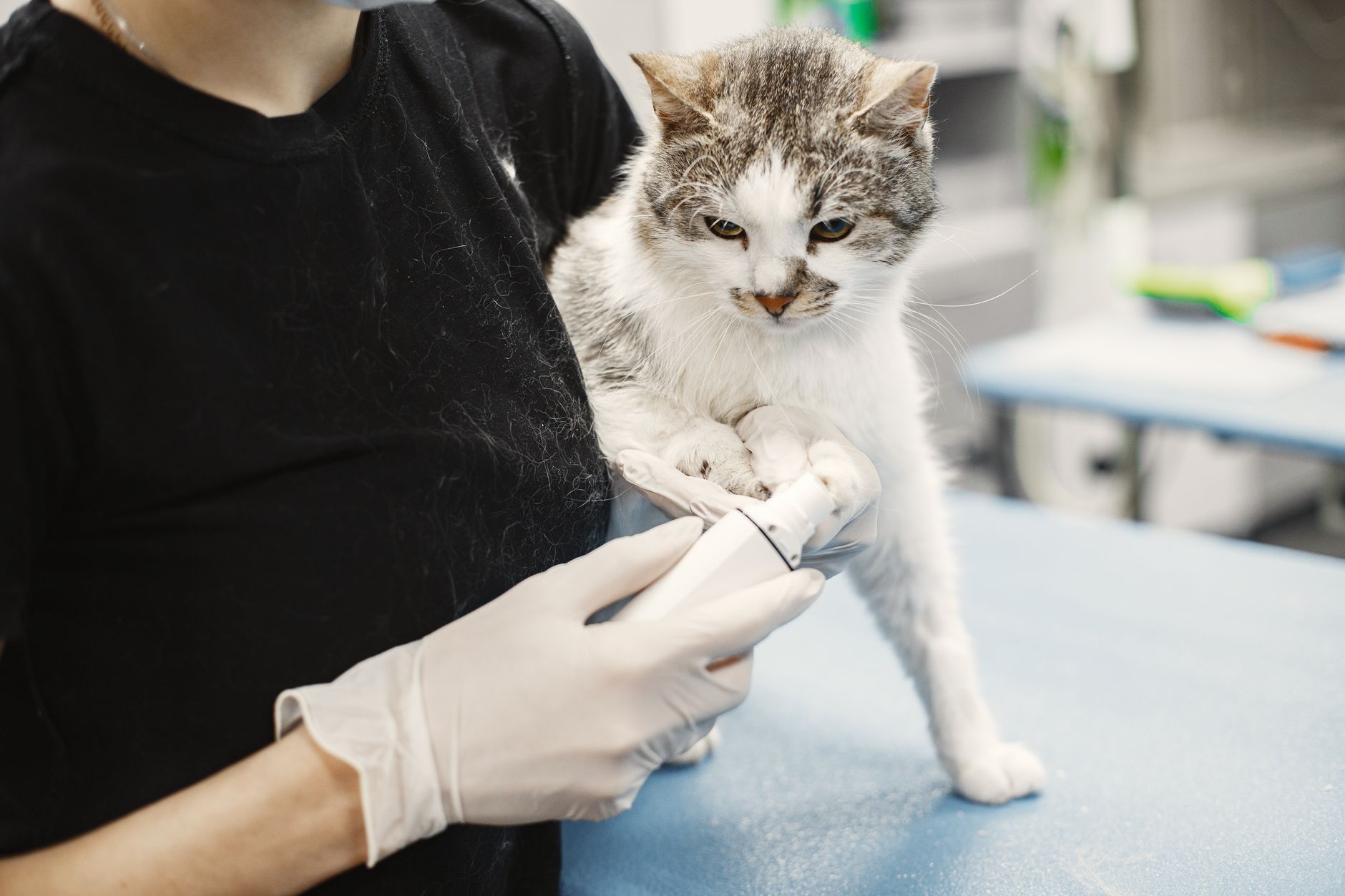
What I see most often in practice is that the German Longhair is a remarkably robust heritage breed. However, I always tell owners that we must still remain vigilant for a few hereditary and acquired conditions through proactive screening.
Hypertrophic Cardiomyopathy (HCM)
This is a hereditary thickening of the heart muscle that can lead to heart failure or arterial thromboembolism. In my practice, I strongly advise yearly echocardiograms for breeding lines to catch early changes in cardiac structure.
Polycystic Kidney Disease (PKD)
An inherited disorder where fluid-filled cysts develop in the kidneys, eventually leading to renal failure. Because of historical crosses with Persian lines, responsible breeders screen for the PKD1 gene mutation via DNA testing.
Periodontal Disease
Like many domestic cats, they are prone to plaque accumulation which leads to gingivitis and periodontitis. I regularly see cats of this breed with preventable dental disease that could have been managed with home brushing.
Friskies Gravy Swirlers Dry Cat Food
- ✓Chicken, salmon and gravy flavors
- ✓40 essential nutrients
- ✓Complete and balanced
- A high-protein, complete diet suits cats’ needs as obligate carnivores
Obesity
Their calm indoor lifestyle and hearty appetite make them prime candidates for weight gain, especially after spaying or neutering. Managing their body condition score is critical to prevent secondary issues like osteoarthritis and diabetes.
How long do German Longhairs typically live?
With appropriate preventative veterinary care, a high-quality diet, and an indoor lifestyle, German Longhairs typically live between 12 and 16 years, with many reaching their late teens.
What to Feed a German Longhair
I always tell owners that maintaining their muscular frame and luxurious coat requires a diet rich in animal-derived proteins and essential fatty acids. In my clinic, I emphasize the importance of controlled portion sizes to prevent insidious weight gain in these sedentary-leaning cats.
Best Diet
I highly recommend a high-protein, moderate-fat diet consisting primarily of high-quality wet food to support hydration and kidney health. Look for diets rich in Omega-3 fatty acids (like EPA and DHA) to nourish their thick undercoat and promote skin health.
How to Feed
Feed measured meals twice daily rather than free-feeding kibble, which easily leads to obesity. Using puzzle feeders or scatter-feeding techniques can mimic natural hunting behaviors and keep them mentally engaged.
How Much to Feed
Portion size should be calculated based on your cat’s specific target weight, age, and activity level. Generally, an average 12-pound adult cat requires roughly 240 to 280 calories per day, but you should always consult your veterinarian to establish a precise feeding plan.
Nutritional Tips
Incorporate active hydration by offering clean water via a circulating cat fountain, as longhairs are prone to urinary tract issues if chronically dehydrated. Avoid foods with excessive fillers like corn, wheat, or soy.
German Longhair Grooming Guide
What I see most often in practice is that owners are pleasantly surprised by how manageable this breed’s coat is. In my years treating this breed, I’ve observed that regular, targeted brushing prevents painful mats and keeps their skin barrier healthy.
Coat Care
Brush the coat thoroughly two to three times a week using a high-quality slicker brush and a steel greyhound comb to reach the undercoat. Pay extra attention to the dense ruff around the neck and the breeches on the hind legs where tangles are most likely to form.
Skin Care
Monitor for any signs of dry, flaky skin or localized redness, particularly during seasonal coat changes. Regular brushing stimulates natural sebum production, which naturally waterproofs and protects their skin.
Eye Care
Generally low-maintenance, but occasionally wipe the inner corners of the eyes with a damp, warm cotton pad if minor tearing or crusting occurs.
Ear Care
Inspect ears weekly for wax buildup, redness, or a yeast-like odor; clean gently with a vet-approved ear cleaner and a cotton ball only if debris is present.
Nail & Dental Care
Clip their nails every 2-3 weeks to prevent painful splitting or snagging, and brush their teeth at least three times a week with enzymatic cat-safe toothpaste.
Considerations for Pet Parents
Pros
- Extremely affectionate and family-friendly disposition
- Silky coat is easier to maintain than other longhair breeds
- Very adaptable to apartment living and indoor environments
- Highly sociable and gets along well with other pets
- Robust and generally healthy with a stable gene pool
- Intelligent and highly receptive to basic training
Cons
- Moderate to heavy shedding during seasonal transitions
- Can be prone to obesity if diet is not strictly managed
- Extremely rare outside of Germany, making them hard to source
- Requires consistent dental care to prevent periodontal issues
Best For
An ideal owner is someone who wants a highly interactive, affectionate companion and has the time to dedicate to weekly grooming and daily play. They are perfect for busy households with children and other pets, as they thrive on social interaction.
Not Recommended For
They are not recommended for busy individuals who are away from home for 12+ hours a day without another companion animal, or for owners who expect a completely self-sufficient, hands-off feline that requires no grooming.
Cost
- purchase price$1,200 to $2,500
- monthly cost$80 to $150
- initial setupExpect to spend around $500 to $800 initially on high-quality vertical cat trees, scratching posts, grooming tools, a litter box, and initial veterinary vaccinations and microchipping.
-
PetHonesty Cat Hairball Remedy ChewsHairball formulas help swallowed fur pass through, so long-haired cats cough up fewer hairballs
-
Globlazer XXL Cat Tower for Multiple CatsGives cats vertical space to climb, scratch and nap, which reduces stress and keeps them off your shelves
-
Pet Grooming 2-in-1 Deshedding & Dematting CombReaches through the topcoat to remove loose undercoat, cutting down the hair on your floors and furniture
Similar Breeds

Siberian

Norwegian Forest Cat
German Longhair FAQs
How does the German Longhair differ from the Maine Coon?
While both are large, long-haired breeds, the German Longhair is generally slightly smaller and has a more rounded, moderate head shape without the prominent square muzzle of the Maine Coon. Temperamentally, the German Longhair tends to be slightly calmer and less demanding of constant activity.
Are German Longhairs hypoallergenic?
No, they are not hypoallergenic. They produce the Fel d 1 protein in their saliva and skin glands just like other cats, and their long, shedding coat can easily distribute this allergen throughout your home.
How do I prevent my German Longhair’s coat from matting?
The key is using a high-quality metal comb to reach all the way down to the skin, rather than just brushing the surface guard hairs. Focus on friction-prone areas like the armpits, groin, and behind the ears at least three times a week.
Why is the German Longhair breed so rare?
The breed nearly became extinct after World War II. Dedicated German breeders worked to reconstruct the breed using historical standards, but the breeding pool remains small and tightly controlled, primarily concentrated in Germany and neighboring countries.
Is the German Longhair recognized by major cat registries?
Yes, they are fully recognized by the World Cat Federation (WCF) and are gaining recognition in various independent European registries, though they are not yet fully recognized by the CFA or TICA in North America.
Do they like water?
While not all German Longhairs will swim, many possess a fascinating curiosity toward running water. Don’t be surprised if your cat enjoys playing with dripping faucets or watching water swirl down the drain.
Are they vocal cats?
Generally, no. They tend to have very quiet, pleasant voices and will chirp or trill softly to greet you, rather than letting out persistent, loud meows like Siamese or Oriental breeds.
How much exercise does a German Longhair need?
They need about 20 to 30 minutes of active play daily. Interactive toys, laser pointers, and climbing structures are excellent for keeping them physically fit and preventing obesity.
At what age do German Longhairs reach full maturity?
Like many large breeds, they mature slowly. They typically do not reach their full physical size, weight, and coat density until they are between 2 and 3 years of age.
Can they be kept strictly indoors?
Yes, they are highly suited to indoor-only living, provided you enrich their environment with scratching posts, window perches, and interactive toys to satisfy their curiosity.
What is the history of the German Longhair?
Originally developed in Germany in the early 20th century, they were created to preserve the traditional, robust European long-haired farm cat. The breed was officially standardized in 1929 but had to be meticulously revived in the 2000s.
How often should I bathe a German Longhair?
Bathing is rarely necessary unless they get into something dirty or sticky. Their silky coat has natural dirt-repellent properties, so a thorough brushing regimen is usually more than enough to keep them clean.
Are they prone to hairballs?
Yes, because of their long undercoat, they can swallow significant amounts of fur during self-grooming. Regular brushing and feeding a diet with adequate fiber or using hairball prevention pastes can mitigate this risk.