
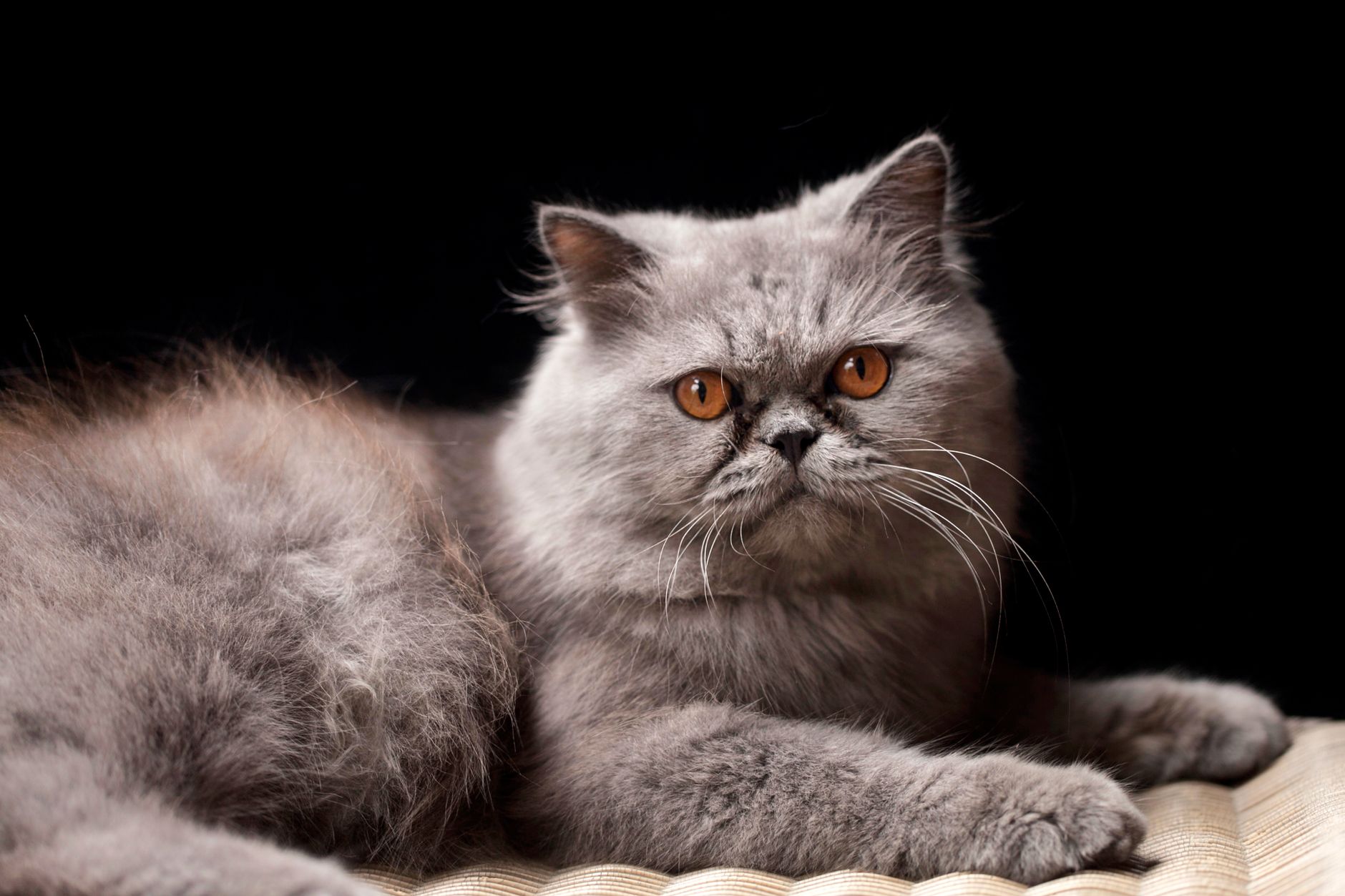
 Persian vs Himalayan: What’s the Real Difference?” loading=”lazy”>
Quick Summary
While Persians and Himalayans share the same flat-faced brachycephalic build, luxurious long coats, and gentle temperaments, the key difference lies in their coat colors and genetics. Himalayans are a Persian-Siamese hybrid distinguished by their point-restricted coat coloring and striking blue eyes, whereas Persians come in many colors and have varying eye shades. Clinically, both require intensive grooming and share high genetic risks for respiratory, ocular, and renal diseases.
In my years of clinical veterinary practice, I see dozens of flat-faced, long-haired felines every single month. Clients constantly ask me whether their gorgeous new kitty is a Persian or a Himalayan, or if those are simply two names for the exact same breed.
The truth lies in a fascinating blend of genetics, registry standards, and clinical realities that every potential owner must understand before bringing one home.
Let’s dive deep into what truly separates these two iconic long-haired beauties, from their genetic heritage to their daily veterinary care needs.
Key Takeaways
- Himalayans are a genetic cross between Persians and Siamese, created to combine pointed color with long fur.
- Persians can have various eye colors (copper, green, blue-green), while true Himalayans always have brilliant blue eyes.
- Both breeds share a brachycephalic (flat-faced) skull, putting them at high risk for breathing and heat-tolerance issues.
- Blocked tear ducts (epiphora) are extremely common in both, requiring daily facial cleaning to avoid painful skin fold infections.
- Polycystic Kidney Disease (PKD) is a severe hereditary condition affecting both breeds; DNA screening of parents is essential.
- Their dense undercoats require non-negotiable daily grooming with a metal comb to prevent painful, clinical matting.
- Himalayans often display a slightly more vocal and interactive personality than their serene, quiet Persian counterparts.
In This Article
- Genetic Roots and Breed History: The Ancient Aristocrat vs. The Modern Hybrid
- Visual Distinctions: Eye Color and Point Restriction
- The Brachycephalic Head: Managing Respiratory Risks
- Ophthalmic Care: Keeping Oversized Eyes Healthy
- Polycystic Kidney Disease (PKD): The Genetic Shadow
- Grooming Protocols: Preventing Severe Matting and Hairballs
- Temperament Nuances: Sweet Serenity vs. Siamese Spark
- Veterinary Costs: Preparing Financially for Brachycephalic Needs
Genetic Roots and Breed History: The Ancient Aristocrat vs. The Modern Hybrid
To understand the difference, we must look back at the origins of these majestic cats. The Persian is one of the oldest pedigree cat breeds in the world, originating in Persia (modern-day Iran) centuries ago.
They were highly prized by royalty and traveling merchants alike for their luxurious coats.
The Himalayan, by contrast, is a relatively modern, man-made breed. In the 1930s, dedicated breeders crossed Persians with Siamese cats to combine the Persian’s heavy body type with the Siamese’s pointed coat pattern and blue eyes.
Today, how we classify them depends entirely on the feline registry you consult. The Cat Fanciers’ Association (CFA) views the Himalayan as a color division of the Persian, while other major registries treat them as an independent breed.
- Persian origin: Ancient natural breed from Persia, documented since the 1600s.
- Himalayan origin: Developed in the US and UK in the 1930s to 1950s.
- Parent breeds of Himalayan: Persian and Siamese.
- CFA standard: Grouped under the Persian breed standard as a “Point Pattern” division.
- TICA standard: Evaluated as a separate, distinct breed in the Persian Breed Group.
Visual Distinctions: Eye Color and Point Restriction
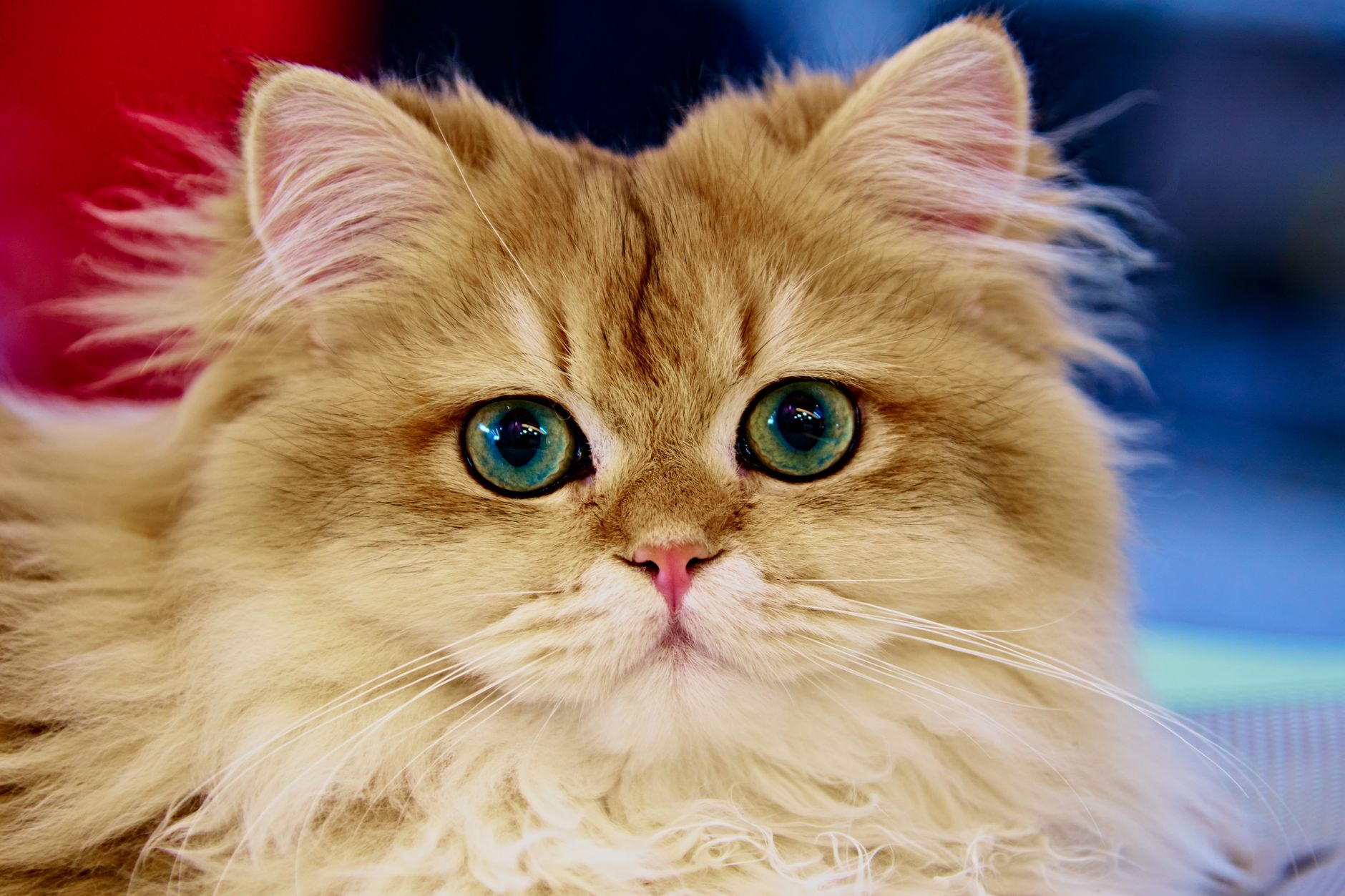
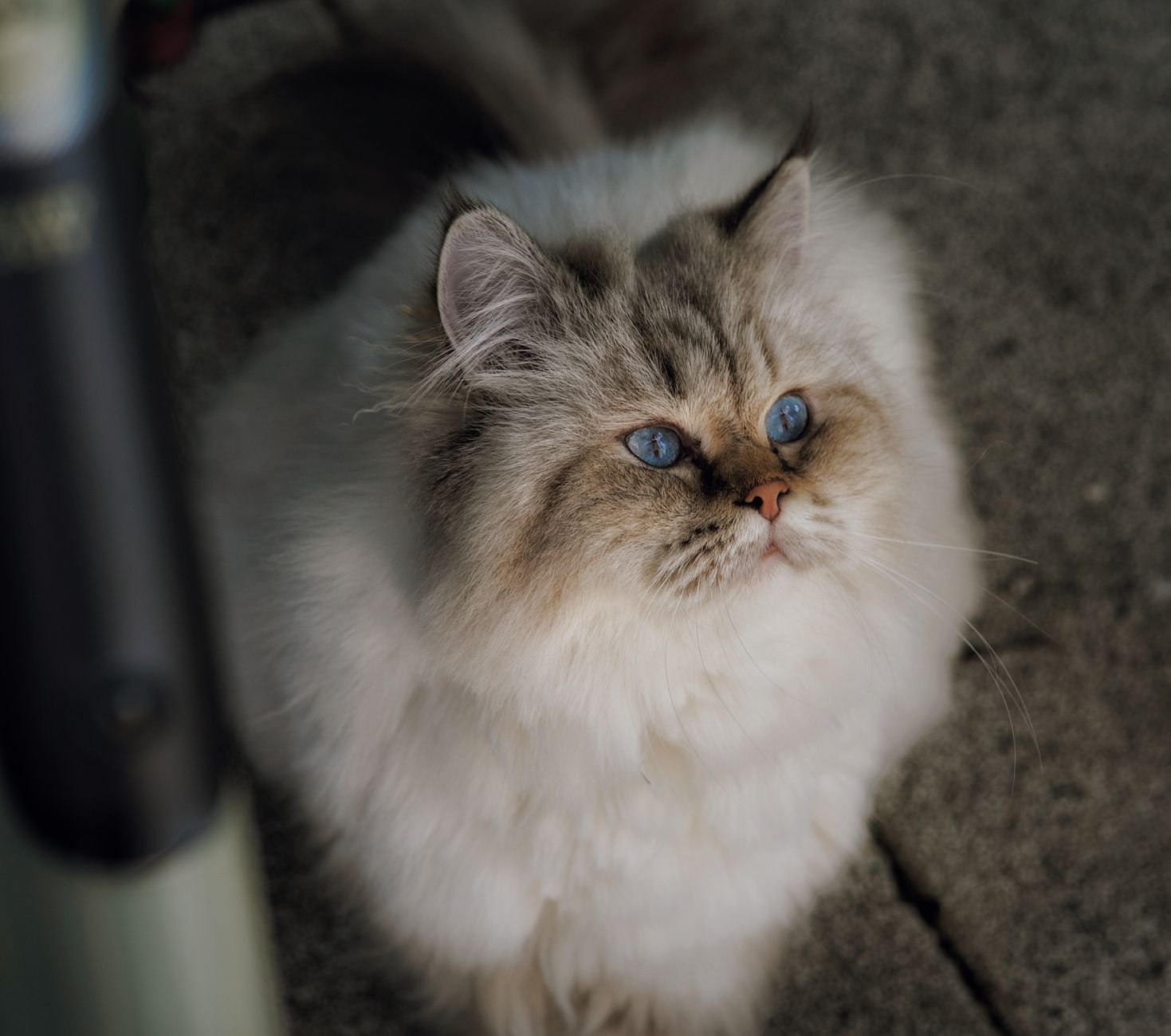
When a patient brings a long-haired cat into my clinic, the easiest way to identify a Himalayan is by looking at its face, paws, and eyes. Himalayans display point restriction, meaning they have a light-colored body with much darker color on their ears, face, paws, and tail.
This beautiful pointed pattern is actually a form of temperature-sensitive albinism. The dark pigment only develops on the cooler extremities of the cat’s body.
Persians come in an astonishing array of solid colors, tabbies, calicos, and shaded silvers, but they never have point restriction. Furthermore, true Himalayans always have brilliant blue eyes inherited from their Siamese ancestors, while Persians typically have copper, amber, or green eyes.
- Himalayan coat: Cream or white body with seal, blue, lilac, chocolate, flame, or tortie points.
- Himalayan eyes: Always a deep, brilliant copper-free blue.
- Persian coat: Dozens of color variations, including solids, bicolors, smokes, and tabbies.
- Persian eyes: Typically copper or amber, though silver and golden Persians often have green or blue-green eyes.

The Brachycephalic Head: Managing Respiratory Risks
Both Persians and Himalayans share a brachycephalic head structure, which means they have shortened facial bones and a flat face. In my clinical experience, this flat face is the direct cause of their most significant respiratory health challenges.
This structural compaction leads to narrowed nostrils, known as stenotic nares, and an elongated soft palate. These physical traits restrict airflow, making it much harder for these cats to breathe comfortably.
I always advise my clients to monitor their flat-faced cats closely in warm weather. Because they cannot pant effectively to cool down, they are highly susceptible to dangerous heatstroke.
- Stenotic nares: Pinched, narrow nostrils that limit oxygen intake.
- Elongated soft palate: Excess tissue that can partially block the windpipe.
- Tracheal hypoplasia: A narrower-than-normal windpipe, occasionally seen in extreme brachycephalic cats.
- Heat intolerance: An inability to pant effectively to cool down, raising the risk of heat stroke.
Ophthalmic Care: Keeping Oversized Eyes Healthy
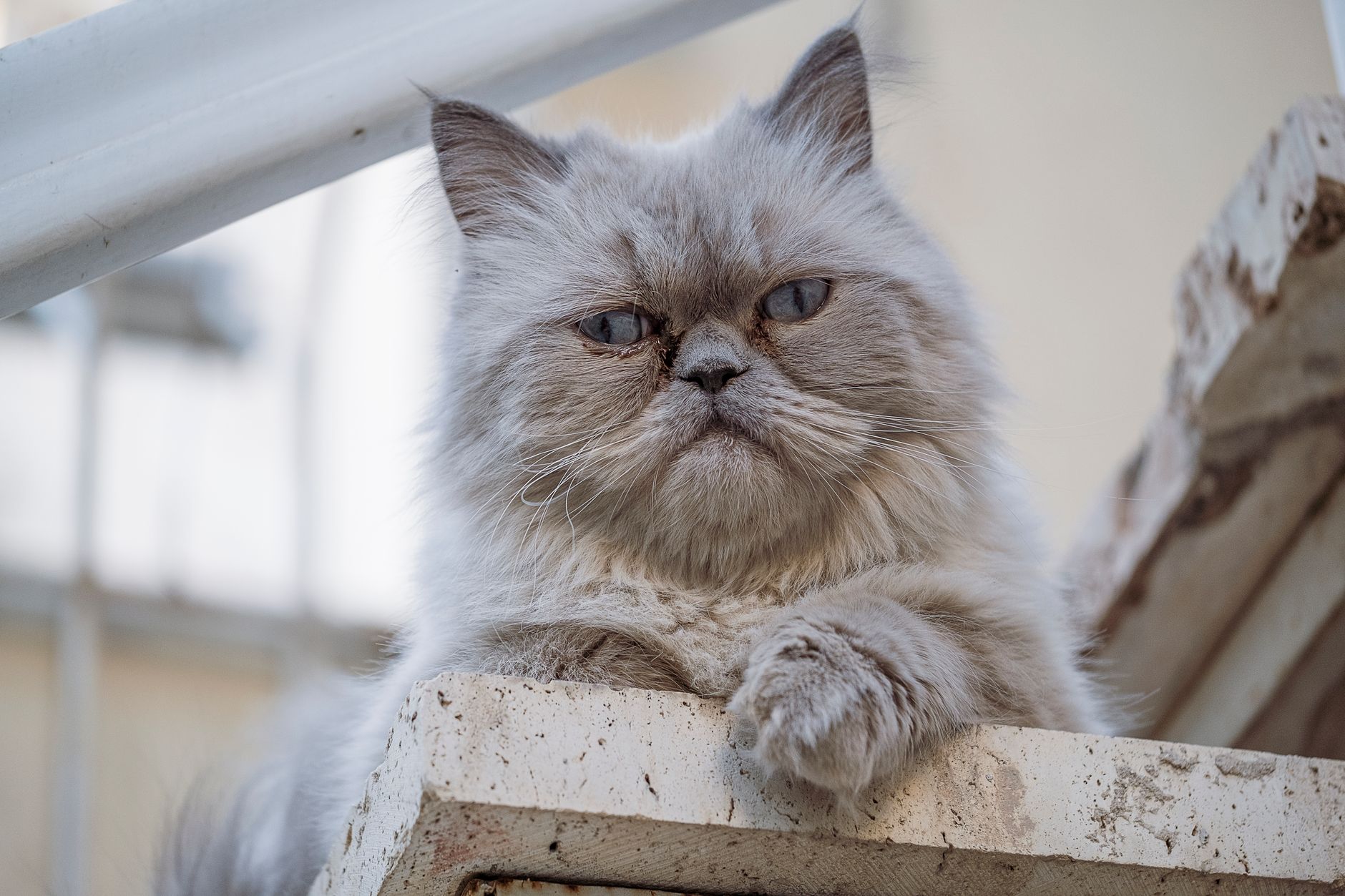
The large, round, expressive eyes of both Persians and Himalayans are undeniably beautiful, but they come with a high medical cost. Because their faces are so flat, their tear ducts are often bent, kinked, or entirely blocked.
This blockage causes a chronic overflow of tears onto the face, a condition medically known as epiphora. Over time, this constant moisture leads to dark staining and painful bacterial skin fold infections.
Furthermore, their protruding eyeballs are highly vulnerable to corneal injuries. I frequently treat these breeds for painful corneal ulcers and corneal sequestra, which often require advanced surgical intervention.
- Epiphora: Chronic tear overflow requiring daily cleaning.
- Skin fold dermatitis: Fungal or bacterial infections in the moist facial creases.
- Corneal ulceration: Painful scratches on the surface of the eye.
- Corneal sequestrum: A dark, necrotic lesion on the cornea unique to flat-faced cats.
- Entropion: Inward-rolling eyelids that cause eyelashes to rub against the eyeball.

Polycystic Kidney Disease (PKD): The Genetic Shadow
If you are considering adopting either a Persian or a Himalayan, you must understand Polycystic Kidney Disease (PKD). This is an inherited genetic mutation that causes numerous fluid-filled cysts to form in the kidneys of affected cats.
These cysts are present at birth and slowly grow larger over time, eventually destroying the surrounding healthy kidney tissue. This gradual destruction leads to chronic kidney failure, typically when the cat is between 3 and 10 years old.
Fortunately, we have highly accurate DNA testing available today. Responsible breeders screen their breeding cats, and I urge my clients to never buy a kitten unless the parents are certified PKD-negative.
- Inheritance pattern: Autosomal dominant, meaning a cat only needs one copy of the mutated gene to develop the disease.
- Diagnostic methods: DNA swab test (highly accurate) and abdominal ultrasound (typically from 10 months of age).
- Early symptoms: Increased thirst, frequent urination, weight loss, and poor coat quality.
- Management: Fluid therapy, low-phosphorus diets, and blood pressure monitoring once kidney failure begins.
Grooming Protocols: Preventing Severe Matting and Hairballs
I cannot stress this enough: neither the Persian nor the Himalayan is a low-maintenance pet. Their undercoats are incredibly dense and fine, making them prone to severe matting within 48 hours if neglected.
Mats are not just a cosmetic issue; they are a major veterinary welfare concern. Tight mats pull painfully on the delicate feline skin, causing bruising, raw sores, and severe skin infections.
Daily grooming is a non-negotiable commitment for the lifetime of these cats. You must establish a positive, gentle grooming routine from the very first week you bring your kitten home.
- Daily combing: Use a high-quality metal greyhound comb to reach the undercoat.
- Slicker brush: Use gently to remove loose guard hairs from the topcoat.
- Mat prevention: Pay close attention to high-friction areas like the armpits, groin, and behind the ears.
- Professional bathing: Bathing every 4 to 6 weeks helps manage natural coat oils and reduces matting.
- Hairball control: Weekly administration of a vet-approved hairball lubricant to prevent intestinal blockages.

Temperament Nuances: Sweet Serenity vs. Siamese Spark
In my experience handling these cats on the exam table, both breeds are generally sweet, quiet, and remarkably docile. They are classic “floor cats” rather than tree climbers, preferring a soft sofa to the top of your refrigerator.
However, I do notice a subtle behavioral difference that stems from the Himalayan’s Siamese heritage. While Persians are often content to pose like beautiful statues for hours, Himalayans tend to be slightly more vocal and interactive.
They may follow you from room to room, chirp at you for attention, and show a higher interest in interactive toys. Still, both make incredibly gentle companions for quiet households.
Environmental Enrichment for Low-Energy Cats
Even though these breeds are low-energy, they still need mental stimulation to prevent obesity and depression. I recommend horizontal scratching posts, puzzle feeders, and low-intensity interactive wand toys.
Veterinary Costs: Preparing Financially for Brachycephalic Needs
Owning a Persian or Himalayan is a significant financial commitment. Because of their unique physical structures, they tend to require more frequent medical intervention than domestic short-haired cats.
From routine genetic testing to specialized eye surgeries and regular dental care, the veterinary bills can accumulate rapidly. I always strongly recommend that my clients purchase high-quality pet insurance early in their kitten’s life.
Let’s break down some of the common medical expenses you should anticipate so you can plan your budget responsibly.
- Professional Sedated Grooming: $150 to $300 per session if severe matting occurs.
- PKD Genetic DNA Screening: $50 to $100 per test.
- Stenotic Nares Surgical Correction: $500 to $1,500.
- Corneal Sequestrum Surgery: $1,500 to $3,500.
- Chronic Kidney Disease Management: $100 to $300 monthly once diagnosed.
Frequently Asked Questions
Can you cross a Persian and a Himalayan?
Yes, breeders frequently cross Persians and Himalayans to maintain the robust body type and long coat length of the Himalayan line. Because some registries classify the Himalayan as a division of the Persian breed, these crossings are very common. The resulting offspring will carry the pointed gene, but may not display the pointed pattern unless both parents pass it down.
Are Himalayans more playful than Persians?
Generally, yes. Himalayans often inherit a touch of the active, vocal nature of their Siamese ancestors. While they are still very calm compared to most other cat breeds, they tend to be slightly more curious and interactive than classic Persians.
Why does my Persian or Himalayan have brown tear stains?
The flat facial structure of brachycephalic cats kinks their tear ducts, preventing tears from draining naturally into the nose. The overflowing tears contain porphyrins, which turn reddish-brown when exposed to air. Daily wiping with a veterinary-safe eye wipe is necessary to prevent skin infections.
Do Persians and Himalayans shed a lot?
Yes, they shed excessively year-round, with heavier shedding during seasonal changes. Without daily combing, the shed undercoat becomes trapped in the topcoat, quickly creating painful mats. Regular bathing and professional grooming help manage the shedding.
What is the average lifespan of these breeds?
With proper veterinary care, indoor-only Persians and Himalayans can live between 12 and 15 years. However, their lifespan can be shortened by hereditary conditions like PKD or hypertrophic cardiomyopathy if they are not screened properly. Regular senior wellness exams are critical after age seven.
How can I tell if my flat-faced cat is struggling to breathe?
Watch for open-mouth breathing, loud snoring, wheezing, or a chest that moves rapidly while resting. If your cat’s gums look pale or blue-tinged, or if they pant after minor activity, they need immediate veterinary attention. Keep your home cool and air-conditioned during hot summer months to prevent respiratory crises.
Sources & Further Reading
Final Thoughts
Ultimately, whether you choose a Persian or a Himalayan, you are welcoming an incredibly sweet, gentle, and visually stunning companion into your home. However, you must be fully prepared for the intensive grooming schedule and potential veterinary expenses that come with their unique anatomy.
As a veterinarian, my highest priority is ensuring that these beautiful flat-faced cats live comfortable, pain-free lives. Partnering with a trusted veterinarian and choosing a responsible, DNA-screening breeder are the absolute best ways to set your cat up for success.
Treat them with the specialized care they deserve, and they will reward you with years of quiet, loving companionship.