
Yorkshire Terrier Breed Guide

Quick Summary
A brave, vivacious, and intensely loyal companion, the Yorkshire Terrier packs a massive ‘big dog’ personality into a tiny, elegant frame. Perfect for apartment dwellers and dedicated owners who can commit to regular grooming, they offer unmatched devotion and alert companionship.
Quick Facts
- origin countryUnited Kingdom
- breed groupToy
- sizeToy
- weight range4 to 7 pounds
- height range7 to 8 inches
- lifespan11 to 15 years
- coat typeLong, silky, fine, single coat (similar to human hair)
- common colorsBlue & Tan, Blue & Gold, Black & Gold, Black & Tan
- other namesYorkie
- recognized byAKC, UKC, KC, FCI
Caring for a Yorkshire Terrier
In my years working with Yorkies, I’ve found that day-to-day life is a delightful blend of lively play and lap-cuddling. They are highly integrated into your home’s daily flow, often acting like little shadows that follow you from room to room. I always tell owners to secure their homes, as these tiny adventurers can easily slip through incredibly small gaps or hurt themselves jumping off high furniture. Daily exercise is necessary, but it can easily be accomplished indoors or with short walks around the block.
Is a Yorkshire Terrier a good family pet?
Yes, but I recommend them primarily for families with older, respectful children. Because of their tiny size and fragile bones, a Yorkie can easily be injured by clumsy toddlers or accidental drops.
Do Yorkshire Terriers shed a lot?
Hardly at all. Their single coat acts much like human hair and sheds minimally, making them a fantastic choice for allergy sufferers, though they require daily brushing to prevent mats.
Is a Yorkshire Terrier good for first-time owners?
They can be, provided the owner is committed to grooming and consistent boundaries. In my experience, first-time owners who treat them like pampered babies rather than dogs often struggle with stubborn behaviors.
Temperament & Personality

The Yorkie is a true terrier at heart: brave, determined, and occasionally bossy. They do not realize they weigh less than ten pounds and will proudly stand up to dogs ten times their size. Despite their feisty nature, they are incredibly affectionate and crave close human contact, making them superb companion dogs.
Is a Yorkshire Terrier good with other pets?
They generally get along well with other household pets if socialized early. However, in my experience, their bold terrier nature means they may try to boss around larger dogs, which requires careful supervision.
How much attention does a Yorkshire Terrier need?
A lot. Yorkies are highly companion-oriented and do not do well when left alone for long periods, which can lead to separation anxiety and destructive habits.
Training & Behavior
Yorkies are highly intelligent and capable of learning complex tricks, but they possess a typical terrier stubbornness. I’ve found that they respond best to positive reinforcement, fun challenges, and very clear, consistent boundaries. Because of their small bladders, housebreaking often requires extra patience, puppy pads, or a very strict schedule.
Training Tips
- Keep training sessions short, fun, and highly rewarding.
- Use tiny, high-value treats to avoid overfeeding.
- Be extremely consistent with housebreaking rules from day one.
- Socialize early to prevent excessive alarm-barking at strangers.
Fun Activities
- Agility courses scaled for toy breeds
- Nosework and puzzle-toy games
- Learning complex trick routines
- Interactive indoor fetch with lightweight toys
Is a Yorkshire Terrier easy to train?
They are highly intelligent and quick to learn commands, but their stubborn streak means they require a patient, confident trainer. I always warn owners that housebreaking can take longer than it would with larger breeds.
Yorkshire Terrier Health Issues
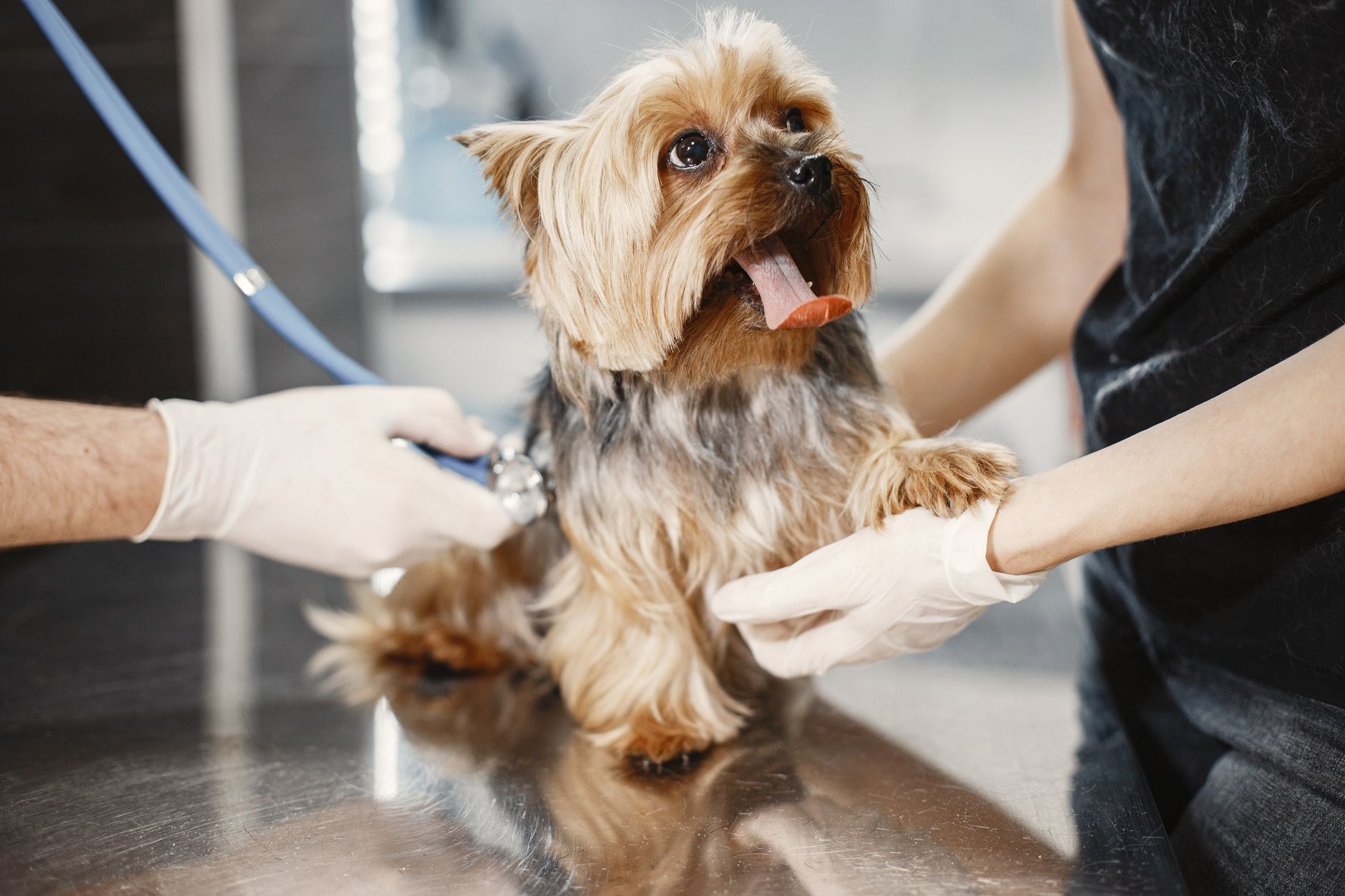
While Yorkies are generally robust and long-lived, their delicate frames make them susceptible to specific structural and genetic conditions. Regular veterinary checkups, maintaining a lean weight, and preventing high jumps are critical to protecting their health.
Patellar Luxation
A common condition in toy breeds where the kneecap slips out of its anatomical groove.
Tracheal Collapse
The weakening of the cartilaginous rings in the windpipe, causing the airway to narrow during breathing.
Portosystemic Shunt (PSS)
An abnormal blood vessel that causes blood from the digestive tract to bypass the liver, preventing toxins from being filtered.
Severe Dental Disease
Because of their tiny mouths, teeth are crowded together, rapidly accumulating plaque and tartar.
Hypoglycemia
A rapid drop in blood sugar levels, most common in young Yorkie puppies under stress.
How long do Yorkshire Terriers typically live?
Yorkies are a long-lived breed, typically living between 11 and 15 years, though it is not uncommon for healthy individuals to reach 16 or 17 years with excellent care.
What to Feed a Yorkshire Terrier
Because of their fast metabolism and tiny stomachs, Yorkies need high-quality, nutrient-dense kibble designed specifically for toy breeds. Owners must watch portions closely, as even an extra half-ounce of weight can strain a Yorkie’s joints and spine.
Best Diet
I highly recommend a premium, small-breed-specific dry kibble. The small kibble size is crucial for easy chewing and helps scrub plaque off their crowded teeth.
How to Feed
Feed adult Yorkies two to three small, scheduled meals a day. Puppies need to be fed three to four times daily to keep their blood sugar levels stable.
How Much to Feed
Typically, an adult Yorkie requires between 1/4 to 1/2 cup of dry food per day, divided into meals. Always consult your vet to tailor portions to your dog’s exact weight and activity level.
Nutritional Tips
Avoid table scraps completely, as Yorkies are highly prone to acute pancreatitis. Ensure fresh water is always available, and keep treats to less than 10% of their daily caloric intake.
Yorkshire Terrier Grooming Guide
Grooming a Yorkie is a significant commitment. Their beautiful hair grows continuously and will mat easily unless brushed daily or kept clipped short.
Coat Care
Brush their coat daily with a pin brush if kept long, and bathe them every one to two weeks with high-quality dog shampoo and conditioner. Many owners opt for a low-maintenance ‘puppy cut’ every 4-6 weeks.
Skin Care
Their skin can be prone to dryness and irritation, so always rinse shampoo completely and use a moisturizing conditioner.
Eye Care
Wipe the eye area daily with a warm, damp cloth to prevent tear staining and remove crust that can accumulate in the fine hair around the eyes.
Ear Care
Check ears weekly for wax buildup, and gently pluck or trim excess hair from inside the ear canal to prevent yeast infections.
Nail & Dental Care
Brush their teeth daily with dog-safe toothpaste to combat dental disease. Trim their fast-growing nails every 3 to 4 weeks.
Considerations for Pet Parents
Pros
- Exceptional apartment and small-space dog
- Very low-shedding and hypoallergenic qualities
- Highly alert and makes a wonderful watchdog
- Deeply affectionate and loyal to their owners
- Highly portable and easy to travel with
Cons
- High-maintenance grooming requirements
- Can be difficult to fully housebreak
- Prone to excessive barking if untrained
- Fragile frame vulnerable to accidental injury
Best For
The ideal owner is an attentive individual or family with older kids, who lives in an apartment or house, and wants a constant, loving companion they can actively groom and train.
Not Recommended For
I do not recommend them for busy households where the dog will be left alone for 8+ hours a day, or families with very active toddlers who might accidentally drop or step on them.
Cost
- purchase price$1,200 to $3,500+
- monthly cost$100 to $200 (higher if utilizing professional groomers)
- initial setupPlan for $500 to $1,000 for veterinary exams, high-quality harness, dental care kits, crates, and specialized grooming tools.
Similar Breeds

Silky Terrier
Maltese
Yorkshire Terrier FAQs
How do I stop my Yorkie from barking so much?
In my experience, consistency is key. Teach the ‘Quiet’ command using positive reinforcement, avoid shouting back (which they mistake for barking along), and ensure they have plenty of mental stimulation to prevent boredom-induced barking.
Are Yorkies hypoallergenic?
While no dog is 100% hypoallergenic, Yorkies are very close. They have a single coat of hair rather than fur, which produces very little dander and sheds minimally, making them highly tolerable for many allergy sufferers.
Why is my Yorkie shaking or shivering?
Yorkies lack an undercoat and have very little body fat, making them highly sensitive to cold. Shivering can also be caused by intense excitement, anxiety, or in more serious cases, a sudden drop in blood sugar (hypoglycemia).
When do Yorkie ears stand up?
Typically, a Yorkie’s ears will begin to stand up naturally between 3 and 6 months of age. If they remain floppy, shaving the heavy hair off the tips of the ears can reduce the weight and help the cartilage support them.
Why does my Yorkie have a goose-honking cough?
This is a classic symptom of tracheal collapse, a common issue in toy breeds where the windpipe temporarily flattens. I always tell owners to use a harness instead of a collar to prevent putting pressure on the airway, and to consult a vet if coughing persists.
Can Yorkies be left alone for 8 hours?
No, I do not recommend leaving a Yorkie alone for an entire work day. Their tiny bladders cannot hold it that long, and their highly social nature makes them prone to severe separation anxiety, which can manifest as destructive chewing or howling.
What is a Teacup Yorkie?
A ‘Teacup’ Yorkie is not an official breed, but a marketing term used for Yorkies bred to be exceptionally small (usually under 4 pounds). In my experience, these dogs are prone to severe, expensive health issues and should be approached with extreme caution.
Do Yorkies like to cuddle?
Absolutely. While they have a high-energy side, they are deeply affectionate and love nothing more than burrowing under blankets or curling up on their owner’s lap for hours.
Why is my Yorkie so hard to potty train?
Yorkies have tiny bladders and a stubborn streak. If it is cold or raining outside, they will actively avoid going out. Using a consistent schedule, positive reinforcement, and a covered outdoor potty spot can help dramatically.
Do Yorkies change color as they grow?
Yes, dramatically. Yorkie puppies are born black and tan. Over the first two years of life, their coat will gradually lighten and transition to their adult steel blue and rich tan coloring.
Should I use a harness or a collar on my Yorkie?
I always recommend using a harness. Because Yorkies are prone to tracheal collapse, pulling on a traditional collar can easily damage their delicate windpipe.
Why does my Yorkie lick everything?
Yorkies often lick to show affection, soothe themselves, or explore their environment. However, excessive licking can be a sign of anxiety, nausea, or a lack of sensory stimulation, which should be discussed with a vet.