
Russian Black Breed Guide

Quick Summary
As a veterinarian who has treated several of these striking felines, I can tell you the Russian Black is an intelligent, affectionate, and relatively rare variant of the Russian Blue. They share the same gentle demeanor and plush coat as their blue counterparts, making them wonderful companions for owners who appreciate a quiet yet deeply bonded pet.
Quick Facts
- origin countryRussia
- breed groupNatural Breed / Shorthair
- sizeMedium
- weight range7-12 lbs
- height range9-10 inches
- lifespan15-20 years
- coat typeDense, double coat
- common colorsSolid black
- other namesBlack Russian
- recognized byWCF, various independent registries (often grouped with Russian Blue variants)
Caring for a Russian Black
In my years treating this breed, I have found them to be remarkably adaptable yet sensitive to changes in their environment. Day-to-day life with a Russian Black involves appreciating their preference for a calm, predictable household and a structured routine. What I see most often in practice is that they form intense attachments to their chosen humans, often acting as your shadow around the house. Because of their dense double coat, weekly brushing is usually sufficient, but you should always consult your vet if you notice sudden changes in coat quality.
Is a Russian Black a good family pet?
Yes, they generally do very well in calm families, especially with older children who understand how to respect a cat’s boundaries. In my practice, I always advise introducing them slowly to bustling households, as loud noises and chaotic environments can stress them out.
Do Russian Blacks shed a lot?
Despite their plush double coat, they are moderate shedders and produce slightly less Fel d 1 protein than some other breeds, though they are not truly hypoallergenic. Weekly brushing easily manages loose hairs and keeps their midnight coat looking sleek.
Is a Russian Black good for first-time owners?
They make fantastic pets for first-time owners because of their gentle, quiet nature and litter-box reliability. I always tell new owners to match the cat’s serene energy and provide plenty of vertical territory for them to feel secure.
Temperament & Personality
What stands out most about the Russian Black’s personality is their delicate balance of playful intelligence and reserved independence. They can be slightly shy with unfamiliar visitors, but with their family, they are intensely loyal, sweet-natured, and affectionate. In my clinic, they are often the patients who observe everything quietly from the examination table before offering a gentle purr.
Is a Russian Black good with other pets?
They generally coexist peacefully with other cats and cat-friendly dogs if properly socialized from a young age. Because they can be easily startled, I always recommend slow, supervised introductions to prevent behavioral stress.
How much attention does a Russian Black need?
While they are independent enough to keep themselves entertained while you are at work, they deeply cherish interactive playtime when you return. Neglecting their need for mental stimulation can lead to boredom, so puzzle toys are a great investment.
Training & Behavior
Russian Blacks are remarkably smart and can easily be trained to use scratching posts, walk on a leash, or play fetch. Their sensitivity means they respond poorly to harsh corrections, so positive reinforcement is the only way to go. I always suggest keeping training sessions short, sweet, and rewarding.
Training Tips
- Use positive reinforcement like treats
- Keep sessions short and engaging
- Introduce leash training early
- Provide puzzle feeders for mental exercise
Fun Activities
- Interactive wand toys
- Learning fetch
- Clicker training
- Agility courses for cats
- Bird watching from a secure window perch
Is a Russian Black easy to train?
Yes, their high intelligence makes them quite receptive to learning household rules and tricks. If you use treats and praise, you will find them eager participants in clicker training.
Russian Black Health Issues
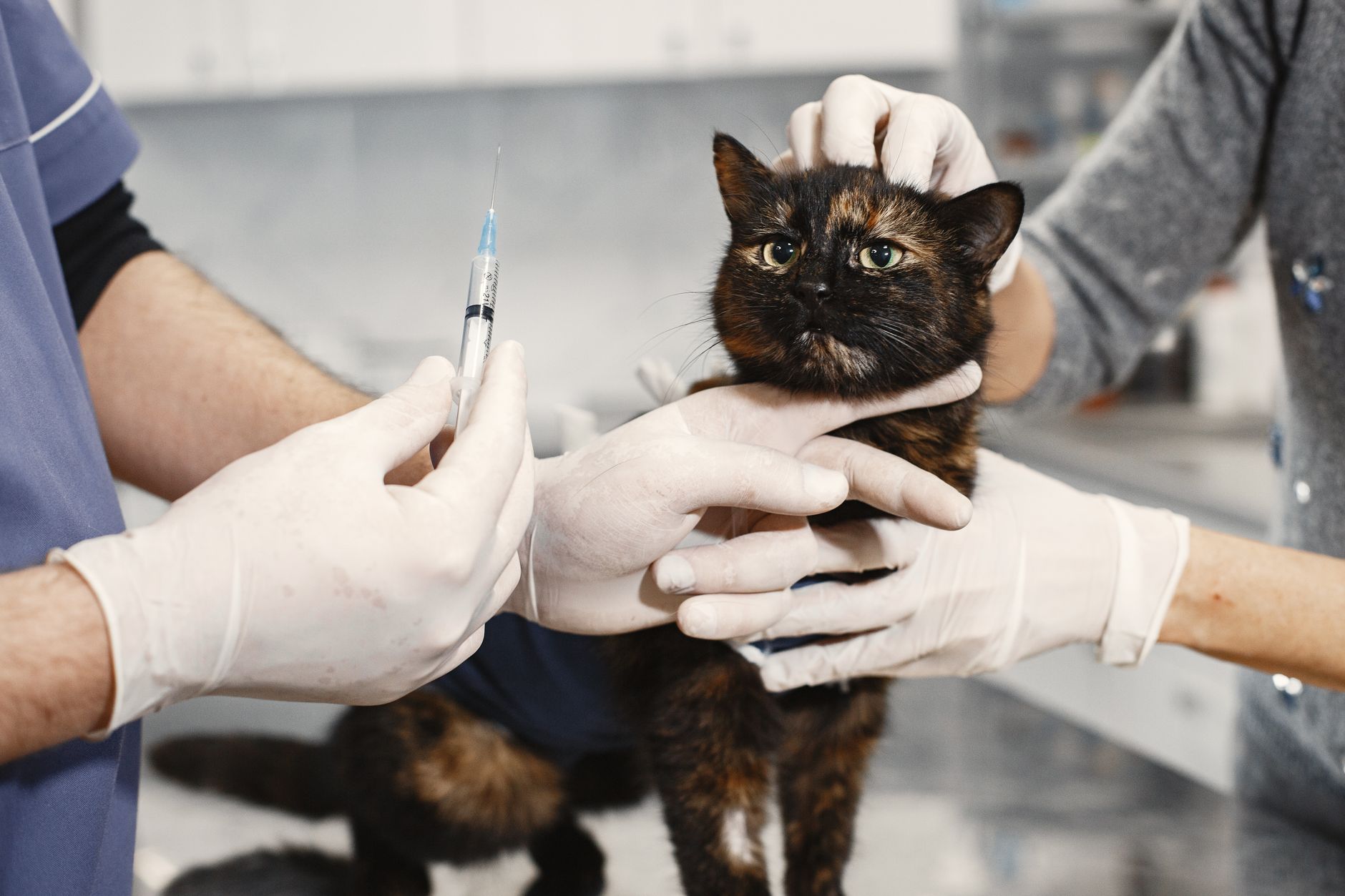
In my veterinary experience, Russian Blacks are generally a robust, long-lived natural breed with few hereditary health issues. However, like any purebred cat, they require regular wellness exams and preventative care to catch age-related conditions early.
Dental Disease
Like many shorthaired breeds, tartar buildup and gingivitis are common concerns as they age if dental hygiene is neglected. Regular brushing and professional dental cleanings are vital to prevent tooth root infections and systemic health issues.
Obesity
Because they can be somewhat sedentary indoor pets, they are prone to excessive weight gain if their portions are not monitored carefully. Obesity puts extra strain on their joints and increases the risk of feline diabetes.
Urinary Tract Issues
Feline lower urinary tract disease (FLUTD) can occur in any cat, particularly those that are under-exercised or overweight. Ensuring adequate hydration through wet food and fresh water fountains is key.
How long do Russian Blacks typically live?
They are a remarkably hardy breed, with a typical lifespan ranging from 15 to 20 years. Routine veterinary check-ups and a high-quality diet are the best ways to ensure a long, healthy life.
What to Feed a Russian Black
Proper nutrition is the cornerstone of keeping your Russian Black’s midnight coat glossy and their joints healthy. I always tailor dietary advice to the individual cat’s age, weight, and activity level.
Best Diet
A high-protein, balanced commercial cat food (either high-quality kibble combined with canned wet food) is ideal to support their lean muscle mass and urinary tract health.
How Much to Feed
Portions vary based on age and metabolic rate, but an average adult Russian Black typically requires around 200-250 calories daily; consult your vet for precise gram measurements.
Nutritional Tips
Always provide fresh, clean water daily, and consider incorporating puzzle feeders to satisfy their natural hunting instincts and prevent rapid eating.
Russian Black Grooming Guide
Grooming a Russian Black is delightfully straightforward thanks to their plush, dense double coat. Regular grooming sessions are also a wonderful way to bond with your sensitive feline companion.
Coat Care
Brush their coat once a week with a slicker brush or rubber curry brush to remove loose hairs and distribute natural skin oils. During seasonal shedding periods, you may need to increase this to two or three times a week.
Skin Care
Their skin is generally resilient, but keep an eye out for any flakiness or irritation, which can occasionally signal dietary imbalances.
Eye Care
Check their eyes weekly for any normal debris buildup and wipe gently with a damp, soft cloth if needed.
Ear Care
Check ears weekly for wax accumulation or signs of mites, and clean gently with a vet-approved ear cleaner only when necessary.
Nail & Dental Care
Trim their claws every 2 to 3 weeks and aim to brush their teeth several times a week with pet-safe toothpaste to prevent periodontal disease.
Considerations for Pet Parents
Pros
- Intelligent and easy to train
- Gentle, quiet demeanor
- Low-maintenance coat care
- Long lifespan
- Deeply affectionate with family
Cons
- Reserved around strangers
- Sensitive to household stress
- Prone to boredom if unstimulated
- Relatively rare and hard to find
- Can become overweight easily
Best For
Calm, patient owners looking for a deeply loyal, intelligent companion who appreciates a peaceful home environment.
Not Recommended For
Active, chaotic households with constant loud noises and frequent unfamiliar visitors that might overwhelm a sensitive cat.
Cost
- purchase price$1,000 – $2,500+
- monthly cost$40 – $80
- initial setup$200 – $500 for initial supplies, vaccinations, microchipping, and spay/neuter surgery.
Similar Breeds

Russian Black FAQs
Are Russian Blacks hypoallergenic?
No cat is entirely hypoallergenic, but Russian Blacks produce slightly lower levels of the Fel d 1 protein compared to many other breeds. Some allergy sufferers find they can tolerate them better, though you should always spend time with one before adopting if you have severe allergies.
What is the difference between a Russian Black and a Russian Blue?
Genetically and structurally, they are essentially the same cat, with the primary difference being coat color. While the Russian Blue features the iconic silver-blue coat, the Russian Black sports a striking, solid black coat.
Are Russian Blacks vocal cats?
Generally speaking, they are quite quiet. When they do vocalize, it is usually a soft, melodious chirp rather than a loud meow.
Do Russian Blacks like to cuddle?
Yes, once they bond with you, they are affectionate and love snuggling on the couch. However, they tend to be dignified and may not constantly demand attention like some other breeds.
Can Russian Blacks be kept strictly indoors?
Absolutely, and as a veterinarian, I strongly recommend keeping them indoors to protect them from traffic, diseases, and predators. With enough interactive toys and vertical space, they thrive wonderfully inside.
Do they get along with dogs?
They can coexist peacefully with calm, cat-friendly dogs if introduced properly. Their cautious nature means they will likely keep their distance from high-energy dogs until they feel secure.
How active are Russian Blacks?
They have a moderate activity level, enjoying bursts of playful energy followed by long naps. They are not overly hyperactive, making them great apartment pets.
Do Russian Blacks require any special grooming tools?
A standard rubber grooming brush or a fine-toothed metal comb is usually all you need for their plush double coat. Avoid harsh wire brushes that could scratch their sensitive skin.
Are Russian Blacks good travel companions?
Because of their sensitive nature, most Russian Blacks prefer routine and home comforts over travel. If you must travel, train them to their carrier early with positive reinforcement.
How do I find a reputable Russian Black breeder?
Look for registered catteries that health-test their breeding stock, allow you to see the kitten’s environment, and prioritize temperament alongside breed standards.
At what age do Russian Blacks reach full maturity?
They typically reach their full physical size and coat development around two years of age, though their mental maturity often continues to blossom into adulthood.
Do Russian Blacks suffer from any genetic disorders?
They are generally very healthy with a low incidence of inherited disorders. Routine veterinary care is usually sufficient to catch any routine age-related ailments.