
Exotic Longhair Breed Guide

Quick Summary
In my years treating this breed, I have found the Exotic Longhair to be the ultimate plush companion, combining the laid-back, affectionate nature of the Persian with a slightly more playful streak and a denser coat. They are best suited for owners who want a deeply devoted lap cat and are willing to commit to daily grooming and routine veterinary health checks. What I see most often in practice is a gentle, quiet soul that forms an unbreakable bond with its human family.
Quick Facts
- origin countryUnited States
- breed groupLonghair/Persian relative
- sizeMedium
- weight range7-12 pounds
- height range10-15 inches
- lifespan12-15 years
- coat typeDense, plush, semi-long coat with a thick undercoat
- common colorsAll colors and patterns recognized, including solid, tabby, tortoiseshell, and colorpoint
- other namesPrice-style Persian, Longhaired Exotic Shorthair
- recognized byCFA, TICA
Caring for a Exotic Longhair
In my veterinary practice, day-to-day life with an Exotic Longhair is characterized by peaceful companionship and a moderate need for human interaction. They are not notoriously high-energy climbers, preferring instead to lounge on the sofa, your bed, or right beside you while you work. However, their gorgeous plush coats require a dedicated daily brushing routine to prevent painful matting and hairballs. I always tell owners that setting aside 15 minutes each day for grooming transforms a chore into a wonderful bonding ritual.
Is a Exotic Longhair a good family pet?
Yes, they are exceptionally gentle and patient, making them wonderful companions for families with older children who respect a cat’s boundaries. Because they are not overly rambunctious, they thrive in calmer households where they won’t be constantly startled. Always supervise interactions between young children and flat-faced cats to ensure gentle handling.
Do Exotic Longhairs shed a lot?
Despite their plush, manageable length compared to a traditional Persian, Exotic Longhairs do shed year-round with heavier seasonal blowouts in the spring and fall. Regular daily brushing is essential to capture loose undercoat fur before it ends up on your furniture or inside their digestive tract as hairballs. Consult your vet about specialized anti-hairball diets if shedding becomes a major internal concern.
Is a Exotic Longhair good for first-time owners?
They make fantastic pets for first-time cat owners who are prepared for the grooming and health maintenance associated with brachycephalic breeds. Their docile, forgiving temperaments mean they are easy to live with, provided you stay on top of daily coat care and routine veterinary exams. If you have any doubts about managing their facial folds or coat, your veterinarian can demonstrate proper techniques during your first visit.
Temperament & Personality
The temperament of the Exotic Longhair is famously sweet, quiet, and devoted, leaning heavily on its Persian ancestry. In my clinic, these cats are remarkably well-behaved patients, rarely hissing and preferring to lean into a comforting hand for reassurance. They possess a subtle curiosity and a playful side that persists well into adulthood, often enjoying a gentle game with a wand toy before returning to their favorite resting spot.
Is a Exotic Longhair good with other pets?
In my experience, they generally get along wonderfully with other easygoing cats and cat-friendly dogs. Because they are non-confrontational and placid, aggressive or overly energetic pets can overwhelm them, so slow, supervised introductions are always recommended. Ensure they have quiet vertical spaces to retreat to if they need a break from household hustle.
How much attention does a Exotic Longhair need?
They are deeply bonded to their humans and prefer not to be left alone for long, consecutive hours day after day. While they aren’t overly demanding or prone to destructive pacing, they will follow you from room to room just to be in your presence. I always advise owners with busy work schedules to ensure they provide plenty of interactive affection when they are home.
Training & Behavior
While you won’t be teaching an Exotic Longhair complex agility courses, their gentle and food-motivated nature makes basic litter box and scratching post training a breeze. What I see most often in practice is that they respond best to positive reinforcement, gentle praise, and soft tones. They are intelligent enough to learn routines quickly, but their laid-back attitude means they may simply choose to ignore commands that don’t align with their nap schedule.
Training Tips
- Use positive reinforcement with tasty treats
- Keep training sessions short and gentle
- Introduce brushing routines gradually as a kitten
- Provide stable scratching posts early on
Fun Activities
- Chasing lightweight feather wands
- Batting at rolling ball-track toys
- Lounging in sunlit window perches
- Solving easy puzzle feeders for treats
Is a Exotic Longhair easy to train?
Yes, for basic household manners, they are quite easy to guide because they are eager to please and not prone to destructive rebellion. However, don’t expect obedience-trial levels of precision; they are cats doing you the favor of listening. Consult your veterinarian or a feline behaviorist if you encounter stubborn litter box or behavioral changes, as these can signal underlying medical issues.
Exotic Longhair Health Issues
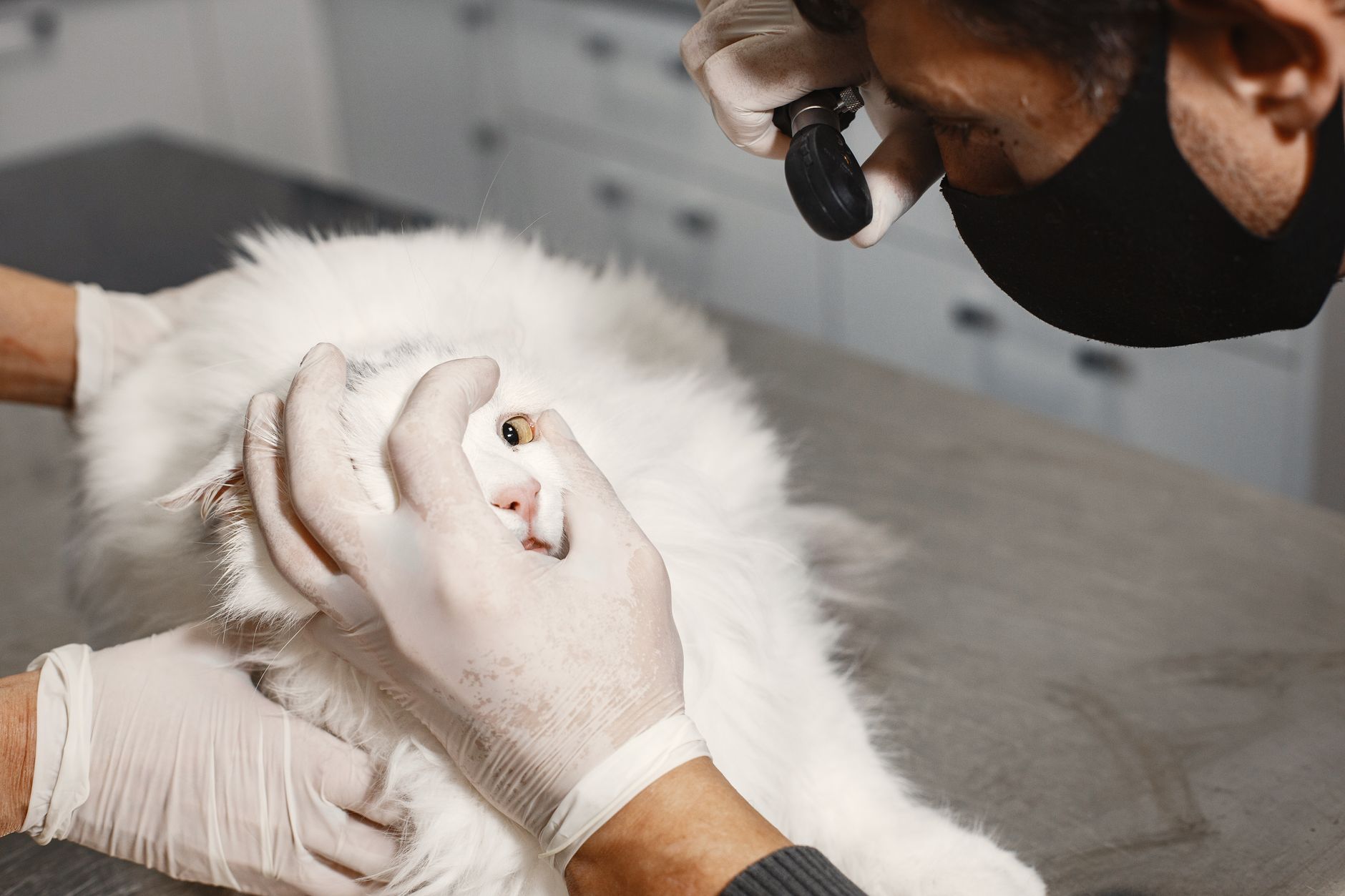
Due to their brachycephalic (flat-faced) head shape and Persian lineage, Exotic Longhairs require proactive veterinary oversight to manage breed-specific predispositions. In my years treating this breed, routine wellness exams and early diagnostic screenings are the absolute best defense against chronic issues. While they can live long, healthy lives, owners must remain vigilant about respiratory, dental, and renal health.
Polycystic Kidney Disease (PKD)
An inherited genetic condition that causes multiple fluid-filled cysts to form in the kidneys, gradually enlarging them and impairing kidney function over time. Genetic DNA testing is widely available to identify carriers before breeding.
Brachycephalic Airway Syndrome
A combination of anatomical abnormalities, including narrowed nostrils and an elongated soft palate, that can make breathing more labored, especially in warm or stressful environments. Keeping your cat at an ideal weight is crucial to minimizing respiratory strain.
Feline Hypertrophic Cardiomyopathy (HCM)
The most common heart disease in cats, characterized by the thickening of the left ventricular wall, which reduces the heart’s pumping efficiency. Echocardiograms performed by a veterinary cardiologist can detect this condition early.
Idiopathic Facial Dermatitis
A skin condition causing heavy, dark exudate to accumulate in facial folds, leading to inflammation and secondary infections if not cleaned regularly. Daily hygienic maintenance is the cornerstone of prevention.
How long do Exotic Longhairs typically live?
With proper indoor care, high-quality nutrition, and proactive veterinary management, Exotic Longhairs typically live between 12 and 15 years. Regular geriatric bloodwork starting around age seven helps us catch age-related organ decline early. Always partner with your veterinarian to establish a tailored wellness schedule for your specific cat.
What to Feed a Exotic Longhair
Feeding an Exotic Longhair requires attention to their unique facial structure and propensity for weight gain once they settle into a sedentary adult lifestyle. I always tell owners to choose kibble shapes that are easier for flat-faced cats to scoop up, or incorporate high-moisture wet food to support urinary tract health. Proper portion control is your best tool for preventing obesity-related joint and respiratory strain.
Best Diet
A high-protein, high-moisture diet tailored to indoor, middle-aged, or senior life stages, depending on your cat’s exact age and medical profile.
How to Feed
Provide scheduled meals twice a day using shallow ceramic or stainless-steel bowls to prevent whisker fatigue and facial chafing.
How Much to Feed
Follow the caloric guidelines on your pet food packaging based on ideal body weight, and consult your veterinarian for exact gram measurements tailored to your cat’s metabolism.
Nutritional Tips
Incorporate omega-3 fatty acids to support coat luster and skin barrier health, and consider therapeutic dental kibbles if approved by your veterinarian.
Exotic Longhair Grooming Guide
Grooming is the single most important maintenance requirement for owning an Exotic Longhair, demanding a daily time investment from the owner. Their dense, plush double coat traps loose hairs easily, which can rapidly transform into painful pelts if neglected. What I see most often in practice are matted cats requiring emergency sedation and clipping if owners fall behind on routine brushing.
Coat Care
Comb daily with a wide-toothed metal comb and slicker brush down to the skin, paying special attention to friction zones like the armpits and collar area.
Skin Care
Inspect and gently wipe facial folds daily with a damp, unscented cloth to prevent moisture accumulation and bacterial or yeast dermatitis.
Eye Care
Clean tear staining daily using a vet-approved saline wipe, as their prominent eyes tend to produce excess moisture.
Ear Care
Check and clean ears weekly using a veterinary ear cleaner on a cotton ball to remove wax buildup and check for signs of mites or infection.
Nail & Dental Care
Trim nails every 2 to 3 weeks and brush teeth daily with poultry-flavored feline toothpaste to combat periodontal disease.
Considerations for Pet Parents
Pros
- Exceptionally affectionate and gentle temperament
- Quieter vocalization profile
- Beautiful, plush coat and sweet facial expression
- Adapts wonderfully to indoor-only living
- Gets along well with respectful pets and older children
Cons
- Requires intense, non-negotiable daily grooming
- Prone to breed-specific health issues like PKD and brachycephalic challenges
- Moderate-to-high shedding year-round
- Dislikes being left alone for extended periods
- Sensitive to warm, humid environments
Best For
Calm, patient owners who work from home or have flexible schedules, and who view daily grooming as a relaxing bonding ritual rather than a chore.
Not Recommended For
Busy households with little free time, owners looking for an ultra-athletic or high-energy adventure cat, or those unwilling to maintain strict daily medical and grooming hygiene.
Cost
- purchase price$1,500 – $3,500 USD
- monthly cost$80 – $150 USD
- initial setupIncludes high-end grooming tools, veterinary wellness exam, DNA testing for PKD, and microchipping.
Similar Breeds

Exotic Longhair FAQs
Are Exotic Longhairs hypoallergenic?
No, they are not hypoallergenic. In fact, their dense coats and high shedding levels mean they produce significant amounts of dander, making them a poor choice for allergy sufferers. Regular bathing and brushing can help reduce airborne allergens slightly, but sensitive individuals should spend time with the breed before adopting.
Do Exotic Longhairs need to be bathed?
Yes, occasional baths are often necessary to keep their plush coats free of grease, dander, and debris, especially since their flat faces can lead to food buildup around the chin. Many owners introduce bathing in warm water with feline-safe shampoo during kittenhood so the cat learns to tolerate the process. Consult your groomer or veterinarian for the ideal bathing frequency for your individual cat.
Can Exotic Longhairs go outside?
Due to their gentle, trusting nature, lack of strong survival instincts, flat facial structure, and high-value coats, Exotic Longhairs are strictly suited for indoor-only living. Allowing them outdoors exposes them to extreme weather, parasites, theft, and predators they are ill-equipped to handle. Safe outdoor enrichment can be provided via a secure catio or stroller walks.
Why do Exotic Longhairs have flat faces?
Their flat faces are the result of selective breeding for the brachycephalic standard shared with their Persian ancestors. While this gives them their iconic, sweet doll-like expression, it also contributes to anatomical quirks like narrowed tear ducts and respiratory considerations. Responsible breeders prioritize health and open airways alongside aesthetic standards.
How do I stop my Exotic Longhair from getting mats?
Preventing mats requires 10 to 15 minutes of daily combing with a metal greyhound comb, making sure you reach all the way down to the skin at the root of the hair. Brushing only the top layer of fur will leave hidden mats near the skin that quickly worsen into painful pelts. If a mat becomes too tight, never cut it out with scissors; instead, gently tease it apart or have a professional groomer clip it safely.
Are Exotic Longhairs prone to eye problems?
Yes, because of their prominent eyes and compressed facial structure, they are prone to conditions like excessive tearing (epiphora), corneal ulcers, and entropion (where eyelids roll inward). Daily wiping with sterile saline wipes helps manage normal discharge, but any squinting or cloudiness warrants an immediate veterinary exam.
Do they get along with dogs?
They can get along wonderfully with calm, cat-savvy dogs who respect their boundaries. Because Exotic Longhairs are placid and non-confrontational, boisterous dogs can easily terrify them. Always supervise initial meetings and ensure the cat has high perches to escape to.
How much do Exotic Longhairs eat each day?
The exact amount depends on their age, weight, and activity level, but most adult cats require about 200 to 250 calories daily, split into two scheduled meals. Because they are prone to inactivity and weight gain, measure their food with a digital scale rather than free-feeding. Ask your veterinarian to calculate your cat’s precise caloric target.
Are Exotic Longhairs vocal cats?
No, they are known for being exceptionally quiet and soft-spoken cats. When they do communicate, it is usually a soft, musical chirp or a gentle meow to remind you it is mealtime or cuddle time. They rarely yowl or create unnecessary household noise.
What is the difference between an Exotic Shorthair and an Exotic Longhair?
The primary difference is coat length; the Exotic Longhair carries a recessive gene for long hair, resulting in a plush, semi-long coat reminiscent of a Persian, while the standard Exotic Shorthair has a dense, plush, short coat. Aside from coat care and grooming frequency, their body types, health considerations, and sweet personalities are virtually identical.
How do I clean my Exotic Longhair’s facial folds?
Use a damp, fragrance-free pet wipe or a cotton ball moistened with warm water or a vet-recommended cleanser to gently wipe away debris from the folds around the nose and eyes. Dry the area thoroughly afterward with a clean cloth to prevent moisture from causing skin irritation. Doing this two to three times a week keeps skin infections at bay.
Is it expensive to own an Exotic Longhair?
Beyond the initial purchase or adoption fee, ongoing costs include high-quality food, professional grooming tools (or salon visits), and routine veterinary care. Because of their brachycephalic traits and genetic predispositions like PKD, keeping pet insurance or a dedicated emergency savings fund is highly recommended. Consult your vet to plan for preventative healthcare expenses.
Do Exotic Longhairs like to cuddle?
They are world-class lap cats who thrive on physical closeness and affectionate petting. While they aren’t overly demanding or clingy in an anxious way, they will happily claim a spot on your lap for hours at a time. They are the definition of a comforting, hearth-and-home companion.
Sources & Further Reading
- Merck Veterinary Manual
- American Veterinary Medical Association (AVMA)
- Cornell University College of Veterinary Medicine
- The Cat Fanciers’ Association (CFA)
- PetMD