
Raas Breed Guide

Quick Summary
In my years treating this breed, I’ve found the Raas cat—a natural bobtail breed originating from Indonesia—to be an energetic, highly intelligent, and affectionate companion. They thrive in active households that can match their playful curiosity and keep them mentally stimulated. What I see most often in practice is a robust, hardy cat with a distinct personality that makes them a joy for dedicated owners.
Quick Facts
- origin countryIndonesia
- breed groupNatural Breed / Mutation
- sizeMedium
- weight range6-10 lbs
- height range9-11 inches
- lifespan12-15 years
- coat typeShort to medium, dense
- common colorsVarious colors and patterns, often tabby
- other namesKucing Raas
- recognized byLocal Indonesian registries, rare internationally
Caring for a Raas
Living with a Raas cat means welcoming a curious explorer into your daily routine. In my practice, I always tell owners that these cats need plenty of vertical space, interactive toys, and social engagement to prevent boredom. They are remarkably agile despite their naturally occurring bobtails, so expect them to investigate every high shelf in your home. Daily playtime is essential to keep their sharp minds and active bodies satisfied.
Is a Raas a good family pet?
Yes, their playful and affectionate nature makes them wonderful companions for children who know how to respect a cat’s boundaries. I always advise supervising initial interactions to ensure mutual respect between pet and child.
Do Raass shed a lot?
They have a relatively manageable short coat that sheds moderately during seasonal changes. Weekly brushing is usually sufficient to keep their fur in top condition and minimize loose hairs around the house.
Is a Raas good for first-time owners?
While they are generally robust and adaptable, their high intelligence and energy levels can occasionally overwhelm a novice. I recommend first-time owners do their research and be prepared for an interactive, demanding pet.
Temperament & Personality
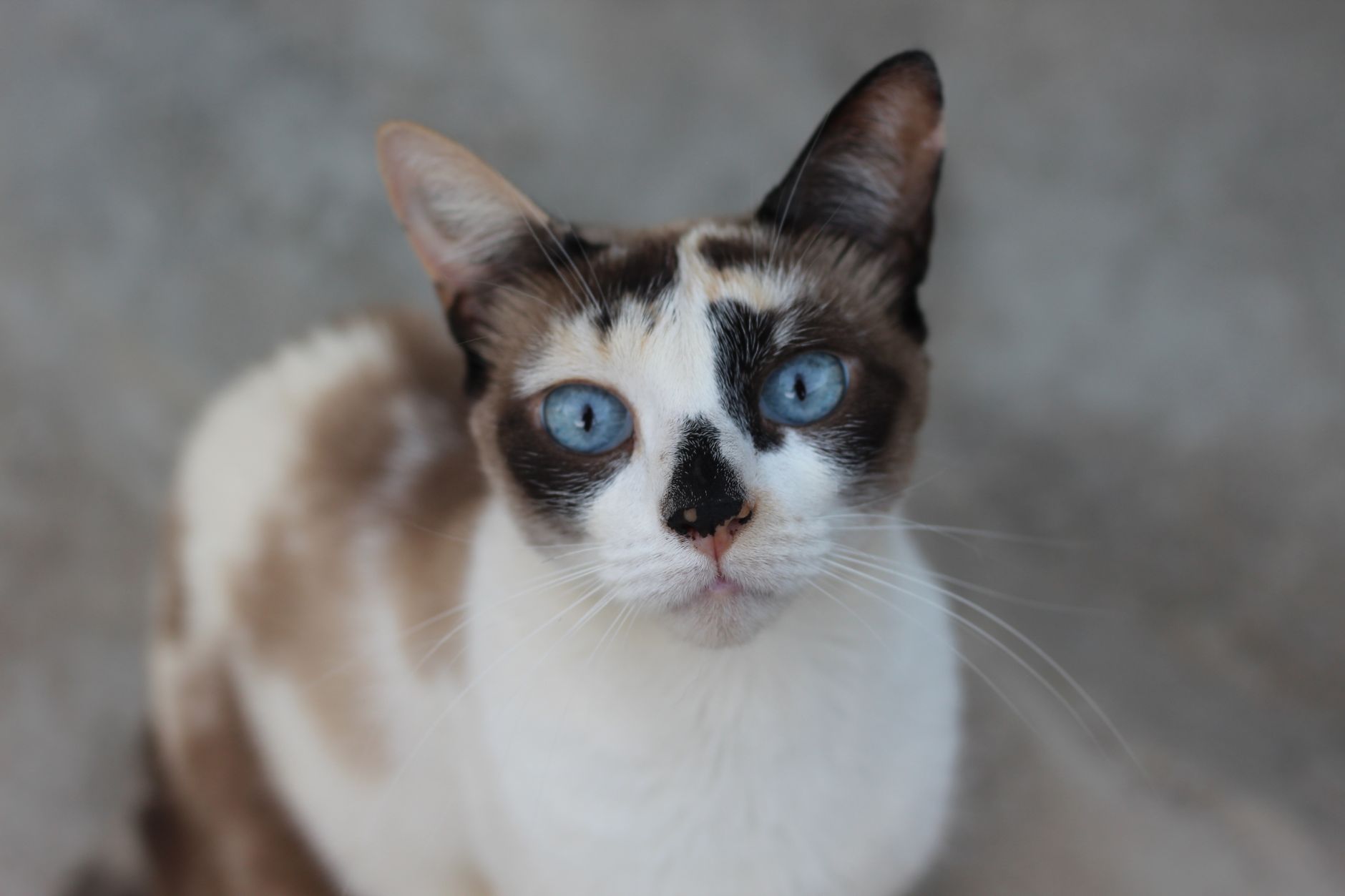
What I see most often in practice is a deeply loyal cat that forms strong bonds with its human family. They are not the type of breed to sit quietly in a corner; instead, they prefer to be involved in whatever you are doing. They possess a dog-like devotion and often greet owners at the door.
Is a Raas good with other pets?
Generally, yes, especially if they are socialized from a young age. Their playful demeanor allows them to get along well with cat-friendly dogs and other felines.
How much attention does a Raas need?
They crave human interaction and can become stressed or destructive if left alone for excessively long periods. If you work long hours, you should consult a vet or behaviorist on how to keep them enriched.
Training & Behavior
Because they are so intelligent, Raas cats take to training remarkably well compared to more aloof breeds. I always tell owners that positive reinforcement using high-value treats yields the best results. Mental stimulation is just as important as physical exercise for this clever breed.
Training Tips
- Use clicker training for fast results
- Keep training sessions short and engaging
- Incorporate puzzle feeders for mental work
- Reward curiosity and desired behaviors promptly
Fun Activities
- Interactive wand toys
- Agility courses for cats
- Clicker training tricks
- Food puzzle toys
Is a Raas easy to train?
Yes, their high intelligence and eagerness to please make them quite trainable. You can easily teach them to play fetch, walk on a harness, or perform basic tricks.
Raas Health Issues
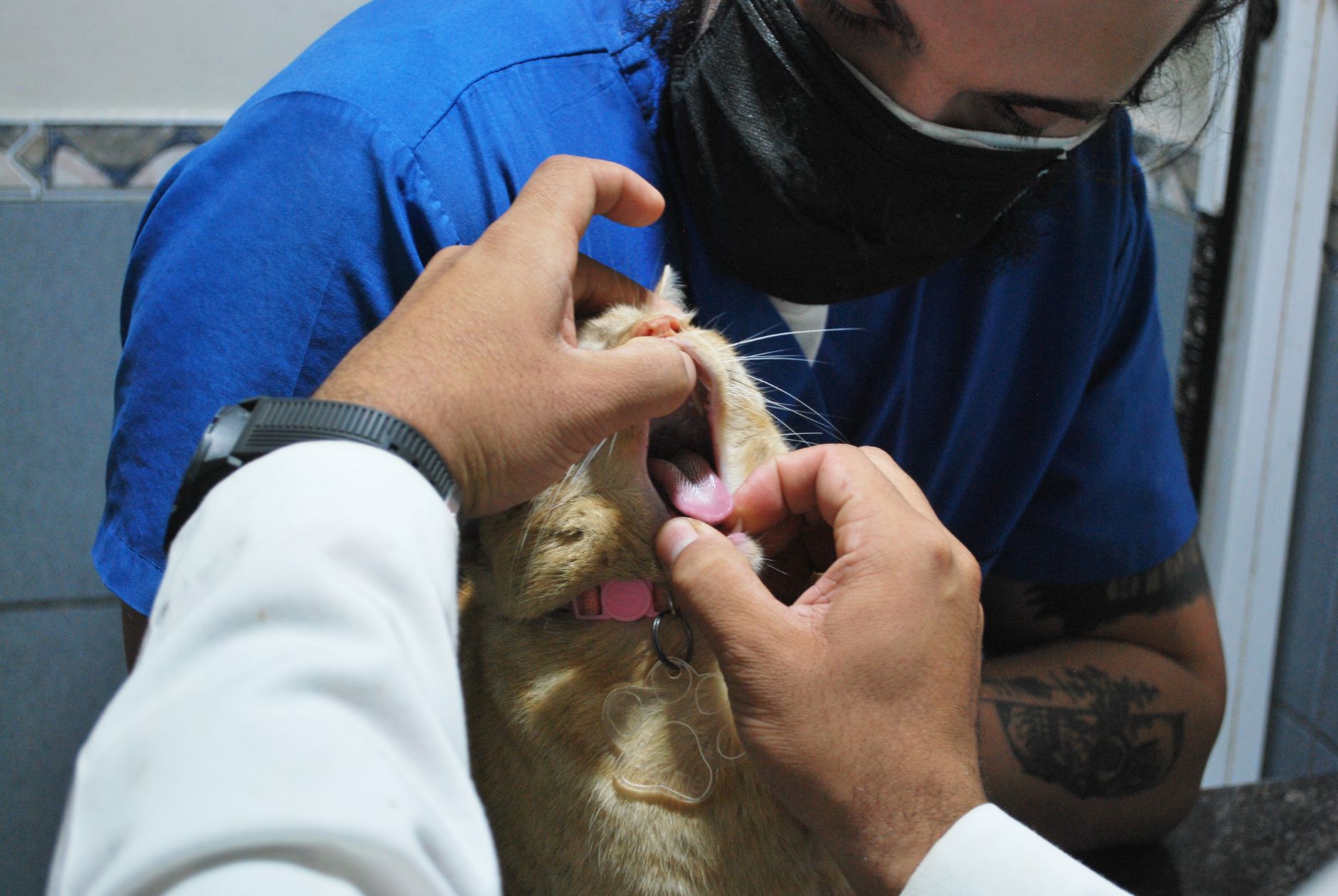
In my years treating this breed, I have found the Raas to be a generally hardy and resilient natural cat. However, like any breed, they have specific predispositions that owners should monitor throughout their lives.
Hypertrophic Cardiomyopathy (HCM)
A common feline heart condition where the heart muscle thickens over time, potentially leading to heart failure. Regular veterinary auscultation and echocardiograms are key for early detection.
Dental Disease
Accumulation of plaque and tartar can lead to gingivitis and tooth resorption if regular preventative care is ignored. I always recommend establishing a home dental routine early.
Bobtail-Related Spinal Issues
Due to their genetic natural bobtail, minor spinal or tail-set variations can occasionally occur. Most individuals are unaffected, but structural checks during vet exams are standard practice.
Obesity
Their enthusiastic appetite combined with indoor living can easily lead to excess weight gain. Always consult your veterinarian for a tailored calorie target.
How long do Raass typically live?
With proper veterinary care, good nutrition, and a safe indoor environment, they typically live between 12 and 15 years.
What to Feed a Raas
Proper nutrition is the cornerstone of lifelong health for an active breed like the Raas. I always advise tailoring their diet to their specific life stage and activity level.
Best Diet
A high-protein, meat-based commercial cat food formulated for active cats is ideal. Grain-free or balanced grain-inclusive diets can work well depending on individual digestive tolerance.
How to Feed
Dividing their daily portion into two or three meals using puzzle feeders helps satisfy their natural hunting instincts. Avoid free-feeding to prevent unwanted weight gain.
How Much to Feed
Portions vary based on age, weight, and activity level; consult your veterinarian to calculate the exact caloric requirement for your cat.
Nutritional Tips
Ensure fresh, clean water is available at all times, and avoid feeding table scraps which can lead to pancreatitis and obesity.
Raas Grooming Guide
Maintaining a Raas cat’s coat is relatively straightforward thanks to their short, dense fur. Routine grooming also serves as a wonderful bonding experience.
Coat Care
Brush their coat once a week with a soft bristle brush or rubber mitt to remove loose hairs. Increase frequency to a few times a week during seasonal shedding periods.
Skin Care
Check their skin periodically during grooming sessions for any signs of irritation, parasites, or flakiness.
Eye Care
Wipe the corners of the eyes gently with a damp, soft cloth if any minor discharge accumulates.
Ear Care
Check ears weekly for dirt, wax buildup, or signs of infection, and clean gently with a vet-approved solution.
Nail & Dental Care
Trim their claws every 2 to 3 weeks and introduce tooth brushing early to prevent periodontal disease.
Considerations for Pet Parents
Pros
- Highly intelligent and easily trained
- Affectionate and loyal family companion
- Adaptable and playful nature
- Manageable short grooming coat
- Generally robust natural health
Cons
- Can become bored or destructive without stimulation
- Demands high levels of human attention
- Rare breed that may be difficult to source
- Vocal when they want something
Best For
Active individuals, families, or multi-pet homes looking for an interactive, dog-like cat companion.
Not Recommended For
Owners who travel frequently, work extremely long hours, or prefer an entirely independent, low-maintenance pet.
Cost
- purchase price$800 – $2,000+
- monthly cost$50 – $100
- initial setupInitial costs include veterinary exams, microchipping, vaccinations, and high-quality enrichment gear.
Similar Breeds


Raas FAQs
Where do Raas cats come from?
The Raas cat originates from the island of Raas in Indonesia, where it developed as a natural landrace breed with a distinctive bobtail.
Are Raas cats born without tails?
They are born with naturally occurring short or bobbed tails due to a genetic mutation, varying in length from a stub to a few curled vertebrae.
Do Raas cats get along with dogs?
Yes, with proper socialization, their confident and playful personality allows them to coexist happily with cat-friendly dogs.
Are Raas cats hypoallergenic?
No, they produce normal levels of feline dander and proteins like Fel d 1, meaning they are not considered hypoallergenic.
How active are Raas cats?
They are a moderately to highly active breed that loves to climb, explore, and play interactive games throughout the day.
Are Raas cats vocal?
They can be moderately vocal, using soft chirps and meows to communicate their desires and greet their owners.
Can Raas cats live exclusively indoors?
Yes, and in fact, it is strongly recommended to keep them safe from outdoor hazards, provided they receive enough indoor enrichment.
How often should I groom a Raas cat?
A weekly brushing is generally sufficient to maintain their short coat and remove loose hairs, increasing slightly during shedding seasons.
What health issues are common in Raas cats?
They are generally healthy, but like many breeds, they can be prone to dental disease and hypertrophic cardiomyopathy.
Do Raas cats like to cuddle?
Despite their high energy levels, they are very affectionate and typically enjoy curling up with their favorite humans for cuddle time.
Are Raas cats recognized by major cat associations?
They are recognized locally in Indonesia and by specific rare breed groups, but generally lack widespread recognition by international bodies like CFA or TICA.
How heavy do Raas cats get?
Adults typically weigh between 6 and 10 pounds, placing them in the medium size category for domestic cats.
What is the best way to feed a Raas cat?
A high-protein diet fed in measured portions using puzzle feeders is ideal for keeping them physically fit and mentally stimulated.
Sources & Further Reading
- Merck Veterinary Manual
- PetMD
- International Cat Care
- Cornell University College of Veterinary Medicine