
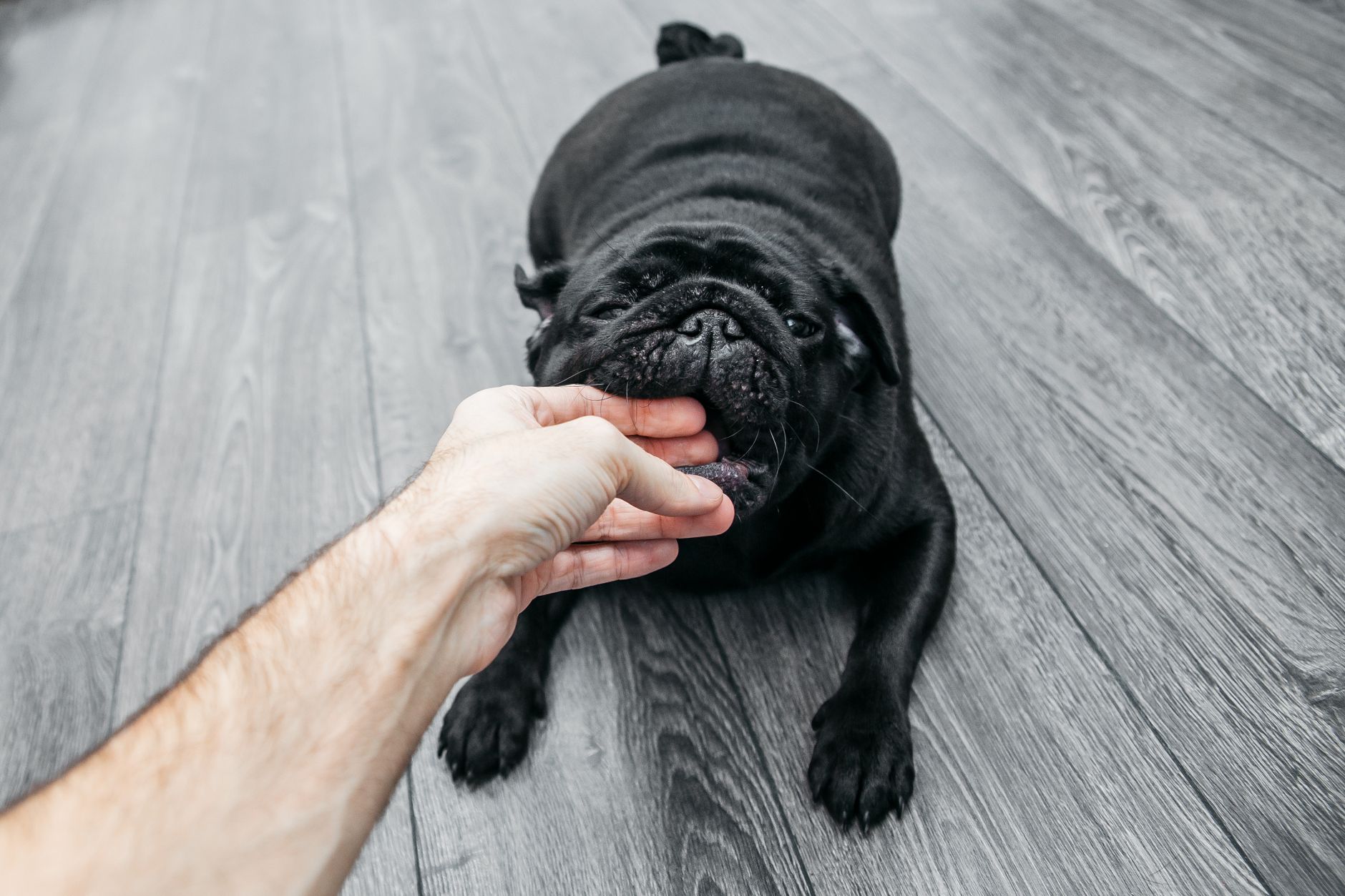
Quick Summary
Puppy biting and nipping is a natural exploratory and teething behavior that can be managed through consistent training. By teaching bite inhibition, redirecting their energy to safe chew toys, and ensuring they get adequate sleep, you can transition your puppy to a gentle companion.
As an Amazon Associate, we earn from qualifying purchases.
Popular with dog owners: Puzzle Toys · Treat Pouch · Dog Bed
Every single week in my veterinary clinic, a tired, scratched-up pet parent asks me the exact same desperate question: “Dr. Heller, how do I get my puppy to stop biting?” Those tiny, needle-sharp deciduous teeth can do a surprising amount of damage to human skin, leaving owners feeling frustrated, defeated, and sometimes even fearful of their new pet.
I want to reassure you that this behavior is completely normal, but it must be managed with a clear, clinical strategy before those adult jaws develop. In my years of clinical practice, I have found that managing puppy nipping requires a mix of deep developmental understanding, environmental management, and consistent behavioral redirection.
Let’s walk through the exact, veterinary-approved steps to transition your puppy from a frantic land shark into a gentle, well-behaved companion that you can enjoy for years to come.
Key Takeaways
- Puppy biting is a normal exploratory and teething behavior, not immediate aggression.
- Teaching bite inhibition first is safer than banning all mouthing immediately.
- Redirecting bites to appropriate toys prevents bad habits from forming.
- Overtired puppies bite more; they require 18 to 20 hours of daily sleep.
- Physical punishment or shouting can worsen biting and damage your bond.
- Socialization with balanced, vaccinated adult dogs provides natural feedback.
- Seek professional help if you observe warning signs of true aggression.
In This Article
- The Biology Behind the Bite: Why Puppies Use Their Teeth
- Mastering Bite Inhibition: The First Line of Defense
- The Art of Redirection: Swapping Skin for Toys
- The Overstimulated Puppy: Managing ‘Zoomies’ and Exhaustion
- Critical Mistakes to Avoid in Puppy Training
- Distinguishing Play Nipping From True Aggression
- The Power of Safe Puppy Socialization
- Environmental Enrichment and Mental Stimulation
The Biology Behind the Bite: Why Puppies Use Their Teeth
To solve puppy biting, we first have to understand the biological and physiological drivers behind it. Puppies do not have hands, meaning they explore their entire world through their mouths, using sensory receptors in their lips and tongue to gather data about their environment.
Between 12 to 16 weeks of age, their temporary deciduous teeth begin to shed, making room for 42 permanent adult teeth. This teething process causes significant gingival inflammation, swelling, and physical discomfort which they try to soothe by chewing.
Additionally, littermates naturally use biting to communicate during play. When a puppy bites too hard, their playmate yelps and stops playing, which is the absolute foundation of canine social etiquette.
When we bring them into human homes, they simply try to use this same play language on us, unaware that our skin is far more delicate.
PETSTA Treat-Dispensing Dog Puzzle Toy
- ✓Spin, slide and seek-and-hide games
- ✓Squeak button in the middle
- ✓Mental enrichment for bored dogs
- Food puzzles turn mealtime into a brain game, burning mental energy in clever, easily bored pets
The Teething Timeline
The shedding of deciduous incisors, canines, and premolars occurs in a predictable sequence from 3 to 6 months of age. During this peak teething window, puppy biting often intensifies dramatically as they try to soothe painful, inflamed gums.

Mastering Bite Inhibition: The First Line of Defense
Bite inhibition is a dog’s cognitive ability to control the force of its jaw pressure. In my clinic, I stress to owners that the initial goal is not to immediately stop all mouthing, but rather to teach the puppy that human skin is incredibly fragile and requires extreme gentleness.
If you completely ban mouthing right away, the puppy never learns how to use a ‘soft mouth.’ This can become highly dangerous if the dog ever bites reactively out of fear, pain, or sudden startle later in life.
We want to teach them to inhibit their bite force first, and then phase out the mouthing behavior entirely so they never apply pressure to human skin.
- Let your puppy mouth your hand gently during calm, quiet play.
- If they bite too hard, deliver a high-pitched ‘Ouch!’ or ‘Yip!’ to mimic a littermate.
- Let your hand go completely limp immediately, making it boring to play with.
- Praise them warmly and offer a treat when they back off and lick your hand instead.

The Art of Redirection: Swapping Skin for Toys
When a puppy is in a high-arousal state, telling them ‘no’ or scolding them rarely works because they lack the impulse control to simply stop. Instead, you must actively redirect that intense oral drive onto an appropriate, highly appealing chew toy.
I always tell my clients to keep a high-quality toy within arm’s reach in every room during the first few months of ownership.
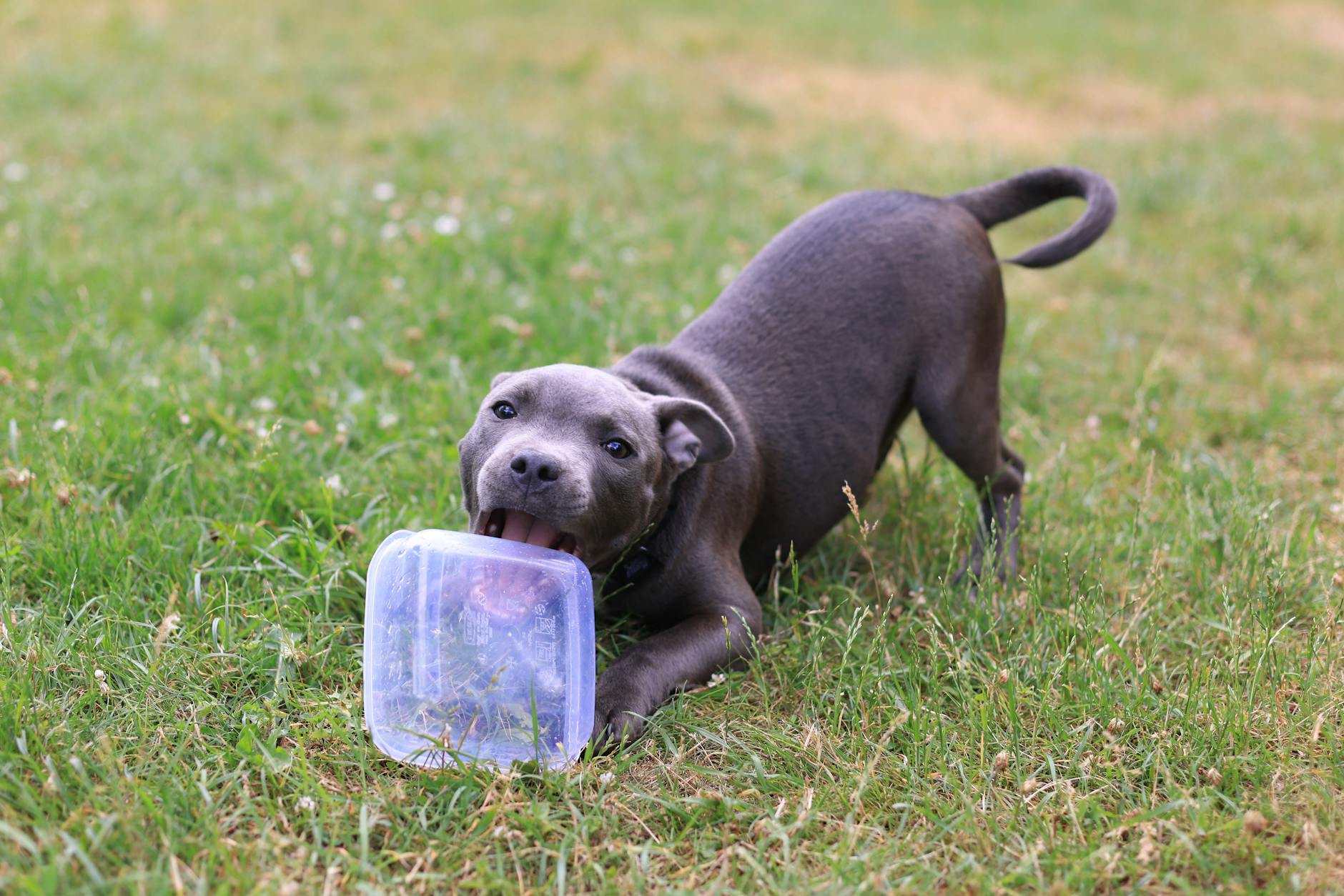
If your puppy targets your hands, ankles, or clothing, immediately offer an enticing alternative like a rubber chew or a plush toy. If they ignore the toy and continue targeting you, the interaction must end immediately.
This teaches them that biting human skin results in the immediate loss of their favorite playmate—you.
- Rubber toys filled with frozen wet food or plain, unsweetened Greek yogurt.
- Pliable nylon chew bones designed specifically for soft puppy teeth.
- Chilled or frozen wet washcloths (fully supervised to prevent ingestion of threads).
- Durable dental rings designed to massage and soothe inflamed canine gums.

The Overstimulated Puppy: Managing ‘Zoomies’ and Exhaustion
What I see most often in my clinical practice is that puppy biting escalates dramatically when the puppy is overtired. Just like human toddlers, puppies throw physical tantrums when they are sleep-deprived and physically exhausted.
Gobeigo 2-Cup Magnetic Treat Pouch with Clicker
- ✓Strong magnetic opening
- ✓Waist belt or clip-on wearing modes
- ✓Holds up to 2 cups of treats
- A clip-on treat pouch keeps rewards at hand so you can mark good behaviour instantly
A typical puppy needs anywhere from 18 to 20 hours of sleep per day to support their rapid physical and neurological development.
When a puppy is awake for too long, their body releases hormones like cortisol and adrenaline, leading to frantic, uncontrollable, and highly intense nipping behavior. Instead of punishing them, you need to recognize this as a physiological cry for a nap.
Implementing a structured schedule of crate rest or quiet playpen downtime will dramatically reduce these high-arousal biting episodes.
- Suddenly ignoring basic cues they previously mastered.
- Frantic, wide-eyed ‘zoomies’ around the room with no clear purpose.
- Growling and biting at your pants or ankles with high intensity and speed.
- Inability to settle down or rest even when offered their favorite chew.
Critical Mistakes to Avoid in Puppy Training
In my years treating dogs with behavioral issues, I have seen well-meaning owners make critical mistakes that actually worsen biting behaviors. The absolute worst thing you can do is physically punish a biting puppy.
Grabbing their muzzle, pinning them down in an ‘alpha roll,’ or hitting them will only teach them to fear you, which can easily trigger defensive aggression.
Physical punishment often escalates a playful nip into a defensive, aggressive bite because the puppy feels they must protect themselves. Similarly, screaming or yelling in a high-pitched, excited voice can be misinterpreted by the puppy as exciting barking, which actually encourages them to bite more.
Consistency, calm body language, and quiet patience are your most effective clinical tools.
- Engaging in high-excitement wrestling matches using your bare hands.
- Using physical corrections like tapping the nose or squeezing the muzzle shut.
- Screaming or waving your hands frantically in the air during an episode.
- Letting the puppy chew on old shoes or socks, which blurs the line on acceptable chew items.

Distinguishing Play Nipping From True Aggression
It is crucial to differentiate normal puppy play from pathological aggression, as the interventions for each are vastly different. Normal play biting is accompanied by loose, wiggly body language, a relaxed face, and playful play-bows.
The puppy might growl, but it is typically a low, pitch-shifting noise associated with play tugging and is not accompanied by body stiffness.
True aggression is thankfully rare in young puppies, but it does occur and is usually driven by fear, pain, or resource guarding. If you observe stiff body posture, lip curling, snapping without warning, or intense guarding of food, treats, and toys, you need to seek professional help immediately.
A certified veterinary behaviorist can assess the situation before these patterns become deeply ingrained habits.
- Stiffening of the entire body and staring coldly before a bite.
- Growling fiercely while guarding food bowls, toys, or sleeping spots.
- Biting that breaks skin repeatedly and is accompanied by deep, low growls.
- Biting triggered by being touched in specific areas, which may indicate underlying clinical pain.

The Power of Safe Puppy Socialization
Nothing teaches a puppy how to use their mouth gently quite like another balanced, socialized dog. When a puppy plays with a vaccinated, well-mannered adult dog, they receive immediate, highly effective feedback.
If the puppy bites too hard, the adult dog will give a quick, corrective growl or walk away, teaching the puppy valuable lessons in boundaries.
In my practice, I highly recommend enrolling your puppy in structured puppy socialization classes as soon as they have received their first round of core vaccinations. This critical window of behavioral development closes around 16 weeks of age, making early social learning incredibly impactful for their future jaw control.
- Enrolling in a reputable puppy pre-school with controlled playgroups.
- Arranging one-on-one playdates with calm, fully vaccinated adult dogs.
- Allowing supervised play with littermates if they live nearby.
- Avoiding high-stress, unpredictable environments like public dog parks until fully vaccinated.
Environmental Enrichment and Mental Stimulation
A bored puppy is a destructive, biting puppy. If your puppy does not have enough mental stimulation, they will create their own fun by chasing your feet, nipping at your hands, and destroying household items.
Providing physical exercise is important, but mental exercise is what truly tires out a young dog’s brain and helps regulate their nervous system.
I always tell my clients to feed their puppies using puzzle toys, snuffle mats, or scatter-feeding techniques instead of a standard food bowl. Working for their food stimulates their cognitive faculties, releases happy hormones like dopamine, and naturally redirects their desire to chew and bite onto constructive tasks.
- Lick mats smeared with wet food, pumpkin puree, or peanut butter.
- Snuffle mats that encourage them to use their nose to find hidden kibble.
- Interactive puzzle toys that require sliding compartments or lifting cups.
- Short, 5-minute trick training sessions throughout the day.
-
Bedsure Calming Donut Dog Bed, 30 inA comfortable bed of their own gives your dog a calm place to rest and keeps them off the sofa
-
Greenies Teenie Dental Dog TreatsDaily dental chews help reduce plaque and tartar build-up between brushings
-
Earth Rated Dog Poop Bags, Refill RollsLeak-proof poop bags with a leash dispenser are the everyday basic for clean, considerate walks
Related Dog Guides
Frequently Asked Questions
At what age do puppies stop biting?
Most puppies naturally decrease their biting behavior significantly around six to seven months of age. This timeline coincides with the completion of their adult teeth eruption. With consistent training and redirection, you should see a noticeable improvement much earlier.
Should I yell ‘Ow!’ when my puppy bites?
Yes, but only if it does not overexcite them. A high-pitched yip mimics a littermate’s response and can teach bite inhibition. However, if your puppy becomes more wild or aggressive when you make this sound, it is better to silently walk away instead.
Why is my puppy biting my ankles when I walk?
This is typically driven by herding instincts or high-arousal play. The movement of your feet is highly exciting to a puppy’s predatory drive. To stop this, immediately freeze like a statue when they bite, or keep a tug toy ready to redirect their attention.
Is it okay to play tug-of-war with a biting puppy?
Yes, tug-of-war is an excellent way to direct their chewing instincts onto an appropriate object. However, you must establish clear rules. If their teeth touch your skin or clothes at any point, the game must end immediately.
Can a puppy be aggressive at 8 weeks old?
True pathological aggression is extremely rare at eight weeks of age. Almost all biting at this stage is normal exploratory play and teething discomfort. If you see extreme snarling, stiffening, or resource guarding, consult your vet or a behaviorist.
How long should a puppy time-out last?
A puppy time-out should be very brief, lasting only 10 to 30 seconds. Their short attention spans mean they will quickly forget why they are isolated. The goal is to show them that biting makes the fun stop instantly, not to punish them.
Sources & Further Reading
Final Thoughts
Teaching a puppy to stop biting is a journey that requires immense patience, consistency, and realistic expectations. Remember that those sharp little teeth are temporary, and your puppy is simply trying to navigate a complex world they don’t yet fully understand.
By focusing on bite inhibition first, redirecting their energy to safe chews, and ensuring they get plenty of structured rest, you will successfully guide them through this developmental milestone.
If you ever feel overwhelmed or suspect your puppy’s nipping has turned into true aggression, do not hesitate to reach out to your veterinarian. We are here to support both you and your pet every step of the way, helping you build a safe, loving, and lifelong bond.