
Dogue de Bordeaux Breed Guide

Quick Summary
The Dogue de Bordeaux is a powerful, deeply loyal giant breed characterized by its massive head, expressive wrinkles, and a calm yet protective demeanor. In my clinic, I find they are best suited for experienced owners who can manage their immense physical size, support their significant medical needs, and commit to early, structured socialization. They are incredibly devoted companions, but their short lifespan and health vulnerabilities require dedicated stewardship.
As an Amazon Associate, we earn from qualifying purchases.
Popular with Dogue de Bordeaux owners: Senior Dog Food · Lick Mat · Orthopedic Dog Bed
Quick Facts
- origin countryFrance
- breed groupWorking
- sizeGiant
- weight range99 to 110+ lbs (Females minimum 99 lbs, Males minimum 110 lbs)
- height range23 to 27 inches
- lifespan5 to 8 years
- coat typeShort, fine, and soft
- common colorsFawn, Isabella, Mahogany, Red, with black or red mask
- other namesFrench Mastiff, Bordeaux Mastiff, Bordeauxdog
- recognized byAKC, UKC, FCI
Caring for a Dogue de Bordeaux
Living with a French Mastiff is a commitment to managing giant-breed realities, which I always warn owners involves copious drool, heavy snoring, and significant space requirements. Daily life centers around keeping them cool, as their brachycephalic tendencies make them highly sensitive to heat exhaustion and exercise-induced distress. You will need a robust budget for high-quality giant-breed food and veterinary care, as medical interventions for a dog of this size are inherently costly. Ultimately, they are quiet housemates who prefer lounging on the sofa next to you over high-intensity outdoor activities.
Is a Dogue de Bordeaux a good family pet?
Yes, their natural protective instincts and gentle, affectionate nature make them excellent companions for families with older children. However, due to their massive size and potential to accidentally knock over toddlers, I always recommend close supervision and early obedience training to ensure safety.
Do Dogue de Bordeauxs shed a lot?
They are moderate, year-round shedders, but because their hairs are short and fine, they tend to weave easily into fabric and furniture. Weekly brushing with a rubber curry brush helps manage the hair, but owners must be far more prepared for their daily drooling than their shedding.
Is a Dogue de Bordeaux good for first-time owners?
I strongly advise against this breed for first-time dog owners. Their sheer power, stubborn streak, and protective instincts require confident, experienced handling and a deep understanding of giant-breed behavior to prevent dominance or reactivity issues.
Temperament & Personality
In my clinical experience, the Dogue de Bordeaux is characterized by a calm, courageous, and deeply devoted temperament. They are intensely loyal to their human families and possess a natural guarding instinct that rarely manifests as unwarranted aggression if properly socialized. They are generally quiet indoors, preferring to observe their surroundings with a watchful, dignified gaze rather than demanding constant physical entertainment.
Is a Dogue de Bordeaux good with other pets?
They can co-exist peacefully with household pets if raised with them from puppyhood, but they can be dog-selective or exhibit high prey drive toward strange animals. I recommend caution and structured introductions, particularly with same-sex dogs where dominance struggles can occur.
Purina Pro Plan Large Breed Adult 7+ Senior Dog Food
- ✓Formulated for large-breed dogs aged 7 and up
- ✓Shredded blend of crunchy kibble and tender pieces
- ✓Real chicken is the first ingredient
- Nutrition tuned to an older dog’s needs
- Helps senior dogs stay lean and active
How much attention does a Dogue de Bordeaux need?
Despite their independent appearance, they are incredibly attached to their humans and do not tolerate being left isolated in a yard. They require daily human interaction and gentle companionship to thrive, otherwise, they can develop severe separation anxiety and destructive habits.
Training & Behavior
Training a Dogue de Bordeaux requires a patient, consistent handler who understands that physical force will only shut this sensitive breed down. Because they can easily weigh over 110 pounds, teaching leash manners and basic obedience starting at 8 weeks old is a non-negotiable safety requirement. They are highly intelligent but independent, meaning they will assess your commands rather than obey blindly.
Training Tips
- Start socialization before 16 weeks of age to prevent over-guarding
- Use positive reinforcement and high-value treats to bypass stubbornness
- Establish yourself as a calm, confident leader from day one
- Keep training sessions short, positive, and engaging to prevent boredom
- Never use harsh physical discipline or choke collars on this sensitive breed
Fun Activities
- Scent work and tracking games
- Low-impact therapy dog training
- Gentle, short daily walks in cool weather
- Basic obedience and trick training
- Interactive food puzzle toys
Is a Dogue de Bordeaux easy to train?
They are moderately challenging to train due to their natural independence and occasional stubbornness. In my practice, the key is starting early; a 15-pound puppy is much easier to guide than a willful 110-pound adult who has realized they can physically overpower their owner.
Dogue de Bordeaux Health Issues

As a vet, I must be honest: the Dogue de Bordeaux is a structurally fragile breed with one of the shortest lifespans in the canine world. They are highly predisposed to serious cardiac, orthopedic, and conformational issues that require active medical monitoring throughout their lives.
Gastric Dilatation-Volvulus (GDV or Bloat)
A life-threatening emergency where the stomach fills with gas and twists on its axis, cutting off blood supply. It is common in deep-chested breeds and requires immediate emergency surgery to correct.
Dilated Cardiomyopathy (DCM)
A progressive disease of the heart muscle that causes the heart chambers to enlarge and weaken, leading to congestive heart failure. I highly recommend annual screening echocardiograms starting at age two.
Hip and Elbow Dysplasia
Genetic developmental malformations of the hip or elbow joints that lead to painful arthritis, joint laxity, and severe mobility issues. Maintaining a lean body weight is vital to mitigate these issues.
LUKITO Lick Mat for Dogs and Cats, 3 Pack
- ✓49 high-strength suction cups
- ✓Four textured surfaces
- ✓Boredom buster that slows eating
- Licking is naturally calming, so a lick mat with spread-on food helps during baths, nail trims and storms
Subaortic Stenosis (SAS)
A congenital heart defect where a narrowing below the aortic valve forces the heart to work harder to pump blood. This condition can lead to sudden death or heart failure if left unmanaged.
Ectropion and Entropion
Conformational eyelid defects where the lids either droop outward (ectropion) or roll inward (entropion), causing severe irritation, corneal ulcers, and chronic tear staining.
Skin Fold Pyoderma
A bacterial or yeast infection that thrives in the warm, moist environments created by the breed’s deep facial wrinkles and skin folds. Routine cleaning is essential to prevent chronic inflammation.
How long do Dogue de Bordeauxs typically live?
Tragically, their lifespan is among the shortest of any breed, typically ranging from 5 to 8 years. Regular preventative veterinary care, screening for cardiac issues, and maintaining an optimal weight can help maximize their quality of life during these precious years.
What to Feed a Dogue de Bordeaux
Proper nutrition is critical for a Dogue de Bordeaux, particularly during their rapid puppy growth phase which lasts up to 18 to 24 months. Overfeeding can accelerate skeletal growth, putting immense pressure on developing joints and exacerbating hereditary orthopedic diseases.
Best Diet
I recommend a high-quality, large- or giant-breed specific diet formulated to regulate skeletal growth rates with controlled calcium and phosphorus ratios. For adults, high-quality proteins and joint-supporting supplements like glucosamine, chondroitin, and omega-3 fatty acids are highly beneficial.
How to Feed
Adults should be fed at least two to three smaller meals a day rather than one large portion to reduce the risk of GDV (bloat). I also strongly advise using slow-feeder bowls and keeping the dog calm for at least an hour before and after meals.
How Much to Feed
Portion sizes typically range from 4 to 6 cups of high-quality dry kibble daily, but this varies dramatically based on age, metabolism, and activity level. I always recommend working with your vet to calculate exact caloric needs based on body condition scoring.
Nutritional Tips
Avoid grain-free diets unless specifically prescribed by a veterinary dermatologist, as there is an ongoing FDA investigation linking them to non-hereditary dilated cardiomyopathy, a disease this breed is already highly prone to.
Dogue de Bordeaux Grooming Guide
What I see most often in practice is skin issues stemming from neglected facial wrinkles rather than coat neglect. While their short coat is technically low-maintenance, their deep facial folds and heavy drooling mean daily care is required.
Coat Care
Brush their short coat once a week with a grooming mitt or rubber curry brush to remove loose hair. They only require baths every 4 to 6 weeks unless they roll in something foul.
Skin Care
The facial wrinkles must be wiped daily with a damp cloth or specialized veterinary antiseptic wipe to remove moisture, food debris, and saliva, then dried thoroughly to prevent yeast infections.
Eye Care
Clean around their eyes daily to remove tear stains and buildup, paying close attention to any signs of redness or irritation caused by drooping eyelids.
Ear Care
Check and clean their floppy ears weekly using a vet-approved ear cleanser to prevent yeast and bacterial buildup caused by trapped moisture.
Nail & Dental Care
Trim their thick, fast-growing nails every 3 to 4 weeks using heavy-duty clippers, and brush their teeth daily with dog-safe toothpaste to combat periodontal disease.
Considerations for Pet Parents
Pros
- Calm and quiet indoor companion
- Extremely loyal and protective family guardian
- Deeply affectionate and loving with their owners
- Low exercise requirements compared to active breeds
- Quiet dogs that rarely bark without cause
- Dignified, patient, and gentle nature
Cons
- Extremely short average lifespan of 5-8 years
- Prone to severe and expensive health issues
- Heavy droolers and frequent, loud snorers
- High potential for heat intolerance and heatstroke
- Can be stubborn and require experienced handling
- Massive size requires significant space and high-budget care
Best For
An experienced dog owner who lives in a spacious home with central air conditioning, possesses a generous veterinary budget, and wants a calm, deeply loyal, and protective indoor companion.
Not Recommended For
First-time owners, apartment dwellers without climate control, highly active runners seeking a jogging partner, or families who cannot afford the high lifetime medical expenses associated with giant-breed care.
Cost
- purchase price$1,500 to $3,500
- monthly cost$200 to $400
- initial setupExpect to spend $1,000 to $1,500 initially on giant-sized crates, orthopedic beds, heavy-duty toys, and pediatric veterinary care.
-
Bedsure Orthopedic Dog Bed, Egg-Crate FoamCushions hips and joints in large, senior or dysplasia-prone dogs
-
Nutramax Cosequin Joint Supplement for DogsGlucosamine and chondroitin chews support cartilage and mobility, especially in large, senior and dysplasia-prone dogs
-
Zuke’s Mini Naturals Dog Training Treats, ChickenQuick to eat, so training sessions keep moving
Similar Breeds
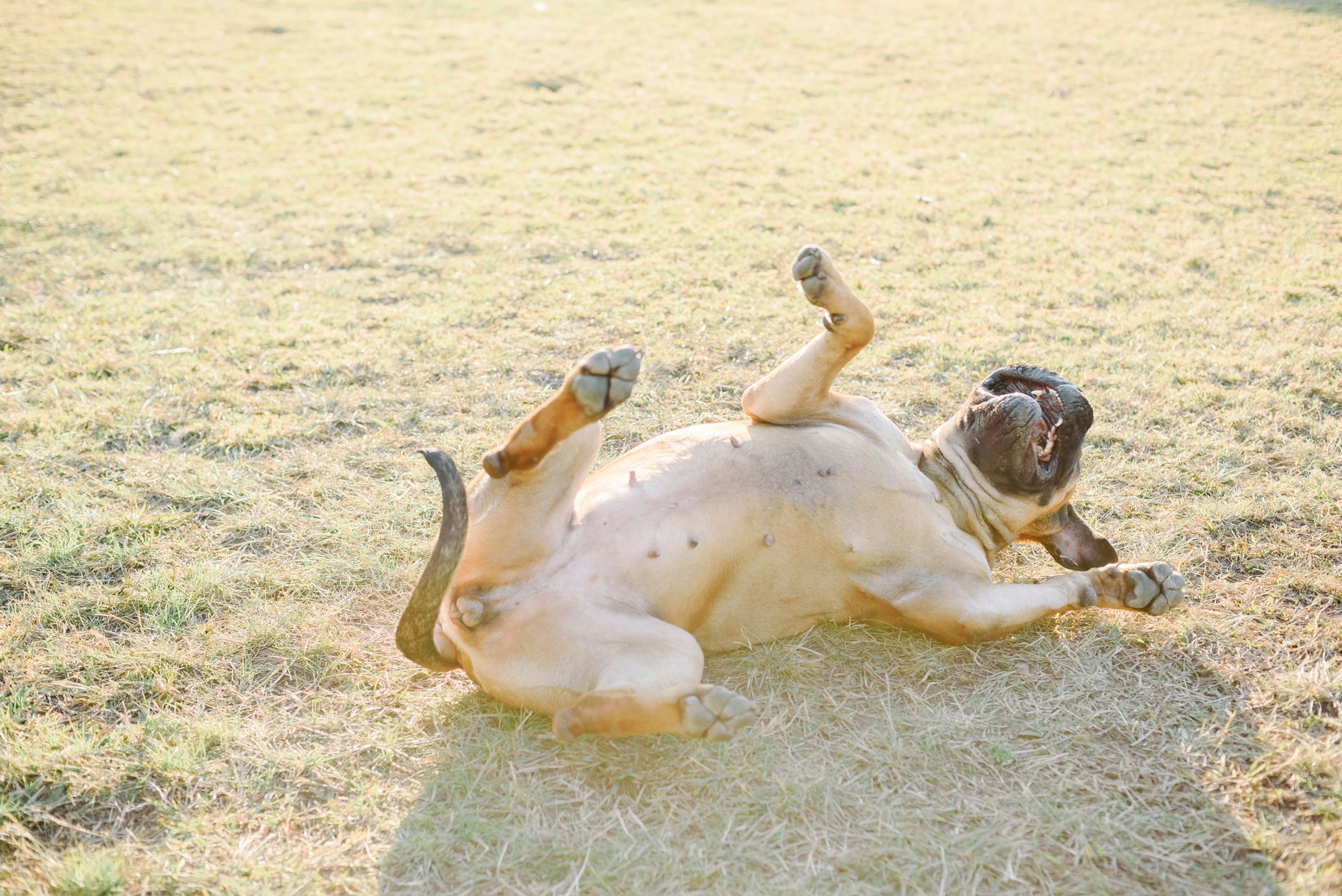
Bullmastiff
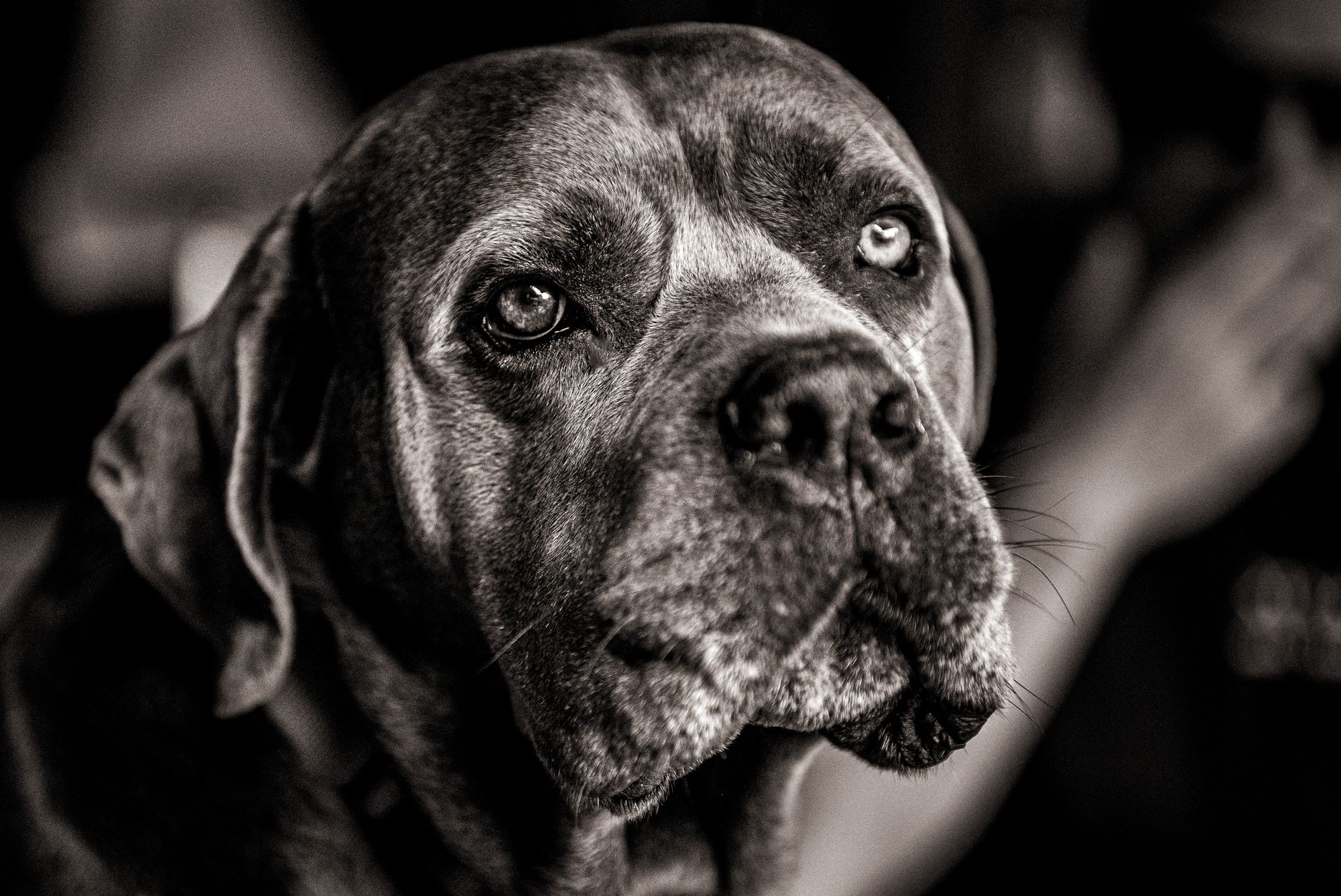
Mastiff (English)
Related Dog Guides
Dogue de Bordeaux FAQs
How much drool should I expect from a Dogue de Bordeaux?
Expect a lot. Their loose flews and deep jowls mean they drool constantly, especially after drinking, eating, or when excited. In my practice, I advise owners to keep ‘slobber rags’ in every room of the house.
Are Dogue de Bordeauxs aggressive?
They are natural guardians but are not inherently aggressive. They are aloof with strangers and fiercely protective of their families; however, without proper early socialization, this protectiveness can turn into fear-based reactivity or aggression.
Can a Dogue de Bordeaux live in an apartment?
While they are quiet and low-energy indoors, I generally discourage apartment living due to their massive size and extreme susceptibility to heat. Navigating tight spaces and stairs can also be highly challenging for aging, arthritic giant dogs.
How do they handle hot weather?
Very poorly. Because of their heavy build and somewhat shortened muzzles, they cannot regulate their body temperature efficiently. I always emphasize to my clients that these dogs must have access to air conditioning and should never be left outside in warm weather.
Are they good with children?
They are notoriously gentle and patient giants with ‘their’ children. However, because a puppy can easily weigh 80 pounds in its first year, they can accidentally knock over small kids, so supervision is always mandatory.
How much exercise does a Dogue de Bordeaux need?
They have relatively low exercise needs. Two 20-to-30-minute walks a day during the cooler parts of the morning or evening are usually sufficient; over-exercising them, especially as puppies, can permanently damage their developing joints.
Is a Dogue de Bordeaux a brachycephalic breed?
Yes, they are classified as a mildly brachycephalic breed. Their shortened facial structure causes breathing difficulties, snoring, and a high risk of heatstroke, meaning they should never be overexerted.
At what age is a Dogue de Bordeaux fully grown?
They typically reach their full height by 12 to 18 months, but they continue to fill out, gain muscle, and develop their characteristic broad chests and massive heads until they are 2 to 3 years old.
Should I get a male or female Dogue de Bordeaux?
Males are significantly larger, heavier, and can exhibit more dominant, territorial behaviors if not properly trained. Females are slightly smaller, often easier to manage, and tend to be slightly more responsive during training sessions.
Are they prone to separation anxiety?
Yes, they form incredibly strong bonds with their human family and thrive on companionship. If left alone for long periods of time, they can develop severe separation anxiety, which often results in highly destructive chewing.
Why is their lifespan so short?
Their short lifespan is a combination of giant breed biology—which accelerates aging—and a high genetic predisposition to severe health conditions like dilated cardiomyopathy, subaortic stenosis, and aggressive cancers.
Should I spay or neuter my Dogue de Bordeaux early?
No, I advise waiting until they are at least 18 to 24 months old to spay or neuter. Giant breeds need their sex hormones to ensure proper, even bone growth plate closure, which helps reduce the lifetime risk of joint diseases and certain bone cancers.
How can I prevent bloat (GDV) in my Dogue de Bordeaux?
You can reduce the risk by feeding multiple small meals, using a slow feeder, avoiding exercise for an hour after eating, and discussing a preventative surgery called a prophylactic gastropexy with your vet during their neuter or spay.
Sources & Further Reading
- American Kennel Club (AKC)
- Merck Veterinary Manual
- American Veterinary Medical Association (AVMA)
- U.S. Food and Drug Administration (FDA)