
Central Asian Shepherd Dog Breed Guide
Quick Summary
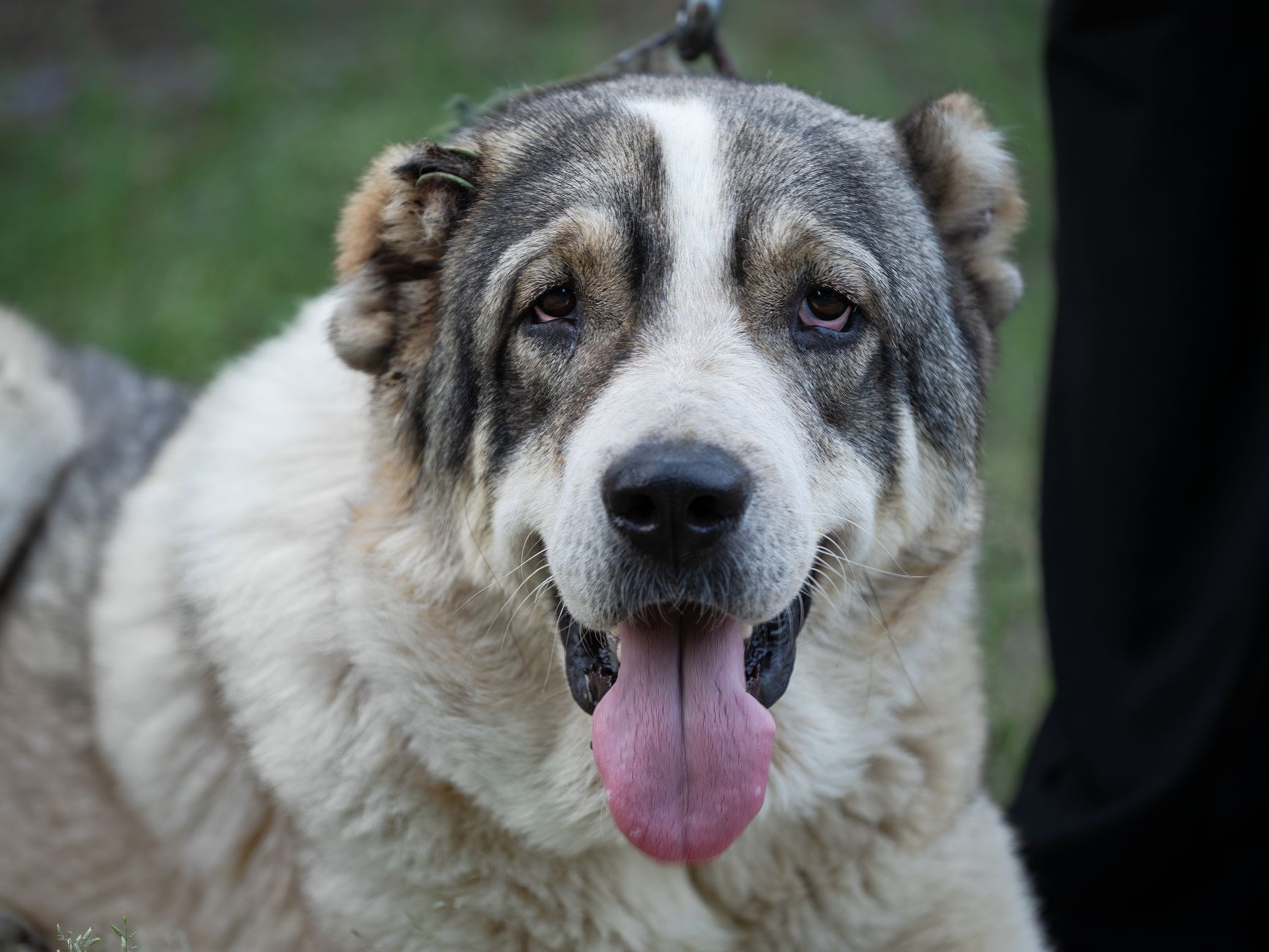
The Central Asian Shepherd Dog is an ancient, giant livestock guardian breed possessing unmatched territorial instincts, immense physical strength, and a deeply independent nature. They are not typical household pets, but rather serious working guardians best suited for highly experienced owners with vast rural properties or livestock to protect.
Quick Facts
- origin countryCentral Asia (Russia, Kazakhstan, Uzbekistan, Turkmenistan, Kyrgyzstan, Tajikistan)
- breed groupWorking (AKC FSS, UKC Guardian Dog Group)
- sizeGiant
- weight range88 to 170+ pounds (Females: 88-110+ lbs; Males: 110-170+ lbs)
- height range24 to 32 inches
- lifespan10 to 14 years
- coat typeThick, heavy double coat (short or medium-long variants)
- common colorsWhite, black, gray, straw, fawn, brindle, piebald
- other namesAlabai, Central Asian Ovtcharka, CAO, Middle Asian Ovtcharka
- recognized byAKC (FSS), UKC, FCI
Caring for a Central Asian Shepherd Dog
In my years treating this giant breed, I have learned that managing a Central Asian Shepherd Dog is more of a working partnership than traditional dog ownership. They require secure, heavy-duty fencing—at least six feet high—and a clear routine that respects their innate guardian psychology rather than trying to break it. Day-to-day life involves managing a low-energy but highly alert patroller who will quietly monitor their territory. They do not tolerate chaotic environments, frequent unknown visitors, or soft, yielding leadership.
Is a Central Asian Shepherd Dog a good family pet?
They can be incredibly devoted and protective family companions, but only for highly structured households that understand livestock guardian behaviors. Because of their immense size and defensive instincts, they must be supervised carefully around guests, and they are generally not recommended for families with very young children or frequent playdates.
Do Central Asian Shepherd Dogs shed a lot?
Yes, they possess a thick, insulated double coat that sheds moderately throughout the year. However, once a year in the spring, they go through a massive shed known as ‘blowing coat,’ during which they drop vast amounts of undercoat that requires daily brushing to control.
Is a Central Asian Shepherd Dog good for first-time owners?
Absolutely not. This breed is highly independent, self-governing, and physically powerful; they will easily run circles around an inexperienced handler who does not understand LGD psychology. They require a confident owner who knows how to establish calm, firm leadership from day one.
Temperament & Personality
The temperament of the Central Asian Shepherd Dog is characterized by extreme independence, quiet confidence, and an unshakeable territorial instinct. Unlike modern breeds bred to please humans, the Alabai was bred to make independent decisions far from human handlers, defending flocks from wolves and bears. They are quiet and stoic in my clinic, rarely showing overt excitement, but constantly evaluating their surroundings for potential threats.
Is a Central Asian Shepherd Dog good with other pets?
They can coexist peacefully with livestock and pets they have been raised with since puppyhood, but they are naturally highly suspicious of strange animals. Same-sex dog aggression is very common in this breed, and I highly advise against housing them with other dominant, large dogs of the same gender.
How much attention does a Central Asian Shepherd Dog need?
They are remarkably low-maintenance in terms of emotional demands and do not suffer from the separation anxiety typical of velcro breeds. They prefer to quietly patrol the property or lie near your feet, offering quiet companionship rather than demanding constant physical affection.
Training & Behavior
Training a Central Asian Shepherd Dog requires shifting your mindset from obedience to negotiation; they will not obey a command simply to please you. Socialization must start the moment they are vaccinated, as their natural window of tolerance closes much faster than in other breeds. I tell my clients that training must focus on building a foundation of mutual respect and reliable impulse control.
Training Tips
- Begin intensive, positive socialization before 12 weeks of age
- Use positive reinforcement; harsh corrections will destroy trust
- Establish absolute control over resources like food and high-value toys
- Teach a reliable, non-negotiable ‘leave it’ and ‘settle’ command
- Expose them to neutral veterinary handling early and often
Fun Activities
- Fenced boundary and perimeter patrolling
- Low-impact, long-distance hiking
- Scent work and tracking games
- Draft work or cart pulling (once growth plates close)
- Structured basic obedience challenges
Is a Central Asian Shepherd Dog easy to train?
No, they are highly challenging to train because of their independent thinking and lack of innate desire to perform tricks. They learn concepts quickly but will routinely evaluate whether a command makes sense to execute in the moment, requiring patience and consistent, calm authority from the handler.
Central Asian Shepherd Dog Health Issues
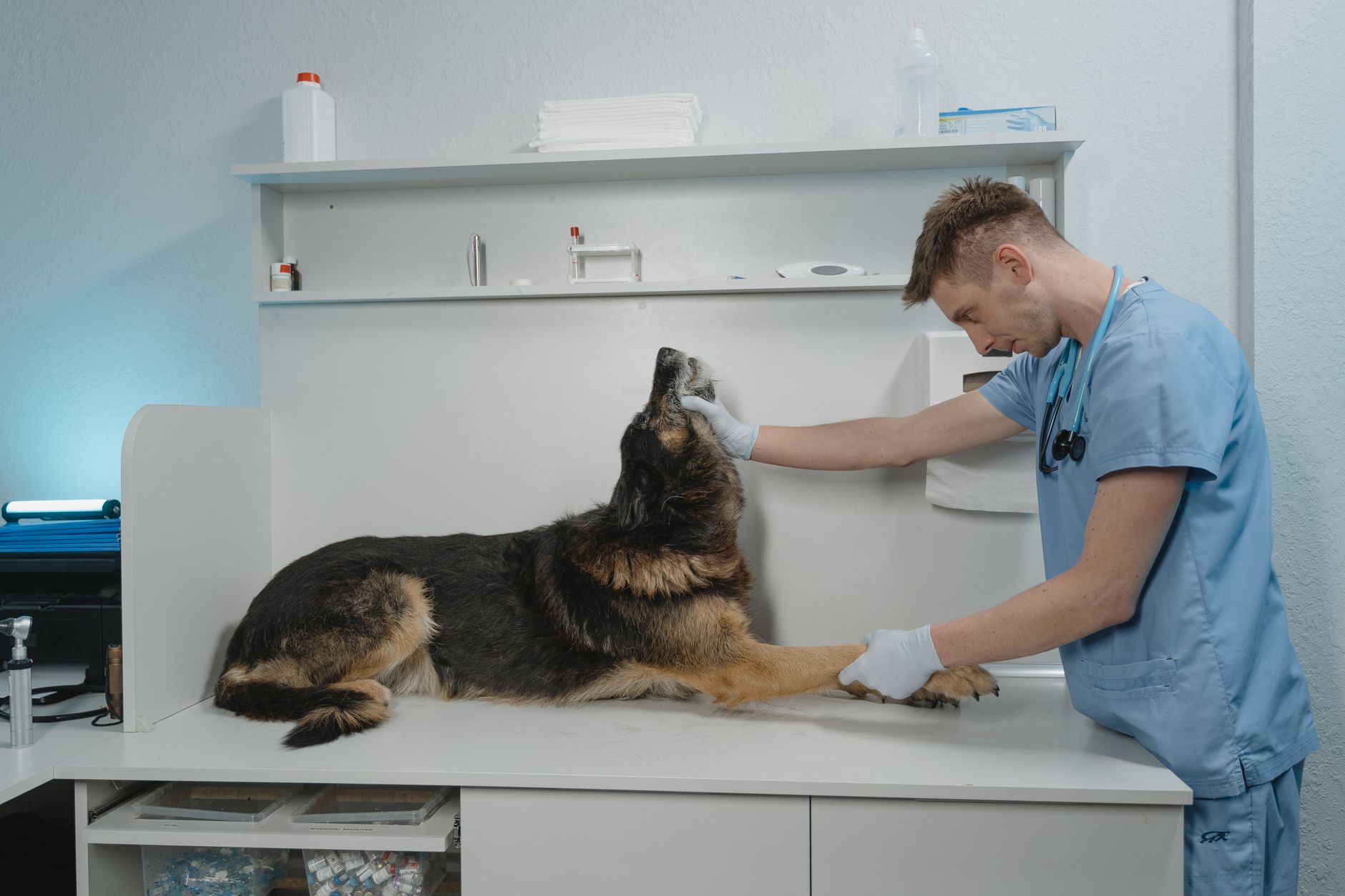
Historically subject to harsh natural selection in the Central Asian steppes, this breed is remarkably hardy and lacks many of the complex genetic diseases plaguing other giant breeds. However, their sheer physical volume means they are highly susceptible to orthopedic issues and developmental growth imbalances.
Hip and Elbow Dysplasia
A hereditary malformation of the hip and elbow joints where the bones do not fit snugly, leading to painful osteoarthritis and joint degeneration over time.
Gastric Dilation-Volvulus (GDV or Bloat)
A life-threatening emergency where the stomach fills with gas and twists on its axis, cutting off blood supply to the stomach and heart.
Osteochondritis Dissecans (OCD)
An inflammatory condition where diseased cartilage separates from the underlying bone in rapidly growing giant-breed puppies, typically affecting the shoulders or elbows.
Entropion and Ectropion
Eyelid abnormalities where the eyelid rolls inward (entropion), scraping the cornea, or droops outward (ectropion), exposing the sensitive conjunctiva to infection.
Hypothyroidism
An endocrine disorder where the thyroid gland does not produce enough hormone, resulting in a systemic slowdown of the dog’s metabolism.
Panosteitis
A self-limiting inflammatory disease of the long bones, commonly referred to as ‘growing pains,’ affecting large and giant breeds during rapid growth phases.
How long do Central Asian Shepherd Dogs typically live?
They typically live between 10 to 14 years. This is an impressively long lifespan for a giant breed, which I attribute to their natural, working-heritage genetic pool and lack of extreme brachycephalic or hyper-type physical exaggerations.
What to Feed a Central Asian Shepherd Dog
Managing the nutritional intake of a giant breed is critical, particularly during their long skeletal growth phase. Because they can grow until they are three years old, their caloric and mineral ratios must be carefully managed to prevent rapid, unsafe bone development.
Best Diet
A high-quality, large or giant-breed puppy formulation with strict calcium-to-phosphorus ratios is mandatory until 18 to 24 months of age. Once mature, transitioning to a high-quality, low-carbohydrate adult diet tailored to giant breeds will help maintain joint health.
How to Feed
I strongly advise dividing their daily intake into two or three smaller meals rather than one large feeding to reduce the risk of GDV. Additionally, implement a strict rule of no strenuous exercise, running, or working for one hour before and two hours after eating.
How Much to Feed
Adult males typically consume 4 to 6 cups of premium kibble daily, while females need 3 to 5 cups, though this varies immensely based on activity levels. Owners must partner with their veterinarian to monitor body condition score (BCS), aiming for a lean 4 out of 9 to protect their heavy joints.
Nutritional Tips
Avoid supplementing a growing puppy with extra calcium or vitamin D, as this can disrupt the delicate mineral balance and directly trigger severe orthopedic diseases like OCD. Adding high-quality joint supplements containing glucosamine, chondroitin, and green-lipped mussel is highly recommended starting at adulthood.
Central Asian Shepherd Dog Grooming Guide
The grooming requirements for a Central Asian Shepherd Dog are relatively straightforward, as their weather-resistant double coat is naturally dirt-repellent. They do not require frequent professional styling, but they do require consistent basic maintenance.
Coat Care
Brush their coat once or twice a week with a slicker brush and a heavy-duty undercoat rake to remove loose hair. During their annual spring blowout, increase this to daily brushing to prevent painful matting and manage the heavy undercoat shedding.
Skin Care
Bathe them only when absolutely necessary—no more than 3 to 4 times a year—as frequent bathing strips the natural, water-resistant oils from their skin and coat.
Eye Care
Inspect their eyes weekly for signs of irritation or discharge, especially in individuals with looser eyelid structures that are prone to trapping environmental debris.
Ear Care
Clean their ears bi-weekly using a veterinary-approved drying ear cleanser to prevent yeast and bacterial infections, particularly if their ears are uncropped and hang heavily.
Nail & Dental Care
Trim their thick, powerful nails every 3 to 4 weeks using heavy-duty clippers or a dremel to prevent joint strain, and brush their teeth at least three times a week with dog-safe enzymatic toothpaste.
Considerations for Pet Parents
Pros
- Incredibly effective and natural livestock or estate guardian
- Calm, quiet, and unobtrusive when inside the home
- Remarkably healthy and long-lived for a giant breed
- Low emotional maintenance and comfortable with independent time
- Deeply loyal and fiercely protective of their immediate family
- Self-cleaning coat requires minimal bathing
Cons
- Extremely territorial and highly suspicious of strangers
- Can develop severe dog-to-dog aggression, particularly same-sex
- Vast physical size makes them highly challenging to manage on-leash
- Possesses a very loud, booming warning bark, often deployed at night
- Requires massive, secure fencing and is totally unsuitable for suburbs
Best For
Experienced handlers with large, securely fenced acreages, active ranches, or farms who need a dedicated, self-reliant livestock guardian or estate protector and can commit to lifelong socialization.
Not Recommended For
First-time dog owners, suburban families with busy social calendars, apartment dwellers, or individuals who want a highly social, friendly dog to take to dog parks and public spaces.
Cost
- purchase price$1,500 to $3,500
- monthly cost$200 to $400
- initial setupInitial setup can easily cost $2,000 to $4,000+, primarily driven by the vital necessity of professional, escape-proof 6-foot perimeter fencing, heavy-duty crates, and giant-breed orthopedic beds.
Similar Breeds

Anatolian Shepherd Dog
Kangol
Central Asian Shepherd Dog FAQs
Is the Central Asian Shepherd Dog recognized by major kennel clubs?
Yes, they are recognized by the Federation Cynologique Internationale (FCI) and the United Kennel Club (UKC). In the American Kennel Club (AKC), they are currently listed in the Foundation Stock Service (FSS), which is the pathway toward full breed recognition.
Are they prone to same-sex dog aggression?
Yes, same-sex aggression is highly prevalent in this breed. Because of their history as territorial guardians, they view strange dogs of the same sex as direct rivals, and keeping two intact or same-sex adult CASDs in the same home can be extremely dangerous.
Do they bark a lot, especially at night?
Yes, they have a deep, booming warning bark. As nocturnal guardians by instinct, they are highly vigilant at night and will bark to warn off potential predators or intruders, which can easily cause neighbor disputes in closely populated areas.
How do they handle hot or cold weather?
They are incredibly weather-tolerant due to their historical adaptation to the extreme climates of the Central Asian deserts and steppes. Their thick, insulating double coat protects them from freezing winter temperatures as well as intense summer heat, though they must always have shade and fresh water.
Are they safe to take to off-leash dog parks?
No, I strongly advise against taking a Central Asian Shepherd Dog to public off-leash dog parks. Their territorial nature, low tolerance for rude dog behaviors, and sheer physical power mean that even a minor altercation can have catastrophic results.
When does a Central Asian Shepherd Dog finish growing?
They are a slow-maturing breed that does not reach full physical and mental maturity until 3 to 4 years of age. While they may reach their full height by 18 months, they will continue to fill out, gain muscle mass, and develop their adult protective mentality well past their second birthday.
Should their ears and tail be cropped?
Historically in their countries of origin, ears were cropped close and tails docked to prevent wolves from tearing them during fights. While still common in working lines, these cosmetic alterations are illegal in many European countries and are entirely optional for non-working companion animals; consult your veterinarian regarding regional laws.
How much exercise do they require daily?
They do not have high, kinetic exercise needs like a Border Collie or Husky. They are energy conservers who prefer to stroll, patrol, and watch over their domain; 45 to 60 minutes of low-impact walking daily, combined with room to roam in a yard, is usually sufficient.
Can they be kept in an apartment?
No, they are completely unsuited for apartment or condominium living. Their immense size, intense guarding instincts, and need to monitor a designated territory mean they will quickly become frustrated, anxious, and dangerously vocal in confined, multi-family housing.
Are they prone to separation anxiety?
No, they are one of the least prone breeds to separation anxiety. Their history as independent guardians means they are perfectly content to be left alone to watch over the home, provided their basic physical and mental needs are met.
Are they sensitive to anesthesia?
Yes, like many giant, primitive breeds with lower metabolic rates, they can exhibit a heightened sensitivity to certain anesthetics and sedatives. I always recommend that veterinarians calculate dosages carefully based on lean body mass rather than overall weight, and perform pre-anesthetic blood screenings.
How do they react to strangers entering the home?
They are naturally deeply suspicious of anyone they do not know. If an owner is present and welcomes a guest, a well-socialized dog will accept them but remain aloof and watchful; without their owner present, they will actively block or defend their territory from entry by anyone.
What is the best way to socialise a Central Asian Shepherd puppy?
Socialization must focus on ‘neutrality’ rather than friendliness. Take your puppy to varied environments and teach them to calmly ignore strange dogs and people, rather than encouraging them to greet everyone, which helps manage their protective drives as they mature.