
Bluetick Coonhound Breed Guide
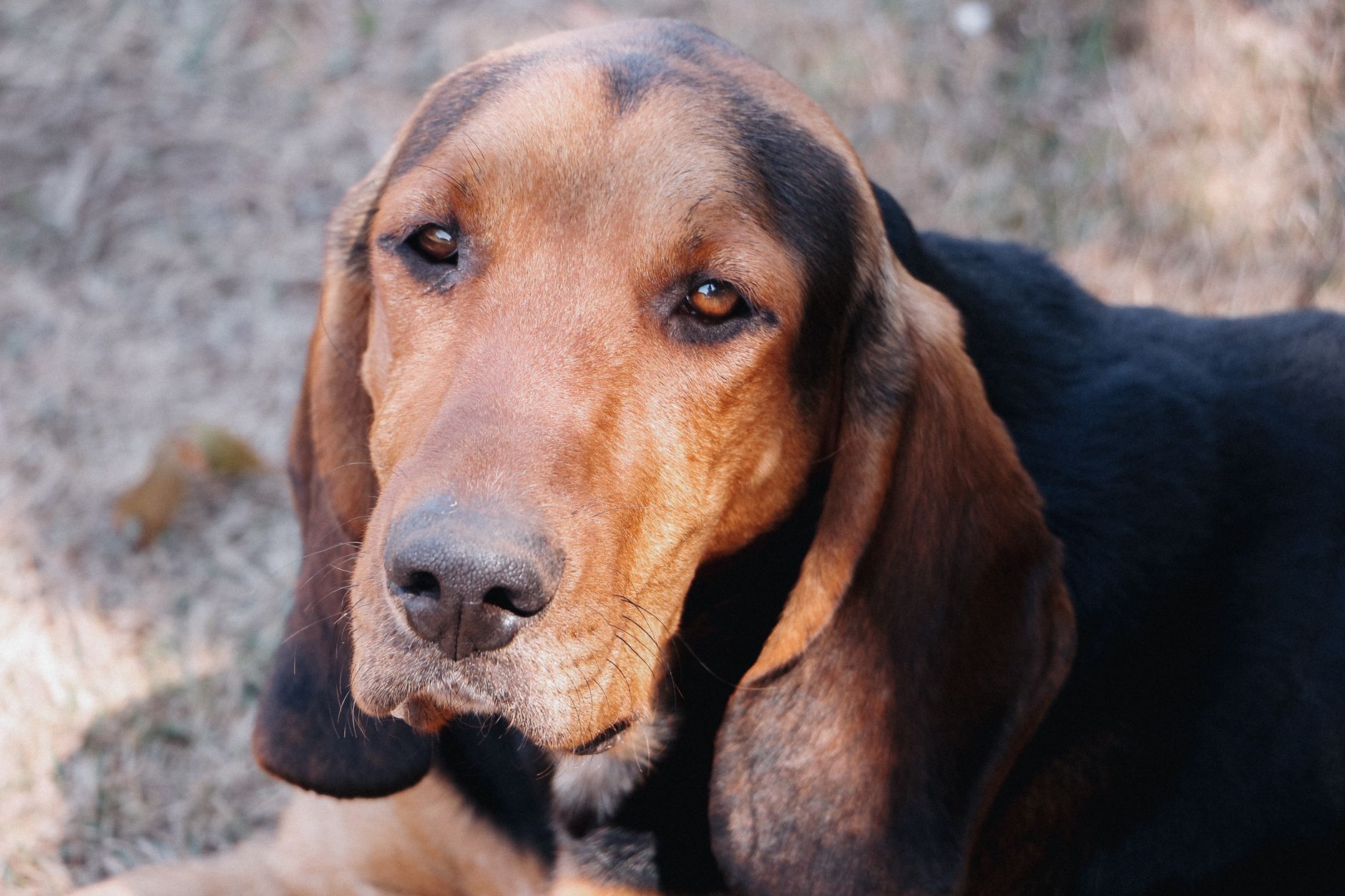
Quick Summary
The Bluetick Coonhound is an athletic, highly vocal scent hound known for its striking mottled coat and relentless work ethic in the field. Ideal for active owners who can manage their intense prey drive and distinct ‘bawl’ howl, they transition into incredibly affectionate, deeply loyal companions when properly exercised. They are best suited for rural or suburban homes with secure, high-fenced yards rather than tight apartment settings.
Quick Facts
- origin countryUnited States
- breed groupHound Group (AKC)
- sizeLarge
- weight range45 to 80 pounds
- height range21 to 27 inches
- lifespan11 to 12 years
- coat typeShort, dense, and glossy
- common colorsBluetick pattern (blue-mottled body with black spots on back, ears, and sides, often with tan markings)
- other namesBluetick
- recognized byAKC, UKC
Caring for a Bluetick Coonhound
In my clinic, I always warn new Bluetick owners that managing their sensory-driven nature is a 24/7 job. These dogs do not just walk; they dissect the world with their noses, which means leash-pulling and sudden bolts after scents are common hurdles. Providing at least 60 to 90 minutes of vigorous daily exercise is non-negotiable to prevent destructive behaviors. Because of their deep chest, you must also carefully manage their feeding and exercise schedules to mitigate life-threatening bloat.
Is a Bluetick Coonhound a good family pet?
Yes, they make wonderfully affectionate family members and are famously gentle and patient with children. However, their sheer size, booming voice, and high energy levels require an active household that can integrate them into daily outdoor adventures.
Do Bluetick Coonhounds shed a lot?
They are moderate, year-round shedders with a short, dense coat that benefits from weekly brushing to keep dead hair under control. In my practice, I find their distinct ‘hound musty odor’ is more of a concern for owners than actual shedding, requiring regular bathing.
Is a Bluetick Coonhound good for first-time owners?
I generally do not recommend Bluetick Coonhounds for novice dog owners due to their independent streak and intense prey drive. Their tendency to ignore commands when on a scent trail and their loud, frequent vocalizations can quickly overwhelm an inexperienced handler.
Temperament & Personality
In the clinic, I see two distinct sides to the Bluetick: a tireless, hyper-focused working machine outdoors, and a surprisingly gentle, couch-loving companion indoors. They are deeply devoted to their human pack and possess a sweet, sensitive nature that does not respond well to harsh treatment. However, they are highly independent thinkers with an innate, booming bark that they use to communicate everything from excitement to boredom.
Is a Bluetick Coonhound good with other pets?
They typically get along well with other dogs, especially other hounds, but their high prey drive makes them highly dangerous to cats, rabbits, and other pocket pets. I always advise extreme caution and early socialization if they must share a home with smaller animals.
How much attention does a Bluetick Coonhound need?
While they are independent outdoors, they are highly social pack animals that crave human companionship and can develop separation anxiety if left alone for long periods. Expect a dog that wants to be in the same room as you, often leaning against your legs or trying to climb onto your lap.
Training & Behavior
Training a Bluetick requires understanding that their nose always takes priority over your voice. I tell my clients that traditional obedience training must be paired with scent-work outlets to truly engage their minds. Positive reinforcement and absolute consistency are key, as they are sensitive dogs that will shut down under harsh correction.
Training Tips
- Use high-value, smelly treats to compete with environmental scents.
- Keep training sessions short (10-15 minutes) and highly engaging.
- Start recall training on day one, but never trust them fully off-leash.
- Incorporate scent games to channel their natural instincts productively.
- Begin crate training early to manage separation anxiety and vocalization.
Fun Activities
- Scent work and tracking trials
- Hiking on a long lead
- Coonhound field trials
- Canicross (hands-free running)
- Agility training
Is a Bluetick Coonhound easy to train?
They are highly intelligent but possess an independent, stubborn streak that makes them more challenging to train than eager-to-please breeds like Retrievers. Success relies on motivating them with scent-based rewards and accepting that if they catch a trail, their instinct will always override their training.
Bluetick Coonhound Health Issues
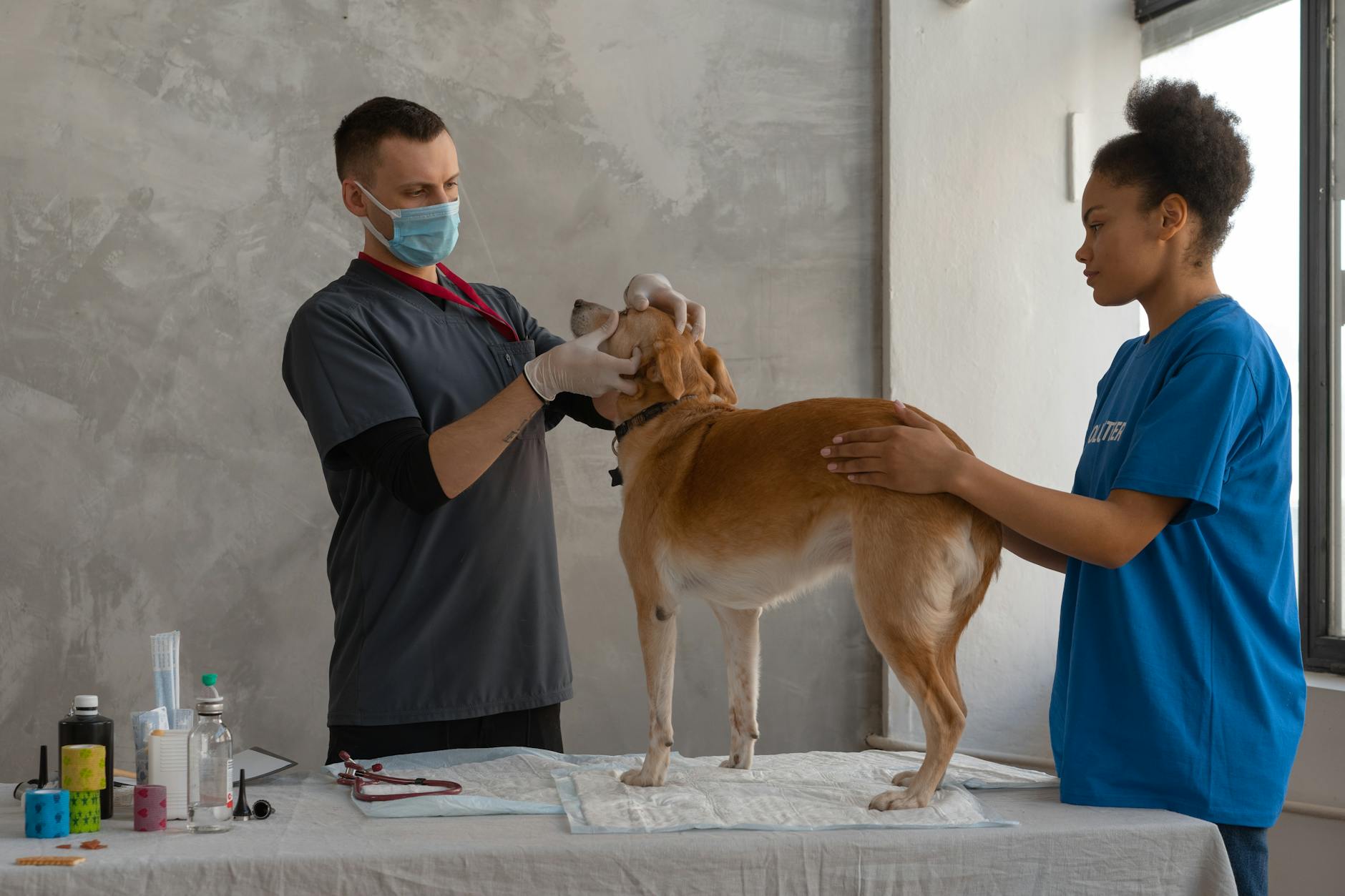
Blueticks are generally a rugged, structurally sound breed, but their deep-chested anatomy and working heritage expose them to specific orthopedic and metabolic conditions. In my years treating them, proactive prevention—especially regarding ear care and bloat—is the key to a long, healthy life.
Gastric Dilation-Volvulus (GDV / Bloat)
A life-threatening condition where the stomach fills with gas and twists on its axis, cutting off blood supply. I strongly recommend prophylactic gastropexy surgery for deep-chested breeds like the Bluetick during their spay or neuter.
Otitis Externa (Ear Infections)
Their long, heavy, pendulous ears trap moisture and debris, creating a perfect breeding ground for yeast and bacteria. I see this weekly in my clinic, and it requires regular cleaning with a veterinarian-approved drying agent.
Hip Dysplasia
A genetic skeletal condition where the ball and socket of the hip joint do not fit properly, leading to progressive arthritis. I always advise purchasing from breeders who provide OFA or PennHIP clearances for the parents.
Coonhound Paralysis (Acute Idiopathic Polyradiculoneuritis)
An acute inflammatory polyneuropathy that causes progressive hind-limb weakness, often triggered by contact with raccoon saliva, though it can occur spontaneously. While rare, it requires intensive supportive care and physical therapy.
Lysosomal Storage Disease (Globoid Cell Leukodystrophy)
A rare, fatal inherited metabolic disease where enzymes fail to break down certain lipids, leading to neurological decline. DNA testing is available and should be performed on breeding stock.
How long do Bluetick Coonhounds typically live?
A healthy Bluetick Coonhound typically lives between 11 to 12 years. Providing high-quality nutrition, maintaining a lean body weight to protect their joints, and staying vigilant about ear care and bloat prevention will maximize their lifespan.
What to Feed a Bluetick Coonhound
Feeding a Bluetick Coonhound requires balancing their high caloric needs when working with their tendency to gain weight when sedentary. Obesity is a major enemy of their joints, so precise portion control is critical.
Best Diet
A high-quality, large-breed adult kibble rich in lean animal proteins and complex carbohydrates is ideal to sustain their muscle mass. For working hounds, a performance formula may be necessary, whereas house pets do better on standard maintenance diets.
How to Feed
To reduce the risk of bloat, always split their daily food into at least two smaller meals rather than one large feeding. I strictly advise waiting at least one hour before and after vigorous exercise before feeding them.
How Much to Feed
Generally, adult Blueticks require 3 to 4 cups of high-quality kibble daily, but this varies wildly based on their weight and activity level. Always consult your veterinarian to calculate exact caloric requirements tailored to your dog’s body condition score.
Nutritional Tips
Incorporate joint supplements containing glucosamine, chondroitin, and Omega-3 fatty acids early in life to support their hardworking joints. Avoid elevated feeders unless specifically recommended by your vet, as recent studies suggest they may increase bloat risk.
Bluetick Coonhound Grooming Guide
While their short coat is low-maintenance, their heavy ears and active outdoor lifestyle demand consistent attention. Expect a quick weekly brush but a highly rigorous ear-care routine.
Coat Care
A weekly brushing with a rubber curry brush or hound glove is all that is needed to remove loose hair and distribute natural skin oils. They only require baths every 4 to 6 weeks, unless they have rolled in something foul on a trail.
Skin Care
Keep an eye out for field injuries, scratches, or hot spots after outdoor excursions, as their active nature makes them prone to minor skin abrasions. Weekly inspections during brushing will catch these early before they infect.
Eye Care
Their prominent, droopy lower eyelids can collect dust and debris, leading to mild conjunctivitis. Wipe their eyes daily with a damp, warm cloth if they tend to collect discharge.
Ear Care
This is the most critical grooming step: clean their ears weekly and after every swim using a veterinarian-recommended drying cleaner. Ensure the canals are completely dry to prevent painful yeast infections.
Nail & Dental Care
Trim their nails every 2 to 3 weeks using a heavy-duty nail clipper or grinder to prevent splitting and joint strain. Brush their teeth at least three times a week with canine toothpaste to combat plaque buildup.
Considerations for Pet Parents
Pros
- Extremely affectionate and loyal family companions
- Incredible tracking and scenting abilities for outdoor enthusiasts
- Generally healthy and structurally robust breed
- Patient and gentle demeanor with children
- Low-maintenance short coat
- Excellent hiking and jogging partners
Cons
- Very loud, booming bawl bark that can disturb neighbors
- High prey drive makes them unsafe around small pets
- Cannot be trusted off-leash in unsecured areas
- Prone to severe, life-threatening bloat (GDV)
- Distinct ‘hound smell’ requires frequent ear cleaning
Best For
Active, outdoor-oriented families or individuals with large, securely fenced yards who want a loyal companion for hiking, running, or scent-work. They thrive with owners who understand hound behavior and don’t mind a highly vocal dog.
Not Recommended For
Apartment dwellers, busy urban environments, or novice owners who cannot provide the intense daily physical and mental exercise these hounds require. They are also unsuitable for homes with small animals like cats or rabbits.
Cost
- purchase price$800 – $2,000
- monthly cost$150 – $250
- initial setupInitial costs of $1,200 to $2,500 cover essential gear like high-quality crates, secure long leashes, microchipping, spaying/neutering, and preventive veterinary care.
Similar Breeds

Bluetick Coonhound FAQs
Do Bluetick Coonhounds bark a lot?
Yes, they are highly vocal and possess a distinct, deep ‘bawl’ bark that they use to communicate. This is an instinctual behavior that cannot be completely trained out of them, making them unsuitable for close-quarter neighborhood living.
How much exercise does a Bluetick Coonhound need?
They require at least 60 to 90 minutes of vigorous daily exercise, including long walks, hikes, or runs. Mental stimulation, such as nose-work games, is equally important to tire out their active minds.
Can a Bluetick Coonhound live in an apartment?
I highly discourage keeping a Bluetick in an apartment due to their loud vocalizations and high energy. They need a spacious, securely fenced yard where they can safely explore and burn off energy.
Are Bluetick Coonhounds smart?
They are highly intelligent but possess a different kind of intelligence than working dogs like Shepherds; they are independent problem-solvers. If they find a scent trail, they will prioritize following it over listening to commands.
Why does my Bluetick Coonhound smell?
Hounds have a natural, musty odor produced by oils in their skin that helped protect them from moisture while hunting. Regular bathing, washing their bedding, and keeping their long ears clean can help manage this distinct scent.
How high can a Bluetick Coonhound jump?
They are incredibly athletic and can easily clear a five-foot fence if motivated by a scent or prey. I recommend a secure, solid fence at least six feet high to keep them safely contained.
Can Bluetick Coonhounds go off-leash?
No, I never recommend letting a Bluetick off-leash in an unsecured area. Their instinctual drive to follow a scent is so powerful that they will run off, completely ignoring any recall commands.
Are they prone to separation anxiety?
Yes, because they are deeply social pack animals, they can suffer from severe separation anxiety if left alone for long periods. This often manifests as destructive chewing or continuous howling.
How do I clean my Bluetick’s ears?
Squeeze a vet-approved ear-cleaning solution into the ear canal, massage the base of the ear for 30 seconds, and let your dog shake. Gently wipe out the debris with a cotton ball; never use Q-tips down the canal.
At what age do Bluetick Coonhounds calm down?
Most Blueticks start to mature and settle down around 2 to 3 years of age. However, they will still retain their working instincts and require daily physical exercise well into their senior years.
Are Bluetick Coonhounds aggressive?
Generally, no; they are known for their gentle, friendly, and laid-back temperaments with humans. However, their high prey drive can be mistaken for aggression when they encounter small animals.
How do I prevent my Bluetick from getting bloat?
Feed them two or three smaller meals per day, avoid exercise for an hour before and after meals, and use slow-feeder bowls. I also highly recommend discussing a prophylactic gastropexy with your vet.
What is the difference between a Bluetick and a Treeing Walker?
While both are excellent scent hounds, Treeing Walkers tend to be faster, slightly more high-strung, and have white, tricolor coats. Blueticks are heavier, slightly slower but more methodical trackers, and possess their signature blue-mottled coat.
Do they drool?
Yes, because of their loose, pendulous lips (jowls), Blueticks will drool, especially after drinking water, when smelling food, or when they are hot. Keep a drool rag handy to wipe their faces.
Are they easy to housebreak?
They can be slightly slower to housebreak than some other breeds due to their stubbornness and love of scents. Consistency, crate training, and immediately cleaning up accidents with enzymatic cleaners are key to success.