
Black and Tan Coonhound Breed Guide
Quick Summary
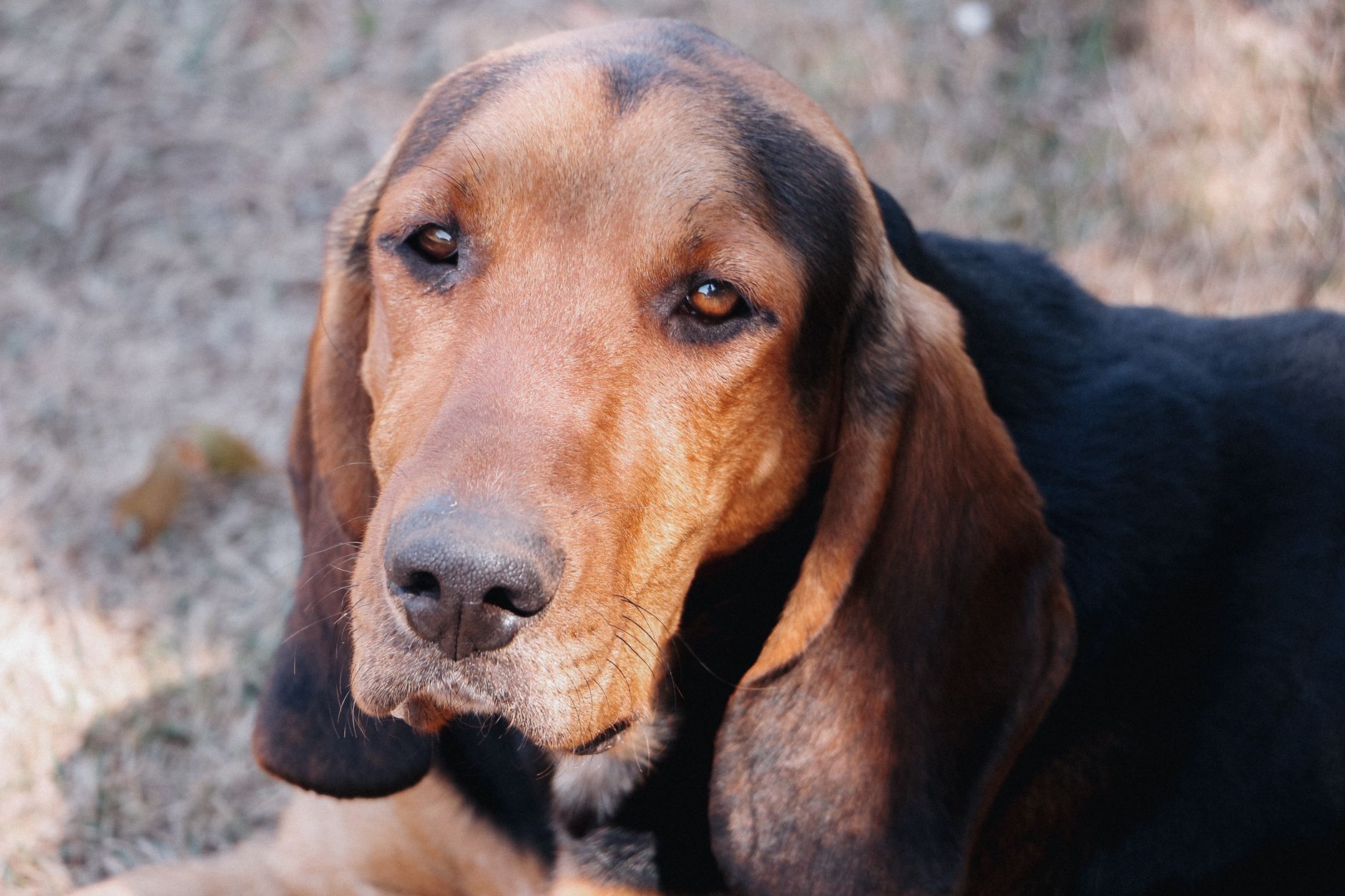
The Black and Tan Coonhound is an athletic, single-minded scent hound bred for tracking, balanced by an incredibly mellow, affectionate disposition at home. In my clinical experience, they are wonderfully loyal companions for active households but require secure fencing and owners who can handle their powerful vocalizations and intense prey drive. They thrive when given a job to do and a soft couch to crash on at the end of the day.
Quick Facts
- origin countryUnited States
- breed groupHound
- sizeLarge
- weight range65 to 110 pounds
- height range23 to 27 inches at the shoulder
- lifespan10 to 12 years
- coat typeShort, dense, and smooth
- common colorsCoal black with rich tan markings
- other namesAmerican Black and Tan Coonhound
- recognized byAKC, UKC, FCI
Caring for a Black and Tan Coonhound
Living with a Black and Tan Coonhound is an exercise in managing a powerful nose and an equally powerful voice. In my practice, I see these dogs thrive best in homes with large, securely fenced yards where they can safely explore scents without wandering off. They need daily physical exercise coupled with mental stimulation, such as scent games or long trail walks on a sturdy leash. Indoors, they are surprisingly quiet couch potatoes, but they do require consistent ear maintenance and a patient approach to training.
Is a Black and Tan Coonhound a good family pet?
Yes, they make wonderful family pets for active households, as they are exceedingly gentle, tolerant, and loyal. However, because of their large size and high prey drive, I recommend supervising them around toddlers and teaching children how to interact safely with a large dog.
Do Black and Tan Coonhounds shed a lot?
They are moderate, year-round shedders. Their short, coarse hair clings easily to furniture and clothing, so I advise weekly brushing with a rubber curry brush to keep loose hair under control and distribute their skin’s natural oils.
Is a Black and Tan Coonhound good for first-time owners?
Generally, no, as their independent streak, intense instinct to follow scents, and booming bay can be overwhelming. I find they are best suited for owners who understand hound behavior and are committed to consistent, positive-reinforcement training.
Temperament & Personality
The temperament of a Black and Tan Coonhound is a study in contrasts: they are fiercely driven, bold, and loud when on a scent trail, yet remarkably calm, sweet-tempered, and clownish at home. What I see most often in practice is their profound loyalty and gentle nature with their human families. They are highly social pack animals who dislike being left isolated for long periods and will express their loneliness with a mournful, neighborhood-shaking bay.
Is a Black and Tan Coonhound good with other pets?
They typically get along fantastic with other dogs, often thriving in multi-dog households. However, because of their historical breeding to pursue game, they have a high prey drive and can be highly dangerous to cats, rabbits, and other small pocket pets unless raised with them from early puppyhood under close supervision.
How much attention does a Black and Tan Coonhound need?
While they are independent thinkers, they are highly social and crave human companionship. I always tell owners that leaving a Black and Tan alone in a backyard all day is a recipe for destructive digging, escape attempts, and chronic howling.
Training & Behavior
Training a Black and Tan Coonhound requires an abundance of patience and a deep appreciation for the hound mind. They are not eager-to-please in the way a Golden Retriever is; instead, they are hardwired to think independently and follow their noses above all else. In my years treating this breed, I have found that traditional, harsh training methods fail completely, whereas positive reinforcement using high-value food rewards yields excellent results.
Training Tips
- Use exceptionally smelly, high-value treats to compete with environmental scents.
- Keep training sessions short, fun, and varied to prevent boredom.
- Begin leash training and recall practice from day one, though never trust them off-leash in an unsecured area.
- Incorporate scent-work games to channel their natural instincts productively.
- Focus heavily on desensitization to prevent barrier frustration and excessive baying.
Fun Activities
- Scent work and tracking trials
- Hiking on a long line or sturdy leash
- AKC Coonhound field trials
- Canicross or slow jogging
- Interactive puzzle toys and snufflemats
Is a Black and Tan Coonhound easy to train?
They are highly intelligent but can be stubborn and easily distracted by smells. I tell my clients that training a Coonhound is less about command obedience and more about building a partnership, keeping sessions rewarding, and managing their environment.
Black and Tan Coonhound Health Issues
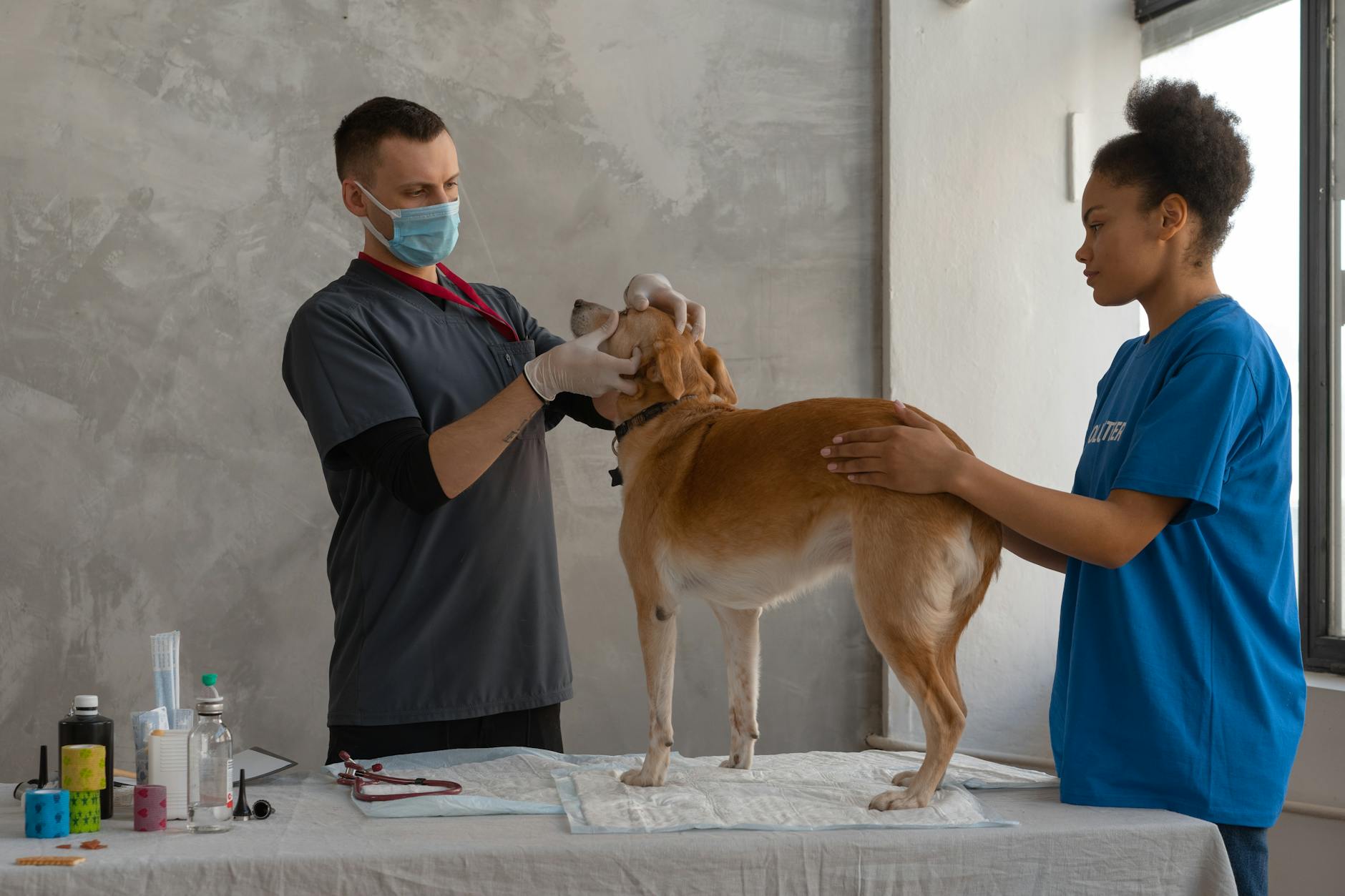
Overall, the Black and Tan Coonhound is a robust and hardy working breed. However, like all large, deep-chested dogs, they are genetically predisposed to specific structural and inherited conditions that require veterinary vigilance.
Gastric Dilatation-Volvulus (GDV or Bloat)
A life-threatening emergency where the stomach fills with gas and twists on its axis, cutting off blood flow. Because of their deep chests, this is a major risk for Coonhounds.
Hip Dysplasia
An inherited skeletal condition where the ball and socket of the hip joint do not fit properly, leading to progressive arthritis and joint degeneration.
Otitis Externa (Ear Infections)
Due to their long, heavy pendulous ears, moisture, wax, and debris easily get trapped inside the canal, creating a perfect breeding ground for yeast and bacteria.
Ectropion and Entropion
Eyelid abnormalities where the eyelid either rolls outward (ectropion) or inward (entropion), causing irritation, tear overflow, or corneal damage.
Hypothyroidism
An underactive thyroid gland that slows down the dog’s metabolism, which is fairly common in mature medium-to-large breeds.
How long do Black and Tan Coonhounds typically live?
With proper nutrition, regular veterinary care, and joint support, they typically live between 10 and 12 years, which is a standard lifespan for a dog of this size.
What to Feed a Black and Tan Coonhound
Proper nutrition is vital for keeping a large, active working dog healthy. In my clinic, I place a strong emphasis on maintaining a lean body condition to protect their joints, as excess weight drastically accelerates the progression of hip dysplasia.
Best Diet
An high-quality, large-breed adult dog food formulated to support joint health with added glucosamine and chondroitin is ideal. If they are working or highly active, a formula with a slightly higher protein-to-fat ratio may be warranted, but consult your vet first.
How to Feed
I strongly advise dividing their daily food allotment into two or three smaller meals rather than one large feeding to minimize the risk of bloat. Additionally, avoid heavy exercise, running, or working for at least one hour before and after meals.
How Much to Feed
Adults generally require 3 to 5 cups of high-quality dry kibble daily, depending on their weight, age, and activity level. Always use a measuring cup rather than eyeballing it, and adjust portions based on regular body condition scoring.
Nutritional Tips
Incorporate Omega-3 fatty acid supplements (like high-quality wild-caught fish oil) to support their joint health and keep their short, dense coats shiny. Always provide constant access to clean, fresh water, especially after outdoor tracking sessions.
Black and Tan Coonhound Grooming Guide
Grooming a Black and Tan Coonhound is relatively straightforward due to their short coat, but their massive ears and skin folds require consistent, specialized attention to prevent chronic dermatological issues.
Coat Care
Brush their short, dense coat once a week with a rubber curry brush or hound glove to remove loose hair. Bathe them every 4 to 6 weeks, or as needed when they roll in something pungent, which their noses often lead them to.
Skin Care
Regularly inspect their skin folds, especially around the muzzle, for signs of moisture, redness, or yeast dermatitis. Keep these areas clean and dry.
Eye Care
Because their lower eyelids can sag slightly, check their eyes daily for debris, pollen, or redness, wiping away any discharge gently with a damp cotton ball.
Ear Care
This is the most critical step. Clean their long, floppy ears weekly using a veterinarian-approved, drying ear cleanser to flush out trapped moisture and wax, and always dry them thoroughly after swimming or bathing.
Nail & Dental Care
Trim their strong, thick nails every 3 to 4 weeks using heavy-duty clippers or a dremel, and brush their teeth at least three times a week with dog-safe toothpaste to prevent periodontal disease.
Considerations for Pet Parents
Pros
- Incredibly gentle, sweet, and patient temperament at home
- Extremely loyal and excellent companions for active outdoor enthusiasts
- Low-maintenance coat that is easy to brush and wash
- Generally gets along very well with other medium-to-large dogs
- Excellent tracking abilities for organized search or sport work
Cons
- Loud, booming bay that can disturb close neighbors
- Extremely strong prey drive and cannot be trusted off-leash
- Prone to chronic ear infections if ears are not cleaned weekly
- Can be stubborn and difficult to train for traditional obedience
- Prone to ‘hound odor’ due to oily skin glands
Best For
Active families or individuals with large, securely fenced properties who enjoy outdoor activities like hiking and can tolerate a vocal, scent-driven companion.
Not Recommended For
Apartment dwellers, suburban homes with strict noise ordinances, or busy owners who cannot dedicate time to training, exercising, and managing a large scent hound.
Cost
- purchase price$800 to $2,000 from a reputable breeder
- monthly cost$150 to $250 for food, preventative medications, and routine vet visits
- initial setupInitial costs will range from $1,200 to $2,500, which includes high-quality crates, extra-secure fencing upgrades, vaccines, spaying/neutering, and basic gear.
Similar Breeds

Black and Tan Coonhound FAQs
Do Black and Tan Coonhounds bark a lot?
Yes, they do not just bark; they possess a distinct, deep, booming ‘bay’ designed to carry over long distances. They will bay when they catch an interesting scent, see an animal, or feel lonely, making them poor choices for apartment living.
Can they be trusted off-leash?
Absolutely not. Once a Black and Tan Coonhound catches a scent, their instinct overrides all commands, and they will follow it for miles. I always advise keeping them on a leash or within a securely fenced area.
Why do they have such long ears?
Their long, pendulous ears serve an evolutionary purpose: as the dog runs with its nose to the ground, the ears sweep forward, acting as fans that kick up and trap scent molecules close to their highly sensitive nose.
What is Coonhound Paralysis?
Formally known as Acute Idiopathic Polyradiculoneuritis, it is an immune-mediated inflammation of the nerves often triggered after contact with raccoon saliva. It causes progressive weakness starting in the hind legs, requiring immediate veterinary care.
Do they have a strong ‘doggy’ smell?
Yes, like many scent hounds, they have active sebaceous glands that produce natural protective oils on their skin. This can give them a distinct ‘houndy’ odor, which can be managed with regular bathing and keeping their ears clean.
How much exercise do they need daily?
They require at least 60 to 90 minutes of daily physical exercise. Simply letting them out in the yard isn’t enough; they need active, engaging exercise like long walks, jogs, or scent tracking games to keep them mentally satisfied.
Are they easy to housebreak?
They can take a bit longer to housebreak than some other breeds due to their independent nature. Consistent scheduling, crate training, and immediate praise with high-value treats when they go outside are the keys to success.
Are they prone to separation anxiety?
Because they were bred to work in close packs and alongside humans, they can easily develop separation anxiety. I recommend crate training early on and avoiding dramatic departures or arrivals to keep them calm.
How do they handle hot and cold weather?
They are quite adaptable but generally tolerate heat better than extreme cold due to their short coats. In freezing temperatures, they should not be left outdoors for extended periods, and some may benefit from a winter coat.
Can they live with cats?
It is highly risky. While some can coexist peacefully with cats if raised with them from early puppyhood, their hardwired instinct is to tree small animals. I always advise extreme caution and active supervision.
What kind of collar or harness is best for them?
A wide, padded flat collar or a front-clip harness is ideal. Because they are incredibly strong pullers when tracking a scent, a front-clip harness helps you maintain control without putting dangerous pressure on their necks.
Should I get a gastropexy for my Coonhound?
Because of their deep chests and high risk of life-threatening bloat (GDV), I highly recommend discussing a preventative gastropexy (stomach tacking surgery) with your vet, which can be performed at the same time as their spay or neuter.