
Bedlington Terrier Breed Guide
Quick Summary
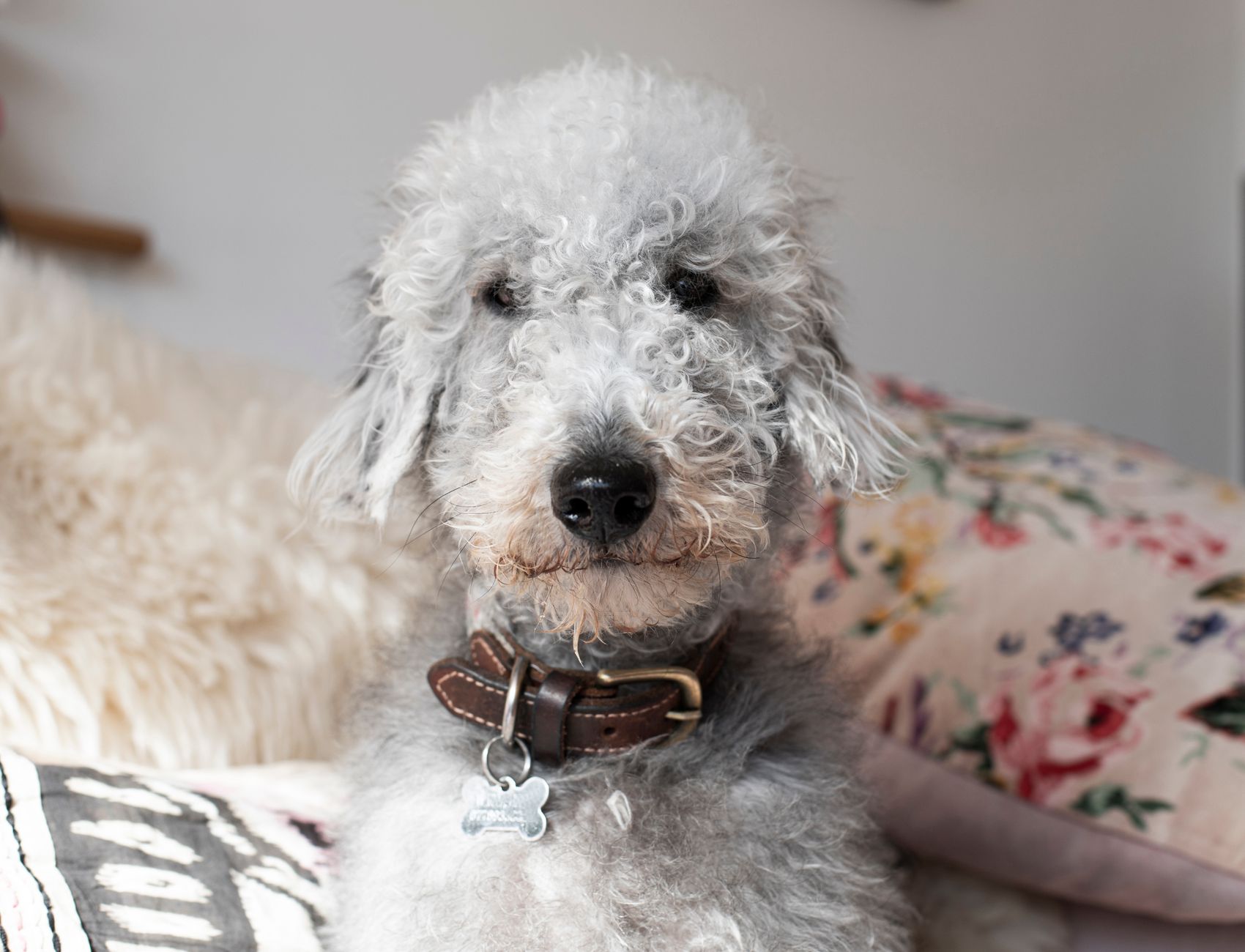
The Bedlington Terrier is an elegant, lamb-like companion with the spirited heart and athletic prowess of a true sighthound and terrier. Exceptionally loyal and far gentler indoors than most of their terrier cousins, they are superb watchdogs who form deep bonds with their families. They are best suited for active households that can commit to a rigorous grooming schedule and prioritize vital genetic health screening.
Quick Facts
- origin countryUnited Kingdom
- breed groupTerrier Group
- sizeMedium
- weight range17 to 23 pounds
- height range15 to 17.5 inches
- lifespan11 to 16 years
- coat typeCrispy, linty mixture of hard and soft hair, standing out from the skin
- common colorsBlue, sandy, liver, blue and tan, sandy and tan, liver and tan
- other namesRothbury Terrier, Rodbery Terrier
- recognized byAKC, UKC, KC, FCI
Caring for a Bedlington Terrier
In my practice, I find Bedlingtons to be absolute chameleons—couch potatoes inside, but high-velocity athletes the second they hit the grass. Managing daily life with them means providing solid physical exercise while maintaining a strict, non-negotiable brushing routine to manage their unique, non-shedding coat. Because they are sighthounds in terrier clothing, you must keep them on-leash in unsecured areas, as their instinct to chase is incredibly strong. I always tell owners that behind that sweet, woolly face lies a highly capable working dog that requires mental stimulation as much as physical activity.
Is a Bedlington Terrier a good family pet?
Yes, they make wonderful family pets and are generally much gentler and less reactive indoors than many other terrier breeds. They form deep bonds with their human family and are highly affectionate, though they should be socialized early to handle a busy household’s energy.
Do Bedlington Terriers shed a lot?
No, they are virtually non-shedding and are highly favored by allergy sufferers. However, because their coat traps dead hair rather than releasing it, they require intensive brushing to prevent severe matting.
Is a Bedlington Terrier good for first-time owners?
They can be a good fit if the owner is committed to high-maintenance grooming and understands terrier independence. However, because of their strong prey drive and need for highly consistent, positive reinforcement training, they can be more challenging than traditional companion breeds.
Temperament & Personality
In my years treating this breed, I have found Bedlingtons to be far more docile, quiet, and sensitive than your average terrier. Often described as having a ‘lamb-like’ disposition, they are deeply loyal and remarkably attuned to their owner’s emotions. However, don’t let their gentle demeanor fool you; if challenged or provoked, their ancestral courage emerges, and they will not back down. They possess an independent streak and a keen, alert nature that makes them excellent, non-yappy watchdogs.
Is a Bedlington Terrier good with other pets?
They can co-exist beautifully with other household dogs if socialized early, but they should never be trusted around small animals like rabbits or hamsters due to their hunting history. Because of their terrier heritage, they may not back down if another dog initiates a confrontation.
How much attention does a Bedlington Terrier need?
They are highly people-oriented and thrive on being part of daily household activities, making them prone to distress if left isolated. They need regular interaction, play sessions, and physical closeness to their owners to remain emotionally balanced.
Training & Behavior
When training a Bedlington, I always advise clients that harsh methods will completely backfire; this is a highly sensitive breed that will shut down under pressure. They respond beautifully to positive, reward-based training paired with absolute consistency. While they are highly intelligent and capable of learning complex tasks, they do possess a classic terrier stubbornness and can easily become bored with repetitive drills.
Training Tips
- Use high-value treats and praise to counter their sensitive nature.
- Keep training sessions short, dynamic, and fun to prevent boredom.
- Focus heavily on recall training early, though never rely on it 100% off-leash.
- Expose them to various sounds, sights, and people during the critical socialization window (weeks 8-16).
- Establish consistent household rules from day one to manage their stubborn streak.
Fun Activities
- Agility courses to channel their speed and intelligence.
- Lure coursing, which taps into their natural sighthound instincts.
- Earthdog trials to satisfy their terrier digging and hunting drives.
- Scent work and tracking games.
- Daily interactive fetch games in a securely fenced yard.
Is a Bedlington Terrier easy to train?
They are highly intelligent and eager to please, which makes them easier to train than many other terriers, but they are not as naturally compliant as gundogs. Success requires patience, creative positive reinforcement, and a gentle hand, as they do not tolerate harsh corrections.
Bedlington Terrier Health Issues

The Bedlington Terrier is generally a robust and athletic breed, but they are genetically predisposed to several specific hereditary conditions. In clinical practice, our primary focus is managing and testing for Copper Toxicosis, a historically devastating disease that we can now thankfully screen for with advanced DNA testing.
Copper Toxicosis (Copper Storage Disease)
An autosomal recessive metabolic disorder where the liver fails to properly excrete copper, leading to toxic accumulation, chronic hepatitis, and eventual liver failure. Due to modern DNA screening for the COMMD1 gene mutation, we can identify carriers and affected dogs before symptoms develop.
Retinal Dysplasia
A congenital abnormal development of the retina that can cause blind spots or, in severe cases, complete retinal detachment and blindness. Responsible breeders have their dogs’ eyes certified annually by a veterinary ophthalmologist.
Renal Cortical Hypoplasia
An inherited condition where the kidneys do not fully develop, leading to early-onset chronic kidney failure as the kidneys struggle to filter waste products from the blood.
Distichiasis
The growth of extra eyelashes from the oil glands along the eyelid margin, which rub against the cornea and cause chronic irritation, tearing, or corneal ulcers.
Patellar Luxation
A common orthopedic condition where the kneecap slips out of its normal anatomical groove, causing temporary lameness or a ‘skipping’ gait, which can lead to osteoarthritis over time.
How long do Bedlington Terriers typically live?
With proper veterinary care, genetic screening, and a high-quality diet, Bedlington Terriers enjoy a long lifespan, typically living between 11 and 16 years. Many of my patients in this breed reach their mid-teens in excellent health.
What to Feed a Bedlington Terrier
Nutrition for a Bedlington Terrier must be carefully managed to maintain their lean, athletic build. Because of their historical risk for Copper Toxicosis, diet formulation can sometimes require specialized veterinary oversight, particularly if a dog carries the genetic trait.
Best Diet
If your Bedlington is a carrier or affected by Copper Toxicosis, a prescription low-copper diet is clinically mandatory. For clear dogs, a high-quality, age-appropriate commercial diet with moderate protein and fat is ideal, focusing on real meat sources and avoiding foods with excessive organ meats or shellfish, which are naturally high in copper.
How to Feed
I recommend splitting their daily food ration into two measured meals rather than free-feeding to prevent obesity and digestive upset. Use measuring cups or a kitchen scale to ensure precise portions, as their woolly coat can easily mask weight gain.
How Much to Feed
Typically, an adult Bedlington requires between 1 to 1.5 cups of high-quality dry kibble daily, divided into two meals. However, exact caloric needs vary widely based on individual metabolism, age, and activity level, so consult your veterinarian to customize a feeding plan.
Nutritional Tips
Always check the copper levels in your dog’s drinking water if you have copper piping, as even small amounts can impact a sensitive dog. Additionally, limit high-copper treats such as beef liver, kidneys, and certain seeds or nuts.
Bedlington Terrier Grooming Guide
I always warn prospective owners that the Bedlington Terrier’s grooming needs are among the most demanding in the canine world. Their unique coat, which is a mix of hard and soft hairs that curl, requires a specialized clipping technique to achieve their signature ‘lamb’ look.
Coat Care
You must brush and comb your Bedlington’s coat at least two to three times a week down to the skin to prevent dense mats from forming. They require professional clipping or a highly skilled owner-groomer every six to eight weeks to maintain their coat’s health and shape.
Skin Care
Because they require frequent bathing and clipping, use a gentle, hypoallergenic dog shampoo to avoid stripping the natural oils from their skin, which can lead to dry, itchy patches.
Eye Care
Keep the hair around their eyes trimmed short to prevent irritation from stray curls, and wipe away any daily tear staining with a damp cloth.
Ear Care
Their drop ears have hair growing inside the canal, which traps moisture; they require regular plucking and cleaning with a vet-approved drying agent to prevent otitis externa.
Nail & Dental Care
Trim their fast-growing nails every 3 to 4 weeks, and brush their teeth at least three times weekly with veterinary toothpaste to combat periodontal disease.
Considerations for Pet Parents
Pros
- Virtually non-shedding, excellent for allergy sufferers.
- Gentler and quieter indoors than most other terriers.
- Highly loyal and forms deep, affectionate family bonds.
- Surprising athletic capability, making them great running partners.
- Striking, unique appearance that turns heads.
- Excellent, vigilant watchdog without being overly aggressive.
Cons
- Extremely demanding and expensive professional grooming requirements.
- High prey drive requires constant on-leash management and secure fencing.
- Potential for serious genetic health issues like Copper Toxicosis if not properly screened.
- Can be stubborn and independent during training.
Best For
Active families, allergy sufferers, or individuals who can commit to intensive professional grooming every 6 weeks and are looking for an affectionate, active companion that is calm inside the house.
Not Recommended For
Sedentary owners, those living in homes with small pocket pets, or busy individuals who cannot commit the time or budget required for professional grooming and regular mental enrichment.
Cost
- purchase price$1,500 to $2,500
- monthly cost$150 to $250
- initial setupInitial setup costs, including crate, high-quality grooming tools, vet visits, and DNA health testing, typically range from $1,000 to $1,500.
Similar Breeds


Bedlington Terrier FAQs
Are Bedlington Terriers hypoallergenic?
Yes, their low-shedding, low-dander coat makes them an excellent choice for allergy sufferers, though no dog is 100% hypoallergenic. Regular grooming is still necessary to minimize dander trapped in the fur.
Why do Bedlington Terriers look like lambs?
Their lamb-like appearance is a result of their unique curly coat and a traditional grooming style designed to protect them from quarry and brush when they worked as hunting dogs.
Do Bedlington Terriers bark a lot?
They are generally quieter than other terriers, but they will bark to alert you of visitors or if they feel neglected or bored. Early training helps manage this alert barking.
What is Copper Toxicosis in Bedlington Terriers?
It is an inherited metabolic disease where copper builds up in the liver; it can be entirely prevented or managed if breeders utilize DNA screening to ensure they do not breed affected dogs.
Are Bedlington Terriers fast runners?
Yes, they have a distinctive roached back and flexible spine (similar to a Whippet) which allows them to run at incredible speeds using a gallop. They are exceptionally swift and agile.
Can Bedlington Terriers live in apartments?
Yes, they adapt well to apartment living provided they receive adequate daily outdoor exercise, such as brisk walks and the opportunity to run in a safely enclosed area.
Do Bedlington Terriers have a high prey drive?
Absolutely. They were originally bred to hunt vermin, badgers, and otters, so they will readily chase cats, squirrels, and other small animals unless raised with them from puppyhood.
How often should you cut a Bedlington Terrier’s hair?
Their coat should be professionally clipped every 6 to 8 weeks to maintain the traditional clip and prevent painful mats, in addition to weekly brushing.
Are Bedlington Terriers prone to separation anxiety?
Yes, they are highly sensitive and form very close bonds with their owners, making them prone to distress if left alone for long periods without proper crate training and mental toys.
Do Bedlington Terrier puppies change color?
Yes, puppies are born dark (black or brown) and gradually lighten to their adult shades of blue, sandy, or liver as they mature over their first year of life.
Are Bedlington Terriers aggressive?
No, they are generally sweet-tempered and non-aggressive, though they will fiercely defend themselves if attacked or provoked by another dog due to their courageous terrier heritage.
How much exercise does a Bedlington Terrier need?
They need about 60 minutes of daily exercise, including brisk walks, play sessions, or the opportunity to run in a safely enclosed, high-fenced area.
What is the ‘topknot’ on a Bedlington Terrier?
The topknot is the rounded cap of lighter, silkier hair left on the crown of the head during professional grooming, which is a signature cosmetic trait of the breed.
How do you test a Bedlington Terrier for Copper Toxicosis?
A veterinarian can perform a simple DNA swab or blood test to check for the COMMD1 gene mutation, which is the gold standard for identifying clear, carrier, or affected status.
Sources & Further Reading
- American Kennel Club (AKC)
- American Veterinary Medical Association (AVMA)
- Merck Veterinary Manual
- PetMD