
Azawakh Breed Guide

Quick Summary
The Azawakh is an exquisitely elegant, fiercely loyal sighthound from the Sahel region of Africa, possessing an independent spirit and a deeply protective nature. In my years treating this breed, I emphasize that their unique, ultra-lean anatomy is not a sign of malnutrition, but rather an adaptation for speed and heat tolerance. They are best suited for experienced, active owners who understand the aloof temperament of sighthounds and can provide a secure environment for their high prey drive.
Quick Facts
- origin countryMali, Niger, and Burkina Faso
- breed groupHound
- sizeLarge and slender
- weight range33 to 55 pounds (15 to 25 kg)
- height range23 to 29 inches (58 to 74 cm)
- lifespan12 to 15 years
- coat typeExtremely short and fine
- common colorsFawn, sand, red, brindle, black, and blue, typically with white flash markings on the chest and feet
- other namesTuareg Sloughi, Idi, Oska
- recognized byAKC, UKC, FCI
Caring for a Azawakh
Living with an Azawakh is like sharing your home with an elegant athlete that possesses a wild heart. In my clinical experience, they thrive best when fully integrated into the home as true family members, though they maintain a distinct, cat-like independence. They require daily opportunities to run at full sprint in a safely fenced, high-walled area, as their sighthound instinct makes off-leash park visits dangerous. Because of their thin skin and lack of body fat, they are highly sensitive to cold weather and must live indoors with protective coats for winter outings.
Is an Azawakh a good family pet?
They can be wonderful, deeply loyal family pets for households with older, respectful children. However, their aloof nature means they do not tolerate roughhousing, and they are not typical, eager-to-please family dogs.
Do Azawakhs shed a lot?
No, their shedding is minimal to nonexistent due to their paper-thin, single coat. A quick weekly brush with a soft-bristle brush or rubber grooming mitt is usually all it takes to manage their coat.
Is an Azawakh good for first-time owners?
Absolutely not. In my practice, I find that their intense independence, strong protective instincts, and high prey drive can overwhelm novices; they require an owner who deeply understands sighthound psychology.
Temperament & Personality

The Azawakh is intensely loyal and affectionate with their chosen family but highly aloof, reserved, and suspicious of strangers. Unlike many other sighthounds, they possess a strong guardian instinct, a legacy of their history protecting nomadic camps. They are quiet and calm indoors, often seeking out the warmest spot in the house to curl up, but transform into fiercely focused athletes outdoors.
Is an Azawakh good with other pets?
They can co-exist with other medium-to-large dogs if raised together, but their extremely high prey drive makes them dangerous for small animals like cats, rabbits, or toy dogs. Even indoors, sudden movements can trigger their chase instinct.
How much attention does an Azawakh need?
While they are independent and happy to snooze for hours, they require a deep emotional bond with their family. They do not do well when left isolated in yards or boarding kennels, as they crave physical closeness to their inner circle.
Training & Behavior
Training an Azawakh requires a delicate balance of absolute consistency and gentle positive reinforcement. Clinically, I find that harsh training methods will cause them to shut down completely, as they are highly sensitive. I always tell owners to focus heavily on early, structured socialization to mitigate their natural suspicion of strangers and novel environments.
Training Tips
- Use high-value, smelly treats to keep their independent mind engaged
- Never use physical corrections or harsh voice tones as they are incredibly sensitive
- Begin intensive socialization from 8 weeks of age to manage their natural guarding instinct
- Keep training sessions short, varied, and mentally stimulating to prevent boredom
- Practice recall in securely fenced areas, but never rely on it in an open space
Fun Activities
- Lure coursing
- Fast CAT (Coursing Ability Test)
- Agility training
- Canicross in moderate temperatures
- Free sprinting in secure 6-foot fenced fields
Is an Azawakh easy to train?
They are highly intelligent but not easy to train in the traditional sense, as they are independent thinkers. They will cooperate beautifully if they trust and respect you, but will ignore commands they deem pointless.
Azawakh Health Issues
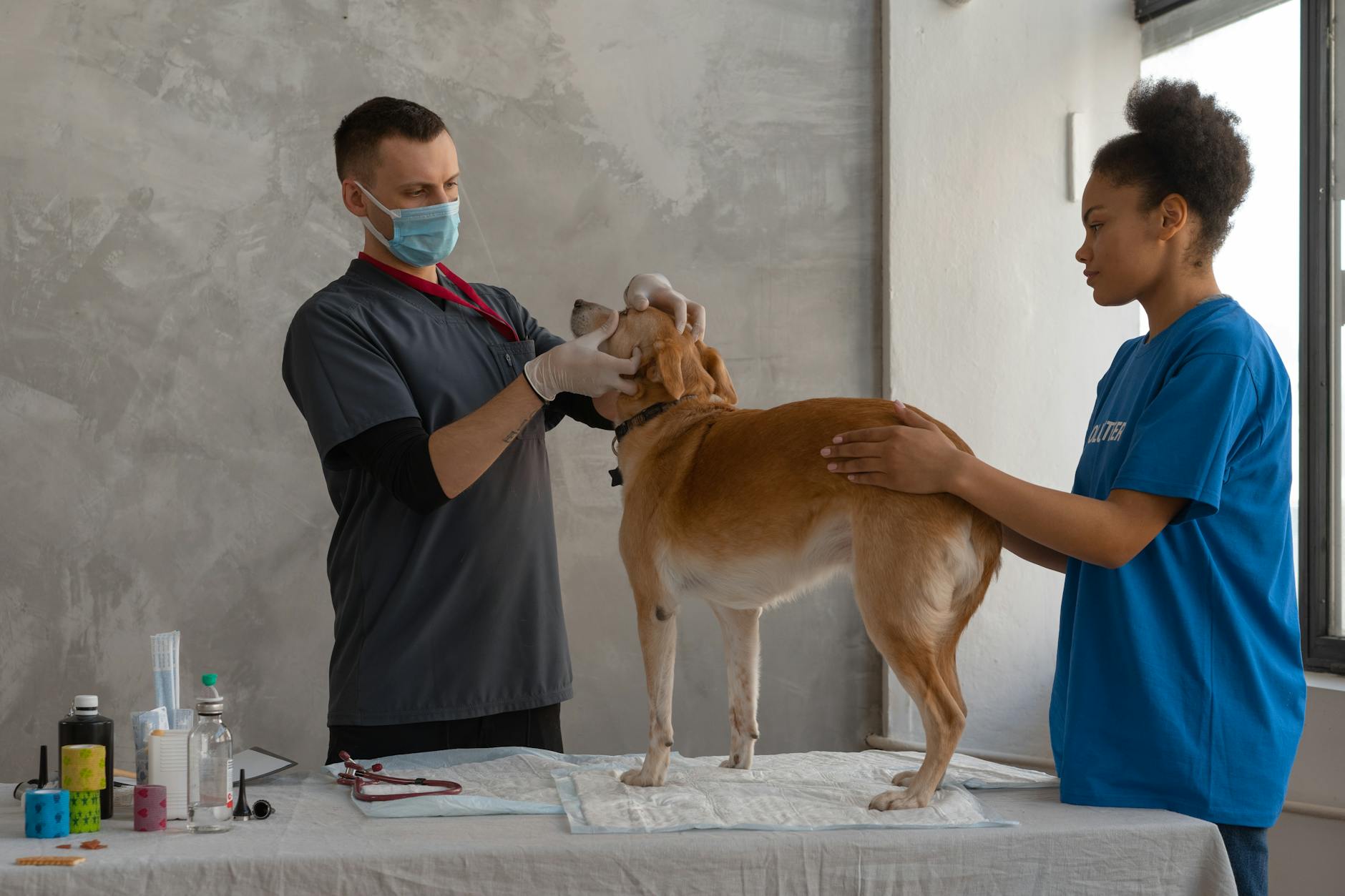
The Azawakh is generally a remarkably robust and hardy breed, forged by the harsh conditions of the Sahel desert. However, their unique physiology introduces specific clinical risks, particularly regarding anesthesia sensitivity, bloat, and idiopathic epilepsy.
Gastric Dilatation-Volvulus (GDV/Bloat)
A life-threatening emergency where the deep, narrow chest allows the stomach to fill with gas and twist on its axis, cutting off blood supply. This requires immediate surgical intervention to untwist the stomach and perform a gastropexy.
Anesthetic Sensitivity
Like most sighthounds, Azawakhs have very low body fat percentages (often under 10%) and unique liver pathways, meaning they metabolize anesthetic agents differently than other breeds. Standard dosing can lead to accidental overdose and hypothermia during surgery.
Idiopathic Epilepsy
A neurological condition characterized by recurrent, unprovoked seizures, typically manifesting between 2 and 5 years of age. While frightening, it is manageable with lifelong anticonvulsant medications and regular blood monitoring.
Hypothyroidism
An underactive thyroid gland that leads to a slowed metabolism, which can compromise their overall energy levels, coat quality, and systemic health. Diagnosed via a full thyroid panel, it is easily treated with daily oral hormone replacement.
Spondylosis and Cervical Vertebral Instability
Though less common, spinal compression issues can occur in older, highly active sighthounds, affecting their gait and causing spinal pain. Prompt diagnosis via X-rays or MRI is vital to prevent permanent nerve damage.
How long do Azawakhs typically live?
With appropriate veterinary care, a high-quality diet, and protection from extreme cold, Azawakhs are long-lived for a large breed, routinely reaching 12 to 15 years of age.
What to Feed a Azawakh
Feeding an Azawakh requires understanding their unique, metabolic athletic build; they should look incredibly lean, with 3 to 5 ribs and hip bones clearly visible. In my practice, I frequently have to reassure owners that a healthy Azawakh is not starved, and overfeeding to make them look ‘normal’ places dangerous stress on their joints and organs.
Best Diet
A high-quality, calorie-dense kibble formulated for active large breeds, or a carefully balanced veterinary-approved whole-food diet is ideal. Sighthounds have high metabolic rates but do not require excessively high protein levels unless they are actively competing.
How to Feed
Due to the extreme risk of GDV (bloat), I strictly recommend feeding them at least two, preferably three, smaller meals a day. Always restrict strenuous exercise or running for at least 1 to 2 hours before and after eating.
How Much to Feed
Portions vary wildly based on activity level and age, but generally ranges from 2.5 to 4 cups of high-quality dry food daily. Always consult your vet to adjust intake based on body condition scoring rather than raw weight.
Nutritional Tips
Incorporating omega-3 fatty acid supplements (such as wild-caught fish oil) is highly beneficial to support their skin health, which is prone to dryness, and to protect their athletic joints.
Azawakh Grooming Guide
The Azawakh is one of the lowest-maintenance breeds when it comes to coat care, but their thin skin and lack of subcutaneous fat require specific attention. Their grooming routine is more about skin protection and basic hygiene than managing fur.
Coat Care
Their short, fine coat needs only a weekly wipe-down with a damp cloth or a soft rubber curry brush to remove loose hairs and dust. They lack the typical ‘doggy odor’ and rarely need baths.
Skin Care
Because their skin is so thin and exposed, they are highly prone to pressure sores on their hocks and elbows if they sleep on hard surfaces. Always provide plush, orthopedic bedding to prevent these painful calluses.
Ear Care
Their drop ears should be inspected weekly for dirt, wax accumulation, or signs of irritation, and cleaned gently with a vet-approved ear flush when necessary.
Nail & Dental Care
Their nails grow incredibly fast and must be trimmed or dremeled weekly to maintain proper foot structure. Daily brushing with canine toothpaste is critical to prevent periodontal disease.
Considerations for Pet Parents
Pros
- Extremely low grooming and bathing requirements
- Quiet, calm, and cat-like indoors
- Deeply loyal and protective of their family
- Highly athletic and perfect running partners
- Generally robust and long-lived for their size
- Fascinating, ancient history and striking appearance
Cons
- Highly aloof and suspicious of strangers
- Extremely high prey drive; cannot be trusted off-leash
- Highly sensitive to cold weather and rain
- Prone to severe separation anxiety if isolated
- Not suitable for homes with small pets or young, boisterous children
Best For
An experienced, active owner or family living in a moderate-to-warm climate with a securely fenced yard, who appreciates an independent, loyal guardian dog and has the time to dedicate to early, thorough socialization.
Not Recommended For
Novice dog owners, households with small animals, individuals who live in extremely cold climates without proper heating/gear, or those who want an outgoing, highly social, friendly-to-everyone dog.
Cost
- purchase price$1,500 to $3,000 USD
- monthly cost$150 to $250 USD
- initial setupExpect to spend $1,000 to $1,500 initially for high-quality winter coats (which are mandatory), orthopedic bedding, a secure harness, and veterinary baseline exams.
Similar Breeds


Azawakh FAQs
Why is my Azawakh so skinny? Are they unhealthy?
No, their extreme slenderness is a natural genetic trait. Their standard body condition score dictates that their hip bones and 3 to 5 ribs should always be visible; adding excess weight actually strains their joints and heart.
Do Azawakhs bark a lot?
They are generally quiet dogs indoors but will bark sharply to alert you to a stranger approaching the home. They are natural guardians, so they will use their voice to warn of perceived threats.
Can an Azawakh live in an apartment?
Yes, surprisingly well, provided they get daily opportunities to run in a secure area. Indoors, they are calm, quiet couch potatoes who love to lounge in warm spots.
How do Azawakhs tolerate cold weather?
Extremely poorly. Because they have virtually no body fat, thin skin, and an African desert origin, they need fleece sweaters or insulated coats for any winter walks, and must live indoors.
Are Azawakhs aggressive?
They are not inherently aggressive, but they are naturally highly suspicious and protective. Without thorough early socialization, their aloofness can manifest as fear-based aggression or extreme reactivity to strangers.
Can an Azawakh be let off-leash in an open field?
Never in an unfenced area. As sighthounds with an intense prey drive, they will lock onto a target (like a squirrel or rabbit) and sprint away at up to 40 mph, ignoring all commands.
How high should my fence be for an Azawakh?
A fence must be at least 6 feet high. Azawakhs are incredibly athletic jumpers and can easily clear standard 4-foot fences if motivated by a passing animal.
Are Azawakhs sensitive to anesthesia?
Yes, critically so. Like all sighthounds, their lack of body fat and unique liver metabolism make them highly sensitive to barbiturate anesthetics; always ensure your vet is familiar with sighthound-safe protocols.
How often do they need to run?
They need a chance to sprint at full speed 3 to 4 times a week in a safely enclosed area, alongside daily brisk walks of at least 45 to 60 minutes.
Do they get along with other dogs?
They do well with other dogs of similar size, especially other sighthounds. However, they can be highly dominant or view much smaller dogs as prey.
How do you socialize an Azawakh puppy?
Socialization should be gentle but continuous, exposing them to different people, sights, and sounds without forcing interaction. Focus on positive associations rather than forcing them to be touched by strangers.
Why does my Azawakh lean on me?
This is a classic ‘sighthound lean,’ which is a sign of deep affection, trust, and a desire for physical contact. It is their way of bonding with their inner circle.
Is the Azawakh recognized by major kennel clubs?
Yes, the Azawakh was fully recognized by the American Kennel Club (AKC) in the Hound Group in 2019, and is also recognized by the FCI and UKC.
Are they prone to separation anxiety?
Yes, they form intensely close bonds with their humans and can develop severe separation anxiety, resulting in destructive behavior or vocalization if left alone for long periods.
Sources & Further Reading
- American Kennel Club (AKC)
- Merck Veterinary Manual
- American Veterinary Medical Association (AVMA)
- PetMD