
Appenzeller Sennenhund Breed Guide
Quick Summary
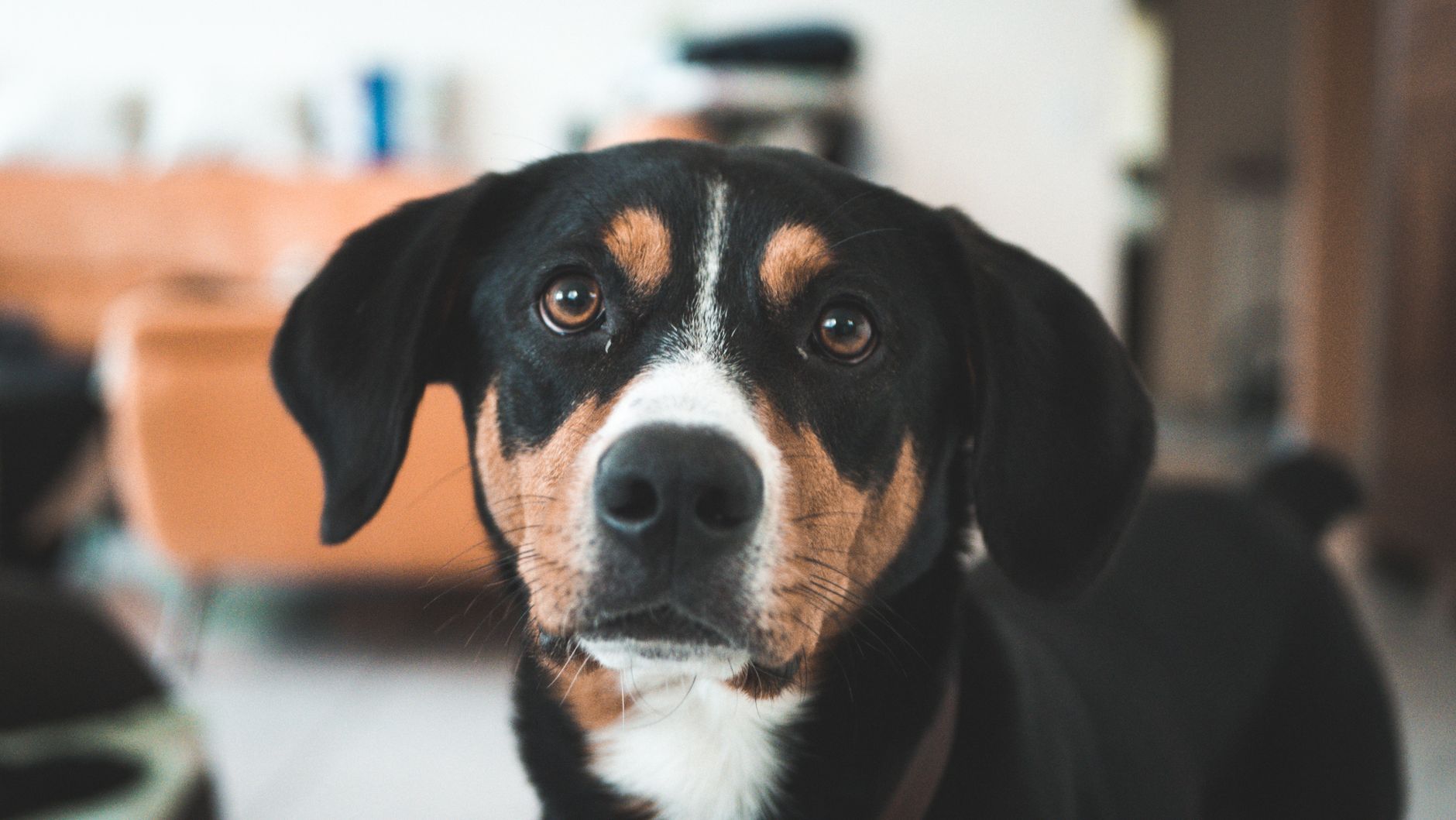
The Appenzeller Sennenhund is an intensely energetic, brilliant Swiss working dog that thrives on having a dedicated physical and mental job. Best suited for highly active, experienced owners, this protective breed requires rigorous socialization and consistent training to channel their formidable guarding instincts safely.
Quick Facts
- origin countrySwitzerland
- breed groupWorking (AKC-FSS), Guardian (UKC)
- sizeMedium
- weight range48 – 71 lbs (22 – 32 kg)
- height range19 – 22 inches (47 – 56 cm)
- lifespan12 – 15 years
- coat typeDouble coat; thick, short, and glossy with a dense undercoat
- common colorsTricolor (black or Havana brown base with symmetrical rust and bright white markings)
- other namesAppenzell Cattle Dog, Appenzeller Mountain Dog
- recognized byAKC (FSS), FCI, UKC
Caring for a Appenzeller Sennenhund
Living with an Appenzeller is like managing a professional athlete who never truly clocks out. In my clinic, the happiest Appenzellers are those who receive at least 90 minutes of vigorous daily exercise coupled with complex mental stimulation like agility or nosework. Because of their historical herding and guardian roles, they are naturally aloof with strangers and have a strong drive to patrol their territory. Keeping them physically spent and mentally engaged is the key to preventing vocal, destructive, or overly territorial behaviors.
Is an Appenzeller Sennenhund a good family pet?
Yes, but with caveats; they are deeply loyal and protective of their family unit, but their intense energy and instinctual heel-nipping mean they are best suited for households with older, dog-savvy children. In my practice, I stress that early, ongoing socialization is vital to ensure their protective nature doesn’t morph into over-guarding.
Do Appenzeller Sennenhunds shed a lot?
They shed moderately year-round, but they ‘blow’ their dense undercoat twice a year, during which the shedding is heavy. During these seasonal transitions, I recommend daily brushing with an undercoat rake to keep the dead hair under control.
Is an Appenzeller Sennenhund good for first-time owners?
No, I do not recommend this breed for novices. Their high intelligence, independent streak, and intense working drive will quickly overwhelm an inexperienced handler who doesn’t know how to establish clear, confident boundaries.
Temperament & Personality
The Appenzeller Sennenhund is characterized by an vibrant, eager-to-work temperament paired with unwavering loyalty to their inner circle. They are highly observant and will vocalize immediately if anything in their environment changes, making them exceptional watchdogs. What I see most often in practice is a dog that is incredibly affectionate with their immediate owners, yet maintains a cool, suspicious distance from outsiders. They possess a high level of physical stamina and a sharp mind that requires active direction daily.
Is an Appenzeller Sennenhund good with other pets?
They can coexist harmoniously with other dogs and cats if raised alongside them from early puppyhood. However, their strong herding instincts may compel them to chase and nip at smaller animals or fleeing pets, which requires careful training and management.
How much attention does an Appenzeller Sennenhund need?
They are highly family-oriented and do not tolerate being left alone in a backyard for long periods. They need to be integrated into daily family activities, otherwise they will develop severe separation anxiety and destructive habits.
Training & Behavior
Training an Appenzeller requires a firm, consistent, and positive approach because they are incredibly smart and will quickly exploit any inconsistency. In my years treating this breed, I have found that they respond best to reward-based training that challenges their intellect rather than simple repetitive tasks. Because they have a natural tendency to bark and herd, training must focus heavily on quiet commands and impulse control from day one.
Training Tips
- Begin intensive socialization between 8 and 16 weeks of age.
- Use positive reinforcement; harsh corrections will make them defensive.
- Incorporate impulse-control exercises to manage their natural heel-nipping habits.
- Teach a reliable ‘quiet’ command early to keep their watchdog barking under control.
- Provide daily mental puzzles and structured training sessions to prevent boredom.
Fun Activities
- Agility training
- Competitive obedience
- Cattle herding trials
- Search and rescue work
- Cart pulling (Drafting)
- Canicross or skijoring
Is an Appenzeller Sennenhund easy to train?
They are highly capable of learning complex tasks rapidly, but they are not ‘easy’ for a passive owner. Their intelligence means they will think independently, requiring a trainer who is confident, consistent, and uses positive reinforcement to keep them engaged.
Appenzeller Sennenhund Health Issues
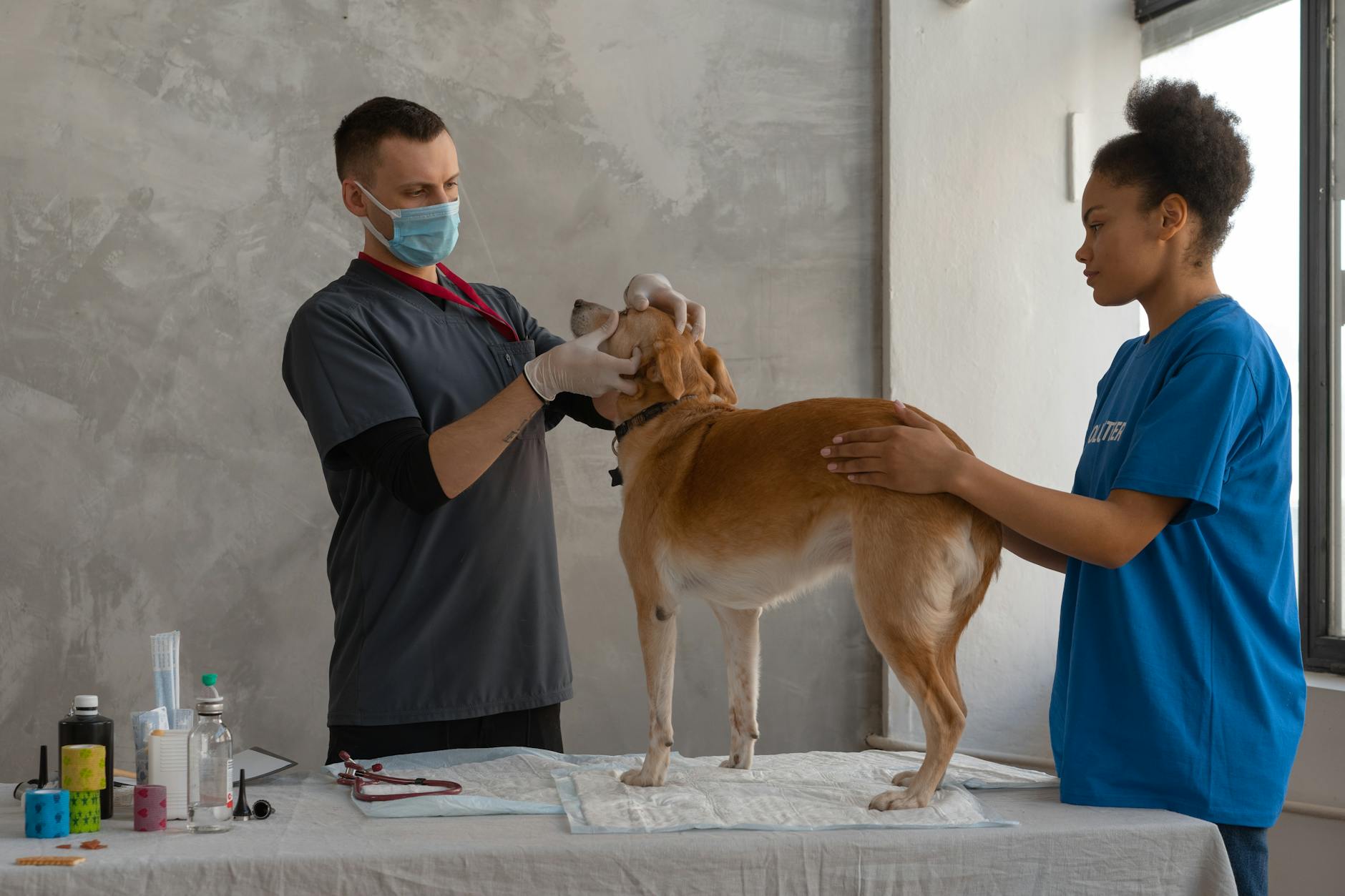
The Appenzeller Sennenhund is a remarkably robust and rustic breed, free from many of the extreme genetic defects that plague other large purebreds. However, their active lifestyle and working heritage put specific demands on their musculoskeletal system, making joint health and preventive care top priorities. In my practice, keeping this breed at a lean body condition score of 4 out of 9 is the single most effective way to protect their joints.
Hip Dysplasia
A genetic condition where the femur does not fit snugly into the pelvic socket, leading to progressive arthritis and joint laxity.
Patellar Luxation
A condition common in working breeds where the kneecap slips out of its normal anatomical groove, causing temporary locking of the leg.
Progressive Retinal Atrophy (PRA)
An inherited degenerative eye disease that slowly destroys the photoreceptor cells in the retina, eventually leading to complete blindness.
Gastric Dilatation-Volvulus (GDV or Bloat)
A life-threatening emergency where the deep-chested stomach fills with gas and twists on its axis, cutting off local blood supply.
Ectopic Ureters
A congenital abnormality where the ureters bypass the bladder and empty directly into the urethra or vagina, causing urinary incontinence.
How long do Appenzeller Sennenhunds typically live?
With proper nutrition, regular veterinary care, and adequate exercise, they typically live between 12 and 15 years, which is quite impressive for a medium-to-large working breed.
What to Feed a Appenzeller Sennenhund
Nutrition for an Appenzeller must match their metabolic output, which is generally very high due to their active nature. I always tell owners that feeding a diet formulated for medium-to-large active breeds is key to maintaining muscle mass and joint integrity.
Best Diet
An ideal diet consists of high-quality, meat-first commercial kibble formulated for active working breeds, transitioning from large-breed puppy food to adult food around 12 to 14 months of age to support proper skeletal development.
How to Feed
Due to the risk of GDV (bloat), I highly recommend dividing their daily food ration into two equal meals. Do not use elevated bowls unless advised by your vet, and enforce a strict policy of no running or heavy exercise for one hour before and after meals.
How Much to Feed
Adults generally require 2.5 to 3.5 cups of high-quality kibble daily, depending on their weight and activity level. Always consult your veterinarian to calculate exact caloric needs based on a body condition score evaluation.
Nutritional Tips
Incorporating joint-supporting supplements such as Glucosamine, Chondroitin, and Omega-3 fatty acids early in life can help safeguard their hardworking joints against premature osteoarthritis.
Appenzeller Sennenhund Grooming Guide
The Appenzeller’s double coat is naturally dirt-and-water-repellent, meaning they stay surprisingly clean with minimal effort. They do not have a strong ‘doggy odor’ and require only basic, routine hygiene to thrive.
Coat Care
Brush the coat once or twice a week with a slicker brush to remove loose hair. During the heavy spring and fall shedding seasons, daily grooming sessions with an undercoat rake are necessary to manage the shedding.
Skin Care
Bathe only when necessary (usually every 8 to 12 weeks) using a mild, oatmeal-based dog shampoo to avoid stripping the natural, protective oils from their weather-resistant coat.
Eye Care
Wipe the corners of the eyes with a damp, clean cloth weekly to clear away dust or sleep crusts; monitor closely for any signs of redness or excessive tearing.
Ear Care
Inspect the ears weekly for signs of wax buildup, redness, or a yeast odor, and clean them with a veterinarian-approved ear cleanser if they appear dirty.
Nail & Dental Care
Trim the nails every 3 to 4 weeks using a heavy-duty nail clipper or grinder, and brush their teeth at least three times a week with dog-safe enzymatic toothpaste.
Considerations for Pet Parents
Pros
- Incredibly loyal, devoted family protector
- Highly intelligent and quick to learn advanced tasks
- Excellent stamina and energy for outdoor adventures
- Generally healthy and long-lived for a working breed
- Low-maintenance, weather-resistant coat
Cons
- Requires extensive daily physical and mental exercise
- Can be highly vocal with a loud, piercing bark
- Inherent suspicion of strangers requires life-long management
- Strong instinctual urge to herd and nip at heels
- Sheds heavily during seasonal coat blowouts
Best For
Active, outdoorsy families or individuals who live in rural or semi-rural areas, have a fenced yard, and can dedicate several hours daily to exercise, training, and mental stimulation.
Not Recommended For
Apartment dwellers, sedentary individuals, first-time dog owners, or families who are away from home for long stretches of the day.
Cost
- purchase price$1,500 – $3,000 USD
- monthly cost$150 – $250 USD
- initial setupInitial setup, including high-quality crates, puppy vaccinations, microchipping, heavy-duty toys, and spay/neuter surgery, typically ranges from $1,000 to $1,800 USD.
Similar Breeds

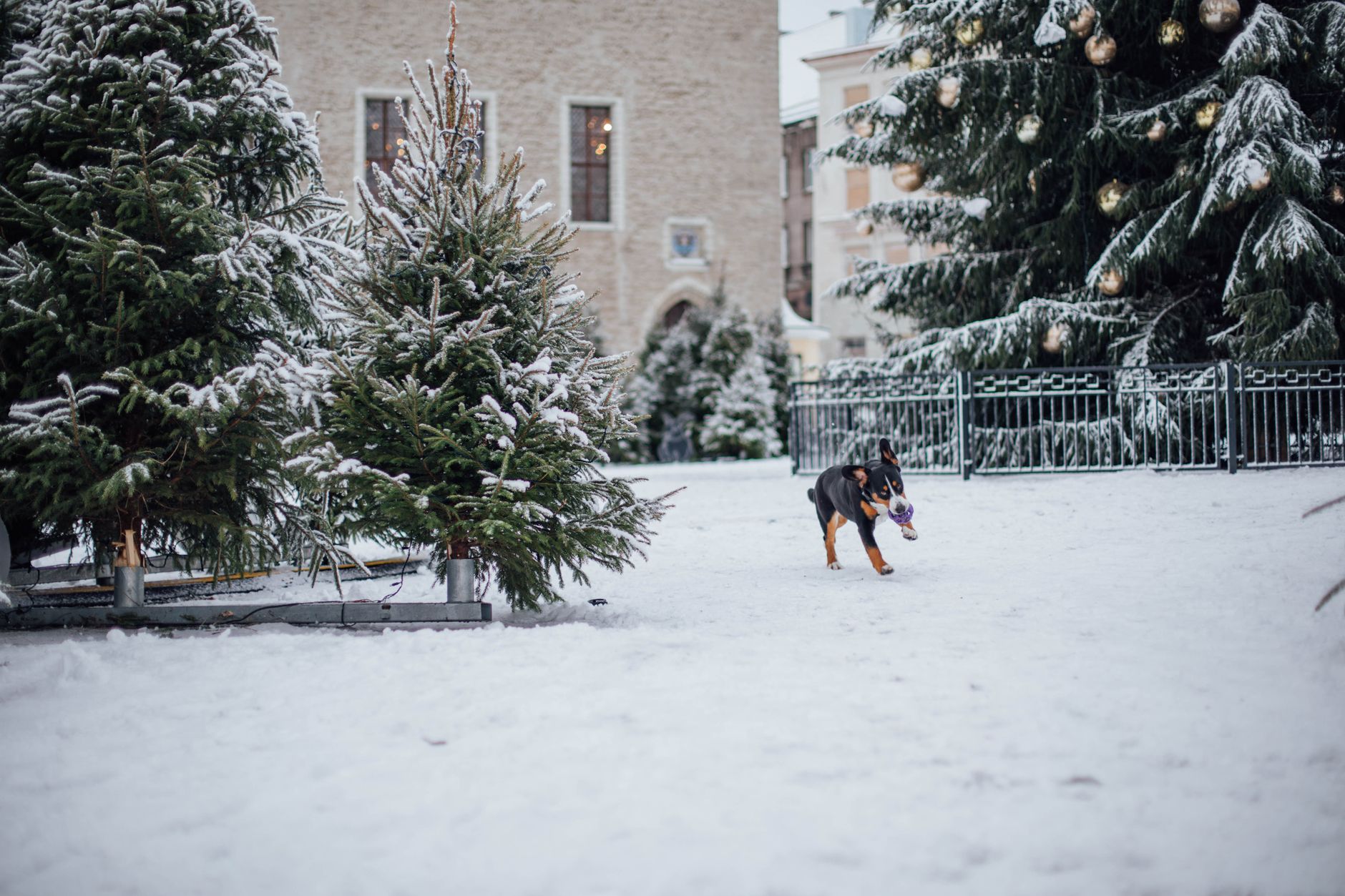
Entlebucher Sennenhund
Greater Swiss Mountain Dog
Appenzeller Sennenhund FAQs
Do Appenzeller Sennenhunds bark a lot?
Yes, they are historically farm watchdogs and are naturally vocal. They will bark loudly to alert you to any changes in their environment, and without proper ‘quiet’ training, this can escalate into nuisance barking.
Can Appenzeller Sennenhunds live in an apartment?
Generally, no. Their extreme energy levels, need for a territory to patrol, and loud barking tendencies make them highly unsuitable for apartment or close-quarters suburban living.
Are they prone to separation anxiety?
Yes. Because they form an incredibly tight bond with their human pack, they can easily develop separation anxiety if left alone for longer than 4 to 5 hours at a time, leading to destructive chewing and howling.
At what age do Appenzeller Sennenhunds fully mature?
They reach their full physical height around 12 to 18 months, but they often do not fully mature mentally until they are 2.5 to 3 years old, maintaining a high-energy, puppy-like exuberance until then.
What is the difference between an Appenzeller and an Entlebucher?
While highly similar, the Appenzeller is slightly larger, possesses a tail that curls tightly over its back (ring tail), and is generally more high-strung and vocal than the slightly more compact Entlebucher.
Do they have a high prey drive?
Their drive is herding-based rather than predatory, meaning they want to control and chase moving things rather than kill them. However, this still manifests as chasing cars, joggers, bicycles, and small animals if they are not trained out of it.
Can they tolerate cold weather?
Yes, their thick double coat was bred to withstand the harsh conditions of the Swiss Alps, meaning they thrive in cold, snowy conditions, though they can overheat easily in hot, humid climates.
Are Appenzellers prone to ear infections?
Because they have drop ears that lay flat against the head, moisture and debris can sometimes get trapped inside. I recommend inspecting their ears weekly, especially after swimming or bathing.
How do they handle hot weather?
Due to their thick double coat, they do not tolerate extreme heat well. During hot summer months, restrict vigorous exercise to early mornings or late evenings, and always ensure they have access to shade and air conditioning.
Are they easy to socialize?
Socialization must be handled carefully. Because of their innate suspicion of strangers, they must be exposed to various people, sights, and sounds in a positive manner during puppyhood, or they may become overly protective or fearful.
Do they make good therapy dogs?
While highly intelligent, their high energy levels and natural aloofness/suspicion of strangers make them less suited for general therapy work compared to breeds like Golden Retrievers, though they excel in working roles like search and rescue.
What joint supplements should I give my Appenzeller?
I routinely recommend starting a high-quality supplement containing Glucosamine HCl, Chondroitin Sulfate, and Green-Lipped Mussel extract by 1 year of age to support their highly active joints.
Sources & Further Reading
- American Kennel Club (AKC)
- Merck Veterinary Manual
- American Veterinary Medical Association (AVMA)
- PetMD