
American Eskimo Dog Breed Guide
Quick Summary
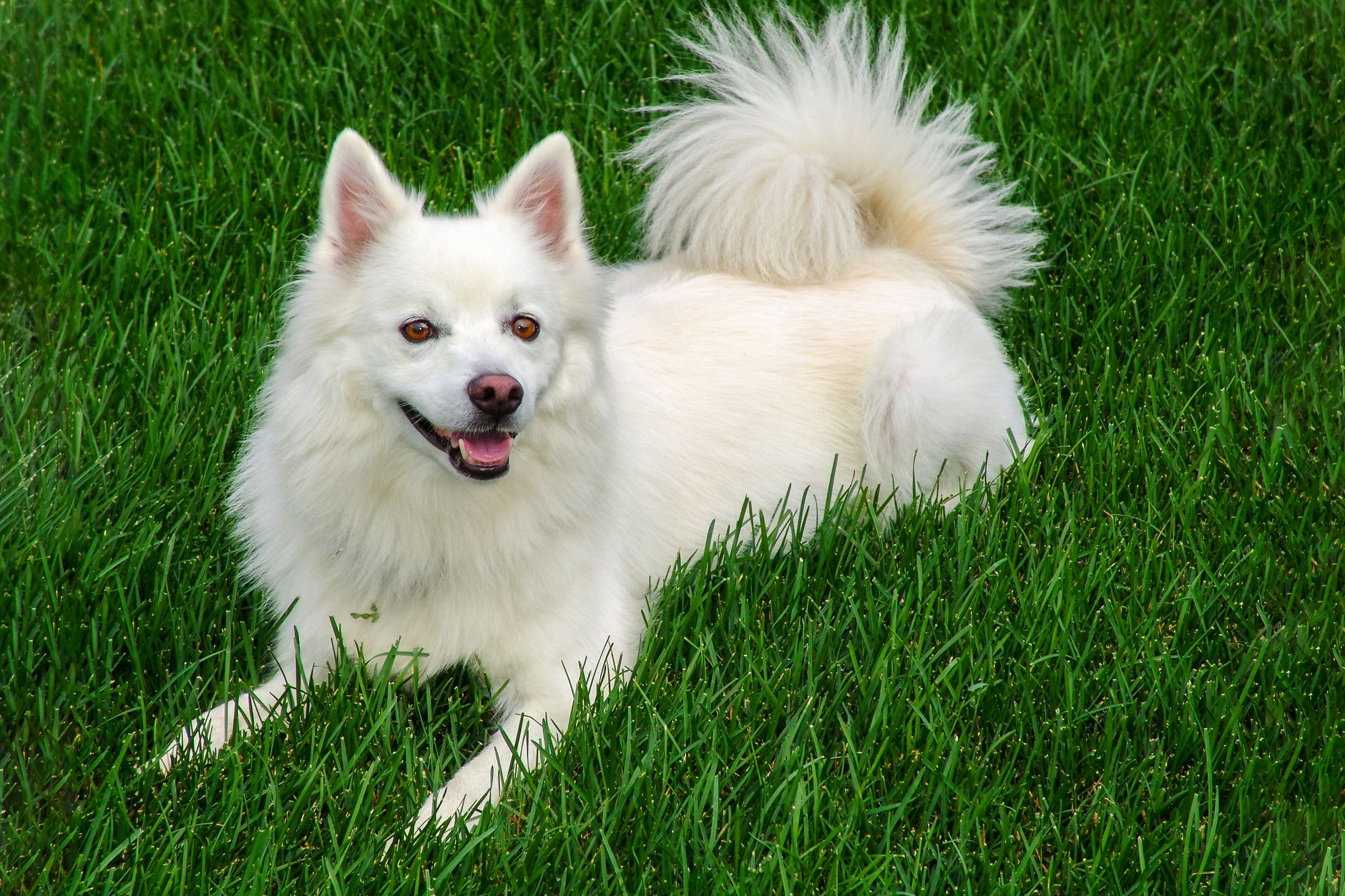
The American Eskimo Dog is a brilliant, high-energy companion that combines striking Nordic beauty with intense loyalty and watchfulness. In my clinical practice, I find they thrive best with active families or individuals who can provide consistent mental stimulation, positive training, and dedicated grooming for their double coat.
Quick Facts
- origin countryGermany (developed further in the United States)
- breed groupNon-Sporting Group (AKC)
- sizeToy, Miniature, and Standard
- weight range6 to 35 lbs (Toy: 6-10 lbs, Miniature: 10-20 lbs, Standard: 18-35 lbs)
- height range9 to 19 inches (Toy: 9-12 inches, Miniature: 12-15 inches, Standard: 15-19 inches)
- lifespan13 to 15 years
- coat typeDouble coat with a dense undercoat and longer guard hairs forming an outer coat
- common colorsPure White, White and Biscuit
- other namesEskie, American Spitz
- recognized byAKC, UKC
Caring for a American Eskimo Dog
Living with an ‘Eskie’ means embracing their high intelligence and vibrant energy; they are not lazy couch potatoes. In my years treating this breed, I’ve found they thrive on having a ‘job’ to do, whether that is puzzle toys, trick training, or daily agility work. You must prepare for significant shedding, particularly during seasonal coat blows, which demands consistent home grooming. Without structured physical and mental outlets, these dogs can quickly channel their energy into nuisance barking or destructive chewing.
Is an American Eskimo Dog a good family pet?
Yes, they make excellent family pets because they are deeply affectionate and highly protective of their human pack. I frequently see them excel with respectful children, though their high energy can occasionally overwhelm very young toddlers. Socialization from puppyhood is key to ensuring their protective instincts do not turn into suspicion of strangers.
Do American Eskimo Dogs shed a lot?
Absolutely, they are heavy shedders due to their thick double coat. They blow their undercoat twice a year, during which you will find clumps of white hair everywhere if you are not brushing them daily. Regular maintenance with a pin brush and undercoat rake is non-negotiable to prevent severe matting.
Is an American Eskimo Dog good for first-time owners?
They can be, but only if the first-time owner is highly active and committed to consistent, positive-reinforcement training. Because they are incredibly smart, they will easily outsmart an owner who is too permissive. If you are not prepared for a high-maintenance grooming routine and high mental stimulation needs, they can be a challenge.
Temperament & Personality
The American Eskimo Dog is renowned for its alert, playful, and incredibly smart disposition. They are fiercely loyal to their families, often acting as self-appointed watchdogs who will loudly announce any newcomer. In the clinic, I see them as highly responsive, always looking to their owner for direction, but they can be naturally reserved or aloof with strangers. Their strong desire to please makes them exceptionally trainable, though they do require ongoing socialization to keep their cautious instincts balanced.
Is an American Eskimo Dog good with other pets?
Generally yes, especially when raised with them from a young age. They do have a moderate prey drive due to their working background, so caution and proper training are needed around small pocket pets like hamsters or birds. With other dogs, they are usually social, though they may try to assert themselves as the ‘boss’ of the household.
How much attention does an American Eskimo Dog need?
They require a high level of daily interaction and do not tolerate being left alone for long periods. Separation anxiety is a very common issue I diagnose in this breed when they are isolated for 8 to 10 hours a day. They view themselves as integral members of the family and want to be involved in every household activity.
Training & Behavior
Eskies are among the most trainable breeds I encounter, frequently excelling in competitive agility, obedience, and trick training. However, their intelligence is a double-edged sword: if you do not train them, they will train you. They respond beautifully to positive reinforcement, but will quickly shut down or become stubborn if subjected to harsh, repetitive, or punitive methods.
Training Tips
- Use positive reinforcement like high-value treats and praise.
- Keep training sessions short, varied, and mentally challenging.
- Begin socialization early to prevent territorial barking.
- Teach a reliable ‘quiet’ command to manage watchfulness.
- Incorporate interactive puzzle toys to prevent boredom.
Fun Activities
- Agility courses
- Advanced trick training
- Flyball
- Scent work
- Interactive hide-and-seek games
Is an American Eskimo Dog easy to train?
Yes, they are exceptionally easy to train due to their high intelligence and eager-to-please nature. They learn commands incredibly fast—often in just a few repetitions. The real challenge is keeping them engaged so they do not get bored of simple routines.
American Eskimo Dog Health Issues
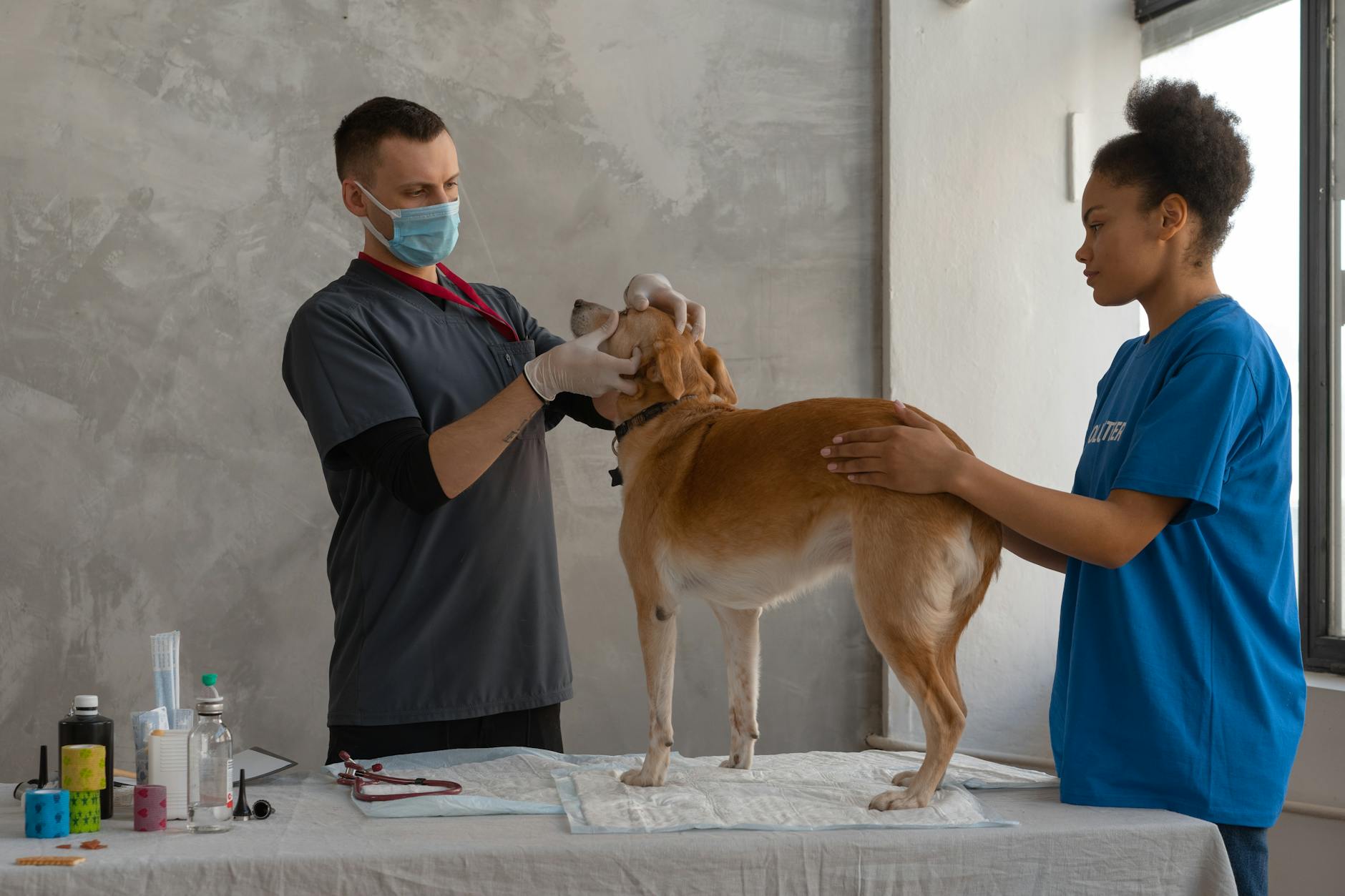
Overall, the American Eskimo Dog is a robust, relatively long-lived breed with fewer genetic anomalies than many other purebreds. However, like any breed, they are predisposed to certain hereditary orthopedic and ophthalmic conditions that owners must proactively screen for with genetic and physical veterinary evaluations.
Progressive Retinal Atrophy (PRA)
An inherited degenerative eye disease that leads to progressive blindness, starting with night blindness and eventually progressing to total vision loss.
Patellar Luxation
Common in the Toy and Miniature sizes, this occurs when the kneecap slips out of its normal anatomical groove, causing discomfort and eventual arthritis.
Hip Dysplasia
More common in Standard Eskies, this genetic malformation of the hip joint leads to instability, painful joint wear, and early-onset osteoarthritis.
Allergies and Atopic Dermatitis
Eskies are prone to environmental and food allergies that manifest primarily in their skin, causing intense itching and secondary bacterial infections.
Diabetes Mellitus
A metabolic disorder where the pancreas fails to produce enough insulin, leading to elevated blood sugar levels. This requires lifelong management with daily insulin injections.
How long do American Eskimo Dogs typically live?
In my clinical practice, I regularly see Eskies live healthy, active lives of 13 to 15 years, and sometimes up to 16 years with exceptional care. Proper weight management and routine dental care are critical to achieving this upper lifespan range.
What to Feed a American Eskimo Dog
Feeding an Eskie requires close attention to portion sizes, particularly because their dense, fluffy coats can easily mask gradual weight gain. In my clinic, I emphasize checking their body condition score by hands-on palpation rather than relying on sight alone.
Best Diet
I recommend a high-quality, age-appropriate (puppy, adult, or senior) commercial dry kibble formulated for their specific size category (small breed for toys/miniatures, medium breed for standards). If your dog has diagnosed skin allergies, a diet featuring novel proteins or hydrolyzed proteins may be necessary under veterinary guidance.
How to Feed
Adult Eskies should be fed twice daily to maintain stable blood sugar levels and prevent hunger-related bile vomiting. Avoid free-feeding, as this breed has a hearty appetite and will easily overeat if given the opportunity.
How Much to Feed
Portion sizes typically range from 1/2 cup to 1.5 cups of dry kibble per day, highly dependent on the dog’s exact size, age, and activity level. Always consult your veterinarian to calculate the exact caloric requirement for your individual dog.
Nutritional Tips
Incorporate Omega-3 fatty acid supplements (like high-quality wild-caught fish oil) to support their dense double coat and keep their skin barrier healthy. Limit treats to no more than 10% of their daily caloric intake, as they are prone to rapid weight gain.
American Eskimo Dog Grooming Guide
Grooming an American Eskimo Dog is a significant commitment that cannot be ignored. Their double coat naturally repels dirt, but without regular maintenance, it will quickly turn into a severely matted, painful mess.
Coat Care
Brush your Eskie at least two to three times a week using a pin brush and an undercoat rake to remove loose undercoat. During seasonal shedding ‘blowouts’ in spring and fall, daily brushing is required to manage the massive volume of hair.
Skin Care
Avoid over-bathing, which strips the natural protective oils from their skin and causes dryness; a bath every 6 to 8 weeks is usually sufficient. Always ensure the coat is 100% dry down to the skin after bathing to prevent hot spots.
Eye Care
Eskies are prone to prominent tear staining around their eyes due to their white fur. Wipe the eye area daily with a damp cloth or specialized veterinary eye wipes to prevent staining and yeast buildup.
Ear Care
Check their upright ears weekly for wax buildup, redness, or a foul odor, which are indicators of infection. Clean them gently with a vet-approved, drying ear cleaner if you notice debris.
Nail & Dental Care
Trim nails every 3 to 4 weeks to prevent splaying and discomfort. Brush their teeth daily with dog-safe enzymatic toothpaste, as small and medium dogs are highly prone to periodontal disease.
Considerations for Pet Parents
Pros
- Incredibly intelligent and highly trainable.
- Affectionate, loyal, and dedicated family companions.
- Excellent, vigilant natural watchdogs.
- Beautiful, striking white double coat.
- Generally healthy and long-lived breed.
- Versatile and excels in canine sports.
Cons
- Prone to high levels of shedding and require intense grooming.
- Can be highly vocal and bark excessively if not trained.
- Prone to separation anxiety if left alone for long periods.
- Requires significant mental and physical stimulation to prevent boredom.
Best For
An active, dedicated owner or family who spends plenty of time at home and enjoys outdoor activities, training challenges, and daily grooming sessions. They are perfect for those who want a highly interactive, intelligent partner for hiking or dog sports.
Not Recommended For
Sedentary owners, those who are away from home for long work hours, or individuals who cannot tolerate dog hair on their clothes and furniture. They are also not ideal for apartment living if their natural barking habit cannot be managed.
Cost
- purchase price$1,000 to $2,500
- monthly cost$100 to $200
- initial setupInitial setup costs, including vaccinations, spay/neuter surgery, high-quality grooming tools (undercoat rake, pin brush), crate, and basic obedience training, typically range from $1,200 to $2,000.
Similar Breeds

American Eskimo Dog FAQs
Do American Eskimo Dogs bark a lot?
Yes, Eskies are naturally vigilant watchdogs and tend to be quite vocal. They will bark to alert you to strangers, unusual noises, or even out of sheer boredom. Early training to teach a ‘quiet’ command is essential to keep their barking manageable.
How do you prevent tear stains on an American Eskimo Dog?
To prevent tear stains, wipe the area beneath their eyes daily with a damp cloth or veterinary-formulated eye wipe. Feeding a high-quality diet and using filtered water can also reduce the mineral content in their tears that contributes to staining. If staining is sudden or severe, have your vet check for blocked tear ducts or eyelashes rubbing against the eye.
Are American Eskimo Dogs hypoallergenic?
No, American Eskimo Dogs are not hypoallergenic. They are heavy shedders that produce dander and lose a significant amount of fur, which can easily trigger allergies in sensitive individuals. Frequent brushing and vacuuming can help manage the allergens in the home, but they are not a low-allergen breed.
Can American Eskimo Dogs live in warm climates?
Yes, they can adapt to warmer climates, but they require extra precautions. Their thick double coat actually provides some insulation against both heat and cold, but they should never be left outside in high heat. Always provide plenty of shade, air conditioning, and fresh water, and never shave their coat as it ruins their natural temperature regulation.
Should I shave my American Eskimo Dog in the summer?
No, you should never shave a double-coated breed like the American Eskimo Dog. Shaving destroys the natural insulating properties of their coat, leaving them more vulnerable to heatstroke and sunburn. It can also permanently damage the hair follicles, causing the coat to grow back patchy, coarse, or not at all.
How much exercise does an American Eskimo Dog need?
They require at least 60 to 90 minutes of daily physical exercise and mental stimulation. This should include brisk walks, interactive play sessions, and training or puzzle games to keep their active minds occupied. Without sufficient exercise, they can become destructive or excessively vocal.
Why is it called an American Eskimo Dog if it’s from Germany?
The breed was originally called the German Spitz, but due to anti-German sentiment in the United States during World War I, the name was changed to the American Eskimo Dog. The name was chosen after the ‘Eskimo Kennel’ in Ohio, which bred these white Spitz dogs, despite having no historical connection to indigenous Eskimo peoples.
Are American Eskimo Dogs prone to separation anxiety?
Yes, they are highly social dogs that form extremely tight bonds with their families, making them highly susceptible to separation anxiety. If left alone for long periods, they may engage in destructive chewing, frantic scratching at doors, or continuous barking. Crate training and gradual desensitization to departures are highly recommended.
Is an Eskie good with cats?
Yes, many Eskies can live peacefully with cats, especially if they are introduced and socialized during puppyhood. However, because they have a moderate prey drive and love to chase, they may occasionally chase a running cat. Supervision is always recommended during initial introductions.
What is the difference between a Toy, Miniature, and Standard American Eskimo Dog?
The primary difference is their size: Toys stand 9 to 12 inches tall, Miniatures stand 12 to 15 inches, and Standards stand 15 to 19 inches. Their temperaments, grooming needs, and intelligence are identical across all three sizes, though smaller sizes may be slightly more prone to patellar luxation, while standards are more prone to hip dysplasia.
At what age is an American Eskimo Dog fully grown?
Toy and Miniature Eskies usually reach their full adult size and weight by 10 to 12 months of age. Standard Eskies grow a bit more slowly and may take up to 12 to 18 months to fully mature physically and mentally. Their dense adult coat also takes about 18 months to fully develop.
How often should I bathe my American Eskimo Dog?
You should only bathe your Eskie every 6 to 8 weeks, or when they are visibly dirty. Their double coat is naturally self-cleaning, and dirt often falls out easily once dry with a simple brushing. Bathing them too frequently will strip the natural oils from their skin, leading to dry, itchy skin and a dull coat.
Are American Eskimo Dogs easy to housebreak?
Yes, thanks to their high intelligence and clean nature, they are generally very easy to housebreak. Consistent scheduling, crate training, and positive reinforcement when they go outside will typically yield quick results. Just ensure they are taken out frequently during puppyhood to establish a reliable routine.
Sources & Further Reading
- American Kennel Club (AKC)
- Merck Veterinary Manual
- American Veterinary Medical Association (AVMA)
- PetMD