
Jack Russell Terrier Energy: Exercise and Enrichment That Actually Works

Quick Summary
Jack Russell Terriers possess an intense, bred-to-work drive that cannot be exhausted by physical running alone. Managing this energy requires a balanced approach combining structured decompression walks, cognitive enrichment, and proactive relaxation training. Without mental stimulation and taught boundaries, these dogs can develop chronic stress and destructive behaviors.
As an Amazon Associate, we earn from qualifying purchases.
Popular with dog owners: Puzzle Toys · Treat Pouch · Dog Poop Bags
In my years treating dogs, few breeds are as widely misunderstood as the Jack Russell Terrier. I often see exhausted owners in my clinic, wondering how a fifteen-pound dog can outlast a marathon runner.
The truth is, these dogs are built for relentless work, and simply trying to physically wear them out is a losing battle. To live harmoniously with a Jack Russell, you must learn to work their brain, protect their joints, and teach them how to turn off.
Key Takeaways
- Repetitive, high-arousal fetch sessions create ‘hyper-fit’ dogs with elevated stress hormones rather than calm pets.
- Decompression walks on a long line satisfy a terrier’s natural hunting and sniffing instincts safely.
- Mental enrichment, such as nose work and puzzle toys, tires a Jack Russell faster than miles of running.
- Providing outlets for natural digging and shredding behaviors prevents household destruction.
- Teaching an ‘off-switch’ through relaxation protocols is a vital, active training process for this breed.
- High-impact jumping must be strictly avoided until growth plates fuse at twelve months of age to prevent joint disease.
In This Article
- The Evolutionary Motor: Understanding the Terrier Drive
- The Danger of the ‘Super-Athlete’ Trap
- Structured Physical Exercise: Quality Over Quantity
- Mental Enrichment That Actually Works
- Simulating the Earthdog Instinct Safely
- Teaching the Critical ‘Off-Switch’
- Orthopedic Considerations and Pediatric Safety
The Evolutionary Motor: Understanding the Terrier Drive
To manage a Jack Russell Terrier, we must first look at what lies beneath their skin. These small dogs were carefully bred to flush foxes out of deep, dark underground dens.
This specific historical job required immense bravery, independent problem-solving skills, and a refusal to back down.
When you see a Jack Russell digging in your yard or barking at a fence, they are not acting out. They are simply executing a genetic program that has been refined over centuries of breeding.
I always tell my clients that you cannot train this genetic drive out of your dog. Instead, you must learn to redirect this natural working engine into acceptable household activities.
Outward Hound Nina Ottosson Dog Brick Puzzle Toy
- ✓Sliding blocks and lift-out bones hide treats
- ✓Intermediate difficulty level
- ✓Made with food-safe materials
- Burns mental energy in clever, easily bored dogs
- Turns treats into a 10-minute brain game

The Danger of the ‘Super-Athlete’ Trap
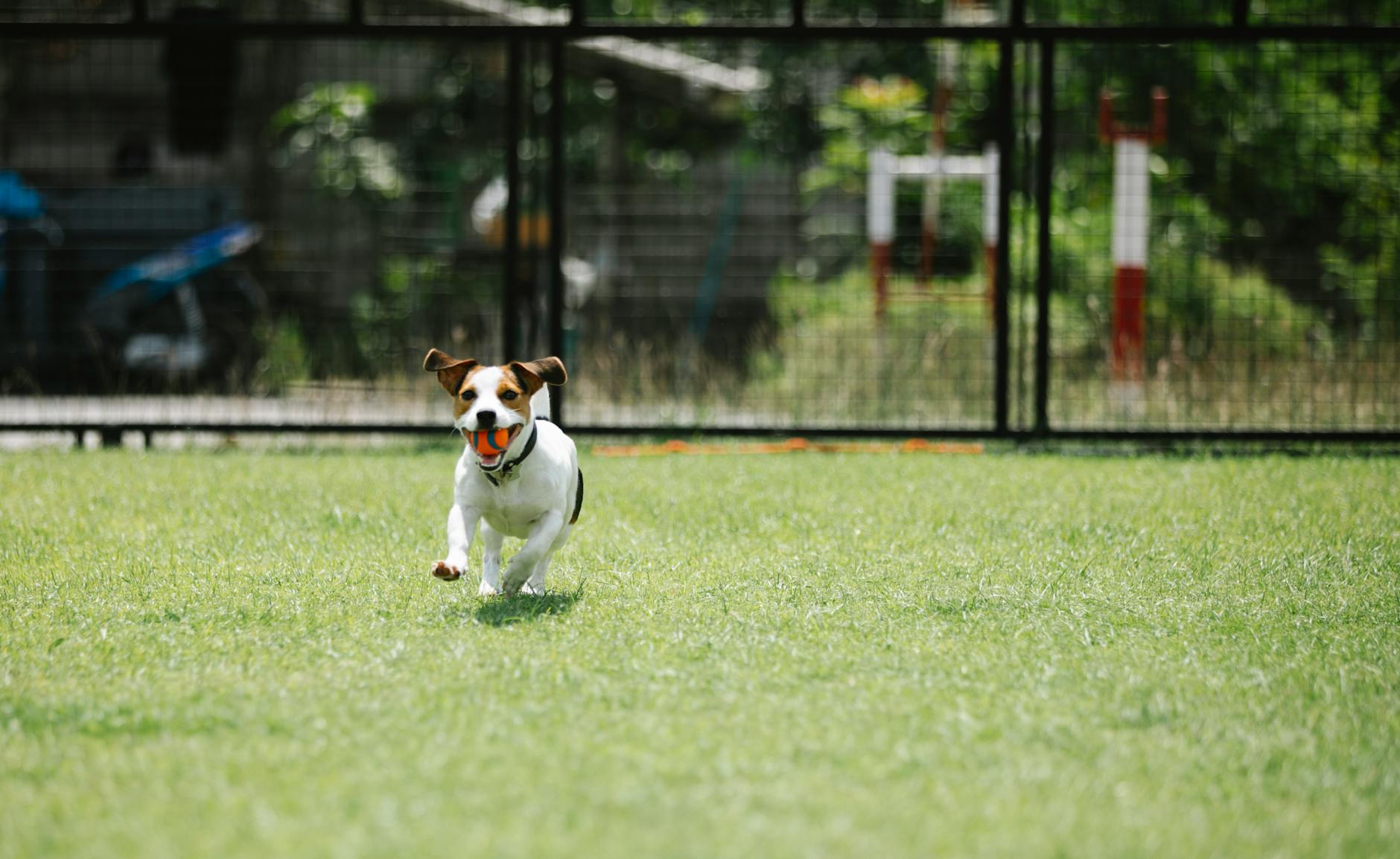
What I see most often in my practice is owners trying to solve behavioral issues with hours of non-stop fetch. They throw a ball until the dog is panting heavily and visibly exhausted.
Yet, within thirty minutes of returning home, the dog is pacing and destroying the carpets again.
This occurs because endless, repetitive chasing spikes cortisol and adrenaline in your dog’s system. Over time, you do not tire the dog out.
You simply build a hyper-fit athlete with a sky-high tolerance for physical exercise.
This elevated state of arousal can easily transition into chronic stress, making your terrier jumpy and reactive to everyday noises.
- Dilated pupils and hyper-vigilance long after exercise has stopped
- Inability to settle down or sleep deeply during the day
- Obsessive behaviors, such as tail-chasing or excessive paw-licking
- Increased reactivity to triggers like passing cars, bikes, or other dogs
- Frequent, high-pitched vocalizations or whining when stationary

Structured Physical Exercise: Quality Over Quantity
Your Jack Russell does need physical exercise, but the type of movement matters immensely. Instead of high-speed chasing games, I advocate for structured, low-arousal activities.
My top recommendation is the ‘decompression walk’ in a quiet, natural environment. Use a ten-to-fifteen-foot long line attached to a back-clip harness.
Allow your dog to lead the way and sniff absolutely whatever they want.
This slow, investigative sniffing actively lowers a dog’s heart rate. It provides a satisfying sensory experience that leaves them peaceful rather than wired.
- Walk in wooded areas, fields, or quiet parks where wildlife scents are abundant.
- Keep the leash loose to prevent building tension and frustration in the dog.
- Allow at least twenty minutes of uninterrupted, self-directed sniffing.
- Incorporate short training rests where the dog must sit and watch the world go by.
- Avoid busy city streets where constant visual triggers keep the terrier on high alert.
- ✓Side pockets for keys, phone or bags
- ✓Adjustable strap or belt clip
- ✓Removable inner bag for easy cleaning
- A clip-on treat pouch keeps rewards at hand so you can mark good behaviour instantly
Mental Enrichment That Actually Works
If you want to truly tire out a Jack Russell Terrier, you must target their cognitive processing. A fifteen-minute brain session can drain their battery far more effectively than a five-mile run.
In my clinical experience, dogs that engage in daily puzzle-solving show lower levels of stress-induced gastrointestinal issues. They also sleep more soundly and show fewer attention-seeking behaviors.
Start replacing their standard food bowl with interactive feeding systems to turn every meal into a hunting game.
- Snuffle mats that force the dog to use their nose to find hidden kibble
- Stuffed, frozen rubber toys filled with wet food, pumpkin, or unsalted peanut butter
- Multi-step wooden slide puzzles that require nose nudges and paw movements
- Scattering their daily dry kibble directly into a grassy lawn for a scavenger hunt
- Cardboard boxes folded shut with treats inside, allowing them to rip and shred safely

Simulating the Earthdog Instinct Safely
Since these dogs were bred to dig and burrow, denying them this outlet is a recipe for frustration. If you do not provide a designated space for these activities, they will choose your sofa cushions or rose bushes.
I highly recommend creating a controlled environment where your terrier can indulge these natural instincts. This keeps your home intact while giving the dog immense satisfaction.
With a few simple tools, you can easily replicate an underground hunt in a safe, hygienic way.
The Indoor Burrowing Zone
Create a pile of heavy blankets, sleeping bags, and pillows in a corner of your living room. Hide high-value treats deep within this pile to encourage your dog to burrow and tunnel through.
The Designated Backyard Digging Pit
Build a small sandbox or designate a specific dirt corner in your yard. Bury plastic bones, rubber toys, and chew treats just below the surface to teach them this is the only spot where digging is rewarded.

Teaching the Critical ‘Off-Switch’
Many owners believe that high-energy dogs will naturally sleep when they are tired. With Jack Russells, this is rarely the case; they will push through exhaustion until they become hyperactive cranky toddlers.
Because of this, we must actively teach relaxation as a structured skill. In my clinic, I view relaxation training as just as important as a rabies vaccine or a high-quality diet.
By rewarding quiet, still behaviors, you can rewire their brain to enjoy downtime.
- Establish a dedicated ‘place’ command on a raised, comfortable cot or bed.
- Reward the dog only when all four paws are on the cot and their body is relaxed.
- Deliver treats slowly and calmly, dropping them between the dog’s paws to keep their head low.
- Enforce scheduled nap times in a dark, quiet crate after physical exercise sessions.
- Ignore attention-seeking pacing or whining completely to avoid reinforcing the behavior.

Orthopedic Considerations and Pediatric Safety
While Jack Russells are generally a robust breed, their high-flying antics can put them at risk for orthopedic injuries. I frequently diagnose patellar luxation, which is a slipping kneecap, in young terriers.
Because they have no fear, they will happily leap off high decks, couches, or retaining walls. This repetitive high-impact landing can damage their growth plates before they are fully formed.
As a veterinarian, I urge you to protect their skeletal structure during their crucial first year of life.
Growth Plate Protection
Avoid high-impact jumping, sharp pivoting, and intense agility training until your terrier is at least twelve months old. This allows their bones and joints to fuse correctly.
Weight Management
Keep your Jack Russell lean to protect their joints. Even one extra pound of body weight puts massive stress on their small stifles and hips.
-
Earth Rated Dog Poop Bags, Refill RollsLeak-proof poop bags with a leash dispenser are the everyday basic for clean, considerate walks
-
CWAWZ Orthopedic Cooling Gel Memory Foam Dog Bed, XLSupportive foam cushions hips and joints, ideal for large, senior or dysplasia-prone dogs
-
Nutramax Cosequin Joint Supplement for DogsGlucosamine and chondroitin chews support cartilage and mobility, especially in large, senior and dysplasia-prone dogs
Related Dog Guides
Frequently Asked Questions
How much daily exercise does a Jack Russell Terrier need?
A healthy adult Jack Russell needs about sixty to ninety minutes of active engagement daily. This should be split between thirty minutes of physical movement, like a sniffing walk, and thirty minutes of mental enrichment.
Why is my Jack Russell chewing on furniture even after a long run?
This usually happens because the run was physically stimulating but mentally empty, leaving the dog in a state of high arousal. They chew furniture to self-soothe and relieve the residual adrenaline buildup in their system.
Are flirt poles safe for Jack Russell Terriers?
Flirt poles are excellent tools if your dog is over twelve months old and has finished growing. Keep the toy close to the ground to prevent high jumps, and use it to teach essential impulse control commands like ‘drop it’ and ‘wait’.
Can Jack Russell Terriers live successfully in an apartment?
Yes, they can thrive in an apartment if their mental and physical needs are met daily. The size of your home matters far less than the quality of the interaction, nose work, and structured outdoor exercise you provide.
How can I stop my Jack Russell from digging up my garden?
The most effective method is redirecting the instinct by creating a designated digging pit or sandbox in your yard. Bury toys there and praise them for digging in that specific spot, while blocking access to your garden beds.
Sources & Further Reading
Final Thoughts
Living with a Jack Russell Terrier is an incredibly rewarding adventure, but it requires a shift in how we define exercise. If you try to tire them out with physical running alone, you will only create a stronger, more restless athlete.
By focusing on mental enrichment, scent work, and actively training an off-switch, you will unlock a calmer, happier side of your companion. Protect their joints early in life, honor their genetic heritage, and enjoy the brilliant focus of a balanced terrier.
Your couch, your garden, and your peace of mind will thank you.