
Pembroke Welsh Corgi Back and Hip Care: Protecting a Long-Backed Herder
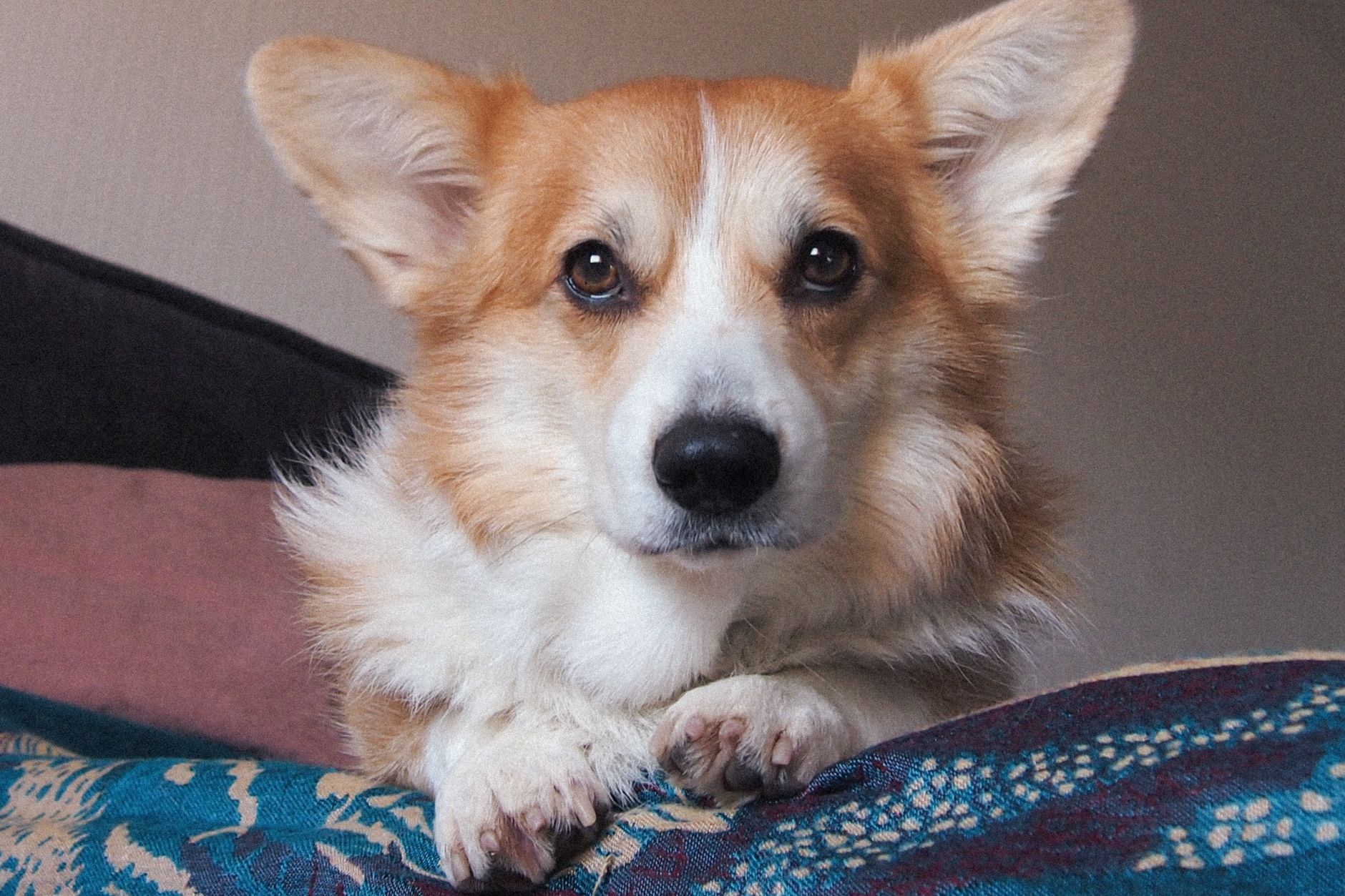 Pembroke Welsh Corgi Back and Hip Care: Protecting a Long-Backed Herder” loading=”lazy”>
Quick Summary
Pembroke Welsh Corgis are structurally predisposed to severe orthopedic issues like Intervertebral Disc Disease (IVDD) and hip dysplasia due to their dwarfism-related long backs and short legs. Protecting these dogs requires strict weight management, environmental modifications like ramps, and immediate veterinary intervention at the first sign of spinal distress. Proactive care can prevent permanent paralysis and preserve your herder’s quality of life.
As an Amazon Associate, we earn from qualifying purchases.
Popular with dog owners: Orthopedic Dog Bed · Hip & Joint Supplement · Pet Gate
In my years of clinical veterinary practice, I have treated hundreds of Pembroke Welsh Corgis. They are brilliant, spirited herders wrapped in a highly specialized, dwarf-legged package.
That adorable ‘low-rider’ profile, however, comes with a steep physiological price tag. The genetic mutation that gives Corgis their short limbs puts immense, unnatural mechanical stress on their long spines and compact hip joints.
Understanding how to protect this delicate skeletal structure is the single most important duty of a Corgi owner. Let’s look at what we can do to keep your long-backed companion active, pain-free, and mobile for life.
Key Takeaways
- Pembroke Welsh Corgis carry a genetic form of dwarfism that predisposes them to Intervertebral Disc Disease (IVDD).
- Maintaining an ideal body weight is the most effective way to prevent premature spinal disc degeneration.
- Jumping on and off furniture is a leading trigger for acute, paralyzing spinal disc ruptures.
- Hip dysplasia is a major secondary concern that often coexists with and exacerbates spinal issues.
- Proactive core-strengthening exercises are vital for building a muscular ‘girdle’ around the spine.
- A sudden loss of hind limb coordination or knuckling of the paws is an absolute medical emergency.
In This Article
- The Anatomy of a Low-Rider: Chondrodysplasia and Spine Strain
- Understanding IVDD: The Corgi’s Greatest Threat
- Hip Dysplasia: The Silent Joint Degeneration
- Weight Management: Your Most Powerful Preventative Tool
- Environmental Upgrades: Bulletproofing Your Home
- Safe Exercise: Building the Core ‘Girdle’
- The Right Supplements: Nourishing Joints and Discs
- Emergency Protocol: What to Do in a Spinal Crisis
The Anatomy of a Low-Rider: Chondrodysplasia and Spine Strain
To truly care for a Corgi, you must understand their skeletal architecture. Pembrokes are chondrodysplastic, a medical term meaning their long bones do not grow to normal proportions.
This genetic trait causes their characteristic short limbs, while their spine remains the length of a standard-sized dog. This creates a structural design akin to a suspension bridge without enough vertical support pillars.
When a Corgi runs, jumps, or climbs, the sheer mechanical leverage acting on the center of their back is vastly higher than that of a proportionately built dog. Every step they take puts a cumulative toll on their spinal column.
- Long lumbar region that lacks adequate bony support from underneath
- Short, stocky legs that absorb less ground impact than longer limbs
- Altered biomechanics that put excessive rotational forces on the mid-back
- Higher center of gravity relative to leg length during vertical jumps
BFPETHOME Orthopedic Washable Large Dog Bed
- ✓High-density egg-crate foam for senior dogs
- ✓U-shaped bolster for head support
- ✓Waterproof inner layer; removable cover
- Supportive foam cushions hips and joints, ideal for large, senior or dysplasia-prone dogs

Understanding IVDD: The Corgi’s Greatest Threat
In my practice, the diagnosis I dread most for Corgis is Hansen Type I Intervertebral Disc Disease (IVDD). Unlike normal aging dogs whose discs degenerate slowly, chondrodysplastic dogs suffer from premature disc calcification.
By the time a Corgi is just one year old, their spinal discs have already lost much of their water content and elasticity, turning from spongy shock absorbers into brittle, chalky hazards.
When a brittle disc is subjected to sudden force, it can rupture upward into the spinal canal. This compression can cause excruciating pain, nerve damage, or sudden, irreversible paralysis.
- Type I IVDD is an active, degenerative process, not just a simple strain.
- Ruptures can happen from minor, everyday movements like hopping off a couch.
- Calcified discs are highly visible on digital spinal radiographs.
- Surgical decompression within 24 hours of paralysis offers the best prognosis.
The Five Grades of Spinal Injury
Spinal cord compression is graded from 1 to 5. Grade 1 involves mild pain with no coordination loss, while Grade 5 represents complete paralysis with loss of deep pain sensation.
I always urge clients to seek emergency care immediately if their dog progresses past Grade 1.

Hip Dysplasia: The Silent Joint Degeneration
While back issues capture most of the headlines, hip dysplasia is a quiet epidemic in the Pembroke Welsh Corgi breed. This is an inherited developmental disease where the femur head does not fit snugly into the pelvic socket.
This poor fit leads to joint laxity, stretching of the local ligaments, and rapid-onset osteoarthritis. What starts as a slight wiggle can quickly degrade into a painful, bone-on-bone grind.
In my clinic, I frequently see Corgis whose hip pain is misdiagnosed as back pain, and vice versa. Often, a Corgi is suffering from both conditions simultaneously, with each compounding the other.
- A shifting, bunny-hopping gait when running
- Audible clicking or popping sounds coming from the rear joints during movement
- Extreme difficulty or slow rising from a resting position
- Loss of muscle mass in the thighs and hindquarters
OFA and PennHIP Screenings
If you are getting a Corgi puppy, ask the breeder for Orthopedic Foundation for Animals (OFA) or PennHIP certifications. These objective radiographic evaluations assess joint laxity and help predict the likelihood of future arthritic changes.
PetNC Natural Care Hip & Joint Soft Chews
- ✓Glucosamine, chondroitin, MSM and hyaluronic acid
- ✓Savory liver flavor
- ✓Supports dogs that struggle with stairs and jumping
- Glucosamine and chondroitin chews support cartilage and mobility, especially in large, senior and dysplasia-prone dogs

Weight Management: Your Most Powerful Preventative Tool
I tell my clients this daily: a lean Corgi is a safe Corgi. Carrying even two extra pounds of body fat dramatically increases the gravitational force pulling down on their long spine.
Obesity accelerates the degeneration of those already fragile intervertebral discs and destroys arthritic hip joints. You must be ruthless with their caloric intake because Corgis are notorious opportunists who will eat until they burst.
Your goal should be a highly defined waist when viewed from above, and a clear abdominal tuck when viewed from the side. You should easily feel their ribs under a thin layer of muscle.
- Weigh kibble on a digital kitchen scale instead of using inaccurate measuring cups.
- Replace high-calorie commercial treats with raw green beans or plain zucchini slices.
- Aim for a Body Condition Score (BCS) of 4 out of 9 on the standard veterinary scale.
- Do not feed table scraps, which are loaded with inflammatory fats and excess calories.

Environmental Upgrades: Bulletproofing Your Home
You must actively look at your home from a low-rider’s perspective. Standard human furniture is a launching pad for spinal disasters.
A single leap off a high bed can create a concussive force that ruptures a compromised spinal disc instantly. You must modify their living space to remove these high-impact zones.
Furthermore, slick flooring like hardwood, laminate, or tile causes micro-slipping. This continuous sliding hyperextends their hips and twists their lumbar spine, causing chronic low-grade inflammation.
- Install sturdy, high-traction ramps next to sofas, chairs, and beds.
- Place non-slip runner rugs across slick hallways and high-traffic pathways.
- Use pet gates to completely block access to steep, uncarpeted staircases.
- Provide a high-quality orthopedic memory foam bed to cushion pressure points.

Safe Exercise: Building the Core ‘Girdle’
Corgis are historic herding dogs with massive energy reserves, so keeping them sedentary is neither humane nor healthy. However, high-impact activities like catching frisbees or rapid-twist fetch are highly dangerous.
Instead, we want to focus on low-impact, controlled exercise that builds the core epaxial muscles along the spine. These muscles act as a natural supportive brace, absorbing forces before they reach the delicate vertebrae.
Consistent, daily moderate exercise is infinitely better for their skeletal health than being a weekend warrior who rests all week and runs hard on Saturdays.
- Controlled, brisk leash walks on flat, stable ground for 20 to 30 minutes daily
- Gentle, supervised swimming, which provides excellent non-weight-bearing resistance
- Targeted balance training using canine stability pods or balance discs
- Avoid repetitive ball launching, which forces high-velocity stops and sharp twists

The Right Supplements: Nourishing Joints and Discs
Do not wait until your Corgi is stiff, limping, or showing signs of pain to start them on joint support. Early intervention with high-quality nutraceuticals can preserve joint cartilage and slow down degenerative changes.
As a vet, I look for products that carry the National Animal Supplement Council (NASC) quality seal to ensure ingredient purity.
These supplements work synergistically to reduce systemic inflammation, optimize synovial fluid viscosity inside the joints, and support the remaining cellular matrix of the spinal discs.
- Glucosamine Hydrochloride: The essential building block for cartilage repair
- Chondroitin Sulfate: Helps cartilage retain moisture and resist compression forces
- Omega-3 Fatty Acids (EPA/DHA): Potent natural anti-inflammatories derived from fish oil
- Green-Lipped Mussel (GLM): Provides unique fatty acids that soothe aching joints
Emergency Protocol: What to Do in a Spinal Crisis
Spinal cord compression is an absolute emergency where time is measured in nerve cells. If your Corgi suddenly shows signs of neurological impairment, you cannot afford to wait and see how they look the next morning.
If a disc has ruptured, every hour of compression deprives the spinal cord of vital oxygen and blood flow, increasing the risk of permanent paralysis.
Keep your local emergency veterinary hospital’s number saved, and know where the nearest board-certified veterinary surgeon or neurologist is located.
- Crate the dog immediately to completely eliminate any walking, jumping, or shaking.
- Do not administer leftover human or pet pain medications, as this can delay safe surgical options.
- Support their entire body evenly when lifting them; do not let their back sag or twist.
- Transport them in a secure crate or on a rigid board to prevent shifting during the drive.
-
Safety 1st Easy Install Walk-Through GateA pet gate keeps a new puppy safe and out of rooms they’re not ready for
-
PoyPet No-Pull Dog Harness with Front ClipA front clip gently turns your dog back toward you when they pull, giving you control without pressure on the throat
-
Wag Wholesome Grains Dry Dog Food, Chicken & Brown RiceA complete, balanced diet matched to your dog’s size and age is the foundation of a healthy coat, gut and energy level
Related Dog Guides
Frequently Asked Questions
Are stairs safe for a Pembroke Welsh Corgi to use daily?
Generally, stairs should be avoided or heavily restricted. Going down stairs places an enormous concussive load on a Corgi’s front limbs and cervical spine, while going up puts excessive rotational strain on their lumbar back and hips. I highly recommend installing pet gates to block access to staircases.
What is the ideal weight range for a healthy adult Corgi?
For male Pembroke Welsh Corgis, the ideal weight is typically between 27 and 30 pounds, while females should ideally weigh between 24 and 28 pounds. However, these are general guidelines; you must focus on their individual body condition score rather than just a number on the scale.
How can I tell if my Corgi is in back pain?
Subtle signs of back pain in Corgis include a tense or hunched posture, shivering, heavy panting when resting, reluctance to lift their head to eat, or a sudden refusal to jump up onto a low spot. They may also vocalize or snap if you try to pick them up around their midsection.
Is a harness better than a collar for a Corgi?
Yes, a well-fitted Y-shaped harness is infinitely better than a neck collar for a Corgi. A collar concentrates pulling forces directly onto the cervical spine, which can precipitate neck disc herniation. A harness distributes leash tension evenly across the chest and ribcage.
Can a Corgi recover from IVDD without surgery?
Yes, mild cases (Grade 1 or 2) can often be managed conservatively with strict crate rest for 6 to 8 weeks, anti-inflammatories, and pain medications. However, if the dog loses coordination, is knuckling, or cannot walk, surgery is usually required to prevent permanent loss of function.
Sources & Further Reading
- American Kennel Club (AKC)
- Merck Veterinary Manual
- American Veterinary Medical Association (AVMA)
- PetMD
Final Thoughts
Caring for a Pembroke Welsh Corgi requires a lifelong commitment to skeletal preservation. Their unique, low-riding silhouette is a joy to behold, but we must never forget the structural vulnerabilities hidden beneath that beautiful coat.
By managing their weight with military precision, eliminating high-impact jumps from their daily routine, and keeping a watchful eye for early signs of discomfort, you can successfully shield your herder from debilitating spinal and joint pain. Remember, a proactive approach is always easier, cheaper, and infinitely more successful than treating a crisis after it occurs.
Be their advocate, protect their back, and you will enjoy many active, happy years together.