
Pug Breathing Problems: Signs of BOAS and When to See a Vet

Quick Summary
Brachycephalic Obstructive Airway Syndrome (BOAS) is a progressive and serious anatomical condition common in Pugs. It is caused by narrowed nostrils, an elongated soft palate, and other structural airway defects. Early veterinary diagnosis, proactive weight management, and corrective surgery are essential to prevent life-threatening respiratory emergencies and improve quality of life.
As an Amazon Associate, we earn from qualifying purchases.
Popular with dog owners: Dog Harness · Dog Cooling Mat · Dental Chews
In my years treating flat-faced dogs, I have met hundreds of sweet, snoring Pugs whose owners believe their loud breathing is just a cute breed trait. As a veterinarian, I must be direct: loud breathing is never normal, and it is almost always a sign of Brachycephalic Obstructive Airway Syndrome (BOAS).
This progressive condition affects the physical structure of your dog’s airway, making every single breath an uphill battle for them. Left untreated, BOAS causes chronic oxygen deprivation, puts immense strain on the heart, and can lead to sudden, life-threatening airway collapse.
Let’s look closely at how BOAS impacts your Pug, how to identify the warning signs, and the modern clinical treatments we use to give them the comfortable, active life they deserve.
Key Takeaways
- BOAS is a progressive, life-limiting anatomical condition, not a normal breed trait.
- The four primary structural defects are stenotic nares, an elongated soft palate, everted laryngeal saccules, and a hypoplastic trachea.
- Snorting or snoring that worsens with mild exercise or warmth is a major warning sign.
- Surgical correction, such as nares widening and palate resection, is highly successful when performed early.
- Maintaining a lean body weight is the single most critical home-care strategy for affected Pugs.
- Never use a collar on a Pug; a properly fitted Y-shaped harness prevents unnecessary tracheal pressure.
In This Article
- What is BOAS? Understanding the Anatomy
- The Red Flag Signs of BOAS You Must Recognize
- Distinguishing Typical Noises From True Respiratory Distress
- Why Heat and Humidity are Life-Threatening for Pugs
- Surgical Interventions: Changing a Pug’s Life
- The Critical Importance of Weight Management
- How Veterinarians Diagnose BOAS
- Emergency Signs: When to Rush to the Vet
What is BOAS? Understanding the Anatomy
To understand why your Pug struggles to breathe, we have to look closely at their unique head anatomy. Pugs have been selectively bred over generations to possess flat, expressive faces, a physical trait known as brachycephaly.
While their skull bones have shortened significantly over time, the soft tissues inside their mouth, nose, and throat did not shrink proportionally. Imagine trying to fit the entire engine of a large SUV into the chassis of a tiny compact car; everything is crowded, overlapping, and blocking the natural flow of air.
This structural crowding creates massive airway resistance. Due to physics, a small reduction in airway diameter forces a dog to exert exponentially more effort to draw a single breath.
Over time, this constant negative pressure stretches and damages the internal tissues, causing a progressive worsening of their respiratory health.
- Stenotic Nares: Pinched or narrow nostrils that severely restrict airflow through the nose.
- Elongated Soft Palate: Excess tissue at the roof of the mouth that hangs down, blocking the windpipe.
- Everted Laryngeal Saccules: Small tissue pouches near the vocal cords that get sucked into the airway due to high breathing pressure.
- Hypoplastic Trachea: An abnormally narrow windpipe that limits the volume of air reaching the lungs.
Voyager Step-In Air Dog Harness
- ✓Soft, breathable air mesh
- ✓Step-in design, easy to put on
- ✓Reflective bands and double D-rings
- Spreads pressure across the chest instead of the neck, which is safer for small and flat-faced breeds

The Red Flag Signs of BOAS You Must Recognize
Many Pug owners overlook early symptoms because they have been normalized by popular culture as cute breed quirks. In my clinical practice, I always emphasize that a silent dog is a healthy dog when it comes to respiration.
Loud breathing is not normal; it is the sound of air struggling to pass through a partially blocked pipe. Over months and years, the constant struggle to inhale damages the delicate tissues of the throat, leading to chronic swelling, inflammation, and eventual airway collapse.
Recognizing the progressive signs of BOAS early allows us to intervene before permanent, life-threatening damage occurs to your dog’s larynx and cardiovascular system.
- Constant snorting, grunting, or snoring even when wide awake and resting.
- Stridor, which is a high-pitched whistling or squeaking sound coming from the throat.
- Exercise intolerance, where your Pug gets exhausted or refuses to walk after just a few minutes.
- Gagging, retching, or spitting up white foam, especially during or after eating and drinking.
Distinguishing Typical Noises From True Respiratory Distress
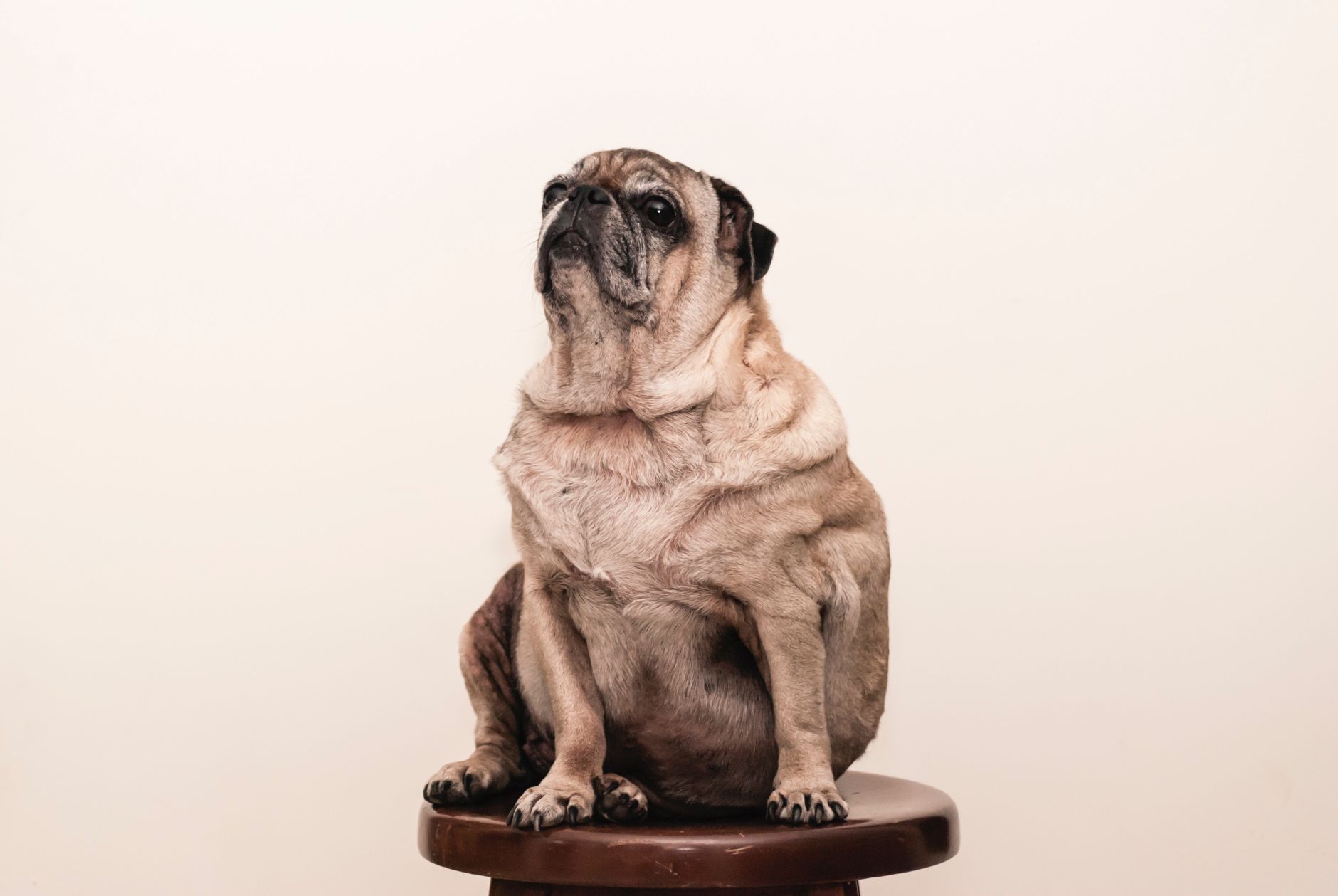
It is vital for Pug parents to know the difference between typical breed noises and signs of true respiratory distress. Pugs do make unique, quiet snuffling sounds due to their shortened faces, but there is a clear, dangerous threshold where noise becomes a medical issue.
What I see most often in practice is owners assuming their dog is just tired, lazy, or stubborn when they are actually suffering from chronic oxygen deprivation. Recognizing when your dog’s breathing effort has crossed the line into distress can prevent a fatal crisis.
Let’s break down the physical signs that differentiate a relaxed, happy Pug from one that is actively struggling to get enough oxygen into their lungs.
Typical Snuffling
A mild snuffle when sniffing the ground or a light snore during deep sleep is common. However, these sounds should resolve immediately when the dog is awake, relaxed, and sitting still in a cool room.
Healthy breathing should not require effort from the abdomen.
True Distress Indicators
Look at your dog’s chest and abdomen. If their ribs are pulling out dramatically, or if their belly is pumping hard like a bellows, they are in distress.
Open-mouthed panting with a pulled-back tongue is an urgent warning sign.

Why Heat and Humidity are Life-Threatening for Pugs
Dogs do not sweat like humans to cool down; they rely almost entirely on the evaporation of moisture from their tongue and upper airway during panting. Because a Pug’s airway is physically restricted and prone to rapid swelling, they cannot move air efficiently enough to thermoregulate.
IVY&LANE No-Pull Small Dog Harness Set
- ✓Neck buckle, no pulling it over the head
- ✓Includes leash and car seat belt
- ✓Front and back clips; reflective strips
- Spreads pressure across the chest instead of the neck, which is safer for small and flat-faced breeds
When a Pug pants heavily, the friction of the rapid airflow causes the soft tissues in their throat to swell. This swelling further narrows the airway, forcing the dog to pant harder, which causes even more swelling and heat retention.
This vicious cycle can lead to heatstroke in a matter of minutes, even in moderate temperatures. A humid 75-degree day can easily become a life-threatening emergency for an untreated BOAS patient.
- Avoid walks during the peak heat of the day (10:00 AM to 5:00 PM).
- Keep your home air-conditioned to a comfortable 70-72 degrees.
- Always carry cold water and a small battery-operated fan during car rides.
- Watch for an elongated, spoon-shaped tongue during panting, which indicates extreme heat stress.

Surgical Interventions: Changing a Pug’s Life
Many clients are terrified when I first mention airway surgery, but corrective BOAS procedures are some of the most life-changing operations we perform in veterinary medicine. Seeing a Pug take its first quiet, effortless breath after waking up from anesthesia is incredibly rewarding.
These surgeries physically widen the airway to permanently reduce the resistance your dog faces with every single breath they take. If we perform these corrections early, before chronic strain causes the larynx to collapse, we can dramatically extend your Pug’s life expectancy.
Modern veterinary medicine utilizes precise techniques, including advanced surgical lasers, to minimize bleeding and post-operative swelling in these delicate airway tissues.
Stenotic Nares Resection
We remove a small wedge of tissue from each nostril. This opens up the nasal passages, allowing your Pug to breathe easily through their nose without constantly resorting to open-mouth panting.
Staphylectomy (Palate Shortening)
We surgically trim the excess length of the soft palate. This prevents the tissue from flapping into the larynx and blocking the windpipe during inhalation.
Laryngeal Saccule Excision
If the saccules have everted (turned inside out) due to chronic high pressure, we snip them away. This removes another major physical obstruction from the airway.

The Critical Importance of Weight Management
I cannot stress this enough: carrying extra weight is an absolute emergency for a dog with BOAS. Every single ounce of excess fat on your Pug’s neck and chest physically compresses their already narrowed trachea and larynx.
In my clinical experience, losing just 10% of their body weight can dramatically improve a Pug’s breathing, sometimes postponing or even eliminating the need for immediate surgical intervention. We must treat food as medicine and refuse to let begging eyes dictate portion sizes.
Managing your Pug’s weight and protecting their neck from physical strain are the two most powerful tools you have to manage this condition at home.
- Keep your Pug at a Body Condition Score (BCS) of 4 out of 9, where you can easily feel their ribs.
- Measure food using a digital kitchen scale rather than a plastic cup to prevent overfeeding.
- Replace high-calorie commercial treats with green beans, zucchini slices, or raw carrots.
- Switch from a neck collar to a Y-shaped harness to completely avoid putting pressure on their windpipe.
How Veterinarians Diagnose BOAS
Diagnosing BOAS requires a combination of awake clinical observations and a highly controlled, anesthetized upper airway examination. During an initial consultation, I will carefully evaluate your dog’s breathing patterns, nostril shape, and overall respiratory effort.
However, we cannot fully evaluate the soft palate, tonsils, or laryngeal saccules while the dog is awake. Attempting to look deep into a conscious dog’s throat is impossible and highly stressful, which can trigger a severe breathing crisis.
Therefore, a definitive diagnosis and staging of BOAS are performed under a brief, light general anesthesia, often immediately preceding corrective surgery if anomalies are found.
- Awake visual inspection of the nostrils to grade stenotic nares.
- Chest X-rays to assess the width of the trachea and check for signs of secondary pneumonia.
- Anesthetized upper airway exam to measure palate length and evaluate laryngeal function.
- Graded exercise tolerance testing to see how their heart and lungs respond to mild exertion.
Emergency Signs: When to Rush to the Vet
A respiratory crisis in a Pug is a terrifying, fast-moving emergency. Their condition can deteriorate from mild panting to complete upper airway obstruction and respiratory arrest in a matter of minutes.
If you observe your Pug struggling to breathe, you must act immediately. Do not wait to see if they calm down, and do not attempt to force them to drink water, which can lead to aspiration pneumonia.
Your immediate goal is to cool them down safely, minimize their stress, and transport them to the nearest veterinary emergency room as quickly as possible.
- Gums or tongue that appear blue, purple, gray, or pale white instead of healthy pink.
- Extreme, frantic gasping for air that does not slow down when the dog rests.
- Stretching the neck out flat and low to the ground to try and straighten the airway.
- Collapse, fainting, or loss of consciousness, often after a spell of coughing or excitement.
-
The Green Pet Shop Self-Cooling Pet PadHelps flat-faced and thick-coated pets stay comfortable in the heat
-
Greenies Original Regular Dental Dog TreatsHelps reduce plaque and tartar between brushings
-
Veken 95oz Pet Water FountainMoving, filtered water encourages pets to drink more, which supports kidney and urinary health
Related Dog Guides
Frequently Asked Questions
Can a Pug live a normal life with BOAS?
How much does Pug breathing surgery cost?
What age should a Pug have BOAS surgery?
How do I know if my Pug’s breathing is bad?
Can weight loss cure BOAS in Pugs?
Why does my Pug spit up white foam?
Sources & Further Reading
- American Veterinary Medical Association (AVMA)
- Merck Veterinary Manual
- American Kennel Club (AKC)
- PetMD
Final Thoughts
Living with a Pug is an absolute joy, but it comes with a deep responsibility to safeguard their ability to breathe. If your Pug snorts, snores, or struggles in the heat, please do not dismiss it as a quirky breed characteristic.
Schedule a dedicated consultation with your veterinarian to discuss their airway health today. With early diagnosis, proactive weight management, and timely surgical intervention, we can give these incredibly loving dogs the clear, easy breathing they deserve.
Your Pug’s quality of life, and indeed their very lifespan, depends on the actions you take before an emergency strikes.