
Turkish Shorthair Breed Guide

Quick Summary
The Turkish Shorthair, also known as the Anatolian Shorthair, is an exceptionally robust, athletic natural breed famed for its powerful jumping ability and unique fascination with water. In my clinical practice, I find these muscular, heavy-boned cats to be highly intelligent, gentle companions that thrive in active homes where their curious minds are constantly engaged. They are a superb fit for families looking for an interactive, low-maintenance feline companion with a dog-like, loyal personality.
Quick Facts
- origin countryTurkey
- breed groupNatural Breed
- sizeMedium to Large
- weight range9 to 18 lbs
- height range10 to 14 inches
- lifespan12 to 15+ years
- coat typeShort, single coat, water-resistant
- common colorsWhite, blue, black, cream, red, tortoiseshell, and various tabby patterns
- other namesAnatolian Shorthair, Anadolu Kedisi
- recognized byWCF, TICA (Registration only)
Caring for a Turkish Shorthair
Living with a Turkish Shorthair is an active, delightfully wet adventure. In my years treating this breed, I always warn owners to secure their faucets and keep toilet lids down because these cats have an intense fascination with flowing water. They require significant mental stimulation and vertical space, as their powerful hind legs allow them to effortlessly leap onto the highest shelves in your home. Maintaining their muscular frame requires structured play and close monitoring of their caloric intake to prevent obesity.
Is a Turkish Shorthair a good family pet?
Yes, they are outstanding family pets due to their patient, gentle nature and robust physical build. They typically tolerate the energetic play of respectful children well and enjoy being involved in family activities.
Do Turkish Shorthairs shed a lot?
They shed moderately throughout the year, but because they have a single coat without a dense undercoat, the volume of hair is highly manageable. A quick weekly brushing is usually more than enough to control loose hairs.
Is a Turkish Shorthair good for first-time owners?
While highly affectionate and low-maintenance in grooming, their high energy levels and demand for mental stimulation can sometimes overwhelm completely novice owners. They do best with owners who are committed to interactive play and environmental enrichment.
Temperament & Personality
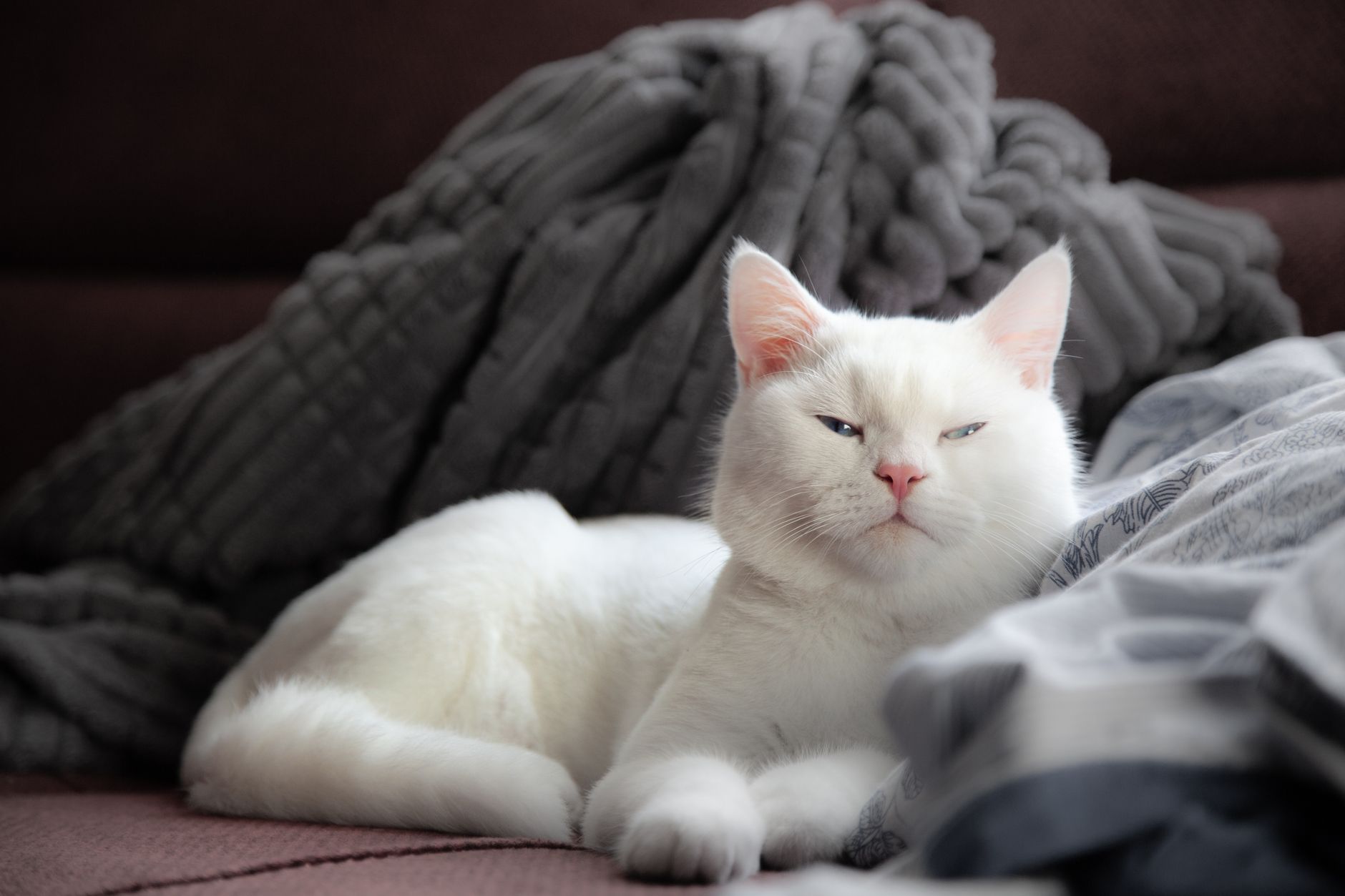
The Turkish Shorthair is a gentle giant of the feline world, balancing an active, playful spirit with a calm, sweet-tempered disposition. Unlike many highly active breeds that can be high-strung, these cats are remarkably relaxed and adaptable to changes in their environment. They form deep bonds with their human families and are known for their quiet, melodic chirping sounds rather than loud, demanding meows. They are exceptionally curious and will closely supervise all household chores and activities.
Is a Turkish Shorthair good with other pets?
Absolutely; in my clinical experience, their easygoing nature makes them excellent housemates for cat-friendly dogs and other energetic felines. Their muscular size also helps them hold their own during friendly play sessions.
How much attention does a Turkish Shorthair need?
They are highly social and prefer to be in the same room as their owners, but they are not overly demanding or clingy. They are happy to entertain themselves if provided with puzzle toys, climbing trees, and water-based enrichment.
Training & Behavior
Highly intelligent and naturally cooperative, the Turkish Shorthair is an exceptionally trainable cat. They respond beautifully to positive reinforcement and clicker training, often learning tricks and commands faster than many dog breeds. Their behavior is characterized by high-altitude exploration and a strong urge to manipulate objects with their paws.
Training Tips
- Use high-value, lean meat treats to reward desired behaviors instantly.
- Keep training sessions short and engaging, lasting no more than 3 to 5 minutes.
- Incorporate clicker training to teach advanced tricks like ‘fetch’ or ‘high-five’.
- Introduce harness and leash training early to safely satisfy their outdoor curiosity.
Fun Activities
- Playing fetch with lightweight, water-safe toys
- Navigating floor-to-ceiling wall cat shelves
- Splashing in shallow, supervised water dishes or pet fountains
- Solving advanced treat-puzzle toys
Is a Turkish Shorthair easy to train?
Yes, their combination of high intelligence, curiosity, and food motivation makes them exceptionally easy to train. They thrive on the mental challenge of learning new behaviors and commands.
Turkish Shorthair Health Issues
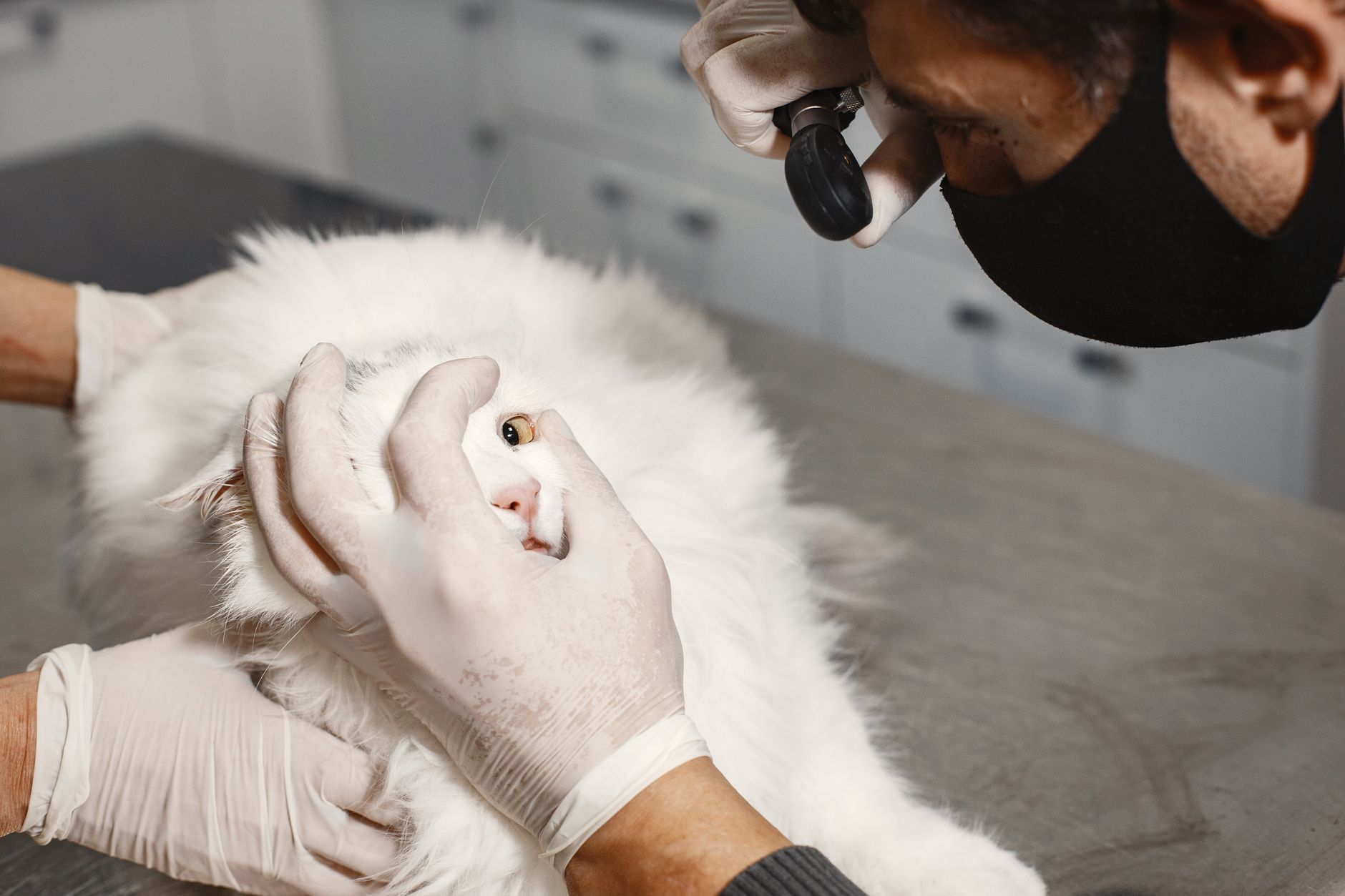
As a natural breed, the Turkish Shorthair is exceptionally hardy, with a diverse gene pool that shields them from many of the hereditary ailments plaguing highly engineered breeds. However, like all large, muscular cats, they require routine preventative veterinary care to maintain optimal joint, heart, and metabolic health.
Hypertrophic Cardiomyopathy (HCM)
A genetic condition where the heart muscle thickens, potentially leading to heart failure or blood clots. I recommend that any breeding cats receive annual echocardiograms by a board-certified veterinary cardiologist.
Patellar Luxation
A condition in which the kneecap temporarily slips out of its anatomical groove. Because of their powerful jumping ability and heavy bones, their stifle joints undergo significant mechanical stress.
Periodontal Disease
Inflammation and infection of the tissues supporting the teeth, driven by plaque accumulation. If left untreated, it can lead to systemic organ damage, particularly affecting the kidneys and heart.
Obesity
An excessive accumulation of body fat that places severe stress on joints and internal organs. I frequently have to remind owners that these cats are naturally heavy-boned, but they should still maintain a clear abdominal tuck.
How long do Turkish Shorthairs typically live?
With proper indoor care, a high-quality diet, and routine veterinary checkups, they regularly live between 12 and 15 years, with many robust individuals reaching 18 years of age.
What to Feed a Turkish Shorthair
Because the Turkish Shorthair is a highly active, muscular breed, their nutritional profile must support lean muscle maintenance while preventing unnecessary weight gain. I always advise against free-feeding, as their hearty appetites can easily lead to overeating.
Best Diet
An ideal diet consists of high-protein, moderate-fat wet food formulated for active cats. Wet food is highly beneficial for this breed, as it provides crucial hydration that supports kidney function and urinary tract health.
How to Feed
I recommend feeding adult cats two measured meals per day on a strict schedule. Utilizing interactive puzzle feeders is an excellent way to slow down eager eaters while providing valuable mental stimulation.
How Much to Feed
Portion sizes should be calculated based on your cat’s specific target weight, age, and activity level. As a general guide, an active 12-pound adult cat requires approximately 240 to 280 calories per day, but you must consult your veterinarian to customize this.
Nutritional Tips
Incorporate Omega-3 fatty acid supplements, such as wild-caught salmon oil, to support joint health and preserve their water-resistant coat. Always ensure they have access to fresh, flowing water, preferably via a pet fountain.
Turkish Shorthair Grooming Guide
The grooming requirements for a Turkish Shorthair are remarkably minimal compared to their long-haired cousins. Their short, single coat does not mat, making the grooming process quick, easy, and stress-free for both owner and cat.
Coat Care
Brush the coat once or twice a week with a rubber grooming mitt or a soft-bristle brush to remove loose hairs and distribute natural skin oils. Because their coat is water-resistant, bathing is rarely necessary unless they get into something sticky.
Skin Care
Periodically inspect their skin during grooming sessions for any signs of dryness, redness, or flea dirt, particularly around the base of the tail.
Ear Care
Because they enjoy playing in water, inspect their ears weekly for moisture buildup or debris, which can lead to yeast infections. Wipe the outer ear gently with a dry cotton ball if water is present.
Nail & Dental Care
Trimming their nails every 2 to 3 weeks is essential to protect your furniture from their climbing antics. Brush their teeth at least three times a week with veterinary-approved enzymatic toothpaste to prevent periodontal disease.
Considerations for Pet Parents
Pros
- Highly adaptable, affectionate, and family-friendly temperament
- Very low-maintenance, single-layer coat that is easy to groom
- Naturally healthy and robust genetic background
- Quiet, melodic vocalizations rather than loud meowing
- Highly intelligent and exceptionally easy to clicker train
- Generally gets along beautifully with dogs and other cats
Cons
- Can easily jump to high, hard-to-reach household surfaces
- Fascination with water can lead to open-toilet splashing or faucet tampering
- Requires consistent mental stimulation to prevent boredom-based mischief
- Prone to obesity if diet and portion sizes are not strictly managed
Best For
Active families, multi-pet households, or individuals who want a highly interactive, dog-like cat and have the space to accommodate vertical climbing.
Not Recommended For
Sedentary owners, those living in highly cramped apartments without room for tall cat trees, or individuals who are away from home for long stretches without other pets to keep the cat company.
Cost
- purchase price$800 – $1,500
- monthly cost$40 – $80
- initial setupBudget an extra $150 to $300 initially for heavy-duty, tall cat trees, water fountains, and secure window perches to safely satisfy their climbing and water-play instincts.
Similar Breeds

Turkish Shorthair FAQs
Do Turkish Shorthairs really love water?
Yes, they are famous for their affinity for water, a trait they share with the Turkish Van. Many will happily play in running faucets, splash in shallow bathtubs, or join you in the bathroom when the shower is running.
How high can a Turkish Shorthair jump?
Thanks to their powerful hind legs, they can easily jump up to six feet in the air from a standing position. Do not be surprised to find them lounging on top of your refrigerator or kitchen cabinets.
Are they hypoallergenic?
No, they are not hypoallergenic. While they have a single coat and shed less dander-trapping undercoat, they still produce the Fel d 1 protein in their saliva and skin glands, which triggers feline allergies.
How noisy are Turkish Shorthair cats?
They are relatively quiet cats. Instead of loud, persistent meows, they communicate using soft, musical chirps, squeaks, and trills, which I find incredibly charming in clinical settings.
Do they make good companion animals for dogs?
Yes, their bold, confident nature and robust physical size make them exceptional companions for gentle, cat-friendly dogs. They often enjoy interactive games of chase or curl up together for naps.
What is the origin of the Turkish Shorthair?
They are a natural breed originating from the Lake Van region and rural areas of Turkey. They developed naturally over centuries, adapted to survive cold winters and warm summers, which explains their water-resistant single coat.
How do I prevent my Turkish Shorthair from flooding the house?
Because they can easily turn on sensor faucets or lever handles, I recommend installing childproof faucet covers or turning off the water supply under the sink when unsupervised if your cat develops a water-tampering habit.
Do they take a long time to reach full physical maturity?
Yes, like many larger, heavy-boned natural breeds, they grow slowly. A Turkish Shorthair may not reach their full adult size, muscular definition, and weight until they are 3 to 4 years of age.
Are they prone to separation anxiety?
They can become lonely and bored if left entirely alone for long periods. Providing them with a companion animal, such as another cat or a friendly dog, along with plenty of interactive toys, helps mitigate this.
What kind of toys do they prefer?
They love toys that mimic prey movement, such as wand toys, feather teasers, and battery-operated moving toys. They also highly enjoy water-safe plastic balls floating in a shallow dish of water.
Can they be kept strictly as indoor cats?
Yes, they should be kept indoors to protect them from infectious diseases, traffic, and predators. However, you must enrich their indoor environment with vertical climbing paths, window perches, and scratchers to satisfy their athletic needs.
How can I tell a Turkish Shorthair apart from a Turkish Van?
While closely related, the Turkish Shorthair has a short, single coat, whereas the Turkish Van has a semi-long coat. Additionally, the Turkish Shorthair is accepted in a wider variety of solid colors and tabby patterns, whereas the Van is primarily white with colored markings restricted to the head and tail.