
Ragdoll Breed Guide
Quick Summary
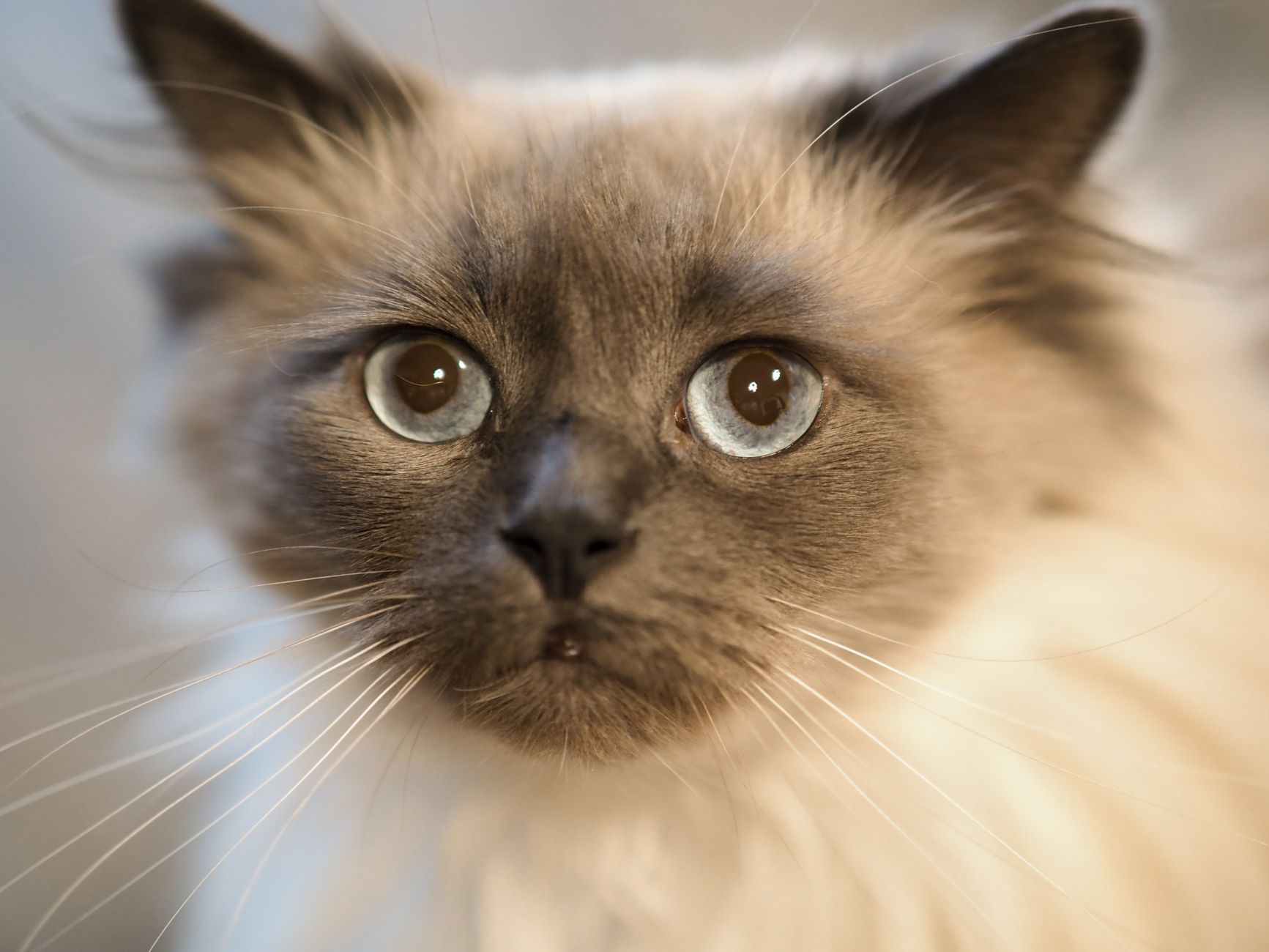
The Ragdoll is a massive, strikingly beautiful, and exceptionally docile cat famous for going completely limp in your arms when held. Best suited for indoor environments and loving families, these dog-like felines crave human companionship and bring a serene, affectionate presence to any home.
Quick Facts
- origin countryUnited States
- breed groupSemi-longhair
- sizeLarge to Giant
- weight range10 to 20 pounds (males regularly exceed 15 pounds)
- height range9 to 11 inches
- lifespan12 to 15 years
- coat typeSemi-long, plush, and silky with minimal undercoat
- common colorsSeal, Blue, Chocolate, Lilac, Red, and Cream points (in Colorpoint, Mitted, and Bicolor patterns)
- other namesNone
- recognized byCFA, TICA, FIFe, ACFA, GCCF
Caring for a Ragdoll
Living with a Ragdoll is more like sharing your home with a gentle, slow-moving shadow than a typical independent cat. I’ve found that they thrive on routine and will patiently wait by the door for you to return home, much like a loyal dog. Because of their docile nature and lack of street smarts, they must be kept strictly indoors. You will need to commit to regular playtime to keep their large frames active and prevent weight gain.
Is a Ragdoll a good family pet?
Absolutely. In my experience, Ragdolls are among the absolute best choices for families because of their incredibly patient, non-aggressive temperament. They tolerate being held and pampered by gentle children far better than almost any other breed.
Do Ragdolls shed a lot?
Yes, they do shed, especially during the seasonal changes in spring and fall. However, because they lack a dense, woolly undercoat, their silky fur is much less prone to severe matting than a Persian’s, making daily quick brushings highly effective.
Is a Ragdoll good for first-time owners?
They are fantastic for beginners. Their easygoing nature, lack of demanding high-energy behaviors, and deeply affectionate attitude make them incredibly forgiving and easy to integrate into a novice household.
Temperament & Personality
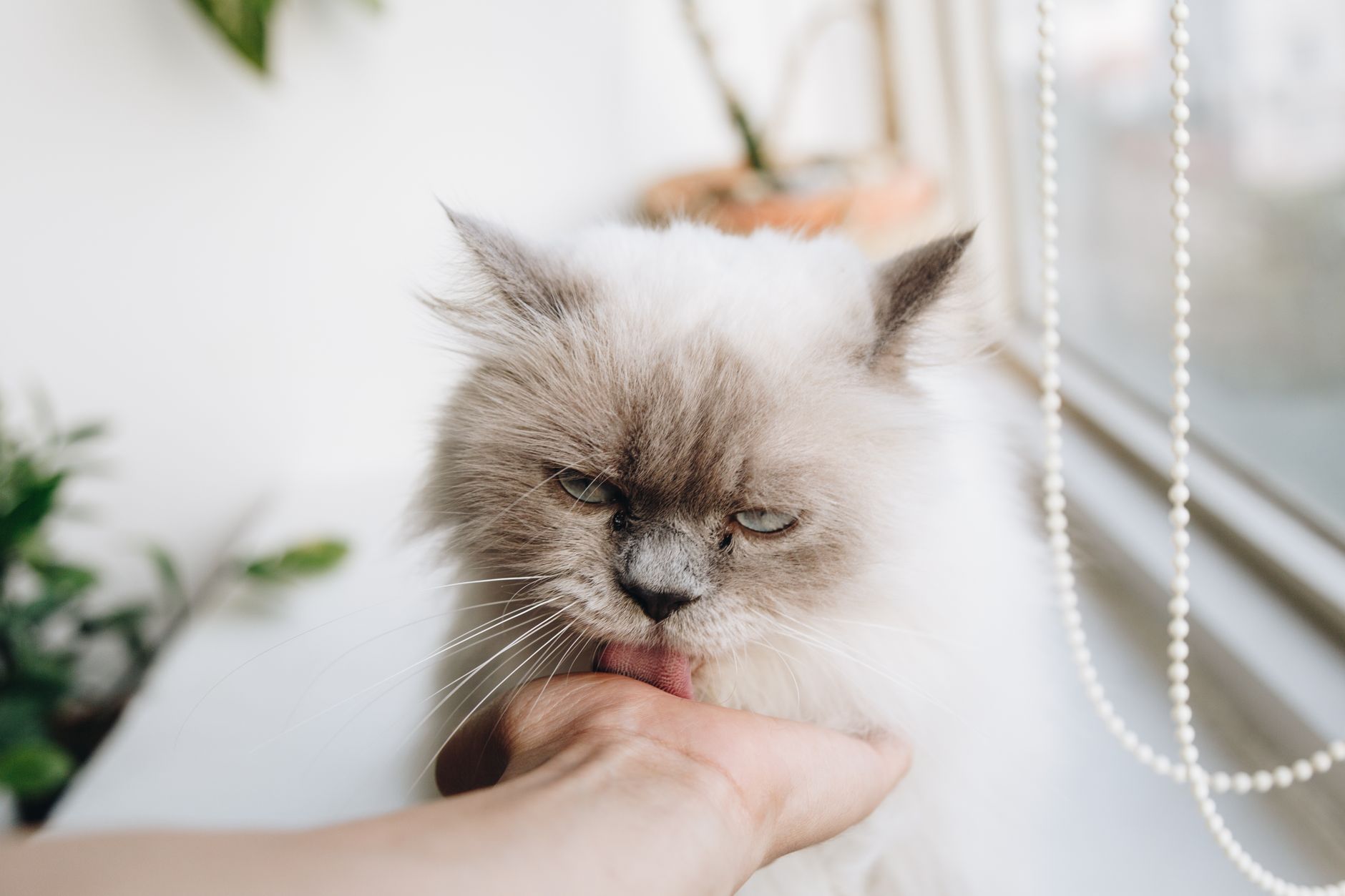
If I had to describe the Ragdoll temperament in one word, it would be ‘placid.’ These cats are the ultimate lap-warmers, possessing a sweet, low-key disposition that radiates calm throughout the household. They are highly social, preferring to be in the same room as their humans, often lounging on the floor nearby or draping themselves across your lap. While they enjoy play, they are not high-fliers; you’re far more likely to find them on the sofa than on top of the refrigerator.
Is a Ragdoll good with other pets?
Yes, they are exceptionally social. I’ve found they easily tolerate and even seek out the companionship of cat-friendly dogs and other peaceful felines, making them perfect for multi-pet homes.
How much attention does a Ragdoll need?
They need a significant amount of daily interaction. They do not do well when left isolated for long stretches of time and can develop separation anxiety if they don’t get regular human contact.
Training & Behavior
Ragdolls are highly intelligent and surprisingly trainable, often motivated by positive reinforcement and gentle praise. I always tell owners that because they are so eager to please, you can easily teach them basic household manners and even interactive games. They rarely display territorial behavior or aggression, preferring to walk away from conflict rather than fight.
Training Tips
- Use high-value treats like freeze-dried chicken for positive reinforcement.
- Keep training sessions short, around 3 to 5 minutes, to match their relaxed attention span.
- Never yell or use physical discipline, as Ragdolls are highly sensitive to harsh tones.
- Start litter box and scratching post training on day one to establish lifelong habits.
Fun Activities
- Playing fetch with soft, crinkly toys
- Clicker training for basic tricks like ‘sit’ and ‘high-five’
- Walking on a harness and leash in a secure, quiet backyard
- Solving simple food puzzle toys to stimulate their minds
Is a Ragdoll easy to train?
Yes, they are highly receptive to training. Their cooperative, dog-like nature means they pick up on house rules, harness training, and simple tricks much faster than more independent breeds.
Ragdoll Health Issues
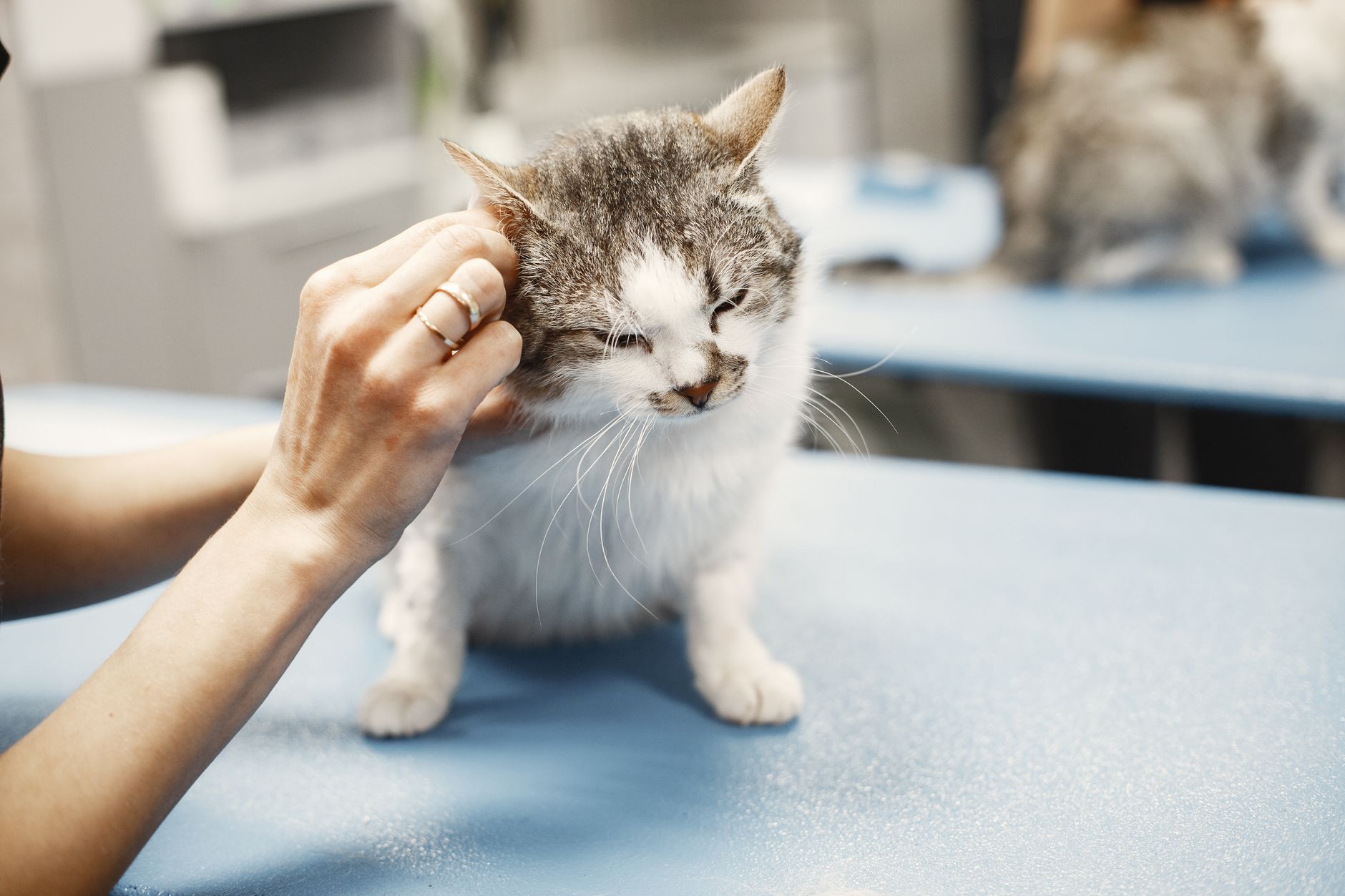
Ragdolls are generally robust and heavy-boned, but like all purebred cats, they have genetic predispositions to specific health issues. Working closely with a reputable breeder who performs genetic screening is the single best way to ensure a healthy kitten.
Hypertrophic Cardiomyopathy (HCM)
An inherited genetic condition where the heart muscle thickens, potentially leading to heart failure or blood clots. A DNA test can identify carriers of the mutated gene responsible for this condition.
Feline Lower Urinary Tract Disease (FLUTD)
This breed can be prone to bladder stones and crystals, which can cause painful urination or life-threatening urethral blockages, particularly in neutered males.
Obesity
Due to their low-energy, placid lifestyle, Ragdolls easily gain excess weight, which puts dangerous strain on their large frames, joints, and cardiovascular systems.
Polycystic Kidney Disease (PKD)
An inherited condition where fluid-filled cysts form in the kidneys, eventually multiplying and growing over time to cause progressive kidney failure.
How long do Ragdolls typically live?
With proper indoor care, regular veterinary checkups, and a high-quality diet, a Ragdoll will typically live between 12 and 15 years, with some reaching up to 18 years.
What to Feed a Ragdoll
Because Ragdolls are slow-growing cats that do not reach full physical maturity until they are 3 to 4 years old, their nutritional needs change over a longer period than average cats. It is crucial to monitor their food intake closely to prevent their large frames from turning soft and obese.
Best Diet
I highly recommend a diet rich in high-quality wet/canned food. The extra moisture content is vital for preventing urinary tract crystals, while the high protein content supports their heavy muscle growth without adding empty carbohydrate calories.
How to Feed
Feed your Ragdoll on a strict schedule of 2 to 3 measured meals a day rather than free-feeding. Free-feeding is a major contributor to obesity in this highly relaxed breed, especially after they are spayed or neutered.
How Much to Feed
Portion sizes must be tailored to their life stage, activity level, and weight. I always tell owners to consult their veterinarian to calculate the exact daily caloric intake required, adjustments being made as they transition from fast-growing kittens to sedentary adults.
Nutritional Tips
Incorporate omega-3 fatty acids (such as wild salmon oil) to maintain their plush, silky coats, and ensure they always have access to a clean, running pet fountain to encourage hydration.
Ragdoll Grooming Guide
While their coats look incredibly high-maintenance, Ragdoll grooming is surprisingly manageable. Because they lack a dense undercoat, they do not mat as easily as other longhaired breeds, but they still require consistent care to look their best.
Coat Care
Brush your Ragdoll’s coat thoroughly at least twice a week using a steel comb to detangle the friction areas under the armpits and around the hind legs. During shedding season, increase this to daily brushing to prevent painful hairballs.
Skin Care
Check their skin during grooming sessions for any signs of dryness, flaking, or redness, which can sometimes occur if their diet lacks essential fatty acids.
Eye Care
Gently wipe the corners of their eyes with a damp, soft cloth to remove any minor discharge, using a clean section of the cloth for each eye to prevent spreading any potential infection.
Ear Care
Inspect their ears weekly for dirt, wax buildup, or redness. If they appear dirty, gently clean them using a vet-approved ear-cleaning solution and a soft cotton round, never inserting cotton swabs into the ear canal.
Nail & Dental Care
Trim their nails every 2 to 3 weeks using a sharp pet nail clipper. Brush their teeth at least 3 times a week with veterinary enzymatic toothpaste to prevent periodontal disease, which is common in all domestic cats.
Considerations for Pet Parents
Pros
- Incredibly gentle, sweet, and patient temperament
- Highly affectionate and loves to cuddle
- Very quiet and rarely vocalizes disruptively
- Excellent with children and other domestic pets
- Stunning appearance with bright blue eyes
- Highly trainable and responds well to house rules
Cons
- Prone to separation anxiety if left alone for long periods
- Must be kept strictly indoors due to lack of self-defense instincts
- Moderate shedding requires consistent, lifelong grooming
- Can easily become overweight without strict diet management
Best For
The Ragdoll is ideal for indoor-only households, families with respectful children, retirees, and individuals who work from home and want a constant, loving feline companion by their side.
Not Recommended For
They are not recommended for busy owners who are away from home for 10 to 12 hours a day, families who want an outdoor cat, or those who cannot commit to regular coat brushing and strict weight management.
Cost
- purchase price$1,200 to $2,500+
- monthly cost$80 to $150
- initial setupInitial setup costs typically range from $400 to $800, which includes high-quality scratching posts, large litter boxes, carrier, initial vet vaccines, microchipping, and grooming tools.
Similar Breeds

Birman
Ragamuffin
Ragdoll FAQs
Are Ragdolls completely hypoallergenic?
No, Ragdolls are not hypoallergenic. While they lack a dense undercoat, which can reduce the spread of dander in some environments, they still produce the Fel d 1 protein in their saliva and skin glands, which is the primary trigger for cat allergies.
Do Ragdolls really go limp when you hold them?
Many do, which is how they got their name. In my experience, most Ragdolls relax their muscles completely when picked up by someone they trust, though individual cats may vary in how ‘floppy’ they choose to be.
Why must Ragdolls be kept strictly indoors?
Ragdolls lack basic self-defense instincts and are incredibly trusting, making them highly vulnerable to outdoor dangers like traffic, predators, stray dogs, and cat fights. Their calm demeanor means they are more likely to approach a threat rather than flee from it.
Are all Ragdolls born white?
Yes, all purebred Ragdoll kittens are born pure white. Their distinctive color points and patterns begin to emerge around 1 to 2 weeks of age, and their coat color will continue to darken and develop until they reach full maturity around age 3 or 4.
Do all Ragdoll cats have blue eyes?
According to the official breed standards, purebred pointed Ragdolls must have striking blue eyes. While you may see ‘solid’ or mink Ragdolls with green or gold eyes, these are not recognized by major show registries like the CFA.
How big do male Ragdolls actually get?
Male Ragdolls are very large, slow-maturing cats that typically weigh between 15 and 20 pounds, though some healthy, non-obese males can occasionally top out at 22 pounds. They do not reach their full physical skeletal size until they are 4 years old.
Do Ragdolls get along with dogs?
Yes, they are famously good with dogs. Because of their laid-back, non-defensive nature, they adjust very quickly to life with respectful, cat-friendly dogs, often choosing to cuddle up and sleep right next to them.
How often do they need a bath?
Because of their silky, self-cleaning coat, they rarely need a bath unless they get into something messy or experience a litter box mishap. I find that a bath once every 3 to 6 months is more than enough to keep their coat in pristine condition.
Why is my Ragdoll following me to the bathroom?
This is a classic Ragdoll trait. They are incredibly people-oriented and hate being shut out of any room you are in; they view themselves as active members of your daily routine and want to be close to you at all times.
Are Ragdolls prone to separation anxiety?
Yes, they can be. Because they are highly social and depend on human interaction, being left entirely alone for long periods can cause stress, which may manifest as vocalizing, over-grooming, or litter box avoidance.
Do they climb on counters and high furniture?
Generally, no. Ragdolls are floor-dwelling cats who prefer to stay low to the ground. While they will gladly jump onto the sofa, your lap, or the bed, they rarely climb high curtains, kitchen counters, or tall bookshelves.
What is the difference between a Ragdoll and a Ragamuffin?
While closely related, the Ragamuffin is a distinct breed established by breeders who wanted to introduce more coat colors and patterns. Ragamuffins allow all coat colors and eye colors, whereas traditional Ragdolls must have blue eyes and pointed coats.
Do Ragdolls need a companion cat?
While they can survive as solo pets if you work from home, I highly recommend getting a second companion cat or dog if you are out of the house for standard workdays. They thrive immensely when they have a constant buddy to interact with.
What is the ‘fat pad’ on a Ragdoll’s belly?
Ragdolls have a primordial pouch on their lower abdomen, which is a normal breed characteristic. While it can look like a saggy belly, it is not necessarily a sign of obesity, though you should still have your vet monitor their overall body condition score.
How do I prevent my Ragdoll from getting mats behind the ears?
The soft fur behind the ears is a high-friction zone prone to matting. I recommend using a fine-toothed metal comb in this area at least three times a week, gently combing all the way down to the skin to prevent tiny tangles from turning into tight mats.