
Cat Breeds Guide
Quick Summary
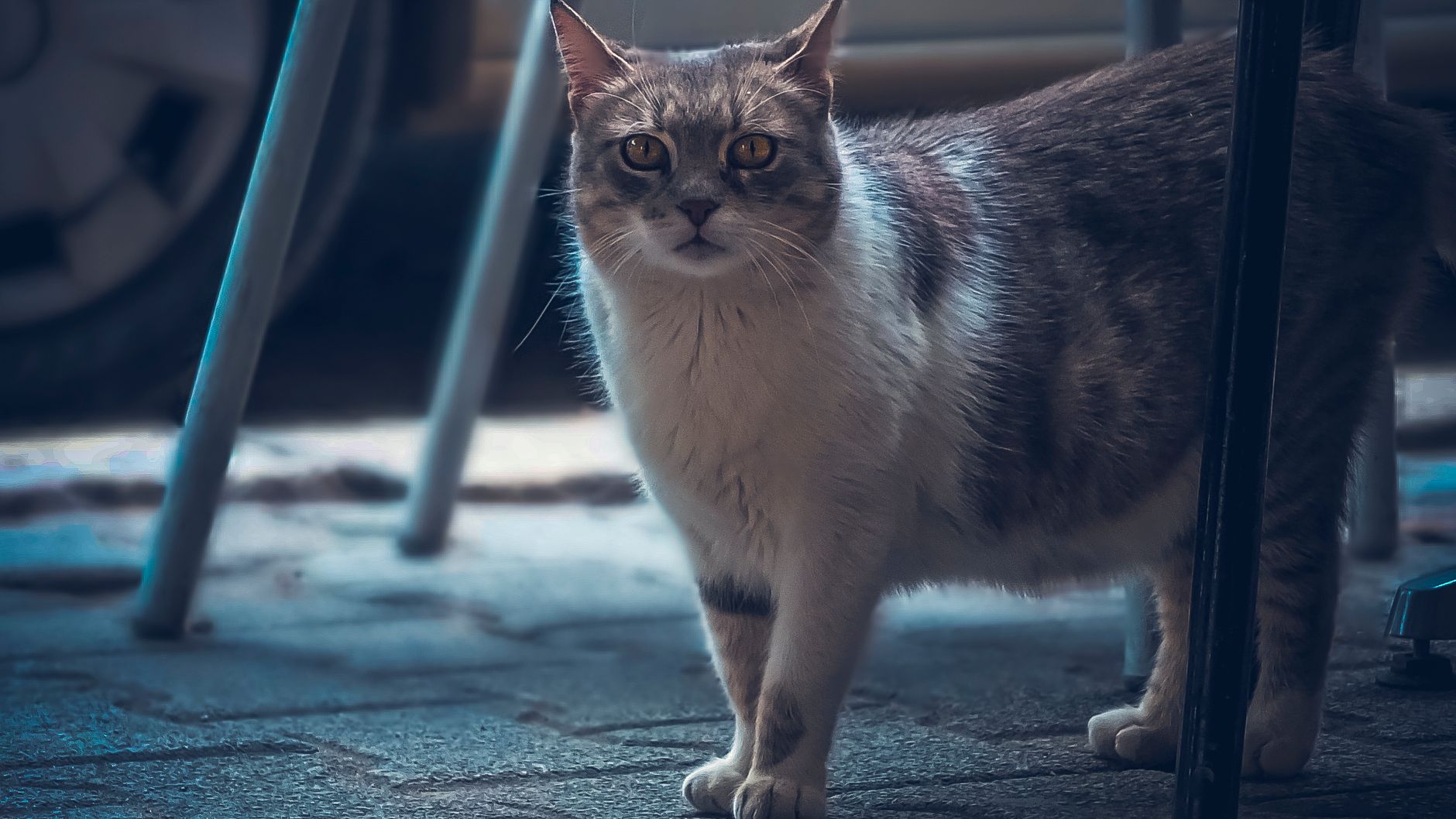
Cats are highly independent, low-maintenance companions that fit beautifully into modern lifestyles, offering deep affection without the demanding schedule of a dog. However, their subtle body language and specific environmental needs require an observant owner willing to invest in vertical space, regular grooming, and mental stimulation. Ultimately, sharing your life with a cat means establishing a partnership built on mutual respect and quiet companionship.
I’ve spent decades living with and studying felines, and I can tell you that cats are far more complex than the ‘aloof’ stereotype suggests. They are highly territorial, crepuscular predators that adapt remarkably well to indoor living, provided you enrich their environment with scratching posts and climbing perches. While they don’t require daily outdoor walks, they do need consistent interactive play to prevent behavioral issues like scratching furniture or counter-surfing. Understanding their subtle communication cues—like a slow blink or a twitching tail tip—is the secret to unlocking an incredibly rewarding relationship.
Quick Facts
- Average lifespan: 12 to 15 years indoors (often reaching 20+ with excellent care)
- Daily sleep requirement: 12 to 16 hours on average
- Dietary classification: Obligate carnivores (must eat meat to survive)
- Normal body temperature: 100.5°F to 102.5°F
- Communication methods: Vocalizations (meows, purrs, chirps), body language, and scent marking
- Litter box ratio rule: Always have one box per cat, plus one extra
Why People Love Them
People fall in love with cats because they offer quiet, unobtrusive companionship that adapts easily to small apartments and busy work schedules. Their grooming habits keep them clean and odor-free, while their playful antics and deep, comforting purrs provide immense stress relief after a long day. There is also a unique satisfaction in earning a cat’s trust, as their affection is never given freely—it must be earned.
Things to Consider Before Getting One
- Veterinary costs can spike quickly, especially for senior cats prone to kidney disease or hyperthyroidism.
- Daily litter box scooping is non-negotiable to prevent odor and avoid elimination behavior issues.
- Cats require regular mental stimulation and physical play to prevent boredom-induced destructive behaviors.
- Your furniture will experience some wear and tear, as scratching is an instinctual necessity for claw health.
- They are sensitive to environmental changes, meaning moving homes or adding pets can trigger severe stress.
Popular Breeds
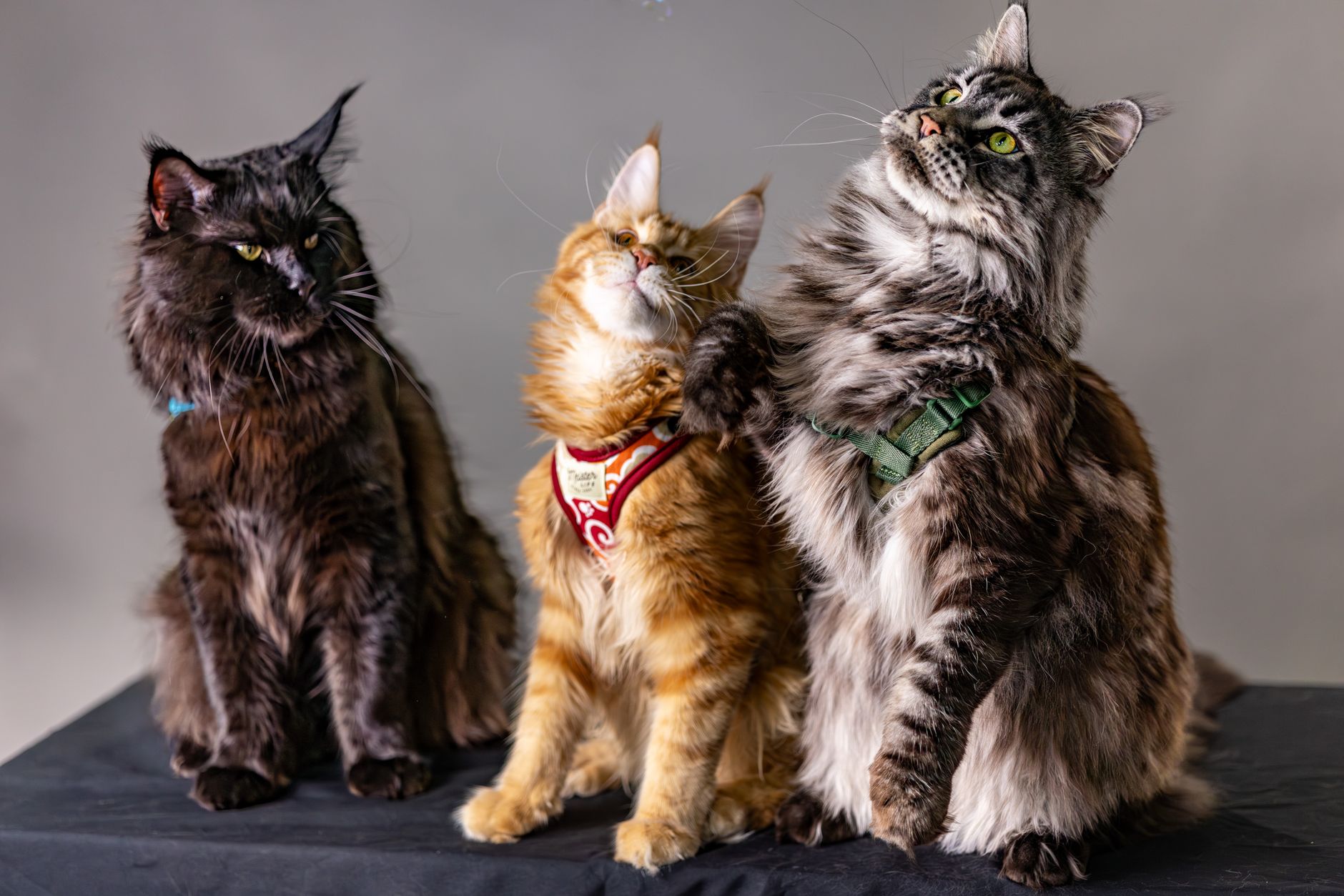
Maine Coon
These gentle giants are famous for their massive size, shaggy coats, and dog-like personalities. I love their tufted ears and playful, water-loving nature. They require regular brushing to prevent matting but are incredibly patient and family-friendly.
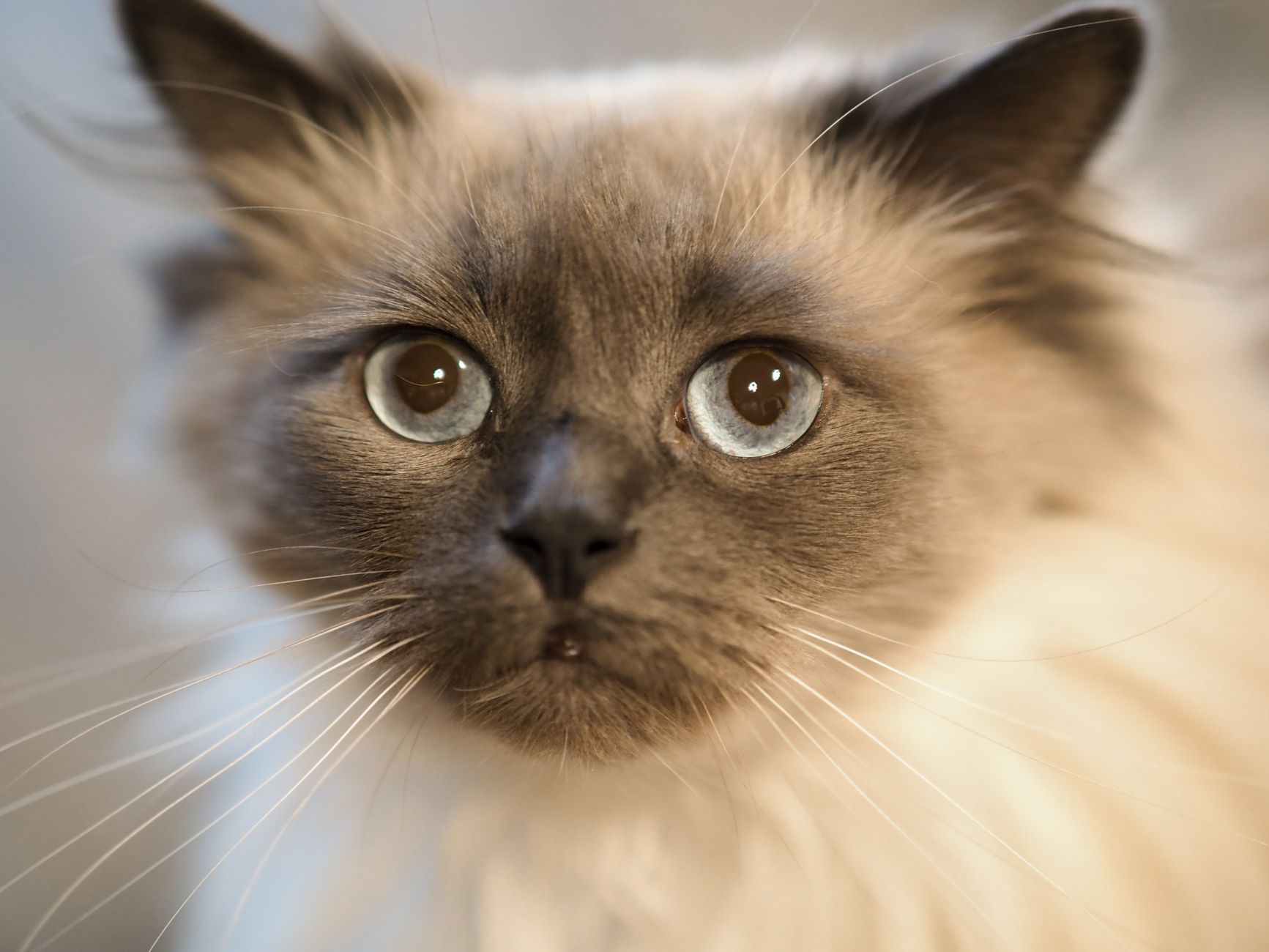
Ragdoll
Named for their tendency to go limp with relaxation when held, Ragdolls are exceptionally docile and affectionate. Their stunning blue eyes and plush colorpoint coats make them highly sought-after companions. They are best kept strictly indoors due to their trusting, non-defensive nature.

Siamese
If you want a quiet household, the Siamese is not for you; these highly vocal cats will loudly narrate their entire day. They are extremely social, intelligent, and crave constant human interaction. Their sleek, pointed coats and striking blue almond-shaped eyes are truly iconic.

British Shorthair
With their round faces, dense plush coats, and easygoing temperaments, British Shorthairs are the ultimate low-drama feline. They are independent enough to tolerate your work hours but love lounging nearby on the sofa. They possess a calm dignity that makes them wonderful, quiet companions.
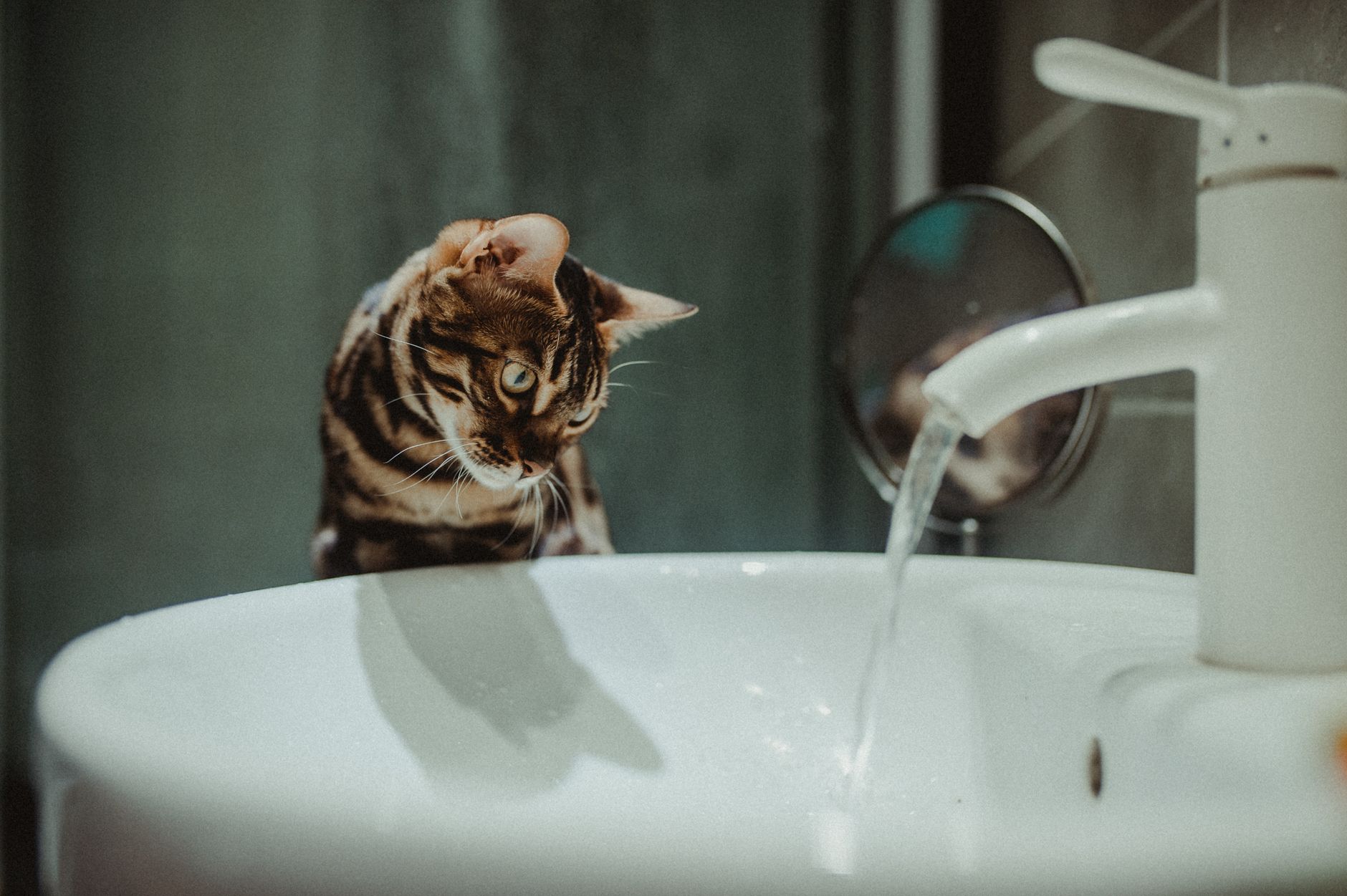
Bengal
Bengals are high-energy, wild-looking cats with stunning spotted or marbled coats. They require an immense amount of mental stimulation, climbing space, and active play to keep them out of trouble. I only recommend them to experienced owners who can commit to their demanding lifestyle.
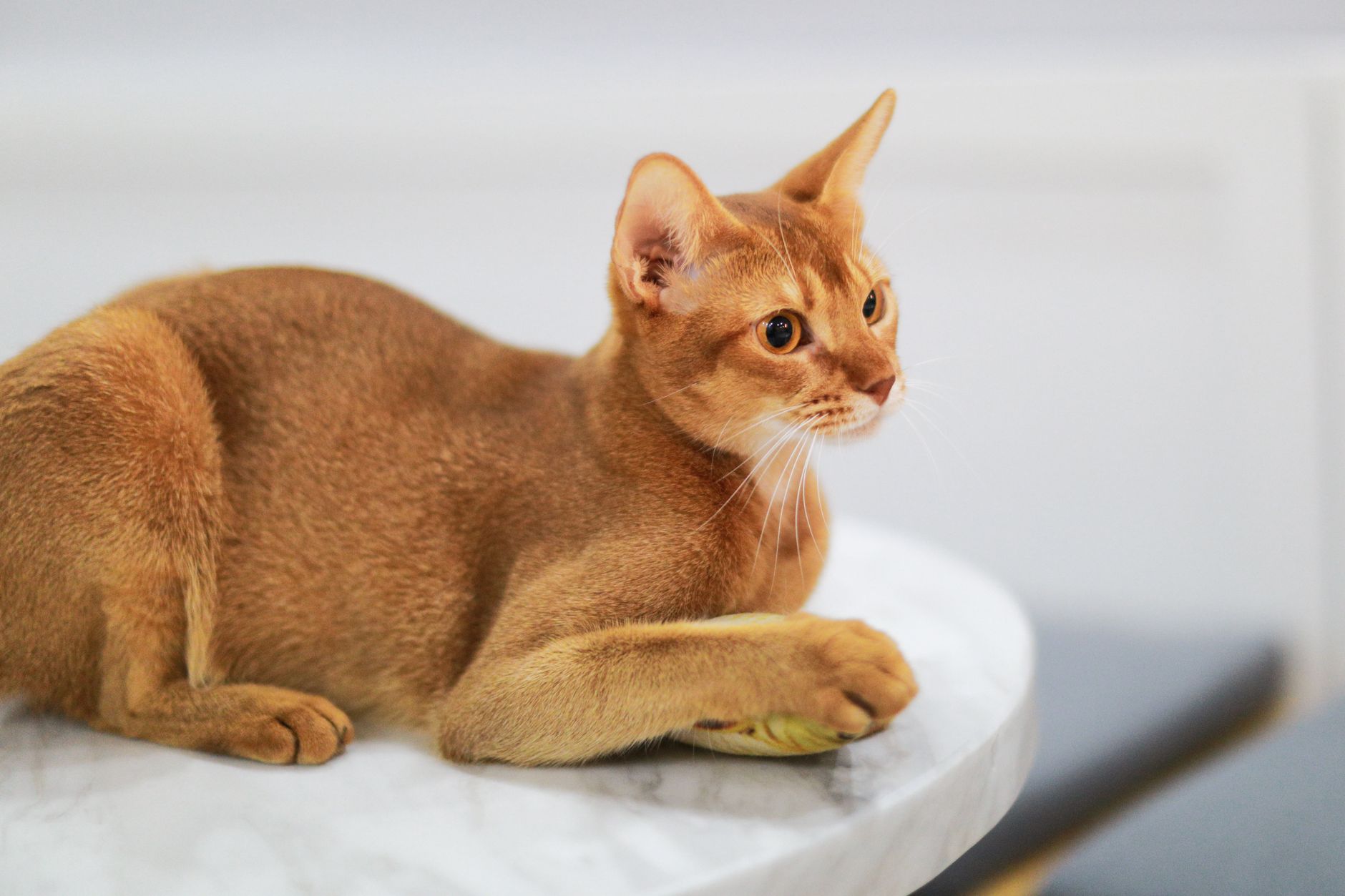
Abyssinian
Active, curious, and constantly on the move, the Abyssinian is often described as the ‘clown of the cat world.’ They love high perches and will investigate every cabinet, drawer, and grocery bag in your home. Their beautiful ticked coat gives them a striking, mini-cougar appearance.
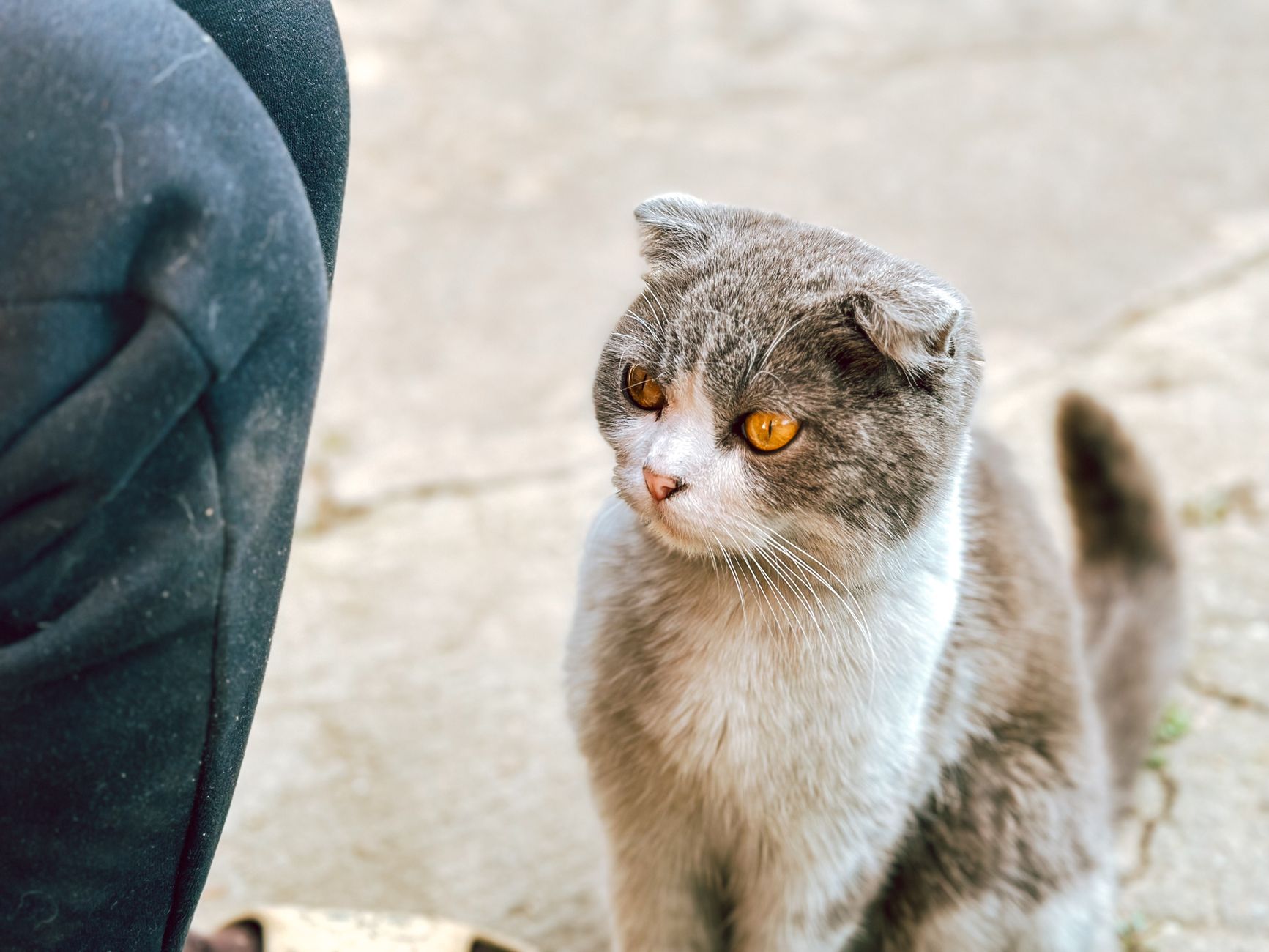
Scottish Fold
Recognizable by their unique forward-folded ears, these cats have a sweet, open expression and an incredibly gentle demeanor. They are moderately active, enjoying interactive toys but equally happy to cuddle in your lap. Prospective owners must watch for joint stiffness, as the gene causing folded ears can affect skeletal health.

Sphynx
The hairless Sphynx is a warm, energetic attention-seeker that loves to snuggle under the covers to stay warm. Because they lack fur to absorb body oils, they require weekly baths and ear cleanings to prevent skin issues. They are incredibly outgoing, often greeting guests at the door like a dog.
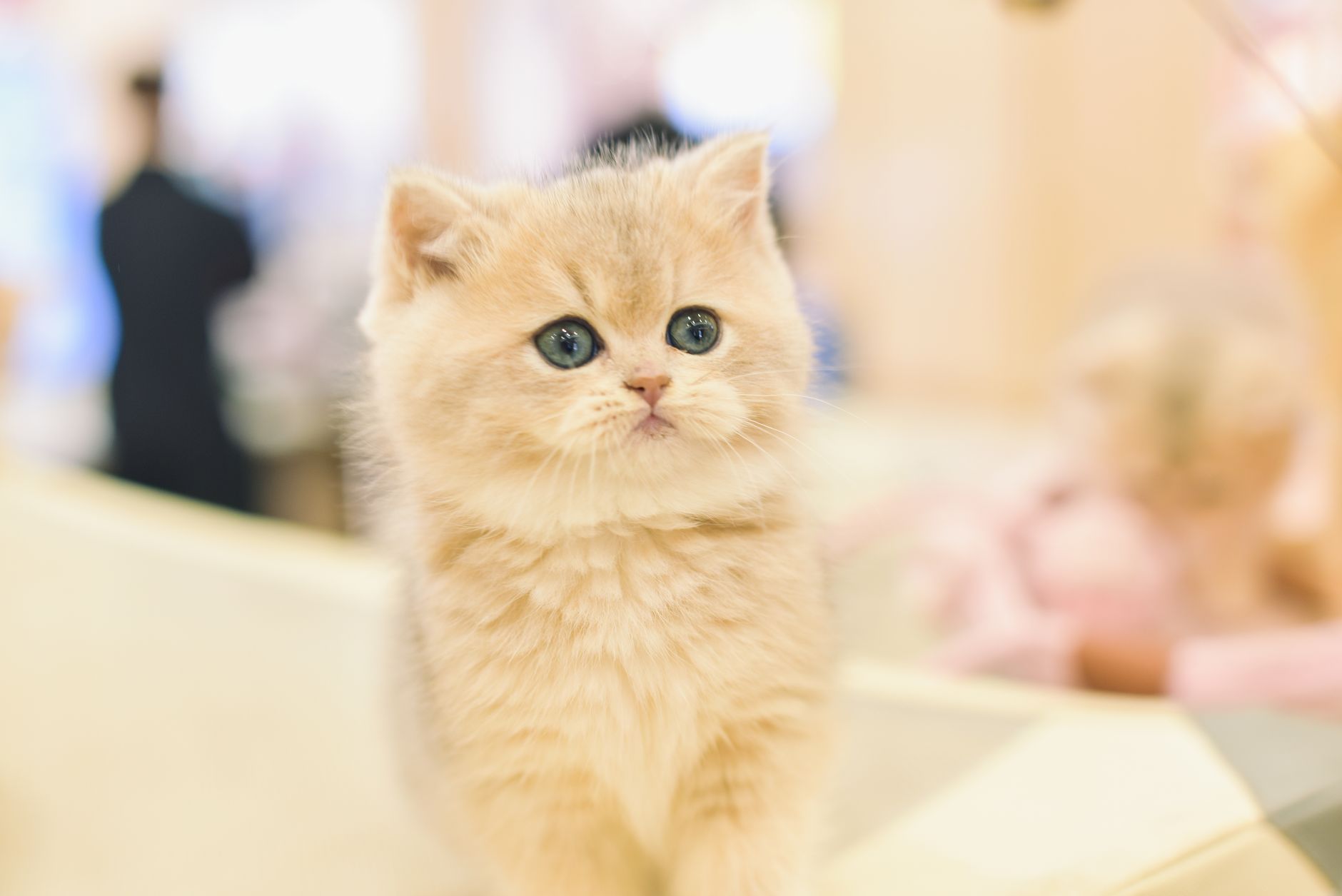
Persian
Known for their flat faces and long, flowing double coats, Persians are the royalty of quiet relaxation. They prefer a calm, predictable home and spend most of their time looking beautiful on soft surfaces. You must commit to daily combing and facial grooming to prevent tear staining and severe matting.
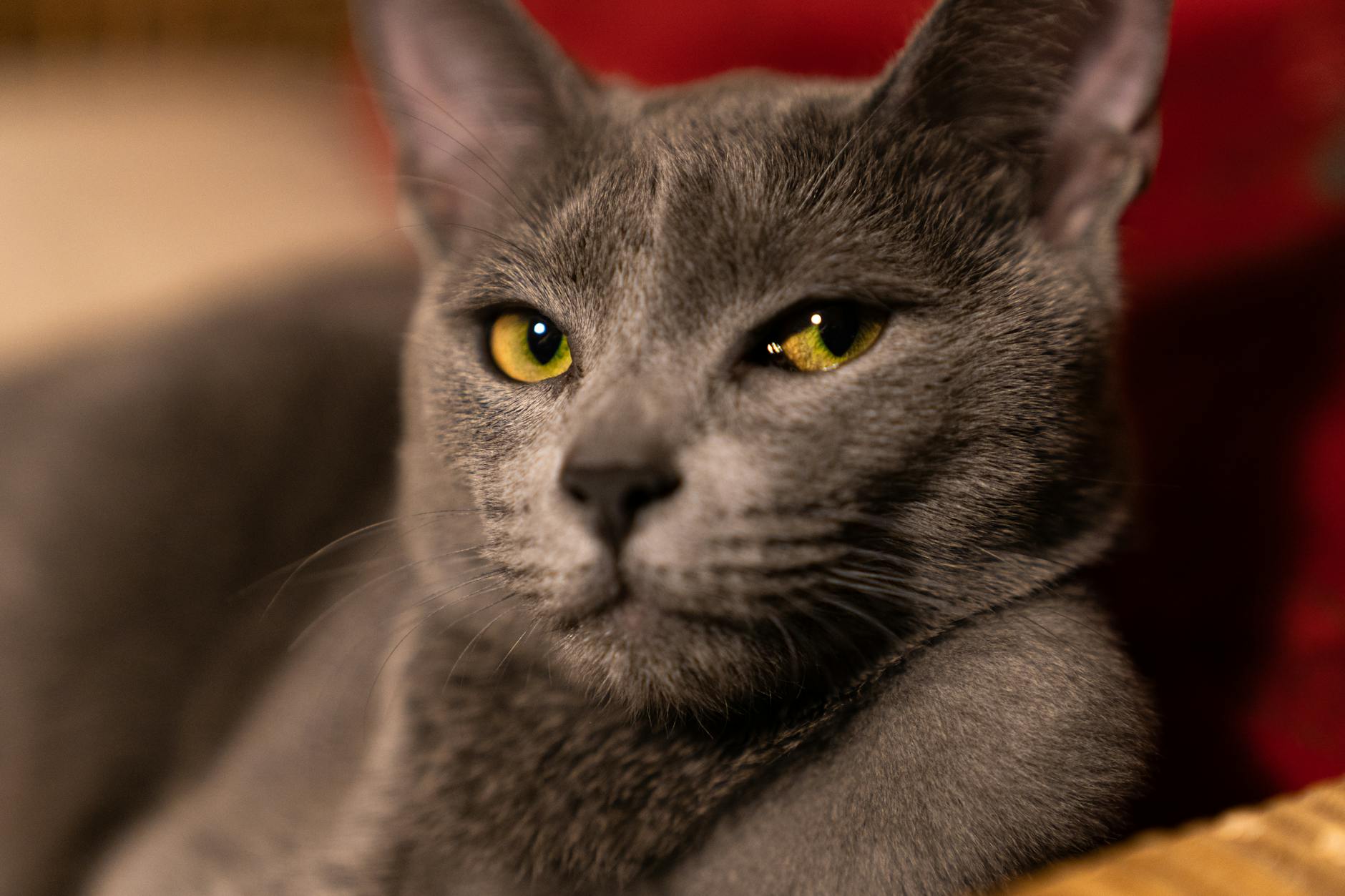
Russian Blue
These reserved, elegant cats have a dense, silvery-blue coat and striking green eyes. They are highly intelligent but can be shy around strangers, saving their deep affection for their chosen family members. They thrive on routine and do not appreciate sudden household disruptions.
All Cats Breeds
Beginner-Friendly Breeds
Advice for First-Time Owners
For your very first cat, I highly recommend looking past purebreds and visiting a local shelter to adopt an adult domestic shorthair aged two to five years. Adults have fully developed personalities, meaning shelter staff can match you with a calm, affectionate cat whose energy levels fit your lifestyle. This avoids the chaotic, high-maintenance kitten phase while giving a deserving animal a loving home.
Frequently Asked Questions
How often do I really need to clean the litter box?
You should scoop the litter box at least once, preferably twice, every single day. The entire box should be emptied, washed with mild soap, and refilled with fresh litter every two to four weeks depending on the type of litter used. Neglecting this routine can easily lead to your cat finding cleaner, less desirable places to eliminate, like your rug or bed.
How can I stop my cat from scratching my couch?
You cannot stop a cat from scratching entirely because it is a physical necessity for claw health and scent marking, but you can easily redirect them. Place sturdy, vertical sisal-wrapped scratching posts directly next to the furniture they are targeting, and reward them with treats when they use them. Applying double-sided tape or plastic guards to your couch corners will also make the furniture unattractive to scratch.
Do indoor cats actually need veterinary care if they never go outside?
Yes, indoor cats absolutely require annual veterinary checkups, vaccinations, and parasite prevention. Many common feline illnesses, like kidney disease, diabetes, and dental issues, develop silently and are best caught early through routine bloodwork. Even indoor cats can contract fleas, ear mites, or heartworms carried inside by humans or other pests.
How do I know if my cat actually likes me or just wants food?
Cats show affection through subtle, trust-based behaviors rather than overt enthusiasm. If your cat slow-blinks at you, purrs in your presence, sleeps near you, or rubs their cheeks against your legs, they are claiming you as safe and loved. Head-butting and exposing their belly are also ultimate signs of trust and affection.
Can cats be left alone for a weekend while I travel?
While cats are independent, leaving them entirely alone for more than 24 hours is highly risky. Water fountains can fail, litter boxes get dirty, and sudden medical emergencies like urinary blockages can become fatal within 36 hours. I always advise hiring a professional pet sitter to visit at least once a day to check on them, refresh their water, and provide social interaction.
Why does my cat bite me suddenly when I am petting them?
This is known as petting-induced aggression, which occurs when a cat gets overstimulated by repetitive physical contact. You must watch for warning signs like a twitching tail, flattened ears, or skin rippling along their back. When you see these signs, immediately stop petting them and give them space to prevent a bite.