
Donskoy Breed Guide

Quick Summary
The Donskoy is an exceptionally social, highly active feline famous for its wrinkled, hairless appearance and dog-like devotion. In my clinical experience, they are more like demanding toddlers than independent cats, thriving best with owners who can dedicate significant time to their intensive skincare and high emotional needs.
Quick Facts
- origin countryRussia
- breed groupHairless
- sizeMedium
- weight range7 to 12 pounds
- height range10 to 12 inches
- lifespan12 to 15 years
- coat typeHairless (Rubber Bald, Flocked, Velour, or Brush)
- common colorsAll colors and patterns including white, black, blue, red, cream, and tortoiseshell
- other namesDon Sphynx, Don Hairless, Russian Hairless
- recognized byTICA, FIFe, WCF
Caring for a Donskoy
Living with a Donskoy is a highly active, hands-on experience that requires daily commitment to skin maintenance and thermal regulation. Because they lack a traditional coat, their bodies work overtime to generate heat, translating to a high metabolism and a constant desire to snuggle under blankets. In my practice, I find these cats are permanently underfoot, demanding interaction and shadowing their humans from room to room. Owners must be prepared to manage their indoor climate carefully, ensuring the home is kept warm and draft-free year-round.
Is a Donskoy a good family pet?
Yes, their incredibly social and gentle nature makes them phenomenal family pets. In my years treating this breed, I have seen them form deep, loving bonds with respectful children, often participating actively in playtime rather than hiding away.
Do Donskoys shed a lot?
Generally no, as most are completely hairless or have minimal flocking. However, those with a ‘brush’ coat may experience mild, seasonal shedding of their coarse, wavy hair, which owners should discuss with their vet if it changes suddenly.
Is a Donskoy good for first-time owners?
I generally advise against a Donskoy for novice owners due to their highly specialized skincare routine and intense emotional needs. They require a steep learning curve regarding bathing schedules, ear hygiene, and dietary management that experienced cat owners handle much more easily.
Temperament & Personality
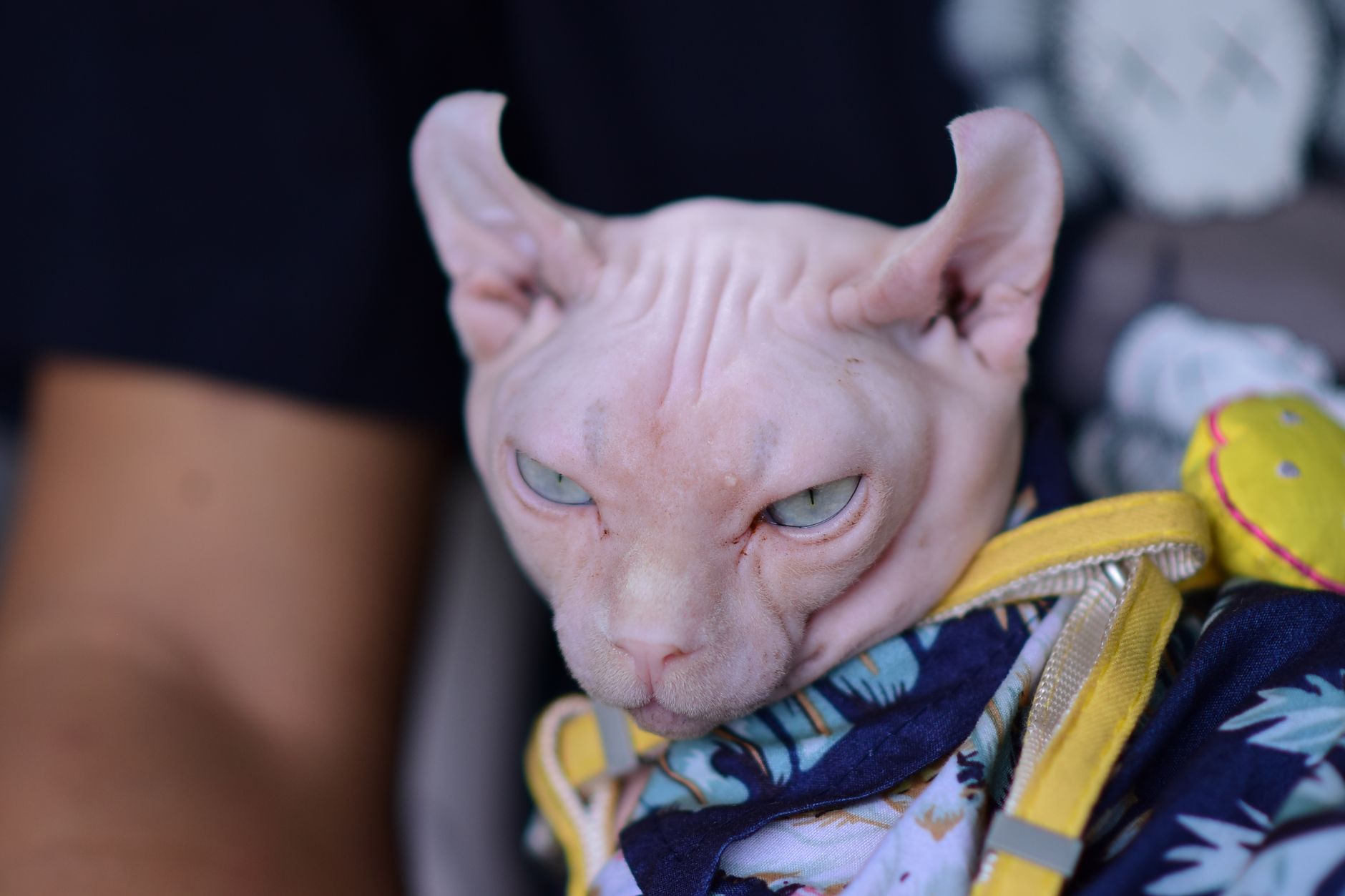
The Donskoy’s temperament is famously described as canine-like, characterized by relentless curiosity and an intense need for human contact. They do not possess the typical feline aloofness; instead, they greet you at the door, follow you to the shower, and insist on sleeping under the covers right against your skin. This breed is highly social, emotionally sensitive, and will visibly pine if left alone for extended periods.
Is a Donskoy good with other pets?
Remarkably so. In my clinic, I frequently see Donskoys paired with both dogs and other cats, as they actively seek out warm bodies to cuddle with and companionable playmates to burn off their high energy.
How much attention does a Donskoy need?
They require a massive amount of attention and will become depressed or exhibit self-soothing behaviors like excessive licking if ignored. I always tell owners that if you work 10-hour days outside the home, this is absolutely not the breed for you.
Training & Behavior
Donskoys are highly intelligent and eager to please, making them far more trainable than the average domestic feline. They learn household rules quickly, though their intense curiosity means they will still test boundaries by climbing to the highest points of your home. They respond exceptionally well to positive reinforcement and clicker training.
Training Tips
- Use high-value, smelly treats to keep their focus during short training sessions.
- Introduce a clicker early to teach commands like ‘sit’ and ‘come’.
- Leash-train indoors first using a soft, custom-fit harness designed for hairless breeds.
- Redirect unwanted climbing behaviors by providing tall, carpeted cat trees.
- Maintain a consistent routine to prevent anxiety-induced behavioral issues.
Fun Activities
- Interactive puzzle feeders that challenge their high intellect
- Fetch with lightweight crinkle balls or soft mice
- Agility course training in a warm indoor environment
- Supervised, harnessed walks on warm, overcast days
Is a Donskoy easy to train?
Yes, compared to most breeds, they are highly receptive. Their combination of high intelligence and a desire to interact with humans means they can easily master basic tricks, retrieval games, and harness walking with consistent, positive reinforcement.
Donskoy Health Issues
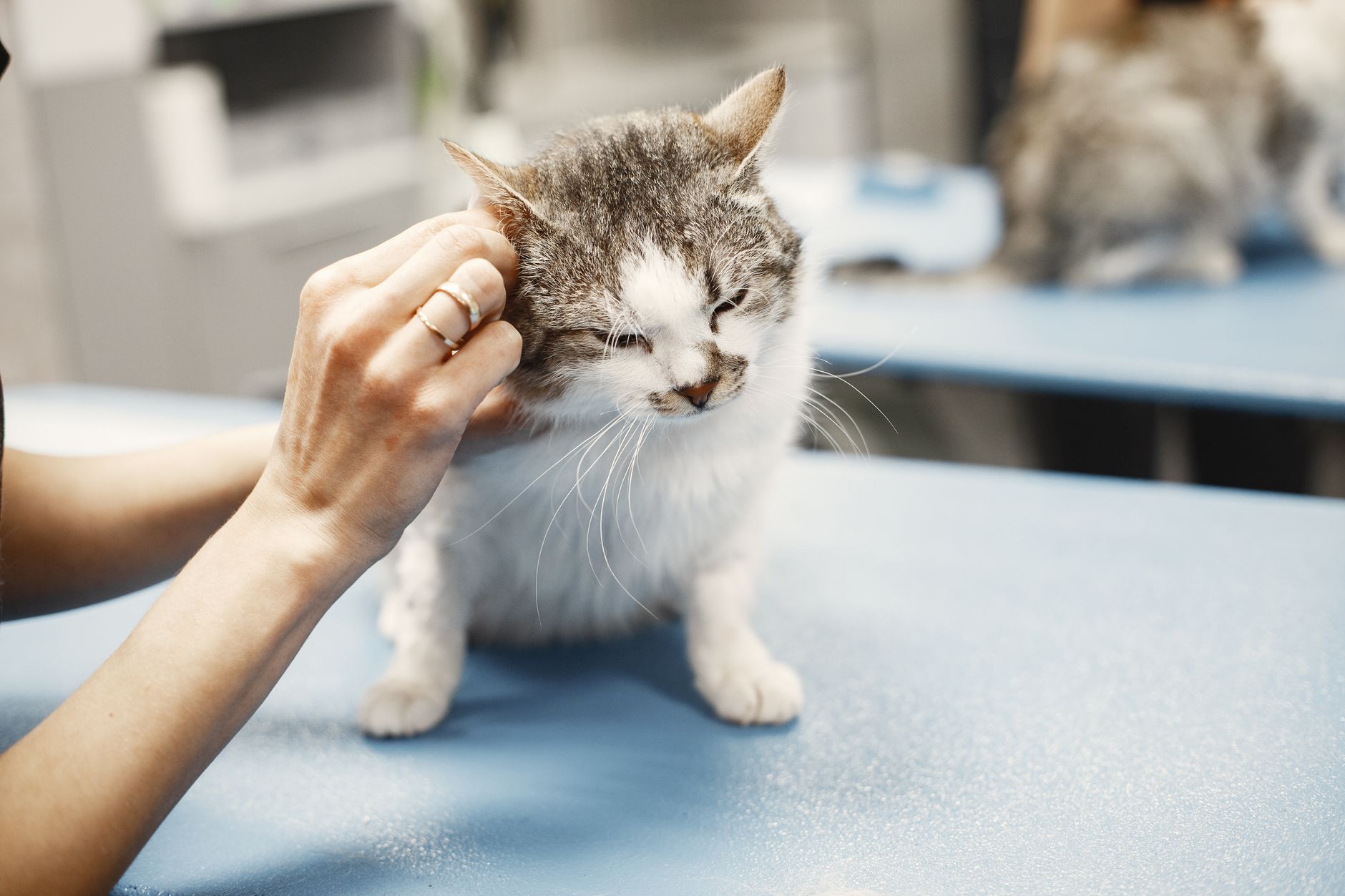
While physically robust and muscular, the Donskoy’s lack of hair makes them highly susceptible to dermatological issues and temperature extremes. From a clinical perspective, their genetic health profile is relatively clean, but their unique physical traits require proactive, daily preventative care.
Feline Acne and Comedones
Due to the absence of hair to wick away oils, sebum accumulates rapidly in the hair follicles, leading to blackheads and painful pustules, primarily on the chin, tail, and face.
Malassezia Dermatitis (Yeast Infections)
The warm, oily skin folds of a Donskoy create a perfect microclimate for yeast overgrowth, leading to greasy, itchy, and irritated skin.
Hypothermia and Cold Stress
Lacking insulating fur, Donskoys struggle to maintain their core body temperature of 100.5 to 102.5°F when exposed to drafts or room temperatures below 70°F.
Hypertrophic Cardiomyopathy (HCM)
A genetic condition where the heart muscle thickens abnormally, potentially leading to heart failure or arterial thromboembolism.
Periodontal Disease
Like many hairless breeds, Donskoys have a genetic predisposition to early-onset dental disease, which can lead to systemic infections if left untreated.
How long do Donskoys typically live?
With proper indoor care, high-quality nutrition, and diligent veterinary oversight, a Donskoy typically enjoys a lifespan of 12 to 15 years. Regular cardiovascular screening and proactive skin care are key to reaching these senior years.
What to Feed a Donskoy
Because they lack the thermal insulation of fur, Donskoys possess a incredibly high basal metabolic rate to maintain their body temperature. This means they require a nutrient-dense, high-calorie diet and eat significantly more volume than a furred cat of equivalent size.
Best Diet
I highly recommend a diet rich in high-quality animal proteins and moderate fat to support their metabolism and skin health. Wet or raw-form diets are excellent for providing the hydration necessary to keep their skin supple and assist in flushing out cellular waste.
How to Feed
Donskoys should be fed on a strict schedule of 3 to 4 smaller meals daily rather than free-feeding, which helps prevent sudden digestive upset. Using puzzle feeders is an excellent way to slow down their rapid eating while stimulating their intelligent minds.
How Much to Feed
Portion sizes must be tailored to their individual activity levels and metabolic rate; a typical adult Donskoy may require 1.5 times the caloric intake of a normal domestic shorthair. Always consult your veterinarian to calculate their specific daily caloric target to prevent obesity.
Nutritional Tips
Incorporating Omega-3 and Omega-6 fatty acid supplements can greatly assist in maintaining skin barrier health and reducing inflammation. Ensure fresh, clean water is always available in multiple locations, as these cats dehydrate quickly due to cutaneous moisture loss.
Donskoy Grooming Guide
Do not let the lack of fur fool you; the Donskoy is an incredibly high-maintenance breed when it comes to grooming. Their sebaceous glands constantly produce protective oils that normally coat fur; without it, these oils build up on the skin, leaving greasy deposits on furniture and causing severe skin irritation.
Coat Care
While they do not require brushing, they need a thorough bath every 1 to 2 weeks using a veterinary-recommended, pH-balanced shampoo. Between baths, daily spot-wipes with a warm, damp microfiber cloth or hypoallergenic, alcohol-free wipes are essential to manage oil buildup.
Skin Care
Pay special attention to their deep skin folds, especially around the neck, armpits, and groin, drying them thoroughly after washing to prevent moisture entrapment. Apply a pet-safe sunscreen if they sit by sunny windows, though keeping them out of direct sunlight is best.
Eye Care
Because they lack protective eyelashes, dirt and dust easily accumulate in their eyes, causing a natural, thick discharge. Daily wiping of the eye corners with a clean, damp cotton ball (using a separate ball for each eye) is required to prevent conjunctivitis.
Ear Care
Donskoys produce a large amount of dark, waxy ear secretions that can clog the ear canal and invite bacterial infections. Clean the ears weekly using a vet-approved ear-cleaning solution and cotton rounds, avoiding the use of cotton swabs inside the canal.
Nail & Dental Care
Accumulated skin oils gather in the nail sheaths, turning black and greasy; clean their nail beds weekly during their routine nail trim. Brush their teeth at least three times a week with veterinary enzymatic toothpaste to combat their high genetic risk of periodontal disease.
Considerations for Pet Parents
Pros
- Incredibly affectionate and deeply bonded to their owners
- Very intelligent, highly trainable, and capable of learning tricks
- Extremely friendly and social with other household pets and guests
- No shedding of fur to coat your furniture and clothing
- Enthusiastic and playful personality that lasts well into senior years
- Warm, soft skin feels akin to a heated chamois leather
Cons
- Requires intensive, lifetime grooming and bathing commitments
- Leaves oily residue on light fabrics and furniture if grooming is neglected
- Highly vulnerable to extreme heat, cold drafts, and sunburn
- Demands constant human interaction and can suffer from severe separation anxiety
- High caloric needs lead to elevated monthly food bills
Best For
Active families, remote workers, or households with other pets who can provide constant companionship and commit to rigorous, weekly skincare and hygienic maintenance.
Not Recommended For
Individuals who travel frequently, those away from home for long workdays, or anyone looking for a low-maintenance, independent pet who can self-groom.
Cost
- purchase price$1,200 to $3,000
- monthly cost$150 to $250
- initial setupInitial setup should budget for a high-quality heated cat bed, custom sweaters, winter coats, specialized pH-balanced grooming supplies, and routine veterinary screening.
Similar Breeds


Donskoy FAQs
Is the Donskoy hypoallergenic?
No. Many people mistakenly believe hairless cats are hypoallergenic, but feline allergies are triggered by Fel d 1, a protein found in saliva, dander, and sebaceous glands. Because Donskoys still produce saliva and skin oils, they can still trigger allergic reactions in sensitive individuals.
What is the difference between a Donskoy and a Sphynx?
The primary genetic difference lies in their hairlessness: the Sphynx’s hairlessness is caused by a recessive gene, whereas the Donskoy’s is caused by a dominant gene. Additionally, Donskoys can occasionally sprout a winter coat and shed it, and they typically have more pronounced wrinkles and a slightly heavier bone structure.
Why is my Donskoy sticky or leaving brown spots?
This is caused by an accumulation of natural sebum (skin oil). If a Donskoy is not bathed regularly, these clear-to-brown oils build up on the skin, causing a sticky texture and transferring onto sheets, sofas, and clothing. Increasing grooming frequency usually resolves this.
Do Donskoys need to wear sweaters?
Yes, during colder months or in air-conditioned homes, they absolutely benefit from wearing sweaters to prevent hypothermia. I advise my clients to choose breathable, soft fabrics like cotton and to wash the sweaters frequently to prevent trapping oils against the skin.
How often should I bathe a Donskoy?
Most Donskoys require a full bath every 1 to 2 weeks. Bathing them too frequently can strip their skin and cause rebound oil overproduction, while waiting too long leads to yeast infections and severe blackheads. Your vet can help you find the sweet spot.
Can Donskoys go outside?
Only under strict supervision, and generally, I recommend they remain indoor-only pets. They lack protection against UV rays, leading to rapid sunburn, and they cannot regulate their temperature against drafts, cold air, or intense summer heat.
What are the four coat types of a Donskoy?
Donskoys can be born with one of four coat types: ‘Rubber Bald’ (completely hairless), ‘Flocked’ (feels like chamois and may go bald later), ‘Velour’ (has soft, short hair that disappears over time), and ‘Brush’ (retains wavy, coarse wire-hair over the body).
Why do Donskoys eat so much food?
Lacking the insulation of fur, they must burn calories at a highly accelerated rate to maintain their normal body temperature. This elevated basal metabolic rate requires a much higher caloric intake than furred cats of similar weight.
Do Donskoys get acne?
Yes, blackheads and pimples are highly common in this breed due to sebum clogging their open, hairless pores. Regular gentle washing of their chin and tail area with a veterinary-recommended wash can prevent these blemishes from turning into painful infections.
Do they have whiskers?
Some Donskoys may have curly, short, or broken whiskers, while others may have no whiskers at all. The absence of whiskers does not impede their indoor navigation, but it is another reason they should be kept safely indoors.
Are Donskoys prone to ear infections?
Yes. Their large, open ears lack protective hair, allowing dirt and debris to enter easily while producing excessive dark wax. Regular weekly cleaning is necessary to prevent painful yeast or bacterial otitis externa.
What temperature should my house be for a Donskoy?
As a rule of thumb, if you feel chilly in a t-shirt, your Donskoy is too cold. Keeping your thermostat set to at least 70-72°F (21-22°C) and providing heated cat beds or warm nesting areas is ideal for their physical comfort.
Sources & Further Reading
- International Cat Care
- Merck Veterinary Manual
- The Cat Fanciers’ Association (CFA)
- American Veterinary Medical Association (AVMA)