
Tibetan Mastiff Breed Guide
Quick Summary
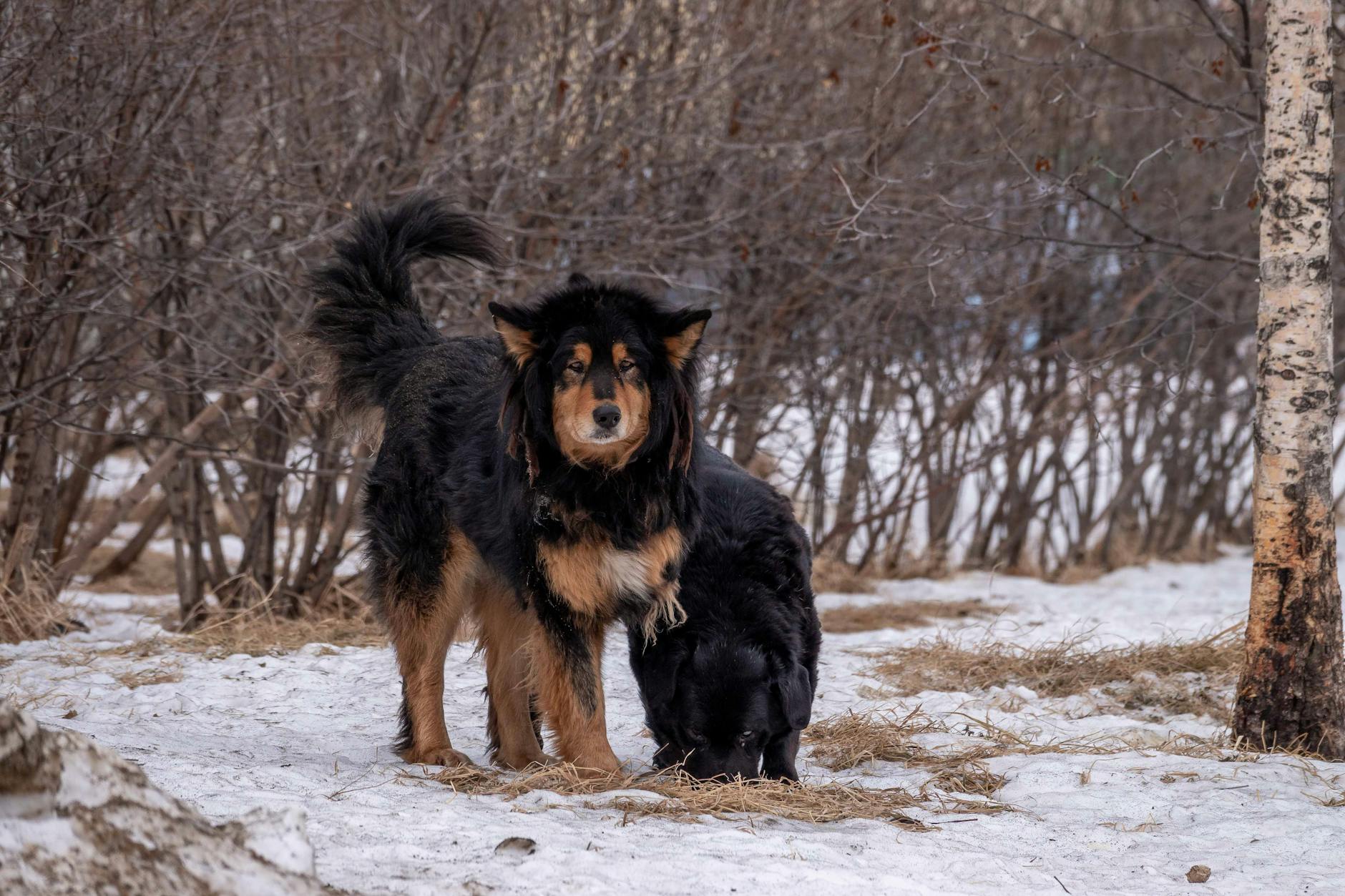
The Tibetan Mastiff is an ancient, giant guardian breed characterized by its magnificent, lion-like mane and a deeply independent, highly protective nature. While incredibly loyal and quiet companions within their own household, their powerful guarding instincts make early socialization, secure containment, and experienced handling absolute necessities. They are best suited for confident, experienced dog owners who understand primitive guardian instincts and have the space to accommodate a giant breed.
Quick Facts
- origin countryTibet
- breed groupWorking Group (AKC)
- sizeGiant
- weight range70 to 150 pounds (females: 70-120 lbs, males: 90-150 lbs)
- height range24 to 30 inches (females: minimum 24 inches, males: minimum 26 inches)
- lifespan10 to 14 years
- coat typeDense, heavy double coat with a thick woolly undercoat and coarse, straight stand-off guard hairs
- common colorsBlack, Black & Tan, Blue Grey, Blue & Tan, Gold, Sable
- other namesDo-Khyi, Tsang-khyi
- recognized byAKC, FCI, UKC, ANKC
Caring for a Tibetan Mastiff
Living with a Tibetan Mastiff is a profound commitment that requires adapting to their role as natural guardians. In my years treating this breed, I have observed that they are quiet and low-energy indoors during the day, but their instinct to patrol and defend intensifies significantly at dusk. You will need a highly secure, six-foot fence, as they are superb climbers and highly territorial wanderers who cannot be trusted off-leash. While they do not require hours of vigorous running, they need daily structured walks to keep their minds stimulated and to maintain muscle tone.
Is a Tibetan Mastiff a good family pet?
They are intensely loyal and protective of their immediate families, often showing a gentle, patient side with their own children. However, because they can easily mistake normal roughhousing among children as an active threat, I always tell owners that interactions with visiting kids must be closely supervised and managed.
Do Tibetan Mastiffs shed a lot?
They are moderate shedders throughout the year, but they experience a massive annual ‘blow out’ of their thick undercoat in the spring. During this three-to-four-week shedding season, you will need to brush them daily to remove giant, woolly clumps of hair.
Is a Tibetan Mastiff good for first-time owners?
I strongly advise against this breed for novices. Their massive physical strength, coupled with an stubborn, independent streak and a powerful protective instinct, requires an assertive, experienced owner who can establish boundaries without using harsh physical force.
Temperament & Personality
The Tibetan Mastiff is a solemn, dignified, and highly independent breed that behaves more like a partner than a subordinate companion. They were bred for millennia to make autonomous decisions to protect livestock and property, which translates to a dog that is highly aloof with strangers and deeply suspicious of changes in their environment. Within their own home, they are remarkably calm, affectionate on their own terms, and quiet, but they remain ever-vigilant.
Is a Tibetan Mastiff good with other pets?
They can live harmoniously with other dogs and cats in the home if they are raised with them from puppyhood. However, due to their strong territorial nature, they are highly prone to aggression when encountering unfamiliar dogs or animals that enter their yard.
How much attention does a Tibetan Mastiff need?
While they are deeply devoted to their family and prefer to be in the same room to watch over you, they are not a needy or ‘velcro’ breed. They are perfectly content to lie quietly at a distance or guard the yard independently, without demanding constant affection.
Training & Behavior
Training a Tibetan Mastiff requires a fundamental shift in expectations; they do not possess the desire to please that is common in breeds like Retrievers. Because they were bred to think and act independently, they will actively evaluate your commands and will ignore them if they do not see a practical reason to obey. In my clinical experience, successful training relies entirely on building mutual respect, using positive reinforcement, and maintaining absolute consistency from puppyhood.
Training Tips
- Begin intensive, positive socialization before 16 weeks of age to prevent over-guarding.
- Never use harsh physical discipline, as this breed will quickly shut down or become defensive.
- Keep training sessions short, engaging, and varied to prevent them from becoming bored and stubborn.
- Focus heavily on loose-leash training early, before the puppy reaches 100+ pounds.
Fun Activities
- Leashed boundary walks around their home territory
- Scent work and low-impact tracking games
- Chewing durable, food-stuffed puzzle toys
- Casual, slow-paced hiking in cool, crisp weather
Is a Tibetan Mastiff easy to train?
No, they are highly challenging to train because of their strong-willed, independent nature. They understand commands perfectly, but they prefer to make their own decisions, which is why they should never be trusted off-leash outside of a securely fenced area.
Tibetan Mastiff Health Issues
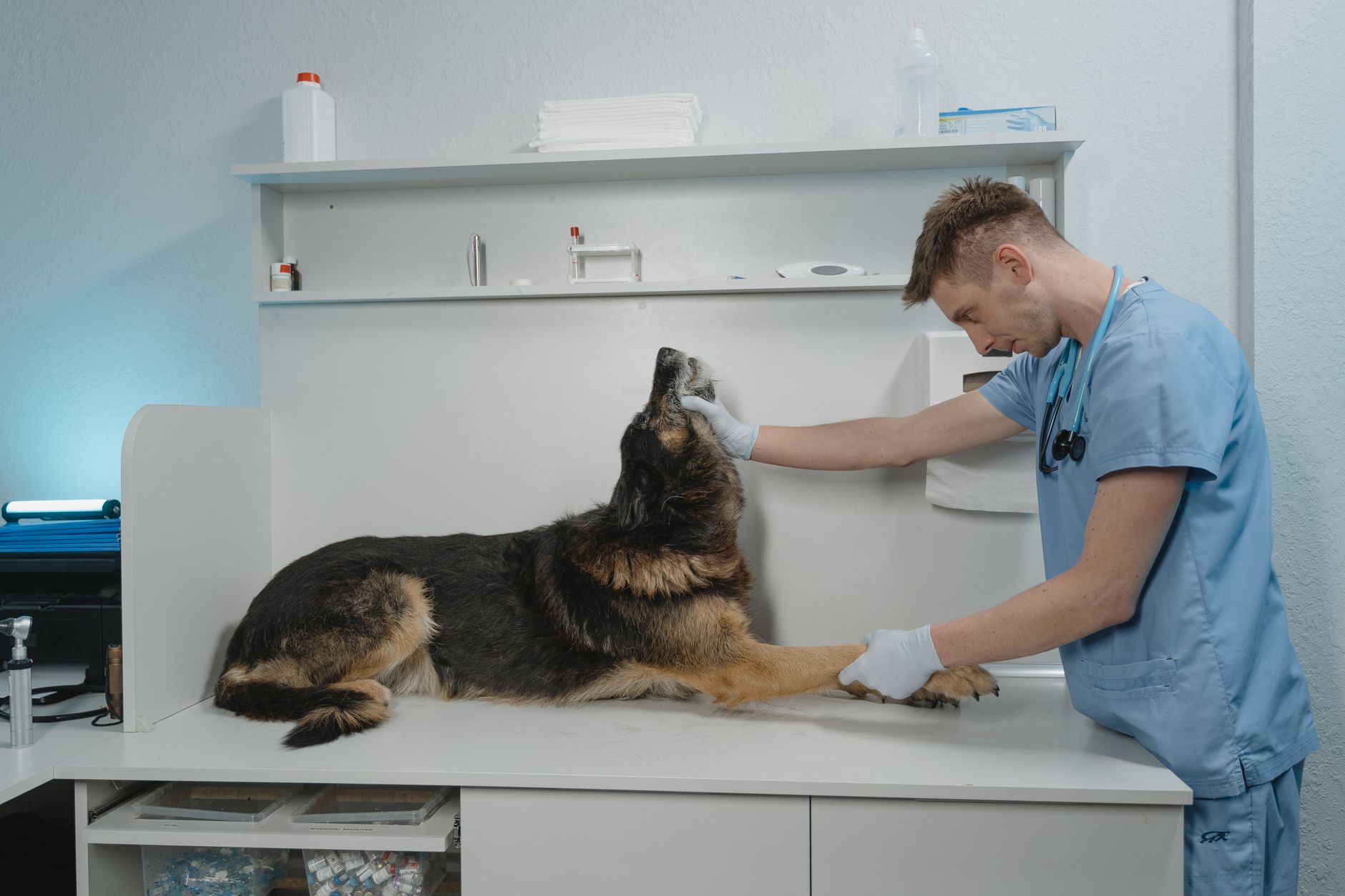
For a giant breed, the Tibetan Mastiff is remarkably robust and enjoys a longer lifespan than many of its peers. However, they are still genetically predisposed to several significant orthopedic, endocrine, and ophthalmic conditions that prospective owners must screen for.
Hip and Elbow Dysplasia
An inherited developmental malformation of the joint sockets, leading to painful friction, cartilage degradation, and early-onset arthritis. In my practice, I recommend that all breeding pairs receive official clearance via OFA or PennHIP evaluations.
Hypothyroidism
An endocrine disorder where the thyroid gland underproduces vital hormones, resulting in a sluggish metabolism. This condition is easily managed with lifelong, daily oral hormone replacement therapy.
Gastric Dilation-Volvulus (GDV/Bloat)
A life-threatening medical emergency common in deep-chested breeds, where the stomach fills with gas and twists on its axis, cutting off circulation. Immediate emergency surgery is required to save the dog’s life.
Entropion and Ectropion
Conformational defects of the eyelids where they either roll inward (entropion), causing eyelashes to painfully scratch the cornea, or outward (ectropion), exposing delicate tissues to debris and dry air. Both typically require surgical correction.
Canine Inherited Demyelinating Neuropathy (CIDN)
A rare, breed-specific inherited neurological disease that affects the myelin sheath of the nervous system, typically manifesting in puppies between 6 to 12 weeks of age.
How long do Tibetan Mastiffs typically live?
They generally live between 10 to 14 years. Maintaining a lean body weight, providing joint support supplements early in life, and bringing them in for regular veterinary checkups are essential steps to achieving this longevity.
What to Feed a Tibetan Mastiff
Despite their massive skeletal frame, Tibetan Mastiffs have remarkably slow metabolisms and consume far less food than other giant breeds. What I see most often in practice is owners worrying because their Tibetan Mastiff self-regulates, occasionally skipping meals entirely or eating very little, which is actually normal behavior for this primitive breed.
Best Diet
They thrive on a high-quality, large-breed or giant-breed formula. For puppies, it is critical to use a large-breed puppy food with carefully balanced calcium-to-phosphorus ratios to ensure slow, steady skeletal growth and prevent severe orthopedic issues.
How to Feed
To minimize the catastrophic risk of GDV (bloat), always split their daily food intake into at least two separate meals. Never use a raised feeding bowl unless specifically advised by your vet, and strictly prohibit vigorous exercise for one hour before and two hours after eating.
How Much to Feed
Adults generally require between 4 to 6 cups of premium dry kibble per day, but this must be adjusted based on their body condition score, age, and activity level. I always tell owners to consult their vet to assess if they can feel the ribs easily under that massive coat.
Nutritional Tips
Incorporate joint-support supplements containing glucosamine, chondroitin, and Omega-3 fatty acids (like green-lipped mussel or wild fish oil) early in life. Keep your Tibetan Mastiff lean; carrying even a few extra pounds dramatically increases the stress on their large joints.
Tibetan Mastiff Grooming Guide
The weather-resistant, dense double coat of the Tibetan Mastiff is surprisingly clean, naturally repels dirt, and lacks a typical ‘doggy’ odor. However, their sheer size and the thickness of their fur mean that keeping up with regular grooming is essential to prevent painful matting and skin infections.
Coat Care
Brush the coat thoroughly two to three times a week using a slicker brush and a long-toothed undercoat rake, increasing to daily brushing during their heavy spring shed. Never shave a Tibetan Mastiff, as their coat acts as natural insulation against both extreme cold and extreme heat.
Skin Care
During your weekly grooming sessions, part the dense fur to inspect the skin for hot spots, scratches, or external parasites like ticks, which can easily hide undetected in their heavy coat.
Eye Care
Wipe the corners of their eyes daily with a soft, damp cloth to remove any accumulated discharge or dirt, paying close attention to any signs of eyelid abnormalities.
Ear Care
Inspect and clean their heavy, drop ears weekly using a veterinarian-approved ear cleanser to prevent yeast and bacterial growth, making sure to dry the canal thoroughly.
Nail & Dental Care
Trim their thick, powerful nails every 3 to 4 weeks with heavy-duty clippers, and brush their teeth at least three times a week to prevent plaque buildup and periodontal disease.
Considerations for Pet Parents
Pros
- Unparalleled, natural protector of home and family
- Remarkably quiet, calm, and dignified indoors
- Clean coat that naturally repels dirt with minimal odor
- Fiercely loyal and deeply devoted to their household
- Impressively long-lived and hardy for a giant breed
Cons
- Highly independent, strong-willed, and difficult to train
- Can be highly suspicious and aggressive toward strangers if not socialized
- Extreme, heavy shedding during the annual spring ‘blow out’
- Prone to loud, persistent nocturnal barking if kept outdoors
- High costs for veterinary care, high-quality food, and giant-sized equipment
Best For
Experienced, confident owners with large, securely fenced properties who want a calm, natural guardian and understand the unique psychology of primitive, independent breeds.
Not Recommended For
First-time dog owners, apartment dwellers, families who frequently host large gatherings of guests, or individuals looking for an obedient, off-leash companion dog.
Cost
- purchase price$2,000 to $6,000 (reputable breeders with imported lines can charge upwards of $10,000)
- monthly cost$200 to $400
- initial setupPlan to spend between $1,500 and $3,500 initially on professional-grade containment fencing, extra-large crates, high-quality orthopedic bedding, and preventative gastropexy surgery to protect against bloat.
Similar Breeds
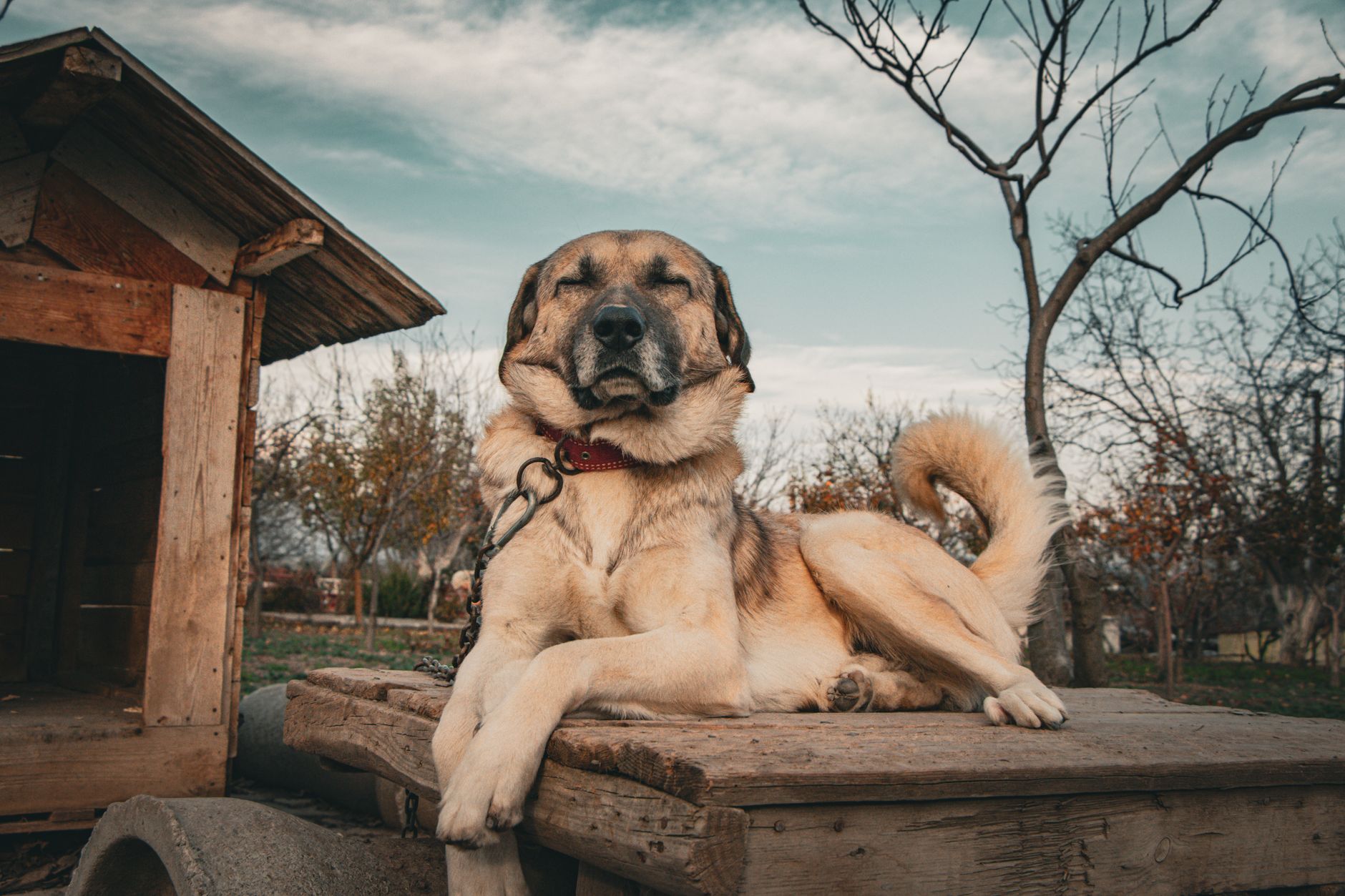
Anatolian Shepherd
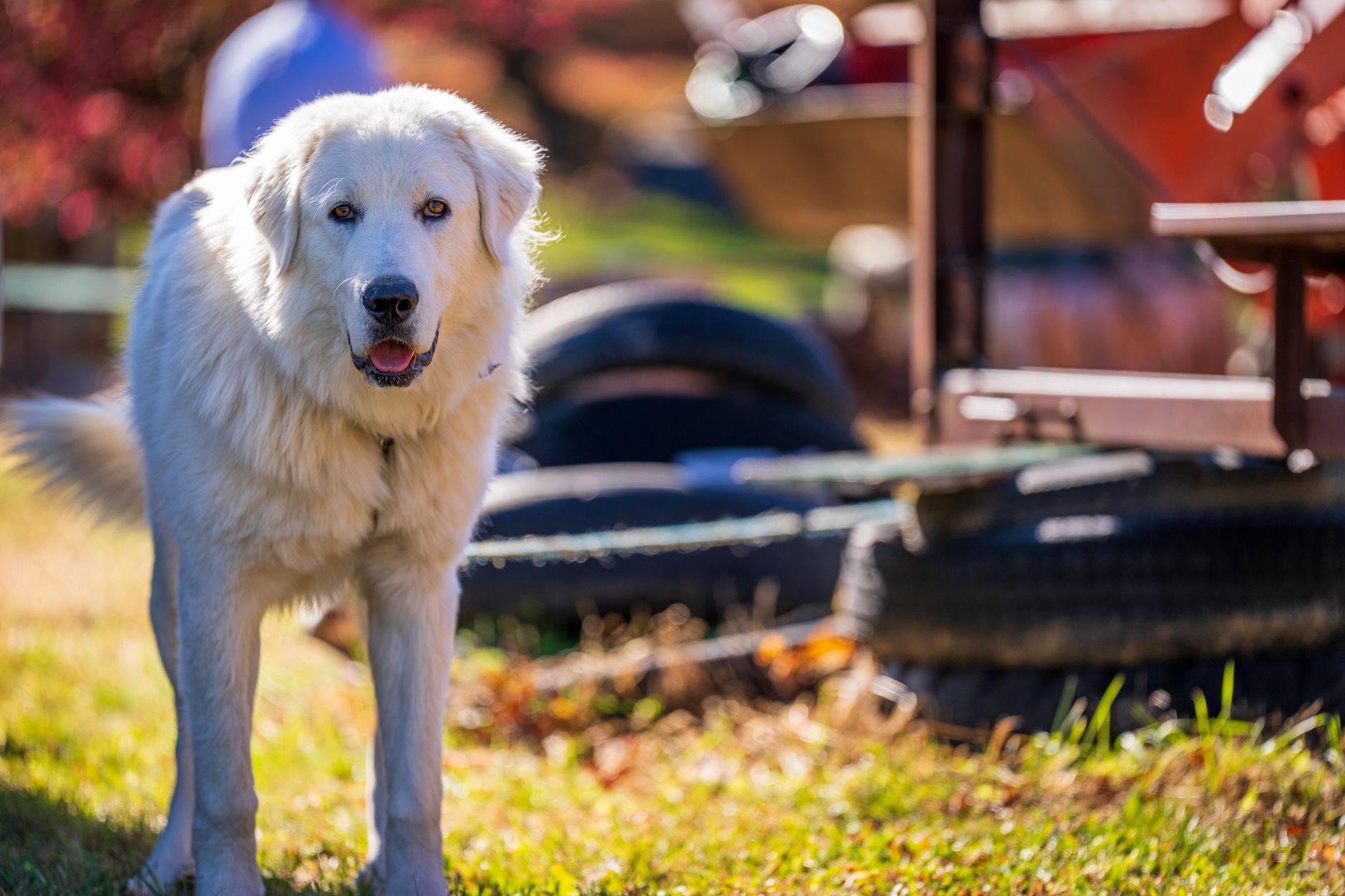
Great Pyrenees
Tibetan Mastiff FAQs
Do Tibetan Mastiffs bark a lot?
Yes, they are highly vocal, especially at night. Because they were bred to guard nocturnally, they will bark loudly at any unfamiliar sound or perceived threat outside; for this reason, I strongly advise keeping them indoors at night to prevent neighborhood noise complaints.
Are Tibetan Mastiffs aggressive?
They are not randomly aggressive, but they are genetically hardwired to be highly protective and territorial. Without extensive, lifelong socialization, their natural suspicion of strangers can easily manifest as protective aggression when people visit your home.
Should I get a male or female Tibetan Mastiff?
Males are significantly larger, possess heavier coats, and tend to be more dominant and territorial. Females are slightly smaller, can be more aloof and independent, and typically go into heat once a year, unlike most domestic dog breeds which cycle twice.
Can Tibetan Mastiffs live in hot climates?
Yes, but they must be kept in air-conditioned environments during hot weather. Their double coat insulates them from heat to some degree, but their massive size makes them highly prone to heatstroke if they are forced to be active in hot, humid conditions.
How do they handle cold weather?
They thrive in cold, snowy climates. Their dense, woolly undercoat and coarse guard hairs were designed to withstand the brutal Himalayan winters, making them exceptionally comfortable in freezing temperatures.
At what age is a Tibetan Mastiff fully grown?
Like most giant breeds, they grow very slowly. They do not reach their full physical skeletal height until about 18 to 24 months, and they will continue to fill out, gain muscle, and develop their mature coat until they are 3 to 4 years old.
Do they drool a lot?
Compared to other giant mastiff breeds with heavy, loose jowls (like the Neapolitan Mastiff), they drool very little. However, they will certainly drool after drinking water, when they are hot, or when they are anticipating food.
Can they be left alone during the day?
Yes, they are highly independent and generally do not suffer from severe separation anxiety. They are perfectly content to sleep and watch over the home while you are at work, provided they get plenty of attention when you return.
Are they good with cats?
If they are introduced to cats during their critical puppy socialization window (before 16 weeks), they can cohabitate very peacefully with them. However, they may still chase unfamiliar cats that enter their yard due to their protective instincts.
How much exercise do they need?
They have moderate-to-low exercise needs. A couple of structured, 30-minute walks on a leash daily are usually sufficient to keep them physically healthy, as they prefer to conserve their energy for patrolling and guarding.
Is a fence absolutely necessary?
Yes, a secure, six-foot-tall physical fence is non-negotiable. Underground electronic fences are entirely ineffective for this breed, as their high pain tolerance and strong guardian drive will cause them to run right through the boundary to chase a perceived threat.
What is preventative gastropexy, and do they need it?
Preventative gastropexy is a surgical procedure where the stomach is tacked to the abdominal wall to prevent it from twisting during a bloat (GDV) episode. Because of their deep chests and high risk for GDV, I highly recommend discussing this procedure with your vet, often performed at the time of spay or neuter.
How do you socialize a Tibetan Mastiff puppy?
Socialization must be active, positive, and safe. You should expose your puppy to a wide variety of friendly people, gentle dogs, novel environments, and strange sights and sounds before they reach 16 weeks of age, continuing this exposure throughout their first two years of life.
Why do they only shed once a year?
Unlike many domestic breeds that shed moderately year-round, the Tibetan Mastiff is a primitive breed that retains the wild seasonal coat cycle. They blow their massive undercoat just once a year, typically in the spring, in response to changing daylight and temperature.
Can they be trained for off-leash hiking?
I strongly advise against ever letting a Tibetan Mastiff off-leash in an unsecured area. Their protective nature, high prey drive, and extreme independence mean that if they see something they perceive as a threat or prey, they will ignore your commands to return.
Sources & Further Reading
- American Kennel Club (AKC)
- Merck Veterinary Manual
- American Veterinary Medical Association (AVMA)
- PetMD