
Persian Breed Guide
Quick Summary
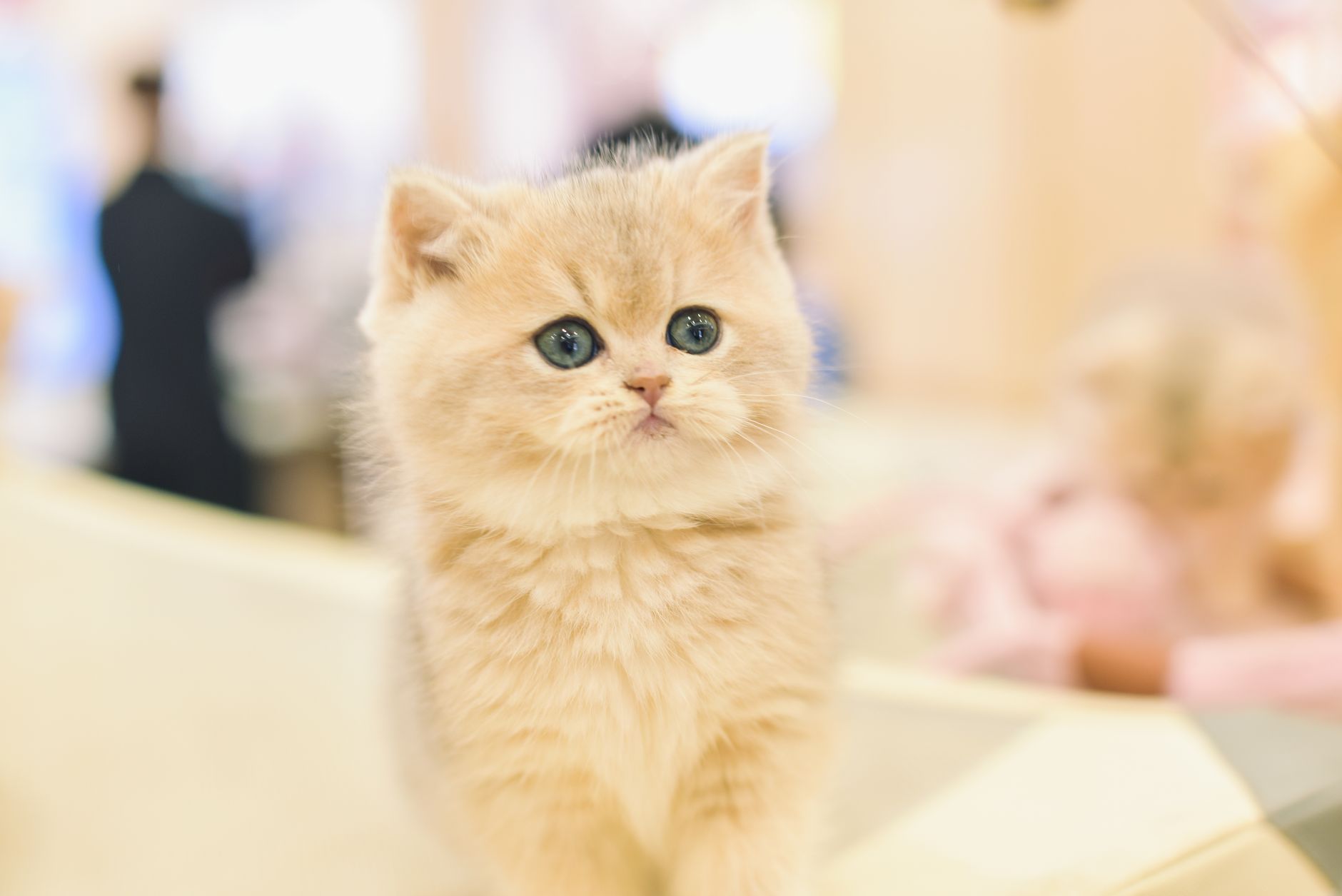
The Persian is the ultimate indoor companion, cherished for its serene, gentle personality and iconic, luxurious coat. Best suited for quiet households where owners can commit to intensive daily grooming, this breed exchanges high-energy antics for calm, loyal companionship and graceful lounging.
Quick Facts
- origin countryIran (historically Persia)
- breed groupLonghair
- sizeMedium to Large
- weight range7 to 12 pounds
- height range10 to 15 inches
- lifespan12 to 15 years
- coat typeLong, thick, double coat with a dense undercoat
- common colorsWhite, black, blue, red, cream, silver, golden, chinchilla, tortoise shell, calico, bi-color, and tabby patterns
- other namesPersian Longhair, Shiraz cat, Shirazi
- recognized byCFA, TICA, FIFe, GCCF, WCF
Caring for a Persian
In my years of working with Persians, I’ve learned that living with one is a lifestyle commitment. You aren’t just getting a pet; you are adopting a high-maintenance beauty routine and a roommate who values peace above all else. They are strictly indoor cats whose physical traits make them vulnerable to outdoor hazards. Their daily schedule revolves around calm lounging, gentle play, and essential, non-negotiable grooming sessions.
Is a Persian a good family pet?
Yes, but with caveats. I’ve found they do wonderfully in quiet households with older, respectful children who understand how to handle a delicate animal, rather than chaotic homes with loud toddlers.
Do Persians shed a lot?
Absolutely, they are heavy shedders. Without daily combing, their fine undercoat quickly sheds and mats close to the skin, leading to painful tangles that require professional shaving.
Is a Persian good for first-time owners?
Only if the owner is fully prepared for the intensive grooming requirements. If you have a busy, on-the-go lifestyle, the steep learning curve of their coat care can easily become overwhelming.
Temperament & Personality

The Persian is the epitome of the ‘furniture with fur’ moniker, but that sells their quiet intelligence short. They are deeply affectionate, serene, and sensitive cats who communicate with soft, musical chirps and incredibly expressive eyes. In my experience, they prefer a predictable routine and will slowly but surely bond with their chosen humans, offering quiet companionship from the comfort of your favorite sofa armrest.
Is a Persian good with other pets?
They generally get along well with calm, friendly dogs and other low-energy cats. They will comfortably coexist as long as the other animals respect their personal space and don’t try to engage in rough play.
How much attention does a Persian need?
They don’t demand attention in a loud or destructive way, but they crave your presence. I’ve found they are happiest just being in the same room with you, sitting quietly nearby while you work or read.
Training & Behavior
Training a Persian isn’t about teaching them to fetch or jump through hoops; it’s about establishing cooperative routine behaviors. Because of their docile nature, they are highly receptive to house rules if introduced gently and with positive reinforcement. They are not climbers by nature, preferring to keep all four paws safely on the floor or low furniture.
Training Tips
- Use positive, food-based reinforcement for cooperative grooming.
- Start handling their paws and face from a very young age.
- Keep litter boxes easily accessible with low entryways.
- Avoid raising your voice, as they are highly sensitive to negative tones.
- Make vet-carrier training a slow, treat-filled process.
Fun Activities
- Batting at slow-moving feather wands
- Chasing laser pointers at a leisurely pace
- Solving simple food puzzle toys
- Sunbeam lounging and bird-watching from a low window perch
- Grooming sessions paired with gentle massage
Is a Persian easy to train?
They are easy to socialize and integrate into a household routine, but they are not driven to perform tricks. Focus your training efforts on cooperative husbandry behaviors like nail trims and ear cleaning.
Persian Health Issues
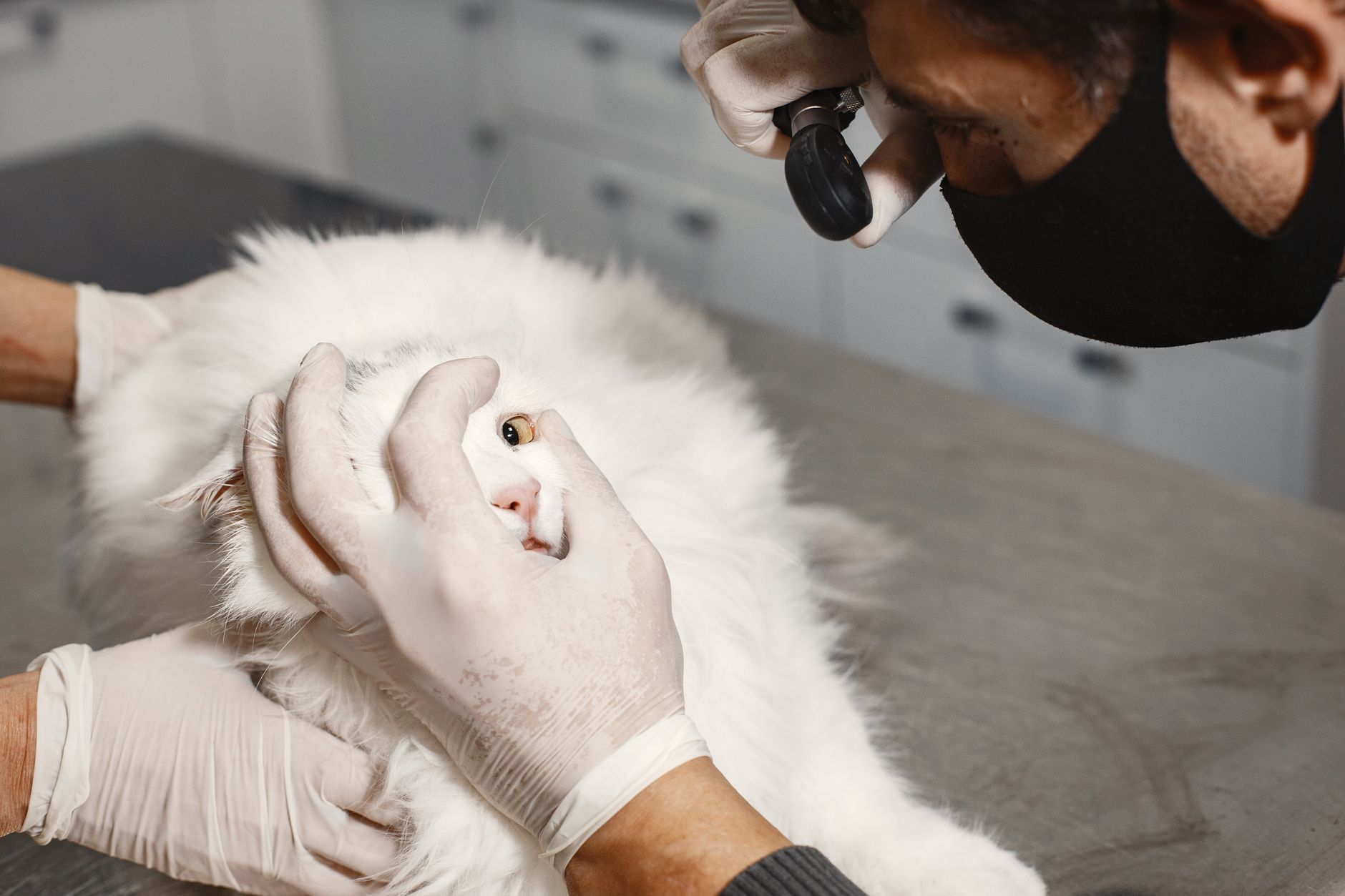
Due to their unique anatomical structure, Persians are predisposed to several significant hereditary conditions. Working closely with a vet who understands brachycephalic (flat-faced) breeds is essential for keeping your Persian healthy and comfortable throughout their life.
Polycystic Kidney Disease (PKD)
An inherited condition where fluid-filled cysts develop in the kidneys, eventually leading to kidney failure. Responsible breeders use DNA testing to screen out affected cats.
Brachycephalic Airway Syndrome
The flat facial structure compresses the nasal passages, which can cause respiratory distress, snoring, and severe heat intolerance.
Progressive Retinal Atrophy (PRA)
A degenerative eye disease that causes progressive vision loss, typically starting at a young age and leading to total blindness.
Hypertrophic Cardiomyopathy (HCM)
A genetic heart disease where the muscular walls of the heart thicken, potentially leading to heart failure or blood clots.
Corneal Sequestrum
An eye condition common to flat-faced breeds where a dark brown or black patch of dead tissue develops on the cornea, causing pain and irritation.
Dental Malocclusion
The shortened jaw of the Persian often results in misaligned teeth, making it difficult to chew food and increasing the risk of periodontal disease.
How long do Persians typically live?
With excellent indoor care, routine veterinary checkups, and proper nutrition, Persians typically live between 12 and 15 years, with some reaching their late teens.
What to Feed a Persian
Because Persians are relatively sedentary, they are highly prone to obesity, which can exacerbate respiratory and joint issues. I always emphasize to owners that strict portion control and high-quality ingredients are essential to maintain a healthy weight.
Best Diet
A high-protein, low-carbohydrate wet food diet is highly recommended to support urinary health and prevent weight gain. Many flat-faced Persians struggle to pick up dry kibble, but if you do feed dry, look for specially shaped kibble designed for brachycephalic jaws.
How to Feed
Feed your Persian on a strict schedule of 2 to 3 small, measured meals per day rather than free-feeding. I recommend using wide, shallow ceramic or stainless-steel plates to prevent whisker fatigue and help them pick up their food more easily.
How Much to Feed
The exact portion depends on your cat’s weight, age, and activity level, but generally, an average adult Persian requires about 200 to 240 calories per day. Always consult your veterinarian to establish a precise caloric target tailored to your individual cat.
Nutritional Tips
Incorporate Omega-3 and Omega-6 fatty acid supplements to keep their massive coat soft and reduce skin inflammation. Additionally, using a high-quality hairball control formula or paste is incredibly helpful during high-shedding seasons.
Persian Grooming Guide
Grooming a Persian is a daily, lifelong commitment that cannot be skipped. If you do not have 15 to 20 minutes to dedicate to their coat every single day, this is not the breed for you.
Coat Care
Use a high-quality metal greyhound comb to work through the coat daily, parting the hair to reach the undercoat and prevent matting. Focus on friction-prone areas like the armpits, groin, and behind the ears, and use a slicker brush only for finishing.
Skin Care
Check their skin during daily grooming sessions for signs of redness, flaking, or hot spots, ensuring the skin remains dry and well-ventilated under the dense fur.
Eye Care
Because of their flat faces, their tear ducts often overflow, causing unsightly brown staining and painful skin infections. Wipe their under-eye area daily with a warm, damp cloth or specialized, vet-approved eye wipes.
Ear Care
Check their ears weekly for wax buildup or redness, cleaning gently with a cotton ball and a vet-recommended ear cleaner if necessary; never use Q-tips in the ear canal.
Nail & Dental Care
Clip their nails every 2 to 3 weeks to prevent them from snagging on carpets or their own long coat. Brush their teeth daily with cat-safe toothpaste to prevent periodontal disease, which is highly prevalent due to their crowded jaw structures.
Considerations for Pet Parents
Pros
- Incredibly gentle, sweet, and quiet temperament
- Very affectionate and loyal to their trusted family
- Low energy levels; highly unlikely to jump on counters or climb curtains
- Thrives perfectly in small spaces and apartment living
- Incredibly beautiful, regal appearance when well-groomed
- Rarely vocalizes, making them perfect for quiet environments
Cons
- Requires intensive, non-negotiable daily grooming
- Prone to several severe, inherited health conditions
- Can be highly sensitive to environmental changes and loud noises
- Daily eye-wiping is required to prevent staining and infections
Best For
Calm, orderly households, apartment dwellers, or retired individuals who have the time, patience, and financial resources to dedicate to intensive daily grooming and proactive veterinary care.
Not Recommended For
Busy, chaotic households with very active toddlers, or anyone who is frequently away from home and unable to maintain a strict daily grooming and facial-cleaning routine.
Cost
- purchase price$1,200 to $5,000+
- monthly cost$120 to $250
- initial setupExpect to spend $600 to $1,200 initially on high-quality grooming tools, heavy-duty litter boxes, cat trees, initial veterinary screens, and DNA testing if not provided by the breeder.
Similar Breeds

Exotic Shorthair
Ragdoll
Persian FAQs
What is the difference between a ‘Doll-Face’ and a ‘Peke-Face’ Persian?
Doll-Face Persians have a more traditional, moderate snout that sticks out slightly, while Peke-Face (or ‘ultra-typed’) Persians have an extremely flat face where the nose is aligned with the eyes. In my experience, Doll-Face Persians generally suffer from fewer breathing and eye-drainage issues.
How often should I bathe my Persian cat?
I recommend bathing a Persian every 4 to 6 weeks. Regular baths help remove accumulated oils, reduce shedding, and keep their long undercoat from forming severe mats, but you must ensure they are completely combed out before the bath.
Do Persians get hot easily?
Yes, their thick double coats and compromised airways make them highly vulnerable to overheating. I always advise owners to keep their Persians in air-conditioned environments during the summer months and to watch for any heavy panting.
Why do my Persian’s eyes run so much?
Their brachycephalic facial structure distorts the natural shape of the tear ducts, preventing tears from draining properly down the nose. This causes the tears to overflow onto the face, requiring daily manual wiping to prevent staining and yeast infections.
Can I shave my Persian cat to avoid grooming?
Yes, many owners opt for a professional ‘lion cut’ where the body is shaved close, leaving the head, paws, and tail tip fluffy. While this drastically reduces daily brushing, they will still need regular ear, eye, and sanitary area maintenance.
Are Persian cats loud or vocal?
Not at all. In my experience, they are among the quietest cats you will ever meet. When they do choose to communicate, it is usually with a very soft, delicate, and melodic chirp that is barely audible.
What is the best brush for a Persian cat?
Your absolute best friend is a professional metal greyhound comb with both wide and narrow teeth. A slicker brush is helpful for fluffing the coat afterward, but only a metal comb can penetrate the deep undercoat to find and detangle hidden mats.
Do Persians scratch furniture?
Like all cats, they have a natural urge to scratch, but they are generally less destructive than high-energy breeds. Providing them with low, horizontal cardboard scratchers or sturdy, short scratching posts is usually highly effective.
Can a Persian cat be left alone during the day?
Yes, they are independent enough to handle a standard workday on their own, often sleeping the entire time. However, because they are prone to separation anxiety if left for days, they should not be left alone overnight without someone checking in.
Are Persian cats hypoallergenic?
No, they are actually quite challenging for allergy sufferers. Their long hair easily traps dander, saliva proteins, and dust, and their heavy shedding can quickly spread these allergens throughout your home.
Why does my Persian keep getting hairballs?
With such a massive coat, they naturally ingest a lot of hair during self-grooming. Regular daily combing to remove dead undercoat is the most effective way to prevent hairballs, along with vet-approved hairball remedy gels.
What is ‘sanitary trimming’ and does my Persian need it?
A sanitary trim involves shaving or trimming the long fur around the cat’s hindquarters and genital area. I highly recommend this for Persians, as it prevents waste from getting trapped in their long pants when they use the litter box.
Are Persians lazy?
While they are very low-energy and enjoy spending up to 20 hours a day resting, they aren’t entirely inactive. They enjoy short, interactive play sessions of 5 to 10 minutes, which are vital for keeping their minds active and bodies healthy.