
Belgian Malinois Breed Guide

Quick Summary
Intensely loyal, laser-focused, and endlessly energetic, the Belgian Malinois is a world-class working breed built for action. I’ve found that they are not casual pets but demanding partners, making them best suited for highly active, experienced handlers who can commit to hours of daily physical and mental work.
Quick Facts
- origin countryBelgium
- breed groupHerding Group (AKC)
- sizeLarge
- weight range60 – 80 lbs (males), 40 – 60 lbs (females)
- height range24 – 26 inches (males), 22 – 24 inches (females)
- lifespan14 – 16 years
- coat typeShort, straight, weather-resistant double coat
- common colorsFawn to mahogany with a black mask and ears
- other namesMalinois, Chien de Berger Belge, Mal
- recognized byAKC, UKC, FCI, KC
Caring for a Belgian Malinois
Living with a Belgian Malinois is less like having a pet and more like taking on a full-time hobby or career. In my experience, they need at least two hours of vigorous exercise daily, coupled with structured mental tasks to prevent destructive behaviors. I always tell owners that a bored Malinois will quickly find a job you do not like, such as dismantling your drywall. They thrive on clear routines, close companionship, and firm, fair boundaries from day one.
Is a Belgian Malinois a good family pet?
They can be excellent with highly active families who understand herding dynamics, but their intense drive means they may nip at the heels of running children. I strongly advise supervising them around youngsters and prioritizing early, consistent socialization.
Do Belgian Malinoiss shed a lot?
Yes, they shed constantly throughout the year, with heavy seasonal blowouts twice a year. You will need to brush them at least twice a week—and daily during shedding season—to manage the loose undercoat.
Is a Belgian Malinois good for first-time owners?
In my years of working with dogs, I’ve found they are almost never a good match for novices. Their extreme energy, high sensitivity, and working drive require a confident handler who already understands canine body language and training theory.
Temperament & Personality
The Malinois is characterized by an intense, unwavering loyalty and a strong desire to work alongside their human partner. They are naturally watchful, alert, and deeply protective of their household, making them aloof with strangers but incredibly affectionate with their inner circle. In my experience, they form a profound ‘velcro’ bond, preferring to shadow you from room to room.
Is a Belgian Malinois good with other pets?
They can coexist with other household pets if raised together from puppyhood, but their high prey drive means they are prone to chasing cats or smaller animals. I always recommend caution and structured, supervised introductions.
How much attention does a Belgian Malinois need?
They require near-constant attention and interaction when you are home, making them ill-suited to environments where they are left alone for long periods. Without human engagement, they easily develop severe separation anxiety and stress-related behaviors.
Training & Behavior
Training a Malinois is a highly rewarding experience because of their immense intelligence and desire to cooperate, but they require absolute consistency. They learn incredibly fast, which means they will pick up your bad habits just as quickly as the good ones. In my experience, harsh corrections or physical punishment will completely break their trust, whereas positive reinforcement produces a highly focused partner.
Training Tips
- Use high-value rewards like tug toys, balls, or high-protein treats.
- Keep training sessions short, fast-paced, and intellectually challenging.
- Prioritize heavy socialization to new sights, sounds, and people before 16 weeks.
- Incorporate impulse-control exercises like ‘stay’ and ‘place’ during high-arousal play.
Fun Activities
- Agility trials
- Schutzhund / IGP protection sports
- Scent work and tracking
- Dock diving
- Advanced obedience trials
- Canicross or bikejoring
Is a Belgian Malinois easy to train?
Yes, they are exceptionally easy to train due to their intelligence, but they are also easily ruined by poor training methods. They require a handler who can read subtle body language and keep the lessons structured and engaging.
Belgian Malinois Health Issues
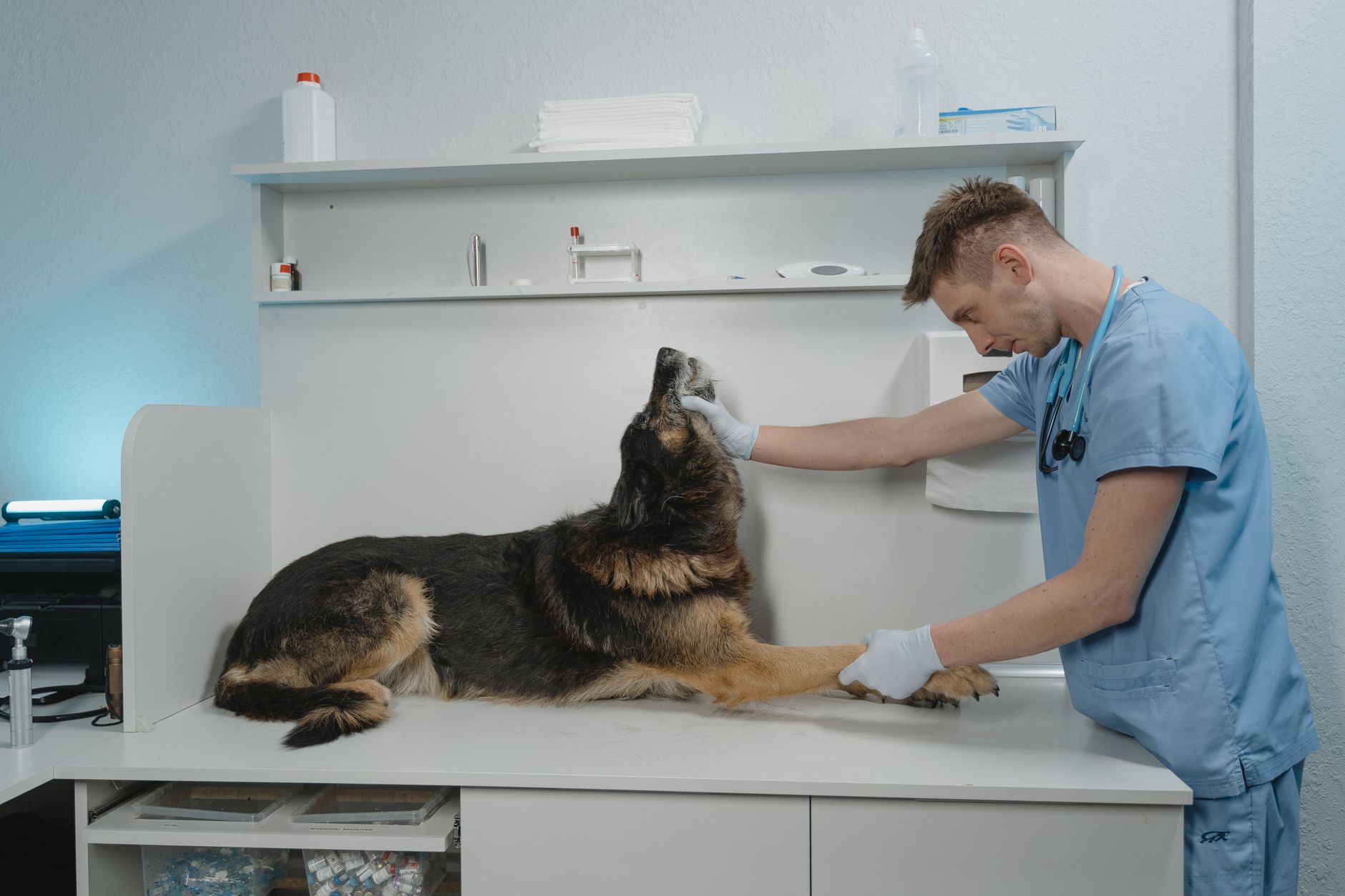
The Belgian Malinois is generally a highly robust, athletic breed with fewer genetic issues than many other large working dogs. However, they are still susceptible to certain hereditary conditions that potential owners must screen for with their vet.
Hip Dysplasia
A genetic condition where the thighbone does not fit snugly into the hip joint, eventually leading to painful arthritis and lameness.
Elbow Dysplasia
A developmental abnormality in the elbow joint causing joint laxity, inflammation, and eventual lameness.
Progressive Retinal Atrophy (PRA)
A family of degenerative eye diseases that gradually destroys the retina, eventually leading to complete blindness.
Pannus (Chronic Superficial Keratitis)
An inflammatory eye condition aggravated by UV light that can cause scarring on the cornea and vision loss if untreated.
Anesthesia Sensitivity
Due to their low body fat percentage and unique metabolism, Malinois can react poorly to standard doses of anesthetic agents.
How long do Belgian Malinoiss typically live?
With proper care, a balanced diet, and regular veterinary checkups, a Belgian Malinois typically lives between 14 to 16 years, which is remarkably long for a large, active breed.
What to Feed a Belgian Malinois
Because of their extreme energy levels and active lifestyles, Belgian Malinois require high-quality, nutrient-dense nutrition to maintain their lean muscle mass and support joint health. Feeding them a formula designed for active, large breeds is crucial.
Best Diet
I recommend a high-protein, moderate-fat diet formulated for working or high-performance dogs. Puppies should eat a large-breed puppy formula to ensure their skeletal system grows at a safe, controlled rate; consult your vet for tailored options.
How to Feed
Divide their daily food into two distinct meals to reduce the risk of bloat (Gastric Dilatation-Volvulus). Avoid heavy exercise or training sessions for at least 60 to 90 minutes before and after feeding.
How Much to Feed
Active adult Malinois typically eat between 3 to 4 cups of high-quality dry food per day, though this varies widely based on age, metabolism, and daily workload. Work closely with your vet to monitor their body condition score.
Nutritional Tips
Adding joint supplements containing glucosamine, chondroitin, and omega-3 fatty acids early in life can help protect their joints from the wear and tear of high-impact activities.
Belgian Malinois Grooming Guide
The Belgian Malinois has a low-maintenance, short coat that does not require professional clipping. Regular basic grooming at home is all it takes to keep their skin, coat, and nails in excellent condition.
Coat Care
Brush their weather-resistant double coat twice a week with a slicker brush or undercoat rake to remove loose hair. During their semi-annual heavy shedding periods, daily brushing is necessary to manage the shedding.
Skin Care
Bathe them only when they are dirty or smelly, typically every 6 to 8 weeks, as frequent bathing can strip their coat of natural protective oils.
Eye Care
Wipe away any discharge with a damp, clean cloth and check weekly for redness or cloudiness, especially given their predisposition to Pannus.
Ear Care
Inspect their upright ears weekly for dirt, wax buildup, or redness, and clean them with a vet-approved ear cleanser if necessary.
Nail & Dental Care
Trim their fast-growing nails every 2 to 3 weeks to prevent cracking, and brush their teeth at least three times a week with dog-safe toothpaste.
Considerations for Pet Parents
Pros
- Incredibly loyal and deeply bonded to their owner
- Highly intelligent and exceptionally quick learners
- Excellent watchdogs and natural protectors
- Highly versatile and capable of excelling in any dog sport
- Fewer genetic health issues than many other large breeds
- Very athletic, making them perfect running or hiking partners
Cons
- Extreme exercise and mental stimulation requirements
- High prey and herding drives can make them chase small animals
- Prone to destructive behaviors if bored or left alone
- Sheds constantly throughout the year
- Not suited for apartment living or novice dog owners
Best For
An experienced, active handler who has hours of free time daily to dedicate to intensive training, exercise, and mental enrichment. They thrive with people who treat dog training as a serious, daily hobby or lifestyle.
Not Recommended For
First-time dog owners, busy professionals who work long hours away from home, or families looking for a low-key, relaxed couch potato pet.
Cost
- purchase price$1,500 – $3,500 (higher for working lines or started protection dogs)
- monthly cost$150 – $250 (covering food, high-quality gear, preventative care, and training)
- initial setupInitial setup can range from $1,000 to $2,500, which includes high-strength crates, heavy-duty toys, professional training classes, and essential vet visits.
Similar Breeds
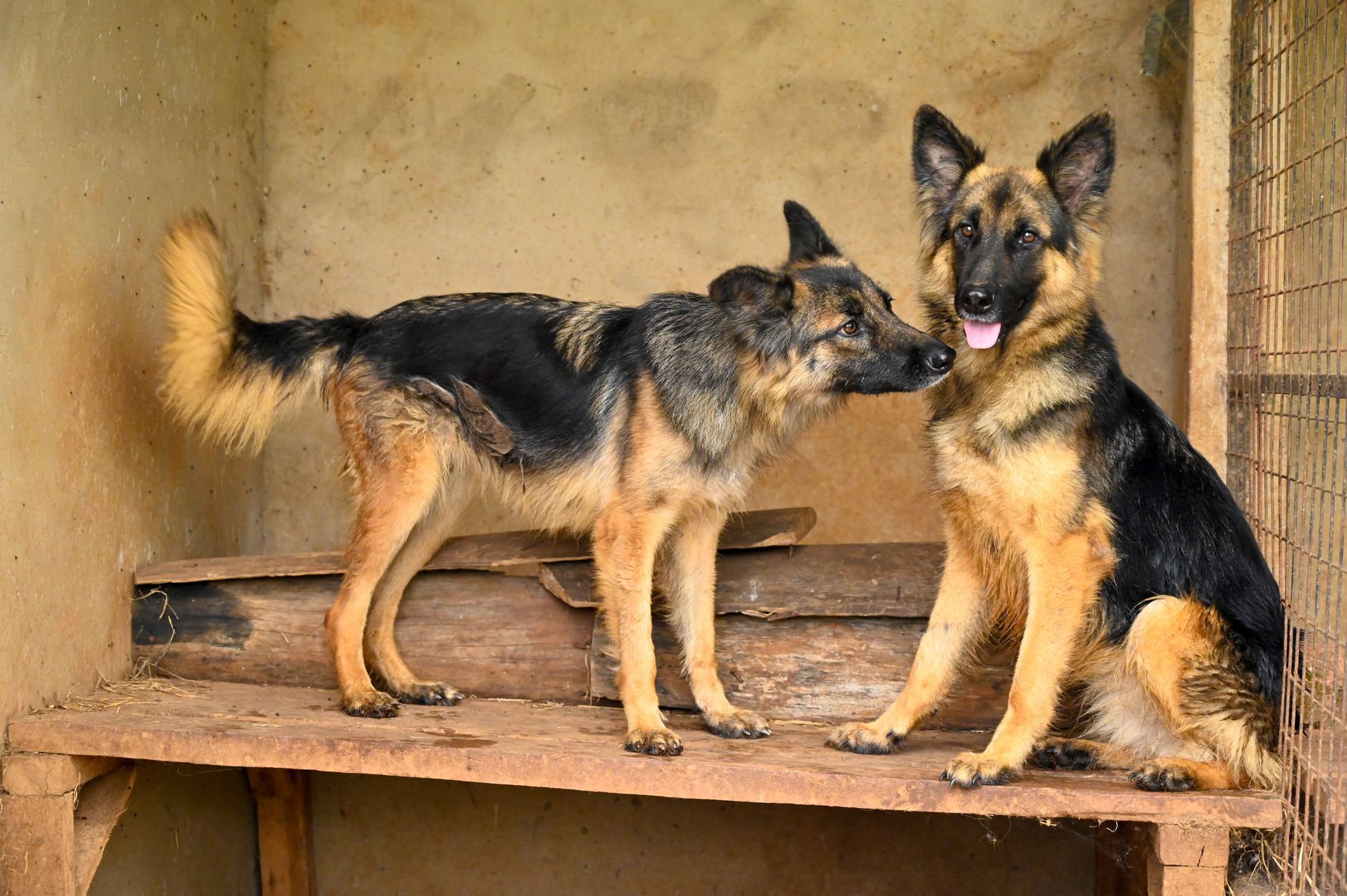
German Shepherd Dog

Dutch Shepherd
Belgian Malinois FAQs
How much exercise does a Belgian Malinois need daily?
They need at least 90 to 120 minutes of intense physical exercise paired with mental stimulation. This should go beyond simple walks; think running, hiking, agility, or structured scent work.
Can a Belgian Malinois live in an apartment?
It is highly discouraged, but possible only if the owner is exceptionally dedicated to meeting their extensive exercise needs outside. In my experience, a yard with a tall, secure fence (at least 6 feet) is far more appropriate for this athletic breed.
Are Belgian Malinois aggressive?
They are not inherently aggressive, but they are naturally protective and highly aloof with strangers. Without intensive, early socialization and proper training, their protective instincts can manifest as fear-based reactivity or aggression.
Why do police and military use Belgian Malinois instead of German Shepherds?
Malinois are lighter, faster, have higher stamina, and are intensely driven to work without tiring. Their compact size makes them easier to transport, handle, and deploy in tactical or search-and-rescue situations.
Do Belgian Malinois bark a lot?
They can be moderate to high barkers, especially if they spot something moving in their territory or feel bored. Training them a ‘quiet’ cue early on is essential to prevent nuisance barking.
Are Belgian Malinois prone to separation anxiety?
Yes, they form incredibly tight bonds with their owners and can panic if left alone for long periods. I recommend crate training early on and avoiding leaving them alone for more than 4 to 5 hours at a time.
At what age do Belgian Malinois calm down?
They rarely ‘calm down’ in the traditional sense, but they reach physical maturity and show more emotional stability around 2 to 3 years of age. Even as seniors, they retain a surprisingly high energy level compared to other breeds.
Can a Belgian Malinois be left off-leash?
Only after extensive, proofed recall training in high-distraction environments. Their high prey drive means a running rabbit or bicycle can easily trigger a chase, so a leash is safest in unfenced areas.
Are they prone to chewing things?
Extremely. When bored, teething, or anxious, their powerful jaws can quickly destroy furniture, drywall, and shoes. You must provide them with durable, heavy-duty rubber toys and puzzle feeders.
How do Belgian Malinois react to strangers?
They are naturally reserved, aloof, and watchful around people they don’t know. They do not instantly love everyone they meet, and they will wait to take cues from their trusted handler.
Do they like water and swimming?
Many Malinois love water and are excellent swimmers, often excelling in dock diving. However, you should always introduce them to water gradually and never force them in.
What is the difference between a Malinois and a German Shepherd?
Malinois are smaller, lighter-boned, faster, and generally have a higher energy level and drive than German Shepherds. They also tend to have fewer back issues but require significantly more daily mental engagement.
Should I get a male or female Belgian Malinois?
Males tend to be larger, more territorial, and sometimes more headstrong, while females are often slightly smaller, mature faster, and can be more intensely focused. Both require an experienced hand, and the decision should be discussed with a reputable breeder or rescue.