
Bull Terrier Breed Guide

Quick Summary
The Bull Terrier is a muscular, high-energy powerhouse wrapped in an affectionate, clownish personality. Famous for their egg-shaped heads and mischievous spirit, they thrive best with active, experienced owners who can provide firm, consistent boundaries and plenty of daily mental and physical stimulation.
Quick Facts
- origin countryEngland
- breed groupTerrier (AKC)
- sizeMedium
- weight range50 – 70 lbs (Standard)
- height range21 – 22 inches at the shoulder (Standard)
- lifespan11 – 14 years
- coat typeShort, flat, harsh, and glossy
- common colorsWhite, white with head markings, brindle, black-brindle, red, fawn, and tri-color
- other namesEnglish Bull Terrier, Gladiator, Wedgehead, Bully
- recognized byAKC, UKC, KC, FCI, ANKC
Caring for a Bull Terrier
Living with a Bull Terrier is an exercise in patience, laughter, and consistent leadership. In my years of working with them, I’ve found that they do not handle isolation well; they are true ‘velcro dogs’ who want to be in the middle of whatever you are doing. Because of their sheer physical power and stubborn streak, daily structured exercise and immediate obedience boundaries are non-negotiable. If you don’t keep their minds busy, they will happily redesign your drywall or sofa with their teeth.
Is a Bull Terrier a good family pet?
Yes, but primarily for families with older children who understand how to interact with a highly physical dog. Bull Terriers are incredibly affectionate but run like freight trains, meaning they can easily knock over toddlers or elderly relatives during play.
Do Bull Terriers shed a lot?
They are moderate, year-round shedders with short, stiff hairs that act like tiny needles, embedding themselves deeply into fabrics and upholstery. A weekly brushing with a rubber grooming mitt is usually enough to keep the loose hair under control.
Is a Bull Terrier good for first-time owners?
No, I rarely recommend this breed to novices. Their combination of physical strength, stubbornness, and intelligence requires a handler who already understands canine body language and positive reinforcement training techniques.
Temperament & Personality
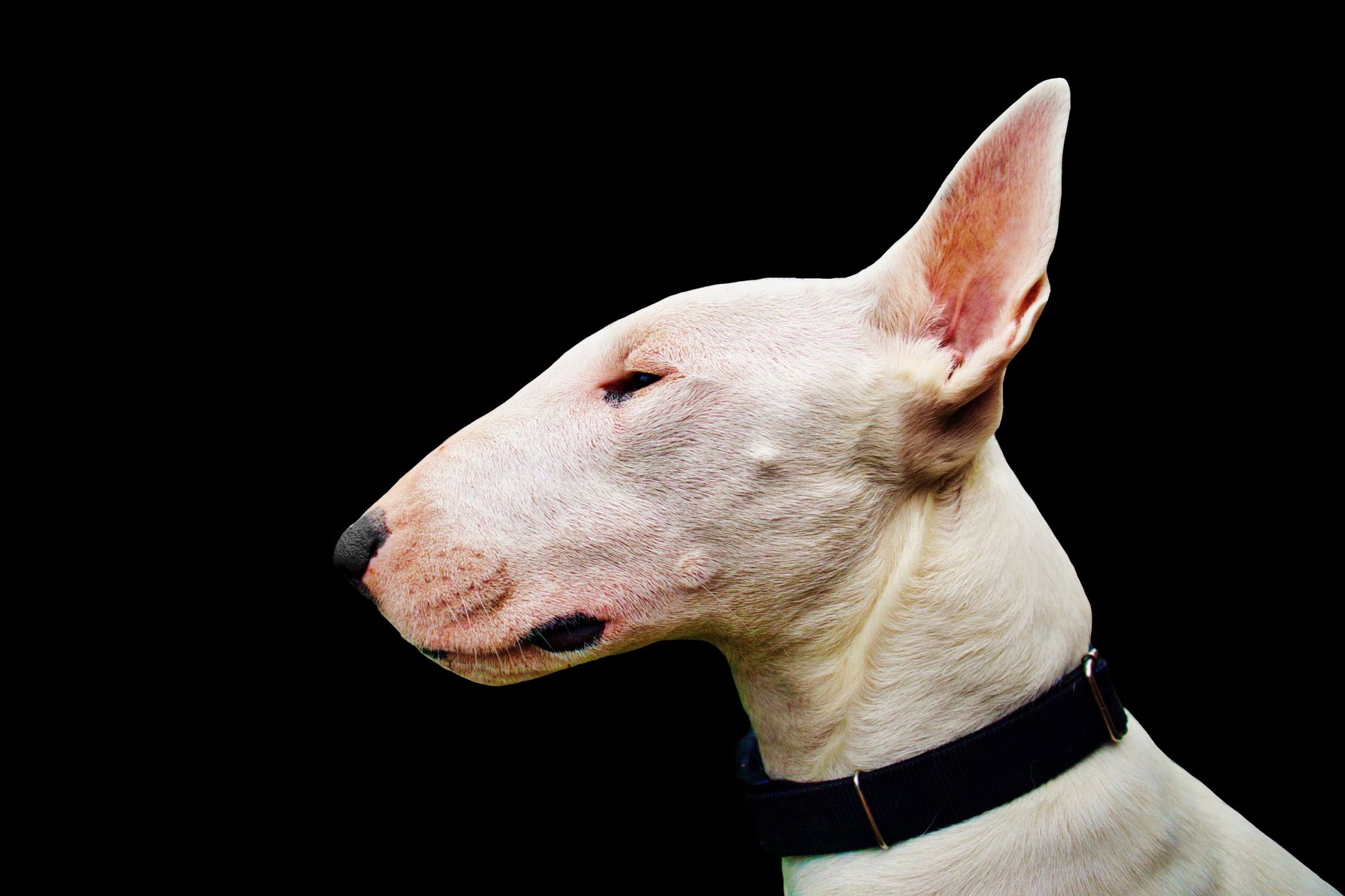
The Bull Terrier possesses one of the most distinct personalities in the dog world: they are intensely loyal, endlessly goofy, and fiercely determined. They have an almost childlike zest for life, often exhibiting a behavior known as the ‘bully run’ where they tear through the house at top speed purely for the joy of it. While they love their human families intensely, they retain a typical terrier independence and a high prey drive that must be managed daily.
Is a Bull Terrier good with other pets?
Generally, they do best as the only pet in the household. Their high prey drive makes them dangerous to cats and small animals, and they can show same-sex dog aggression if not meticulously socialized from puppyhood.
How much attention does a Bull Terrier need?
They demand an immense amount of attention and thrive on human interaction. I always warn owners that leaving a Bull Terrier alone for more than 4 to 5 hours at a time is a recipe for severe separation anxiety and destructive behavior.
Training & Behavior
Training a Bull Terrier requires an abundance of patience, a sense of humor, and high-value rewards. They are highly intelligent but will constantly question your authority if they find a task boring or repetitive. In my experience, the moment training feels like a chore, a Bull Terrier will simply tune you out or lie down and pretend to sleep.
Training Tips
- Keep training sessions very short, fast-paced, and highly rewarding (10-15 minutes max).
- Use high-value food rewards like freeze-dried liver or cheese, coupled with enthusiastic praise.
- Incorporate play into your training to exploit their natural desire to have fun.
- Establish clear, consistent household boundaries from day one and never make exceptions.
- Begin socialization immediately, introducing them safely to new sights, sounds, and people.
Fun Activities
- Agility training
- Weight pulling
- Nosework and scent tracking
- Flirt pole play
- Interactive puzzle games
Is a Bull Terrier easy to train?
No, they are notoriously challenging to train because of their independent, stubborn streak. While they understand commands quickly, choosing to obey them is a completely different story, requiring a highly consistent handler.
Bull Terrier Health Issues

While Bull Terriers are physically robust and muscular dogs, they are genetically prone to several serious hereditary health issues. Purchasing from a breeder who performs comprehensive health screenings (including BAER, kidney, and heart tests) is absolutely critical to ensuring a healthy companion.
Hereditary Nephritis
A severe, early-onset kidney disease caused by a genetic defect in the kidney filters. It often leads to renal failure before the dog reaches three or four years of age.
Congenital Deafness
Particularly common in all-white Bull Terriers, this is a genetic lack of hearing in one or both ears. Puppies should undergo a BAER (Brainstem Auditory Evoked Response) test at 5-6 weeks of age.
Lethal Acrodermatitis (LAD)
A devastating, fatal genetic skin condition unique to the breed where the dog cannot properly metabolize zinc. It causes painful lesions, stunted growth, and immune system failure.
Heart Disease (Mitral Valve Dysplasia)
A congenital malformation of the heart valves that can lead to heart failure over time.
Patellar Luxation
An issue where the kneecap slips out of its anatomical groove, causing discomfort, pain, and eventual arthritis.
How long do Bull Terriers typically live?
With proper nutrition, regular veterinary care, and genetic luck, a Bull Terrier typically lives between 11 and 14 years. Regular screenings can help catch progressive issues early.
What to Feed a Bull Terrier
Bull Terriers are food-obsessed dogs with a high propensity for obesity if their diet is not strictly managed. Because they are prone to severe skin and food allergies, their diet must be chosen with great care.
Best Diet
I highly recommend a high-quality, moderate-fat kibble with a single, novel protein source (such as venison, salmon, or duck) to minimize the risk of food-triggered skin flare-ups. Always consult your vet to choose a formulation suited to their life stage.
How to Feed
Split their daily food allowance into two equal meals, feeding them once in the morning and once in the evening. Never free-feed a Bull Terrier, as they will eat until they are physically sick.
How Much to Feed
Generally, active adult Bull Terriers require 2 to 4 cups of high-quality dry kibble daily. This amount varies widely based on their weight, age, and individual activity levels, so monitor their body condition closely with your vet.
Nutritional Tips
Adding a daily high-quality Omega-3 fish oil supplement can do wonders for supporting their sensitive skin barrier and joint health. Keep treats to a minimum and use raw carrots or green beans as low-calorie training rewards.
Bull Terrier Grooming Guide
Grooming a Bull Terrier is incredibly straightforward and takes very little time, making them one of the lowest-maintenance breeds in terms of coat care. However, their skin requires constant vigilance and proactive care to prevent painful issues.
Coat Care
Brush their short, harsh coat once a week with a rubber curry brush or grooming glove to remove dead hair and distribute skin oils. They only need a bath once every 6 to 8 weeks, unless they’ve rolled in something foul.
Skin Care
Because they are highly allergy-prone, check their skin daily for red spots, hives, dry patches, or hot spots. White Bull Terriers have very thin skin coverage on their ears and nose, requiring pet-safe sunscreen before long exposure to bright sunlight.
Eye Care
Wipe away any morning sleep or minor discharge with a damp, soft cloth to keep the area around their triangular eyes clean.
Ear Care
Check their ears weekly for redness, wax buildup, or a yeasty odor, and clean them with a vet-approved ear-cleaning solution if necessary.
Nail & Dental Care
Trim their strong, fast-growing nails every 2 to 3 weeks using a heavy-duty grinder or clippers. Brush their teeth at least three times a week with dog-safe toothpaste to prevent periodontal disease.
Considerations for Pet Parents
Pros
- Incredibly entertaining, affectionate, and comical personality.
- Extremely loyal and protective family companion.
- Minimal grooming requirements and low-maintenance coat.
- Highly adaptable to active outdoor adventures.
- Robust, athletic build capable of keeping up with intense activities.
- Excellent watchdog with a formidable, deterrent appearance.
Cons
- Can be incredibly stubborn and difficult to train for novices.
- Prone to severe separation anxiety and destructive chewing.
- Often displays high prey drive and dog-on-dog aggression.
- Prone to expensive genetic health and skin issues.
- Can be too physically rambunctious for very young kids or seniors.
Best For
The ideal Bull Terrier owner is someone with plenty of dog experience, an active daily routine, a securely fenced yard, and the patience to handle a persistent, strong-willed dog. They must be committed to lifelong training and have a home where someone is present most of the day.
Not Recommended For
This breed is not recommended for first-time dog owners, households with cats or small pocket pets, families with toddlers, or busy professionals who are away from home for long, uninterrupted stretches of time.
Cost
- purchase price$1,500 – $3,500 USD
- monthly cost$150 – $250 USD
- initial setupExpect to spend $1,000 to $1,500 initially on a heavy-duty crate, chew-proof toys, BAER hearing tests, and early vet appointments.
Similar Breeds
Miniature Bull Terrier

Staffordshire Bull Terrier
Bull Terrier FAQs
What is the difference between a Bull Terrier and a Miniature Bull Terrier?
They are genetically distinct breeds but share the same origin and look. The only major difference is size: Miniature Bull Terriers must stand under 14 inches at the shoulder and are much lighter, whereas Standard Bull Terriers have no height limits and are significantly heavier.
Why do Bull Terriers spin in circles?
Bull Terriers are genetically predisposed to obsessive-compulsive behaviors, with tail-chasing or spinning being the most common. If this behavior becomes frequent, repetitive, or difficult to interrupt, it is crucial to consult a veterinary behaviorist immediately, as it can be a sign of canine OCD.
Are white Bull Terriers prone to more health issues?
Yes, all-white Bull Terriers are at a much higher risk for congenital deafness (due to a lack of pigment cells in the inner ear) and are highly susceptible to sunburn, hives, and skin cancers. Colored Bull Terriers have pigment that offers some protection, though they can still suffer from allergies.
Do Bull Terriers bark a lot?
Generally, no, they are not excessive barkers. They will bark to alert you to a stranger at the door, but if they are barking constantly throughout the day, it is usually a sign of boredom, lack of exercise, or separation anxiety.
How much exercise does a Bull Terrier need daily?
They need at least 1 to 2 hours of vigorous exercise daily. This should include a mix of structured leash walks, off-leash play in a securely fenced area, and mentally taxing games or training to truly tire them out.
Can Bull Terriers live in an apartment?
They can, but only if the owner is fully committed to providing several hours of outdoor exercise every day. Without a yard, meeting their high-energy physical needs requires a strict, dedicated routine of walks and runs.
What is ‘trancing’ in Bull Terriers?
Trancing (or weed-walking) is a benign, breed-specific behavior where a Bull Terrier walks in slow motion beneath hanging plants, tablecloths, or curtains, letting the fabric gently brush their back. It puts them in a temporary, harmless trance-like state.
Are Bull Terriers aggressive?
While they were originally bred for dogfighting in the 19th century, modern Bull Terriers bred by reputable breeders are selected for a sweet, human-loving temperament. However, they can still show dog-directed aggression if they are not thoroughly socialized or if they feel threatened.
How do I handle a Bull Terrier’s stubbornness during walks?
If your Bull Terrier decides to ‘freeze’ and refuse to walk, never try to pull them by the leash. Instead, use high-value treats or a favorite toy to lure them forward, turning the walk into an engaging game rather than a battle of wills.
Are they prone to food allergies?
Yes, they are highly prone to food and environmental allergies. If your Bull Terrier is constantly licking their paws, scratching their belly, or getting frequent ear infections, work with your vet to conduct an elimination diet trial.
Can a Bull Terrier be left alone during the work day?
No, I do not recommend this breed for people who work standard 8-hour days away from home. Their intense need for human interaction and high energy level means they will likely develop severe destructive habits if left alone for that long.
Why do they have a sloped, egg-shaped head?
The iconic egg-shaped head (or ‘Roman nose’) is the result of selective breeding in the late 19th and early 20th centuries. Breeders favored the strong, seamless profile, which eventually became the defining visual hallmark of the breed.
Do Bull Terriers like water, and can they swim?
Most Bull Terriers are poor swimmers. Their heavy, muscular, front-loaded chests and relatively short legs make it difficult for them to stay afloat. I always recommend putting a canine life jacket on them when near pools, lakes, or the ocean.
What kind of toys are safe for a Bull Terrier?
They possess incredibly powerful jaws and can easily destroy standard rubber or plush toys, creating a dangerous foreign body hazard. Stick to heavy-duty, extreme-strength rubber toys (like black Kongs), solid nylon chew toys, or thick natural antlers, always under supervision.