
Chesapeake Bay Retriever Breed Guide
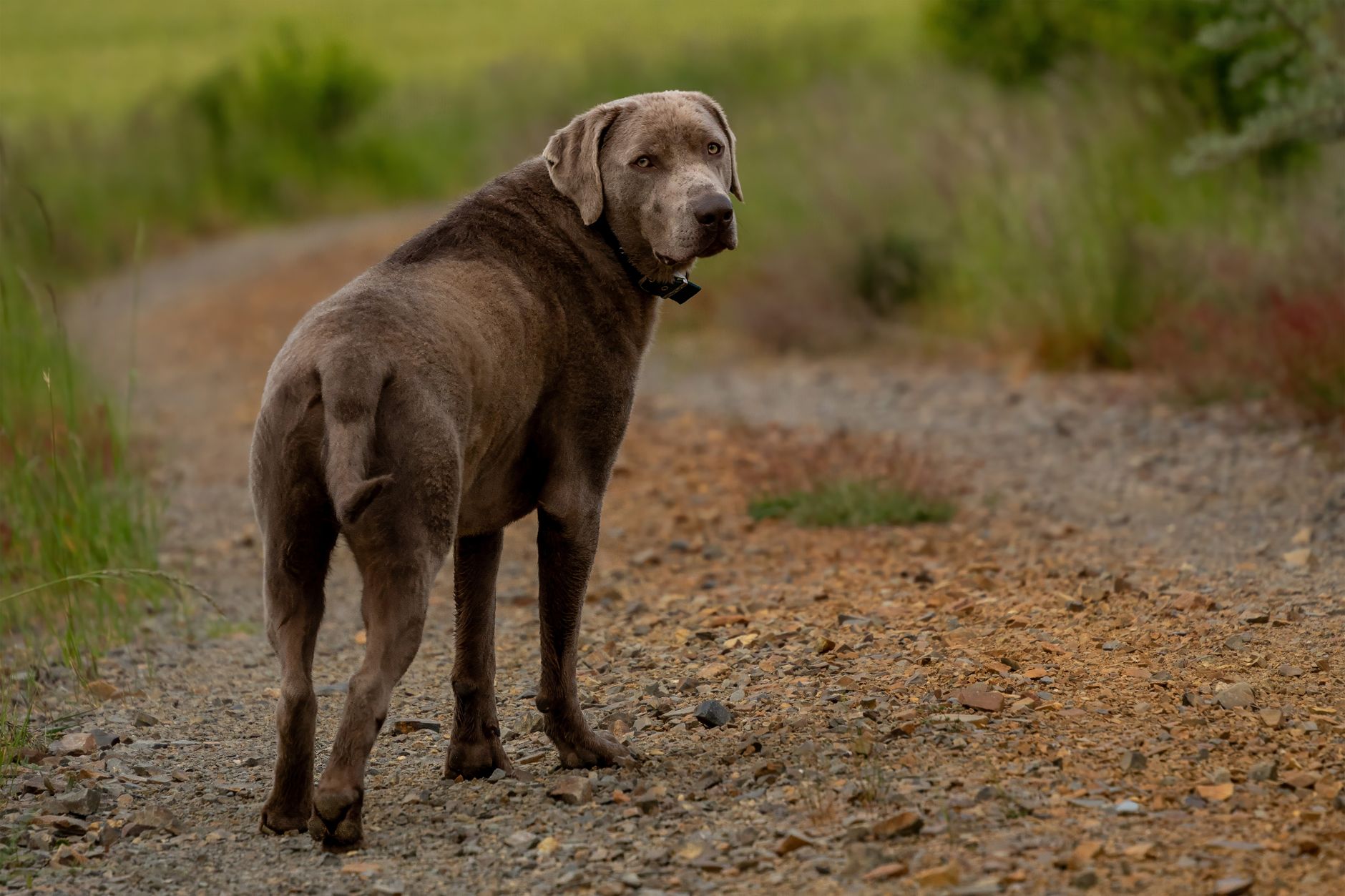
Quick Summary
The Chesapeake Bay Retriever is a rugged, deeply loyal gundog famed for its waterproof, oily coat and relentless work ethic in the harshest elements. Far more protective and independent than their Labrador cousins, they are best suited for active, outdoor-oriented families and experienced dog owners who can provide consistent, firm-but-gentle leadership.
Quick Facts
- origin countryUnited States
- breed groupSporting
- sizeLarge
- weight range55 to 80 pounds
- height range21 to 26 inches
- lifespan10 to 13 years
- coat typeShort, harsh, wavy, oily double coat
- common colorsBrown, Sedge, Deadgrass
- other namesChessie, CBR
- recognized byAKC, UKC, CKC, FCI
Caring for a Chesapeake Bay Retriever
Living with a Chessie means embracing the outdoors, regardless of the weather. In my experience, these dogs don’t just tolerate cold, wet conditions—they actively crave them, thanks to their highly specialized, water-resistant coat. Day-to-day life involves providing a structured routine, plenty of physical exercise like swimming or heavy retrieving, and firm, fair boundaries. They are incredibly devoted to their immediate family but typically carry a natural, aloof reserve around strangers that sets them apart from more outgoing retriever breeds.
Is a Chesapeake Bay Retriever a good family pet?
Yes, they can be exceptionally loyal and protective family guardians, but they thrive best in active households with older children. Unlike Golden Retrievers, they are not naturally social butterflies with every visitor, so early socialization is critical to ensure they welcome family friends. In my experience, once you are in a Chessie’s inner circle, you have a devoted protector for life.
Do Chesapeake Bay Retrievers shed a lot?
They shed moderately year-round and undergo heavy seasonal blowouts, typically in spring and fall, to drop their dense undercoat. You will find short, coarse hairs on your furniture and clothing, which can be difficult to vacuum out due to their oily texture. I always tell owners that regular brushing with a slicker brush is necessary, but you should avoid over-bathing to preserve their protective skin oils.
Is a Chesapeake Bay Retriever good for first-time owners?
Generally, no, I do not recommend Chessies to novice dog owners. Their strong-willed nature, sheer physical strength, and protective instincts require a confident handler who understands canine body language and consistent training methods. Without experienced leadership, their independent streak can easily turn into pushy behavior or resource guarding.
Temperament & Personality
The Chessie possesses a unique combination of intense working drive, high intelligence, and a fiercely loyal heart. Unlike other retrievers who view every stranger as a potential best friend, the Chessie is naturally protective and discerning, making them excellent watchdogs. They are quietly affectionate with their human ‘pack’ and possess an admirable, focused work ethic that makes them virtually unstoppable in the field.
Is a Chesapeake Bay Retriever good with other pets?
They can co-exist beautifully with other household pets if raised together from puppyhood and thoroughly socialized. However, due to their high prey drive, they may chase outdoor cats or small animals, and males can sometimes show same-sex aggression if not properly trained. I always recommend supervising introductions with new animals closely.
How much attention does a Chesapeake Bay Retriever need?
They are highly social with their families and do not do well when relegated to a lonely backyard; they want to be part of the daily action. While they aren’t constantly demanding physical affection like some lapdogs, they show their devotion by shadowing you from room to room. If left alone for long periods without mental or physical stimulation, they can easily become destructive.
Training & Behavior
Training a Chessie requires a soft hand but a firm, consistent framework. They are highly intelligent and learn quickly, but they also possess a stubborn, independent streak that can frustrate trainers used to more eager-to-please breeds. In my experience, they do not respond well to harsh, physical corrections, which will cause them to shut down completely; instead, positive reinforcement and motivational training yield incredible results.
Training Tips
- Use positive, reward-based training sessions with high-value treats and toys.
- Keep training sessions short, varied, and mentally stimulating to prevent boredom.
- Focus heavily on early, structured socialization to counter their natural aloofness.
- Establish clear boundaries and house rules from day one to manage their pushy nature.
- Incorporate retrieving and water work directly into your obedience training routines.
Fun Activities
- Dock diving and competitive swimming
- Field trials and hunt tests
- Agility and tracking competitions
- Advanced obedience and rally
- Scent work and search and rescue training
Is a Chesapeake Bay Retriever easy to train?
They are highly trainable due to their intelligence and focus, but they are not ‘easy’ in the way a Golden Retriever is. Chessies will actively question repetitive commands and require you to earn their respect before they willingly obey. An owner must show calm, confident leadership rather than trying to force compliance.
Chesapeake Bay Retriever Health Issues

The Chesapeake Bay Retriever is generally a robust, hardy breed built to withstand tough physical environments. However, like all large, active working dogs, they are genetically predisposed to several inherited orthopedic, ocular, and metabolic conditions that prospective owners must screen for.
Hip and Elbow Dysplasia
Heritable developmental malformations of the hip and elbow joints that prevent them from fitting together smoothly, leading to progressive arthritis and joint degeneration.
Progressive Retinal Atrophy (PRA)
An inherited degenerative eye disorder that causes the gradual deterioration of the retina, eventually leading to complete, irreversible blindness.
Exercise-Induced Collapse (EIC)
A genetic neuromuscular disorder where affected dogs experience muscle weakness, loss of coordination, and sudden collapse during periods of intense exercise or excitement.
Degenerative Myelopathy (DM)
A progressive, non-painful disease of the spinal cord that slowly destroys the myelin sheath around nerves, causing hind-limb weakness and eventual paralysis in older dogs.
Gastric Dilation-Volvulus (GDV/Bloat)
A life-threatening emergency common in deep-chested breeds where the stomach fills with gas and twists on its axis, cutting off blood flow to vital organs.
How long do Chesapeake Bay Retrievers typically live?
With proper care, regular veterinary checkups, and a healthy lifestyle, a Chesapeake Bay Retriever typically lives between 10 and 13 years. Keeping them lean and fit throughout their lives is one of the best ways to protect their joints and extend their lifespan.
What to Feed a Chesapeake Bay Retriever
Because Chessies are high-energy, heavy-boned working dogs, their nutritional needs must match their activity levels. Feeding a high-quality diet is crucial for maintaining their dense bone structure and protecting their joints from premature wear.
Best Diet
I highly recommend a high-quality, large-breed adult dog food rich in animal proteins to support muscle maintenance, formulated with moderate fat content. For working or highly active hunting Chessies, a performance formula with higher protein-to-fat ratios may be recommended by your vet to sustain their energy.
How to Feed
Adult Chessies should be fed twice daily, ideally in measured portions rather than free-feeding, to prevent obesity and reduce the risk of bloat. I always advise owners to avoid feeding their dog from elevated bowls and to restrict vigorous exercise for at least one hour before and after meals.
How Much to Feed
Generally, active adult Chessies require between 3 to 4.5 cups of high-quality dry food per day, divided into two meals. However, exact portions vary wildly based on age, metabolism, and activity level, so you should always consult your veterinarian to establish an ideal caloric baseline.
Nutritional Tips
Incorporate joint supplements containing glucosamine, chondroitin, and Omega-3 fatty acids early in life to support joint health. Additionally, look for diets containing marine-based oils (like salmon oil) which naturally support and replenish their signature oily coat.
Chesapeake Bay Retriever Grooming Guide
The Chessie’s coat is their most defining feature—a harsh, oily outer layer designed to shed water like a duck’s feathers, paired with a dense, insulating undercoat. Grooming this unique coat requires a hands-off approach compared to other breeds, as over-grooming can strip away their natural, protective oils.
Coat Care
Weekly brushing with a rubber curry comb or slicker brush is usually sufficient to remove loose hair and dirt. During their seasonal sheds, a deshedding tool can help manage the undercoat, but never use harsh metal blades that can break the protective outer coat guard hairs.
Skin Care
Bathe your Chessie only when absolutely necessary, such as when they roll in something foul; frequent baths with shampoo will strip their essential protective skin oils and ruin the coat’s waterproof qualities. A simple rinse with clean water after they swim in salt water or muddy ponds is usually all they need.
Eye Care
Keep a close eye on their eyes for any signs of redness, cloudiness, or unusual discharge, which warrant a prompt veterinary evaluation due to the breed’s genetic susceptibility to eye issues.
Ear Care
Because Chessies love the water, checking and drying their ears is a critical weekly task. Use a veterinarian-approved ear cleaner after swimming to prevent yeast and bacterial infections from taking hold in their warm, damp ear canals.
Nail & Dental Care
Trim their nails every 3 to 4 weeks to prevent splaying of the paws and joint strain, and brush their teeth at least three times a week with dog-specific toothpaste to prevent tartar buildup and periodontal disease.
Considerations for Pet Parents
Pros
- Incredibly loyal, devoted, and protective family guardian.
- Unmatched cold-weather swimming and retrieving capabilities.
- Excellent watchdog with a natural, discerning suspicion of strangers.
- Highly intelligent and capable of advanced working tasks.
- Lower-maintenance coat compared to other long-haired retrievers.
- Robust, hardy constitution built for tough physical activity.
Cons
- Can be stubborn, strong-willed, and highly independent.
- Requires intensive socialization from puppyhood to prevent aggression.
- Naturally oily coat carries a distinct, musky dog odor.
- Not suited for apartment living or sedentary households.
- Can be prone to resource guarding if not properly managed.
Best For
Active, experienced dog owners, outdoor adventurers, and hunters who live in suburban or rural environments with access to water. They thrive with families who can commit to vigorous daily exercise and consistent obedience training.
Not Recommended For
Novice dog owners, apartment dwellers, or individuals who prefer a passive, low-energy lifestyle. They are also not ideal for owners who dislike a dog with a natural doggy odor, or those who want a socially outgoing dog that loves every stranger they meet.
Cost
- purchase price$1,200 to $2,500
- monthly cost$150 to $250
- initial setupInitial setup costs, including veterinary health checks, high-quality crates, heavy-duty outdoor gear, and professional obedience classes, typically run between $1,500 and $2,500.
Similar Breeds

Labrador Retriever

Curly-Coated Retriever
Chesapeake Bay Retriever FAQs
Do Chesapeake Bay Retrievers smell?
Yes, Chessies naturally have a stronger doggy odor than many other breeds. This characteristic scent comes from the heavy natural oils in their double coat, which serve to waterproof them; bathing them excessively to remove the smell will only damage their coat and skin health.
Are Chesapeake Bay Retrievers aggressive?
They are not inherently aggressive, but they are naturally protective and suspicious of strangers. Without rigorous, ongoing socialization and firm leadership, their protective instinct can manifest as territorial behavior or reactivity toward people or other animals.
Why does my Chessie smile?
Many Chessies exhibit a unique, submissive grin where they draw back their lips to show their front teeth when happy, excited, or greeting their owners. While it can look intimidating to those unfamiliar with the breed, it is actually a sign of deference, joy, and affection.
How much exercise does a Chessie need daily?
At a minimum, an adult Chessie needs 60 to 90 minutes of vigorous physical activity every day. Simply walking them on a leash is rarely enough; they require high-impact exercise like retrieving, running, or swimming to stay physically and mentally satisfied.
Do they bark a lot?
Generally, Chessies are quiet dogs who do not bark without a reason. They will bark to alert you if someone approaches your property, making them excellent watchdogs, but they rarely engage in nuisance or repetitive barking unless they are bored or neglected.
Can Chessies live in hot climates?
While they are built for freezing waters, Chessies can adapt to warmer climates as long as they have plenty of shade, air conditioning, and fresh water. However, you must avoid exercising them during the heat of the day to prevent heatstroke, and swimming is the best summer exercise for them.
Are they prone to separation anxiety?
Because they form such intense, tight-knit bonds with their families, they can develop separation anxiety if left alone for extended periods. I always recommend crate training early on and ensuring they are thoroughly exercised before you leave them alone.
What is the ‘deadgrass’ color?
Deadgrass is a recognized breed color that ranges from a dull tan to a straw-yellow shade, mimicking the color of dried marsh grass. This serves as a highly effective camouflage for the dog when they are working in duck blinds or marshy wetlands.
Are Chessies good with cats?
They can live peacefully with household cats if they are introduced carefully at a young age. However, because of their strong sporting instinct, they have a high prey drive and may chase neighborhood cats or small woodland creatures that run from them.
Why is their coat so oily?
The oiliness is an evolutionary adaptation that prevents icy water from reaching their skin, helping them dry off almost instantly with a single shake. If you run your hands over a correct Chessie coat, your fingers should feel noticeably oily or greasy.
Are they easy to housebreak?
Yes, they are generally very clean and highly intelligent, which makes housebreaking relatively straightforward. Using a consistent crate-training routine and rewarding outdoor elimination will typically have a Chessie puppy housetrained in a matter of weeks.
Can a Chessie be left off-leash?
Only in fully secured, fenced areas or if they have completed advanced recall training. Their high prey drive and strong desire to retrieve can easily cause them to bolt after waterfowl or small animals, completely ignoring your calls if the training isn’t rock-solid.
Are Chessies prone to ear infections?
Yes, due to their love for water and their fold-over ears, moisture can easily get trapped in their ear canals, creating a perfect breeding ground for yeast and bacteria. Regularly cleaning and thoroughly drying their ears after swimming is a non-negotiable part of their care.