
Rhodesian Ridgeback Breed Guide

Quick Summary
The Rhodesian Ridgeback is a powerful, dignified hound originally bred in Africa to track lions, making them naturally protective, independent, and athletic. While they are deeply loyal and affectionate with their families, their immense physical strength and strong-willed nature require an experienced owner. They thrive best in active, structured households that can provide daily outlets for their energy and intelligence.
Quick Facts
- origin countrySouth Africa
- breed groupHound
- sizeLarge
- weight range70 – 85 pounds (32 – 39 kg)
- height range24 – 27 inches (61 – 69 cm)
- lifespan10 – 12 years
- coat typeShort, sleek, dense, featuring a symmetrical spinal ridge of hair growing in reverse
- common colorsLight wheaten, wheaten, red wheaten
- other namesAfrican Lion Hound, African Lion Dog, Van Rooyen’s Lion Dog
- recognized byAKC, UKC, FCI, KC, ANKC
Caring for a Rhodesian Ridgeback
Living with a Ridgeback is like sharing your home with a majestic, athletic roommate who has selective hearing. Daily life requires a balance of rigorous physical exercise—think 60 to 90 minutes of brisk walking, running, or hiking—and firm, loving boundaries. In my experience, they are quiet house guests who love to lounge on your softest sofa, but they transform into high-powered athletes the second they step outside. You must have a securely fenced yard, as their high prey drive means they will bolt after any squirrel or stray cat before you can even react.
Is a Rhodesian Ridgeback a good family pet?
Yes, they make outstanding family companions for active households with older, sturdy children who can handle a large, enthusiastic dog. I’ve found their natural protective instincts make them deeply loyal guardians, though they must be thoroughly socialized to prevent them from becoming overly suspicious of family guests.
Do Rhodesian Ridgebacks shed a lot?
They are relatively light shedders compared to double-coated breeds, but they do lose short, stiff hairs year-round that can easily weave themselves into fabrics. I always tell owners that a weekly brush with a rubber curry glove is usually all it takes to keep their sleek coat looking pristine and control the loose hair.
Is a Rhodesian Ridgeback good for first-time owners?
In my experience, I do not recommend the Rhodesian Ridgeback for first-time owners because of their stubbornness, massive physical strength, and natural guarding instincts. They will quickly test boundaries and can easily dominate a household if their owner does not project calm, consistent leadership and structured training from day one.
Temperament & Personality
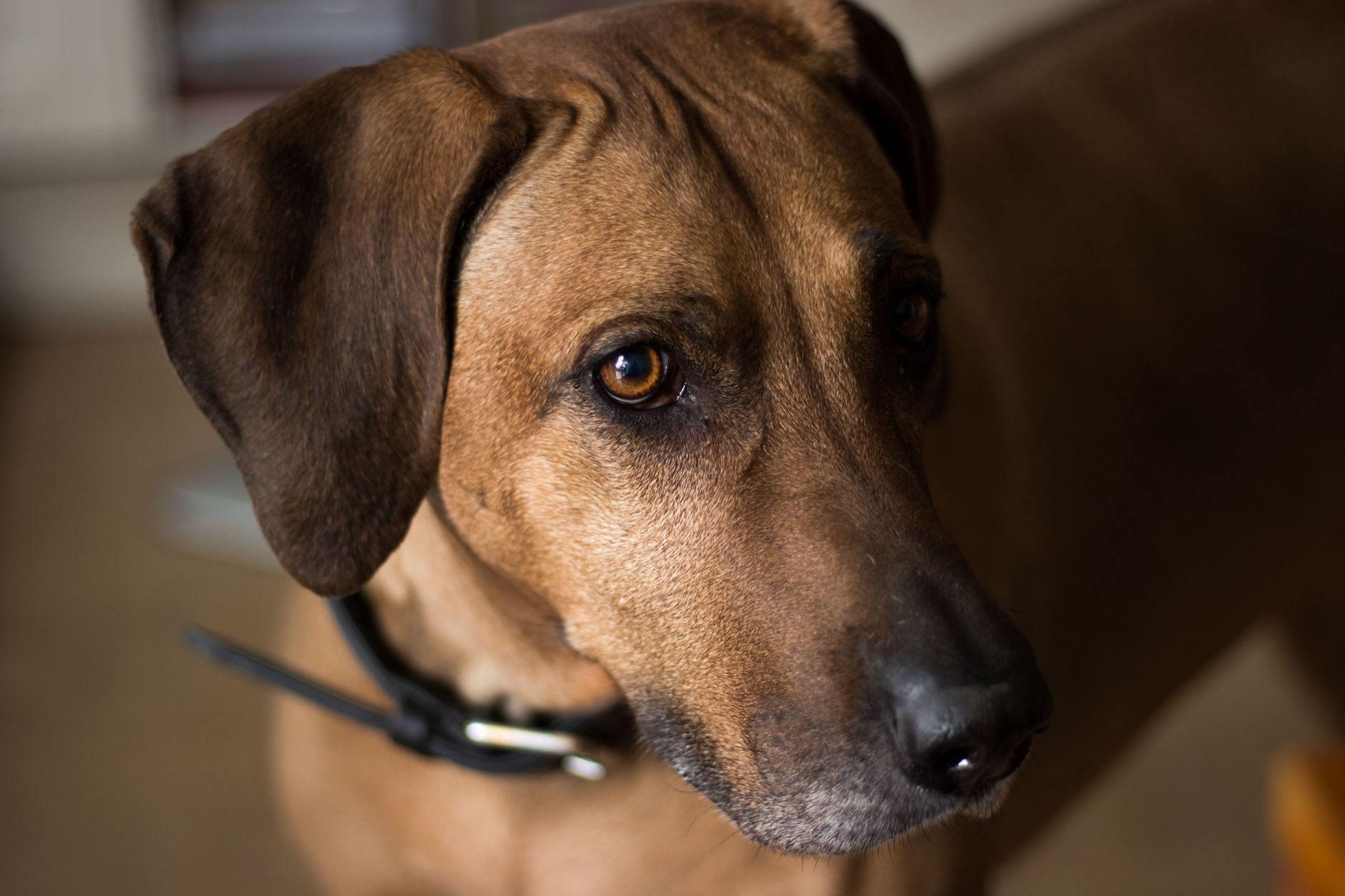
The Ridgeback is a study in contrasts: fiercely loyal yet highly independent, quiet indoors yet explosive outdoors, and deeply loving to their family while aloof and reserved with strangers. They possess a strong-willed, sensitive personality that does not tolerate harsh correction but requires calm, unshakable leadership. I’ve noticed they are exceptionally observant dogs, often choosing to watch a situation unfold quietly rather than reacting impulsively.
Is a Rhodesian Ridgeback good with other pets?
They can co-exist beautifully with other family dogs if raised together, though same-sex aggression is not uncommon, especially between males. Because of their intense historical prey drive, I strongly advise extreme caution around small animals like cats, rabbits, or pocket pets, which they are highly likely to chase.
How much attention does a Rhodesian Ridgeback need?
While they are highly independent and don’t need constant coddling, they are deeply attached family dogs who will not thrive if relegated to the backyard. I’ve found they need to be an active part of daily family life, preferring to be in the same room as you, ideally leaning their heavy bodies against your legs.
Training & Behavior
Training a Ridgeback requires a delicate mix of firm consistency and positive reinforcement, as they are highly sensitive to harsh tones and will shut down if treated unfairly. They are incredibly smart but have a strong ‘what’s in it for me?’ attitude that demands creative motivation. I always tell owners to start socialization on day one, exposing them to diverse sights, sounds, and people to ensure their natural protective instinct doesn’t cross into aggression.
Training Tips
- Use high-value food rewards to keep their food-motivated minds engaged
- Keep training sessions short, varied, and fast-paced to prevent boredom
- Establish clear house rules from puppyhood and never let them slip
- Practice ‘nothing in life is free’ to gently establish your leadership
- Never use harsh physical discipline, which destroys their trust instantly
Fun Activities
- Lure coursing to tap into their natural sight-hound drive
- Agility training to challenge their mind and athletic body
- Canicross or running alongside a bicycle once growth plates are closed
- Scent-based puzzle toys and nose-work challenges
Is a Rhodesian Ridgeback easy to train?
They are highly intelligent and learn commands quickly, but they are not ‘easy’ to train because of their independent, stubborn streak. They require a confident handler who understands how to outsmart a dog that prefers to make its own decisions rather than blindly obey.
Rhodesian Ridgeback Health Issues
The Rhodesian Ridgeback is generally a robust, hardy breed built to survive harsh African climates, but like all large breeds, they are prone to specific genetic conditions. Working closely with a reputable breeder who performs extensive health screenings is absolutely vital to ensuring a long, healthy life.
Dermoid Sinus
A congenital neural tube defect where a narrow, tubular sac penetrates from the skin surface down into the spinal cord tissues. It is highly specific to this breed and usually detected by experienced breeders at birth.
Hip and Elbow Dysplasia
Genetic skeletal conditions where the ball-and-socket joints in the hips or elbows fail to fit together smoothly, leading to painful arthritis and mobility issues over time.
Hypothyroidism
An underactive thyroid gland that fails to produce enough thyroid hormone, slowing down the dog’s metabolism and affecting multiple body systems.
Gastric Dilatation-Volvulus (Bloat)
A life-threatening condition common in deep-chested breeds where the stomach fills with gas and twists on itself, cutting off blood supply.
Mast Cell Tumors
A type of skin cancer that can appear as benign-looking lumps on or just under the skin, which can be highly aggressive if left untreated.
How long do Rhodesian Ridgebacks typically live?
A healthy Rhodesian Ridgeback typically lives between 10 to 12 years. Providing high-quality nutrition, regular exercise, joint support, and routine veterinary checkups can help maximize their golden years.
What to Feed a Rhodesian Ridgeback
Ridgebacks are notorious gluttons with an insatiable appetite, meaning they will easily overeat and gain weight if their food intake isn’t strictly managed. I have yet to meet a Ridgeback that wouldn’t happily steal a loaf of bread right off the kitchen counter if given half a chance.
Best Diet
They thrive on high-quality, large-breed adult dog food formulated to support joint health, ideally with real meat as the primary ingredient. For puppies, it is critical to feed a large-breed puppy formula to control their rapid growth rate and protect their developing bones.
How to Feed
I strongly recommend splitting their daily food allowance into two equal meals, feeding them morning and evening. Always use a stable bowl, and avoid strenuous exercise for at least one hour before and after meals to mitigate the risk of life-threatening bloat.
How Much to Feed
An average adult Ridgeback requires between 3.5 to 5 cups of high-quality dry food daily, though this varies heavily based on their activity level and individual metabolism. I always advise consulting your vet and using a measuring cup rather than ‘eyeballing’ portions to keep them lean.
Nutritional Tips
Watch their weight closely by checking that you can easily feel, but not prominently see, their ribs. Avoid excessive treats, and instead use low-calorie options like raw green beans or carrots for training rewards to keep their waistline trim.
Rhodesian Ridgeback Grooming Guide
When it comes to maintenance, the Ridgeback is a dream come true for owners who dislike high-maintenance grooming routines. Their short, single coat requires minimal effort to keep clean, odorless, and looking sharp.
Coat Care
A quick weekly session with a rubber grooming mitt or a soft bristle brush is all it takes to remove dead hair. They only need a bath once every couple of months or when they’ve managed to roll in something exceptionally foul.
Skin Care
Keep a close eye on their skin, particularly along the ridge, for any signs of irritation, dry patches, or unusual lumps like dermoid sinuses.
Eye Care
Their eyes are generally trouble-free; simply wipe away any occasional sleep crusts with a damp, soft cloth.
Ear Care
Their drop ears can trap moisture and debris, so check them weekly for redness, odor, or buildup, and clean them with a vet-approved ear rinse when necessary.
Nail & Dental Care
Their thick, black nails grow incredibly fast and must be trimmed or ground down every 2 to 3 weeks to prevent joint pain. Brush their teeth at least three times a week with dog-safe toothpaste to prevent tartar buildup.
Considerations for Pet Parents
Pros
- Unmatched loyalty and deep devotion to their family
- Low-maintenance coat that rarely smells doggy
- Excellent watchdogs with a quiet, imposing presence
- Incredible athletic companions for runners and hikers
- Generally quiet indoors once their exercise needs are met
- Sleek, beautiful, and noble appearance
Cons
- Highly independent and notoriously stubborn stubbornness
- Strong prey drive makes them untrustworthy off-leash
- Can be aloof or suspicious of strangers if undersocialized
- Remarkable counter-surfers who will steal food
- Prone to genetic health issues like Dermoid Sinus
Best For
Active, experienced owners who understand hound temperament, have a home with a highly secure yard, and want a loyal, protective companion for outdoor adventures.
Not Recommended For
First-time dog owners, households with very small pocket pets, or busy families who cannot commit to rigorous daily exercise and consistent training.
Cost
- purchase price$1,800 – $3,500
- monthly cost$150 – $250
- initial setupExpect to invest $1,200 to $2,000 initially for high-quality heavy-duty crates, secure fencing upgrades, veterinary checks, vaccines, and large-breed supplies.
Similar Breeds

Vizsla
Weimaraner
Rhodesian Ridgeback FAQs
Do Rhodesian Ridgebacks bark a lot?
No, Ridgebacks are notoriously quiet dogs who rarely bark without a very good reason. I’ve found that if a Ridgeback is barking, you should absolutely go investigate, as they are likely alerting you to a genuine anomaly or intruder.
Are Rhodesian Ridgebacks aggressive?
They are not naturally aggressive, but they are highly protective and reserved with strangers. Without intensive socialization from puppyhood, their guarding instincts can manifest as overprotectiveness or reactivity, making early training crucial.
Why do some Rhodesian Ridgebacks not have a ridge?
The ridge is a genetic trait caused by a dominant mutation. Occasionally, puppies are born without a ridge (known as ‘ridgeless’ Ridgebacks) due to receiving recessive genes from both parents; these dogs make wonderful pets but cannot be shown in conformation events.
Do Rhodesian Ridgebacks tolerate cold weather?
Because of their thin single coats and African heritage, they do not tolerate freezing temperatures well. I always advise owners to invest in a fleece or insulated dog jacket for winter walks, and to never leave them outside in the cold.
Can Rhodesian Ridgebacks live in an apartment?
While they can adapt to apartment living due to their calm indoor nature, it is highly challenging and requires a dedicated owner. You must commit to multiple daily walks and off-leash runs in secure areas to compensate for the lack of a private yard.
Are Rhodesian Ridgebacks good off-leash?
In my experience, they should rarely be trusted off-leash in unsecured areas. Their instinct as sighthounds means they will instantly bolt after prey, completely ignoring recall commands once their chase drive is triggered.
How do they handle being left alone?
They are relatively independent and can handle being alone for normal workdays, provided they have been well-exercised beforehand. However, they can become destructive chewers if left alone for excessive periods without mental stimulation.
At what age do Rhodesian Ridgebacks mature?
They are a slow-maturing breed, both physically and mentally. I’ve found they retain their goofy, energetic puppy-like behavior until they are around 2 to 3 years old, which is when they fully settle into their dignified adult persona.
Are they prone to separation anxiety?
While less prone to it than some velcro breeds, they can still develop separation anxiety if not taught to tolerate alone time from puppyhood. Proper crate training and rewarding calm behavior when leaving help prevent this.
Can they swim?
Some Ridgebacks enjoy water, but many are notoriously averse to getting wet, even refusing to go outside in the rain. Introduce them to water gradually and never force them, as they are not natural water retrievers.
How much exercise do they need daily?
They need a minimum of 60 to 90 minutes of vigorous daily exercise. This should include brisk walks, jogging, or opportunities to run safely in a securely fenced-in area alongside mental enrichment games.
Are they easy to housebreak?
Yes, they are generally very clean dogs and pick up housebreaking quickly. Establishing a consistent routine and rewarding outdoor elimination will usually yield fast results within a few weeks.
What is the history behind their name?
They were developed in South Africa by European settlers who crossed local semi-wild ridged hunting dogs (kept by the Khoikhoi) with European breeds. They were used to track and bay lions, holding them at bay for hunters, which earned them the name ‘African Lion Hounds’.