

Quick Summary
Dogs tilt their heads to better align their outer ears with the source of a sound, adjust their field of vision past their muzzles, and process familiar words or emotional cues in human speech. While this behavior is usually a normal sign of active listening and cognitive engagement, a persistent, involuntary head tilt can indicate an underlying medical issue like an ear infection or vestibular syndrome.
We have all done it. We say that magic word—’walk’ or ‘treat’—in a high-pitched voice, and our dog’s head immediately pivots in that classic, adorable tilt.
In my clinic, clients ask me about this behavior almost weekly, wondering if it means their dog is truly understanding them.
As a veterinarian with over fifteen years of clinical practice, I can tell you that this endearing gesture is far more than just a cute trick. It is a highly sophisticated combination of auditory adjustment, visual optimization, and deep emotional intelligence.
Key Takeaways
- Canine head tilting helps dogs localize the exact vertical and horizontal origin of a sound.
- Dogs with longer muzzles tilt their heads to shift their snout out of their primary line of sight.
- The gesture is often a sign of cognitive processing, as dogs filter our speech for familiar high-value words.
- Positive reinforcement from human laughter and affection naturally encourages dogs to repeat the behavior.
- An involuntary, constant head tilt that occurs without stimulus is a clinical red flag requiring immediate veterinary attention.
- Common medical causes for abnormal tilts include otitis externa, ear mites, and canine vestibular disease.
In This Article
- The Acoustic Advantage: How Dogs Pinpoint Sounds
- The Visual Perspective: Seeing Past the Snout
- Cognitive Processing: Filtering for High-Value Words
- The Empathy Connection: Social Bonding and Human Reactions
- Anatomical Variations: Breed-Specific Head Tilts
- When the Tilt is Pathology: Recognizing Medical Red Flags
- Behavioral vs. Medical: How to Spot the Difference
- Clinical Diagnostics: What to Expect at the Clinic
The Acoustic Advantage: How Dogs Pinpoint Sounds
Dogs have an incredibly sophisticated auditory system, but their ears are structured differently than ours. While humans can hear a wide range of frequencies, we are actually better at localizing sounds coming from the sides than dogs are.
To compensate for this limitation, dogs tilt their heads to change the angle at which sound waves enter their ear canals.
In my years treating dogs with varying ear shapes, I have observed that this movement helps them calculate the microsecond differences in when a sound reaches each ear. By rotating their pinnae (the external ear flaps), they can determine both the horizontal direction and the vertical height of a noise.
This allows them to focus intensely on the pitch of your voice and decode your message.
- Pinnae Adjustment: Moving the external ear flap to funnel distant sounds.
- Interaural Time Difference: Calculating the tiny delay between sound hitting the left versus the right ear.
- Frequency Filtering: Tuning in to high-pitched human tones which typically signify positive events.
- Vertical Localization: Raising or lowering one ear to determine if a sound is coming from above or below
The Role of the Pinna
A dog’s external ear flap, or pinna, is controlled by more than 18 distinct muscles. This incredible muscular network allows them to rotate, erect, and tilt their ears independently of one another.
When they tilt their entire head, they are maximizing the surface area of the pinna facing the sound source, which boosts their hearing capacity.

The Visual Perspective: Seeing Past the Snout
Many dog owners do not realize that a dog’s physical anatomy significantly impacts their field of vision. If you place your fist in front of your nose, you will get a rough approximation of what a dog with a prominent muzzle sees constantly.
The snout directly blocks a portion of the lower visual field, particularly when they are looking directly at a human face.
I always tell my clients to try a simple experiment. Hold your hand in front of your face and try to read someone’s facial expressions.
You will find yourself naturally tilting your head to get a clear view of their mouth and lower jaw. Dogs do the exact same thing to read our expressions and understand our moods.
- Muzzle Obstruction: Long-snouted dogs must tilt to see the lower half of a human face.
- Facial Expression Reading: Dogs rely heavily on our mouth movements to gauge our emotional state.
- Eye Contact Optimization: Tilting aligns their eyes to maintain steady, uninterrupted eye contact.
- Perspective Shifting: Changing the visual angle to clarify three-dimensional objects in front of them
The ‘Glasses’ Test for Humans
In 2015, a fascinating study explored this visual hypothesis by surveying hundreds of dog owners. Researchers found that dogs with more prominent muzzles tilted their heads significantly more often than flat-faced, brachycephalic breeds.
This clinical observation strongly supports the theory that head tilting is partially a visual aid.

Cognitive Processing: Filtering for High-Value Words
When we speak to our dogs, they are not just listening to empty noise. They are actively scanning our speech patterns for familiar words, inflections, and emotional cues.
In my practice, I often watch dogs tilt their heads the moment their owner says a trigger word like ‘park’ or ‘cookie’.
This physical shift is the canine equivalent of deep concentration. They are accessing the parts of their brain associated with auditory processing and memory retrieval.
They tilt to focus their mental energy on decoding what those sounds mean for their immediate future, matching the sounds to their internal dictionary.
- Auditory Cortex Activation: Engaging the brain regions responsible for deciphering vocal inflections.
- Word Retrieval: Recognizing phonemes associated with food, play, or outdoor activities.
- Tone Analysis: Differentiating between an angry command, a neutral statement, and excited praise.
- Anticipatory Behavior: Preparing their body to react to an expected positive outcome
Brain Lateralization in Dogs
The canine brain has specialized regions dedicated to analyzing human voice tones. Research shows that they process positive, high-pitched tones on the left side of their brain and neutral tones on the right.
The physical tilt helps align their sensory organs to optimize this complex neurological processing.
The Empathy Connection: Social Bonding and Human Reactions
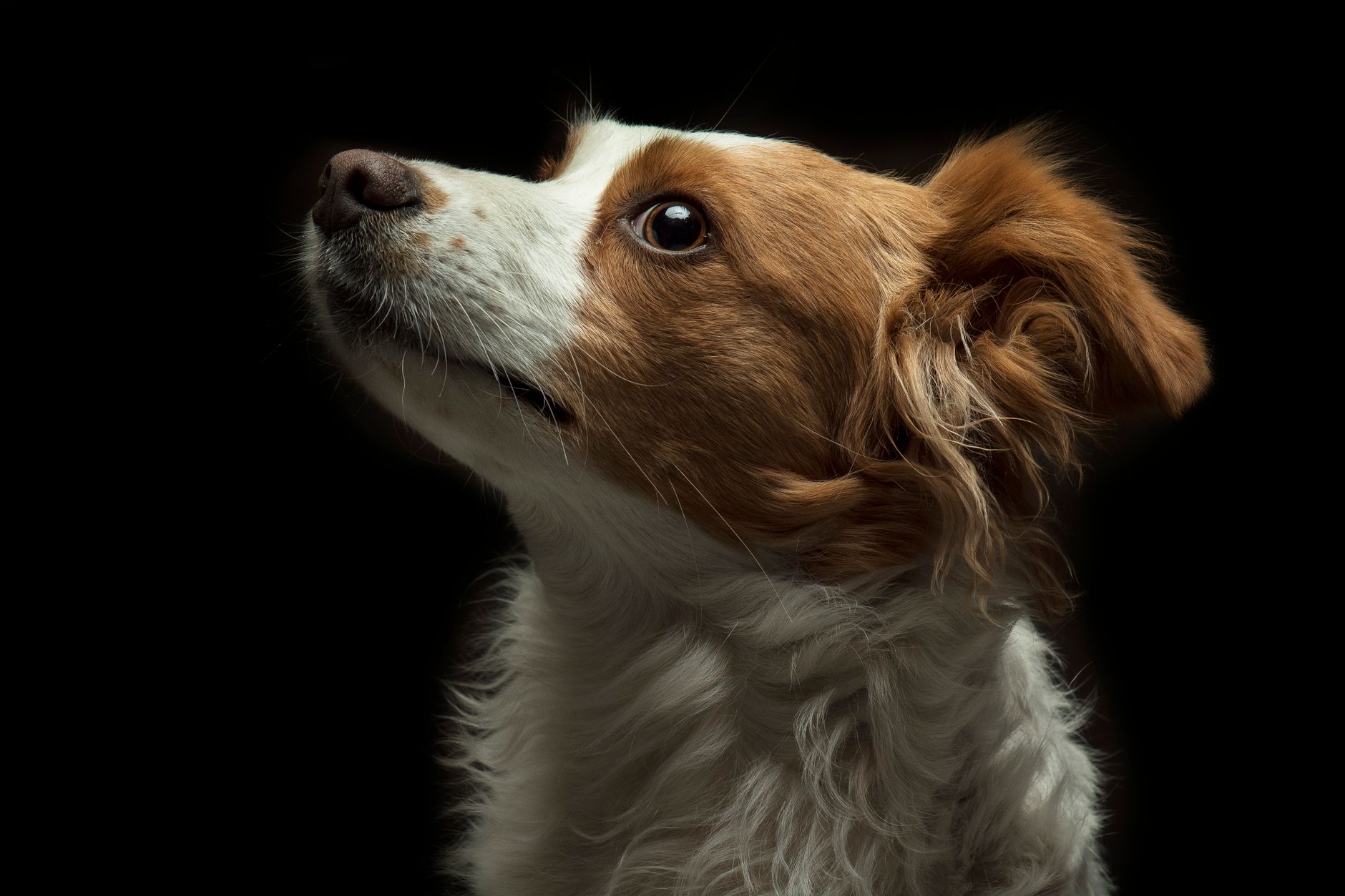
Dogs are masters of reading human emotion, a trait developed over thousands of years of co-evolution. What I see most often in practice is that dogs who tilt their heads frequently are highly social, empathetic individuals.
They are deeply tuned into the relationship they share with their human family members and react to our emotional shifts.
Furthermore, this behavior is heavily reinforced by us. When a dog tilts their head, we inevitably coo, smile, or offer a tasty treat.
Dogs are highly sensitive to positive reinforcement, and they quickly learn that this simple gesture makes their humans happy and results in rewards.
- Operant Conditioning: Repeating a physical action because it consistently results in praise or treats.
- Emotional Mirroring: Aligning their posture and attention to match the high energy of an excited human.
- Strengthening the Bond: Building mutual trust through shared, highly responsive visual communication.
- Social Scanning: Assessing whether their owner is sad, happy, or anxious based on minor facial shifts
Anatomical Variations: Breed-Specific Head Tilts
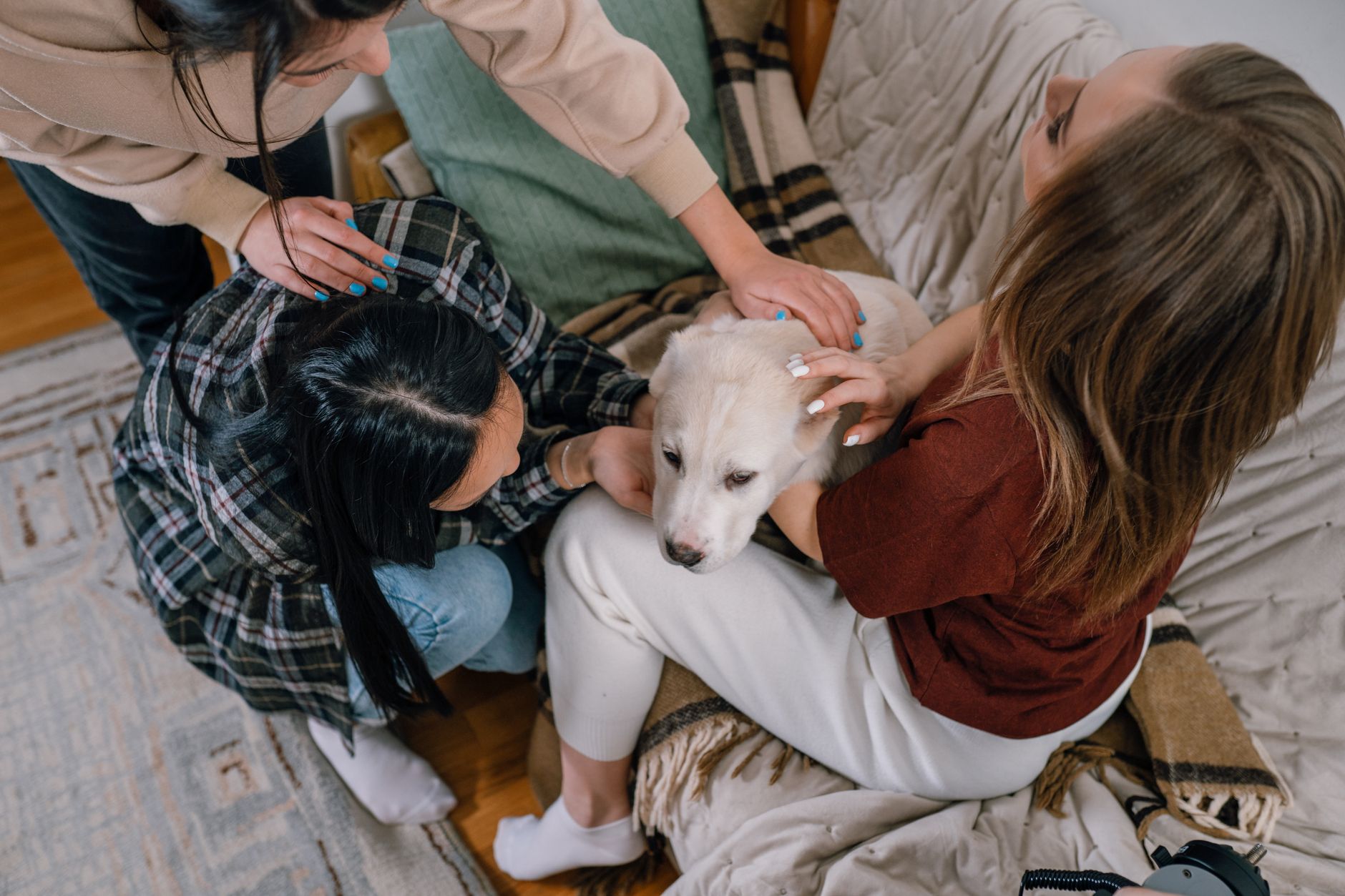
Not all dogs tilt their heads in the same way, or with the same frequency. This variation is heavily influenced by the shape of their ears and the physical length of their skull.
In my clinical experience, dogs with erect, open ears behave differently than those with heavy, pendulous ears.
For instance, German Shepherds and French Bulldogs have upright ears that act like natural satellite dishes. They may need fewer physical adjustments to hear well, though they still tilt to align their vision.
Conversely, breeds with long, floppy ears face unique acoustic barriers that make tilting even more necessary to clear the canal.
- Dolichocephalic Breeds: Long-nosed dogs like Greyhounds and Collies tilt frequently to clear their visual field.
- Brachycephalic Breeds: Flat-faced dogs like Pugs and Bulldogs tilt less often for vision, but may tilt to lift heavy ear canals.
- Erect-Eared Breeds: Naturally capture sound efficiently but tilt to pinpoint exact coordinates.
- Floppy-Eared Breeds: Tilt to physically shift the heavy ear leather away from the opening of the ear canal
The Floppy Ear Challenge
Dogs like Basset Hounds and Cocker Spaniels have heavy ear flaps that block the external ear canal. For these breeds, a head tilt is often a physical effort to lift the heavy tissue.
This movement allows sound waves to enter the canal directly without being muffled by the ear leather, improving their hearing instantly.

When the Tilt is Pathology: Recognizing Medical Red Flags
While a responsive head tilt during conversation is perfectly normal, a persistent, involuntary tilt is a medical emergency. In my clinic, a dog that holds its head tilted to one side constantly is immediately flagged for a thorough neurological and otic exam.
This is a classic sign of vestibular dysfunction, localized pain, or a severe infection.
If your dog’s head remains tilted even when they are sleeping, eating, or walking, it is not a cute trick. It is a clear sign that their balance system has been compromised.
You must monitor them closely for other concurrent clinical signs and seek immediate professional help.
- Vestibular Disease: Often called ‘old dog vestibular syndrome’, affecting the inner ear and balance.
- Otitis Externa: Severe outer ear infections causing intense pain, inflammation, and head shaking.
- Otitis Media or Interna: Deep middle or inner ear infections that disrupt the vestibular nerve.
- Ear Mite Infestation: Parasites causing extreme itching, discharge, and secondary trauma from scratching.
- Foreign Bodies: Grass awns (foxtails) or debris lodged deep inside the horizontal ear canal
Understanding the Vestibular System
The vestibular system controls balance and spatial orientation, acting like a built-in carpenter’s level inside the head. When an infection, tumor, or toxin disrupts this delicate system, the brain receives incorrect signals about which way is up.
The dog tilts their head to compensate for the sudden, terrifying sensation of spinning.
Behavioral vs. Medical: How to Spot the Difference
It is crucial for pet owners to know how to distinguish a healthy, communicative head tilt from a pathological one. I always tell my clients to look for the trigger of the behavior.
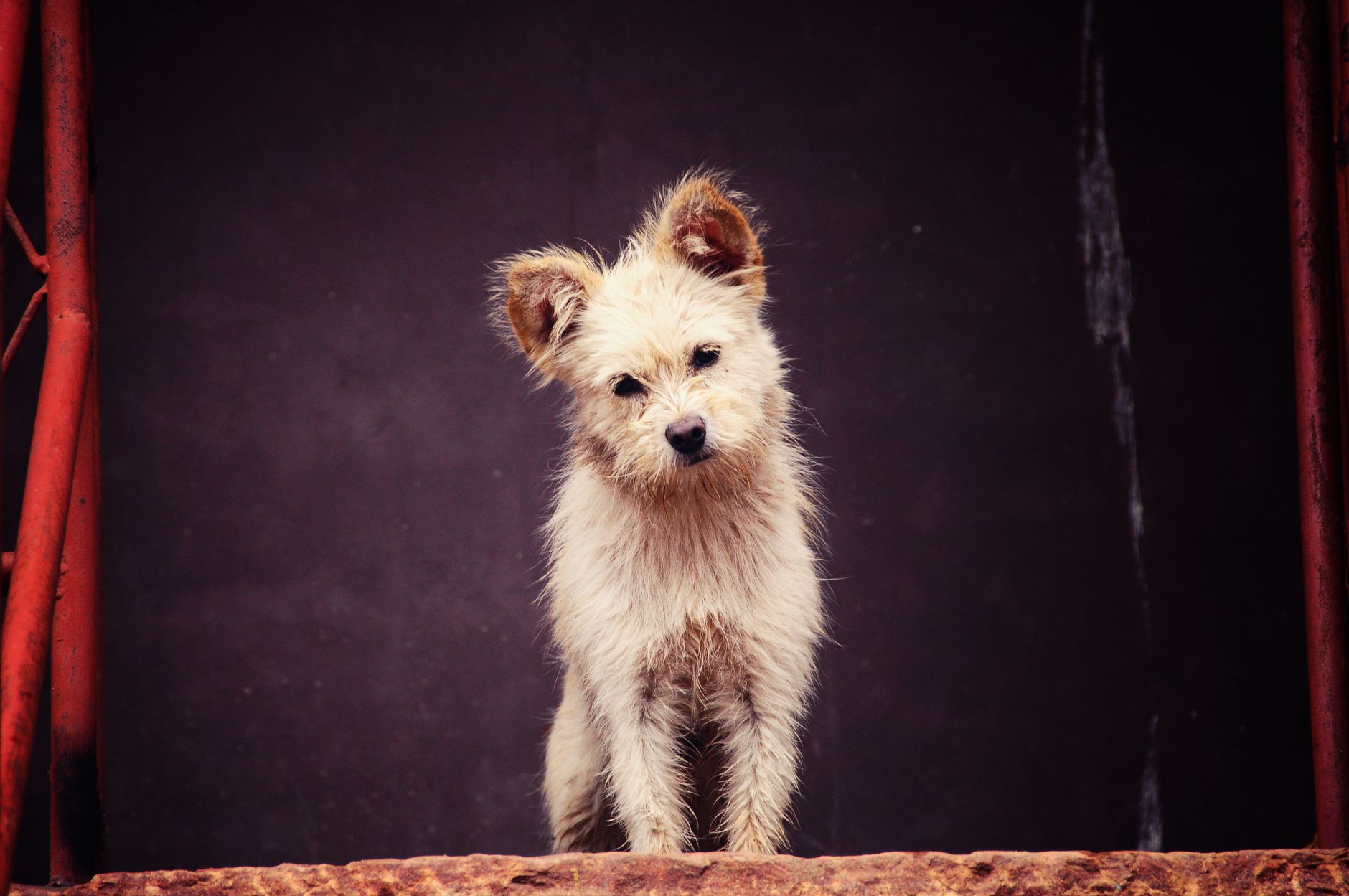
A healthy tilt is dynamic, fleeting, and highly responsive to your voice or a novel sound in the environment.
If the tilt occurs spontaneously, remains static, or is accompanied by balance issues, it is time to schedule a veterinary visit. Paying close attention to these differences can save your dog from prolonged discomfort or serious neurological complications.
Let us look at the distinct differences between these two scenarios.
Healthy Tilt Characteristics
A normal tilt only happens when there is a sound or visual stimulus. It is brief, lasting only a few seconds, and the dog easily returns their head to a normal, level position once the interest fades.
They show no signs of pain, dizziness, or disorientation.
- Triggered by sounds or facial expressions
- Temporary and highly dynamic
- Accompanied by an alert, happy expression
- No loss of balance or coordination
Pathological Tilt Characteristics
An abnormal tilt is constant and present even in the absence of any auditory stimulation. The dog’s head remains tilted at a fixed angle, and they may struggle to walk in a straight line.
You will often notice other neurological or physical signs of illness.
- Constant, unchanging angle
- Loss of balance, leaning, or falling to one side
- Abnormal eye movements (nystagmus)
- Frequent head shaking or pawing at the affected ear
Clinical Diagnostics: What to Expect at the Clinic
If you bring your dog to my clinic for an abnormal head tilt, we will perform a systematic diagnostic workup. I begin with a detailed physical exam, paying close attention to the cranial nerves and gait.
Then, we dive deep into the ears using specialized veterinary equipment.
It is vital to identify the exact root cause of the tilt before starting any treatment. Treating a middle ear infection requires a vastly different approach than treating vestibular disease or a foreign object.
Here is how we get to the bottom of the mystery.
- Otoscopy: Inspecting the vertical and horizontal ear canals to check the tympanic membrane (eardrum).
- Ear Cytology: Swabbing the ear to look for yeast, bacteria, or mites under the microscope.
- Neurological Exam: Assessing reflexes, cranial nerves, and conscious proprioception.
- Imaging Studies: Utilizing skull X-rays, CT scans, or MRIs for deep middle/inner ear evaluations
Related Dog Guides
Frequently Asked Questions
Can a dog lose their ability to tilt their head?
Why doesn’t my flat-faced dog tilt their head as much?
Does a head tilt always mean an ear infection?
What should I do if my dog starts tilting their head and stumbling?
Do deaf dogs still tilt their heads?
Sources & Further Reading
Final Thoughts
Understanding why dogs tilt their heads allows us to appreciate the incredible depth of their communication style. Whether they are adjusting their ears to catch the frequency of your voice, moving their muzzle to see your smile, or reacting to positive reinforcement, it highlights the rich emotional bond we share with them.
However, as pet parents, we must always remain vigilant. If that charming tilt becomes a constant, fixed posture accompanied by balance issues, do not hesitate to contact your veterinarian.
By staying observant, you can ensure your canine companion remains happy, healthy, and listening to your every word.