
Resource Guarding in Dogs: How to Manage Food and Toy Aggression
 Dogs: How to Manage Food and Toy Aggression” loading=”lazy”>
Quick Summary
Resource guarding is a deeply ingrained canine survival instinct characterized by defensive behaviors to retain control of valued items like food or toys. Successful resolution requires a combination of strict environmental management, veterinary evaluation for underlying pain, and positive reinforcement training such as the ‘trading up’ protocol. Punishing a dog for guarding behavior is highly dangerous and frequently escalates the aggression.
As an Amazon Associate, we earn from qualifying purchases.
Popular with dog owners: Puzzle Toys · Treat Pouch · Calming Chews
In my years treating dogs with complex behavioral challenges, few issues cause as much distress for families as resource guarding. It is heartbreaking, stressful, and genuinely alarming when a beloved pet suddenly growls, stiffens, or snaps over a food bowl, a dirty sock, or a favorite squeaky toy.
What I see most often in my clinical practice is that owners mistake this deeply rooted instinct for a bid for dominance or spite. In reality, it is driven by fear, insecurity, and an overwhelming anxiety about losing something valuable to them.
Let’s demystify this behavior together so you can regain control of your household safely. I want to share the exact clinical strategies, behavioral science, and management protocols I recommend to my clients every single day.
Key Takeaways
- Resource guarding is a normal canine survival behavior, not a quest for dominance.
- Never punish a guarding dog, as this teaches them to skip warning signs like growling and bite directly.
- Environmental management is your first line of defense to keep everyone safe and reduce daily stress.
- The ‘trade up’ method teaches your dog that human approach predicts a better reward, not a loss.
- Sudden onset guarding can be triggered by underlying medical issues like dental pain or osteoarthritis.
- Consult a board-certified veterinary behaviorist (DACVB) for severe cases involving physical aggression.
In This Article
Understanding the Evolutionary Roots of Guarding
To effectively address food and toy aggression, we must first understand where it comes from. In the wild, a canine that easily surrendered its meals, shelter, or mate simply did not survive.
Resource guarding in dogs is a hardwired survival mechanism, not a personal insult to your leadership.
In my practice, I see this behavior manifest across every single breed, size, and age group. It is not limited to ‘working’ or ‘guarding’ breeds.
I have treated tiny, four-pound Chihuahuas who guarded discarded tissues with the same intensity as a hundred-pound Rottweiler guarding a raw marrow bone.
When a dog guards, they are experiencing a sudden, intense spike in cortisol and adrenaline. They are in a state of fight-or-flight, fully convinced that their precious asset is about to be stolen.
Understanding that this is an emotional reaction, not a cognitive decision, is the first step toward successful resolution.
I always remind my clients that resource guarding is actually a highly communicative behavior. Your dog is trying to tell you how they feel using the limited canine vocabulary they have.
Our goal is not to silence them, but to change their underlying emotional state so they no longer feel the need to speak up so defensively.
Outward Hound Nina Ottosson Dog Brick Puzzle Toy
- ✓Sliding blocks and lift-out bones hide treats
- ✓Intermediate difficulty level
- ✓Made with food-safe materials
- Burns mental energy in clever, easily bored dogs
- Turns treats into a 10-minute brain game

Recognizing the Subtle Warning Signs Before the Growl
Many clients come to my clinic claiming their dog ‘bit out of nowhere’ or ‘snapped without warning.’ However, dogs almost always give subtle, escalating physical warnings long before they resort to growling, snapping, or biting.
Learning to read these early shifts in body language is your most powerful tool in preventing injury. It allows you to intervene by giving your dog space before their anxiety reaches a critical boiling point.
These warning signs are often incredibly quiet, requiring a keen eye to spot during daily interactions. If you notice any of the following behaviors, your dog is actively telling you that they feel uncomfortable with your proximity.
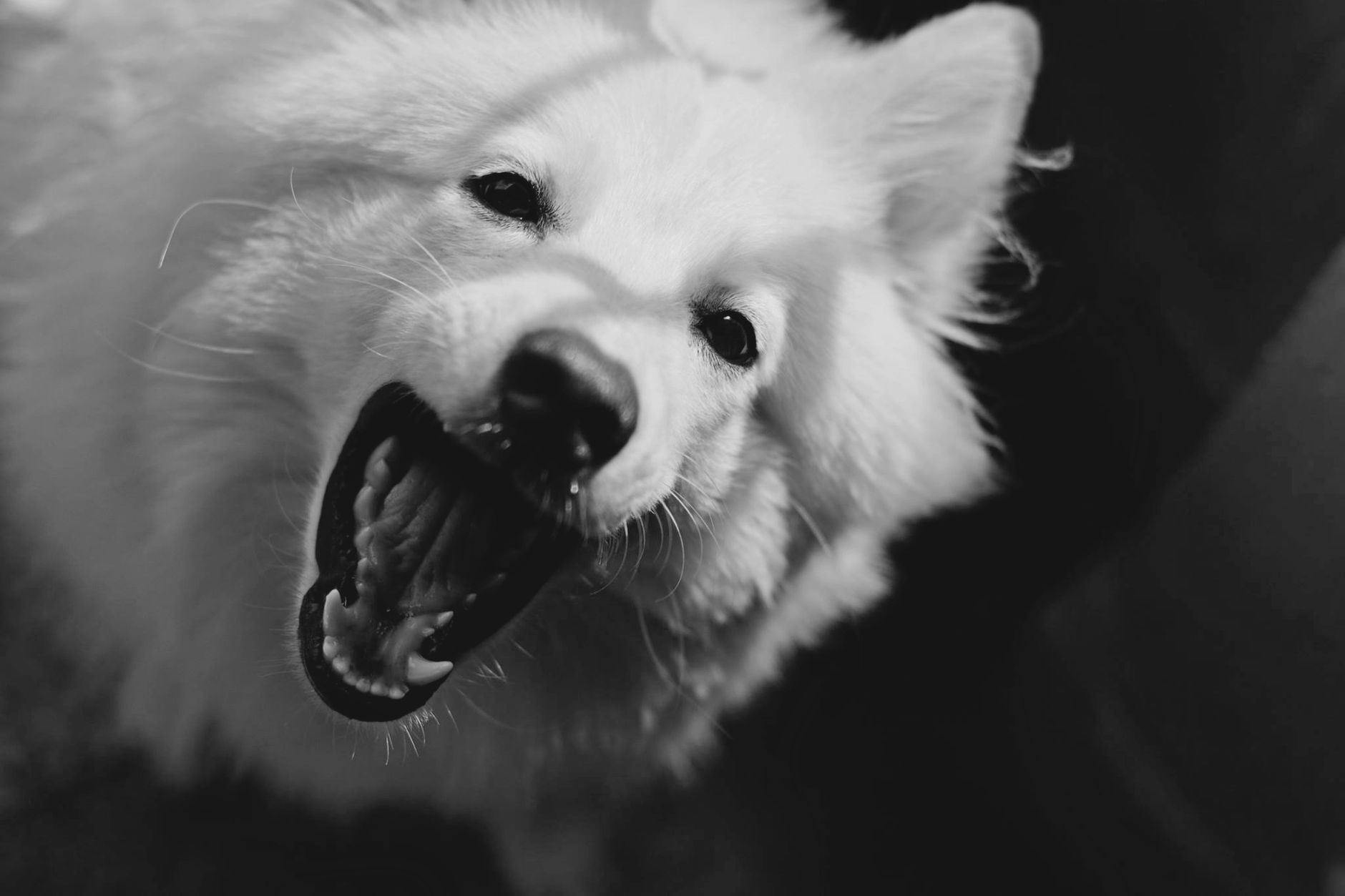
In my clinic, I teach owners to look for the ‘freeze’ above all else. A dog who suddenly stops chewing and becomes as stiff as a statue when you walk by is giving you a massive warning.
Do not ignore this silence, as it is often the direct precursor to physical aggression.
- Whale eye: showing the whites of their eyes while staring at you or staring at the item
- Body freezing: suddenly becoming completely rigid or tense over an item
- Rapid eating: swallowing food or treats at a frantic pace as you approach
- Hovering: placing their chin, muzzle, or entire body directly over the object
- Low, quiet growling or lip curling when anyone moves toward them
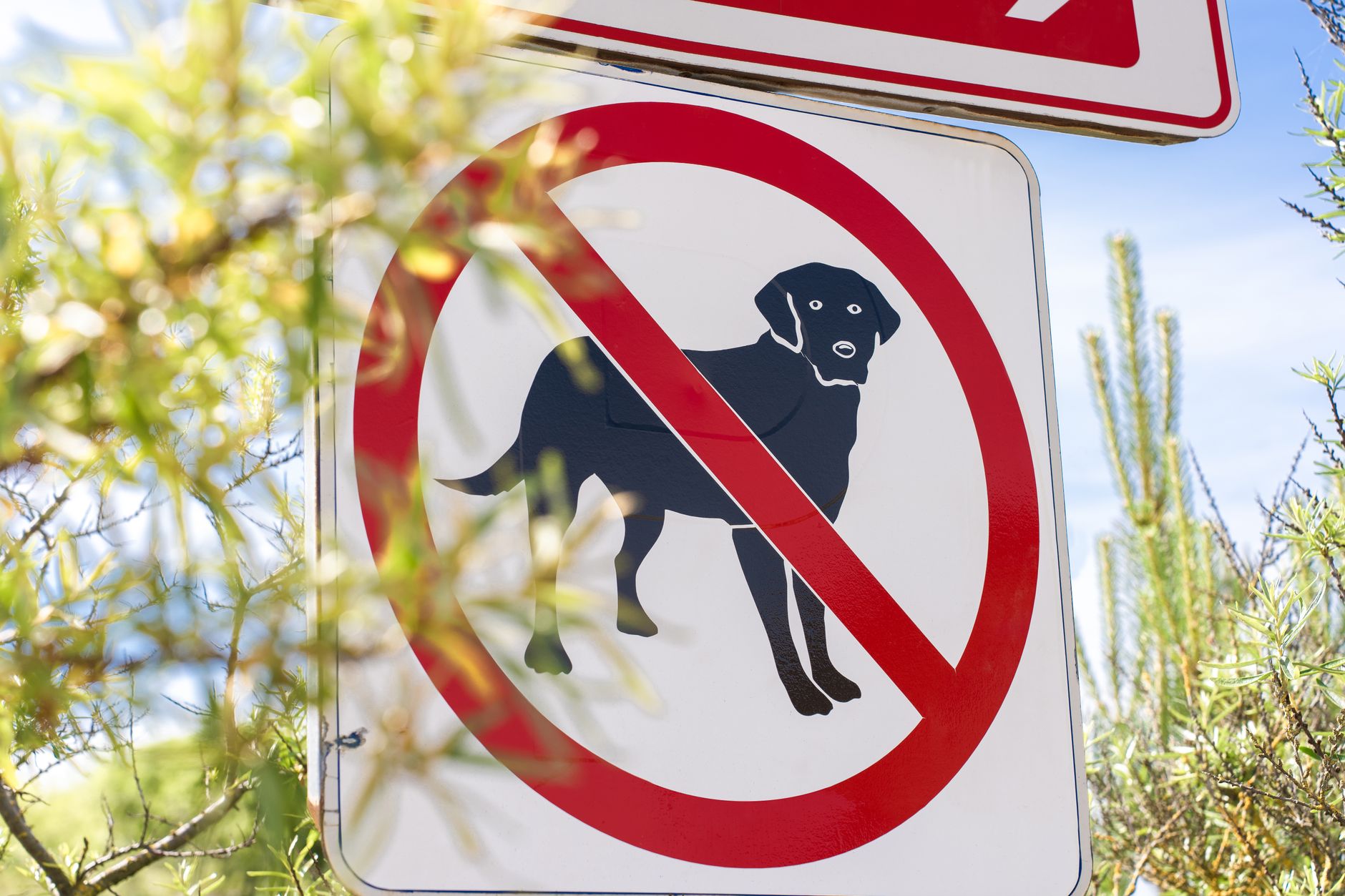
Why Punishment Backfires Spectacularly
When a dog growls, our human instinct is often to correct them immediately. Owners frequently tell me they yell at their dogs, roll them on their backs, or forcibly rip the item out of their mouth to ‘prove who is boss.’ I always tell my clients that this is the single most dangerous mistake they can make.
If you punish a dog for growling, you do not cure the underlying anxiety that caused the guard in the first place. You merely suppress the warning signal.
The next time they feel threatened, they may skip the growl entirely and proceed directly to a bite.
Furthermore, physical confrontation confirms your dog’s worst fear. You are proving to them that humans are indeed unpredictable resource thieves who cannot be trusted around high-value items, setting back your progress immensely.
I have seen many dogs develop severe, unpredictable aggression because their owners tried to ‘alpha roll’ them. True leadership in veterinary behavior is about providing predictability, clear communication, and safety, not physical intimidation.
Implementing the ‘Trading Up’ Protocol
The golden standard for treating food and toy aggression is classical conditioning and systematic desensitization. We want to completely change your dog’s emotional response from ‘Oh no, they are going to take my toy’ to ‘Hooray, they are approaching, which means I get something even better!’
heouvo Magnetic Silicone Treat Pouch with Clicker
- ✓Magnetic closure opens and shuts one-handed
- ✓Food-grade, BPA-free silicone
- ✓Training clicker included
- A clip-on treat pouch keeps rewards at hand so you can mark good behaviour instantly
This is where we utilize the ‘trading up’ protocol. You should never simply grab an item away from your dog’s mouth.
Instead, you present a higher-value reward in exchange for the item they currently hold, making the transaction mutually beneficial.
Here is the step-by-step process I walk my clients through during our behavioral consultations to ensure safety and build lasting positive associations.
Remember to go at your dog’s individual pace during this training. If they stiffen at any point, you have moved too fast and need to take a step back to a distance where they are completely comfortable.
- Step 1: Identify your dog’s hierarchy of treats. If they guard standard kibble, have boiled chicken or freeze-dried liver ready as your high-value trade.
- Step 2: Approach your dog but stop well outside their ‘reaction zone’ where they remain relaxed.
- Step 3: Toss the high-value treat toward them, then immediately take a step back.
- Step 4: Repeat this over several days, gradually stepping closer only if the dog shows happy, loose body language.
- Step 5: Once close enough, offer the high-value treat directly, gently take the guarded item, reward them, and immediately give the guarded item back.

Environmental Management: Keeping the Peace
While you are working on active training protocols, you must manage the environment to prevent the behavior from being practiced. Every single time your dog successfully guards an item, the neural pathways for that behavior are strengthened, making it harder to break the habit.
Management is not giving up, nor is it letting your dog ‘win.’ It is a compassionate, clinical way to reduce your dog’s daily stress levels and keep everyone in your household safe.
By setting up your home to prevent conflicts, you remove the opportunity for your dog to feel defensive. Here are the practical environmental adjustments I recommend implementing immediately in households with guarding dogs.
I also advise keeping a written log of what items trigger your dog the most. For some, it is raw hides; for others, it might be tennis balls or even plastic bottles.
Knowing their triggers allows you to control access to these items perfectly.
- Feed your dog in a separate room, behind a sturdy baby gate, or inside their crate.
- Remove all high-value items like marrow bones, bully sticks, or puzzle toys when multiple pets or children are active.
- Establish a strict ‘no-go’ zone around the dog’s feeding area for children and other animals.
- Implement a solid ‘drop it’ and ‘leave it’ training program using positive reinforcement outside of guarding contexts.
- Use baby gates to prevent your dog from cornering themselves with stolen items like socks or trash.
Using Gates
Baby gates and crates are excellent tools for separating multi-dog households during feeding time. They allow each pet to eat in complete peace without feeling threatened by the presence of others.
High-Value Toy Rotation
Do not leave high-value items lying around the house permanently. Put them away when play sessions end so your dog cannot sit and guard them all day.

The Crucial Medical Screening
Before starting any behavioral training plan, I insist on a thorough physical examination at my clinic. Pain is a massive, highly overlooked driver of sudden-onset resource guarding.
If a dog has an aching joint, a throbbing tooth, or systemic inflammation, their tolerance for stress drops significantly. They may guard their bed, space, or toys simply because they feel physically vulnerable and want to keep people away to avoid pain.
In my clinical experience, treating an underlying medical issue can dramatically reduce or even entirely eliminate guarding behaviors. Here are the common medical conditions I screen for when a client presents a dog with resource guarding.
Never assume a behavior change is purely psychological. A senior dog who suddenly starts guarding their favorite sleeping spot is almost always suffering from undiagnosed arthritic pain that needs medical management.
- Osteoarthritis and spinal pain, making them defensive about being touched or approached
- Dental disease or fractured teeth, which can cause intense pain when chewing on toys
- Hypothyroidism, which is clinically linked to increased irritability and aggression
- Sensory decline, such as progressive vision or hearing loss, causing the dog to startle easily

When to Seek Professional Behavior Help
Not all cases of resource guarding can or should be handled at home by the owner. If your dog has already bitten a human or another pet, or if the guarding behavior escalates quickly to snapping, you need professional veterinary behavior help.
As a veterinarian, I know my limits, and I am always quick to refer clients to certified experts when safety is compromised. Attempting to fix severe aggression without professional guidance can lead to serious injury for you or your pet.
Look for professionals with respected, science-based credentials to ensure you are getting safe, force-free help. Here are the designations I recommend my clients look for when selecting a behavioral specialist.
Please avoid any trainer who claims they can ‘cure’ guarding in a weekend session or who uses aversives like shock collars. These outdated methods may temporarily suppress the behavior but will ultimately make your dog far more dangerous.
- Board-Certified Veterinary Behaviorists (DACVB), who are veterinarians with advanced residency training in behavior.
- Certified Applied Animal Behaviorists (CAAB or ACAAB).
- Certified Professional Dog Trainers (CPDT-KA or CPDT-KSA) who use force-free, positive reinforcement methods.
- Avoid trainers who use shock collars, prong collars, or physical dominance, as these will worsen guarding behavior.
-
Purina Pro Plan Calming Care Dog SupplementCalming chews help take the edge off stressful moments like storms, fireworks and car rides
-
Purina Pro Plan Sensitive Skin & Stomach Dog Food, SalmonA complete, balanced diet matched to your dog’s size and age is the foundation of a healthy coat, gut and energy level
-
EHEYCIGA Foam Dog Stairs for Bed, 18 inPet stairs save small, senior and long-backed dogs from jumping on and off beds and sofas
Related Dog Guides
Frequently Asked Questions
Can a puppy grow out of resource guarding?
No, puppies do not simply grow out of resource guarding. In fact, without proper intervention and positive associations, the behavior typically worsens as the dog matures and gains confidence. Early intervention during puppyhood is the easiest time to resolve it.
Is resource guarding a sign of dominance?
Absolutely not. Resource guarding is rooted in fear, insecurity, and the anxiety of losing a prized possession. Attempting to assert ‘dominance’ over your dog will only increase their fear and elevate the risk of a serious bite.
Should I hand-feed my dog to prevent food aggression?
I do not recommend hand-feeding as a cure. While it may seem helpful, it often forces a conflicted dog to approach you for food when they are actually uncomfortable. It is far safer and more effective to let them eat in peace in a secure area.
Can resource guarding occur between two dogs in the same house?
Yes, sibling or multi-dog resource guarding is very common. The best management strategy is to feed them in entirely separate rooms and avoid leaving high-value items, like bones or favorite toys, loose on the floor where they can fight over them.
How long does it take to resolve resource guarding?
There is no set timeline, as it depends on the severity of the behavior and how consistently you manage the environment. With dedicated, force-free training, you can see significant improvement within a few weeks, but management must remain a lifelong habit.
What should I do if my dog steals a dangerous item like chocolate?
If your dog guards a toxic item, do not chase them or try to pry their mouth open. Instead, run to the kitchen, loudly open a can of wet food or rattle a bag of high-value treats, and toss them far away from the dangerous item to lure them away safely.
Sources & Further Reading
- ASPCA
- Merck Veterinary Manual
- American Veterinary Medical Association (AVMA)
- Cornell University College of Veterinary Medicine
Final Thoughts
Managing resource guarding can feel like an emotional rollercoaster, but please remember you are not alone, and your dog is not trying to be bad. They are simply acting on an ancient instinct to protect what they love.
By implementing strict environmental management and using positive ‘trading up’ protocols, you can rebuild trust and safety in your home.
Be patient, stay consistent, and never hesitate to reach out to your veterinary team or a qualified behaviorist. Together, we can help your dog feel secure, happy, and safe.
Your commitment to their emotional well-being will strengthen your bond in ways you never thought possible.