
Quick Summary
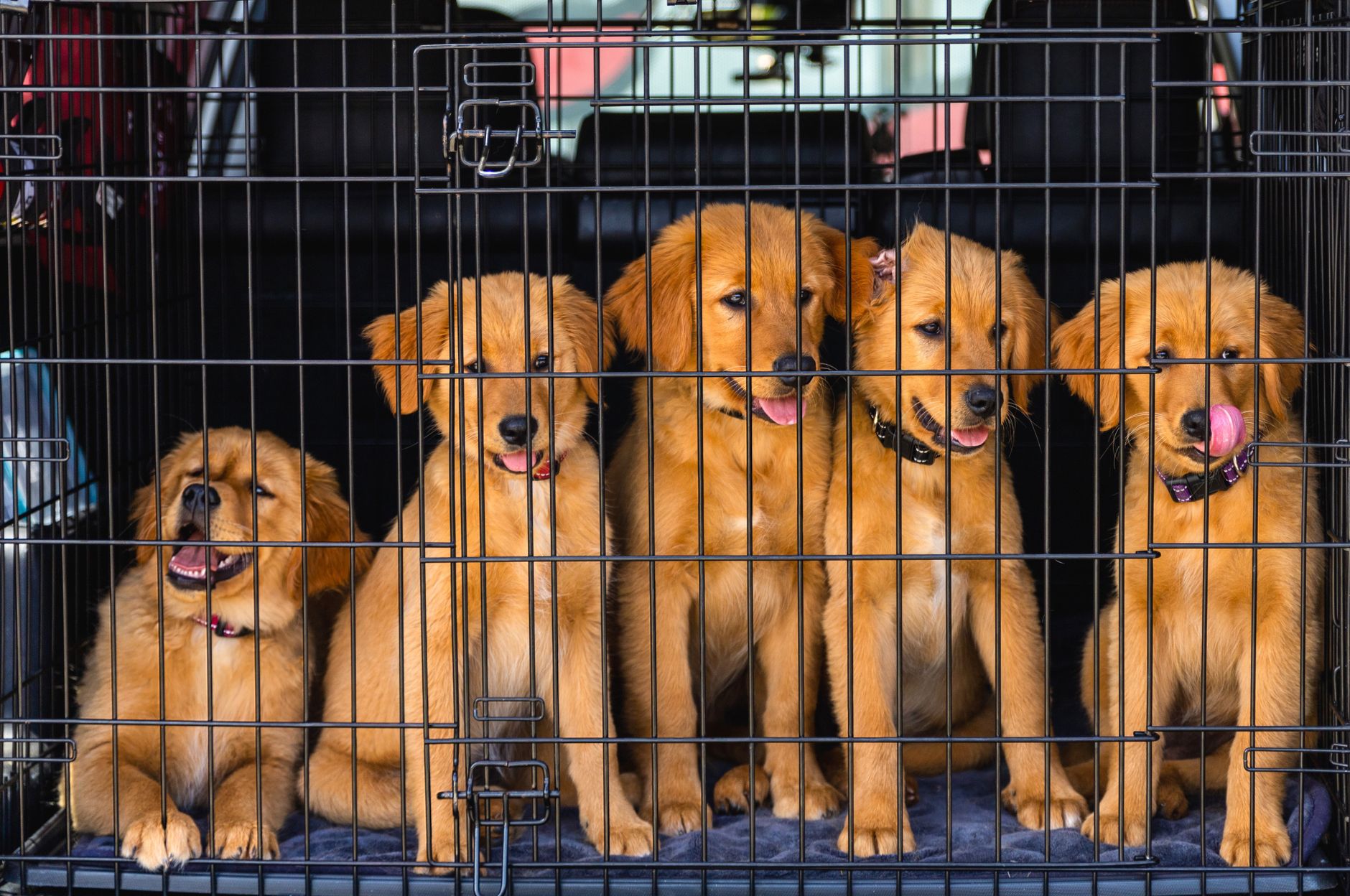
Crate training a puppy in seven days is achievable by leveraging their natural denning instincts through structured, positive reinforcement. As a veterinarian, I recommend a gradual, step-by-step approach that prioritizes comfort, safety, and bladder limitations. This clinical guide outlines a day-by-day protocol to transform the crate into a secure sanctuary for your young dog.
As an Amazon Associate, we earn from qualifying purchases.
Popular with dog owners: Dog Food · Dog Crate · Calming Chews
In my clinical practice, I see many exhausted puppy owners. They often come to my clinic at their wits’ end due to sleepless nights and soiled carpets.
Crate training is not about confinement, punishment, or lazy pet ownership. When done correctly, it provides a safe, den-like sanctuary that taps directly into your puppy’s natural canine instincts.
Over my years treating young dogs, I have refined a reliable seven-day protocol that works. This step-by-step veterinary guide will help you build a peaceful, secure routine for your new companion.
Key Takeaways
- Select a crate that matches your puppy’s current size to prevent accidents.
- Never use the crate as a form of punishment or time-out.
- Build a positive association using high-value treats and daily meals.
- Increase crate duration slowly to prevent severe separation anxiety.
- Keep the crate in your bedroom initially to reduce nighttime panic.
- Remove all collars and tags before crating to eliminate strangulation risks.
- Address whining by waiting for calm moments before releasing the puppy.
In This Article
- The Setup and Science of the Den (Day 0 Preparation)
- Day 1: Creating a Positive Association
- Day 2: Mealtime and the First Closed Door
- Day 3 & 4: Extending Crate Duration Gradually
- Day 5: Leaving the Room and Short Departures
- Day 6 & 7: Nighttime Crating and Longer Absences
- Troubleshooting and Veterinary Safety Warnings
The Setup and Science of the Den (Day 0 Preparation)
Before you begin training, you must gather the right tools and establish a proper clinical mindset. In the wild, canines naturally seek out small, dark, enclosed spaces to protect themselves from predators and rest peacefully.
Selecting the correct crate size is the single most critical factor for successful potty training. If the crate is too large, your puppy will sleep comfortably in one corner and use the other corner as a bathroom.
Choose a model that allows your puppy to stand up, turn around, and lie down comfortably, but nothing more. Many metal wire crates come with adjustable divider panels, which let you expand the space as your puppy grows.
Purina Pro Plan Sensitive Skin & Stomach Dog Food, Salmon
- ✓Real salmon is the first ingredient
- ✓Oatmeal is gentle on sensitive stomachs
- ✓Live probiotics for digestive and immune health
- A complete, balanced diet matched to your dog’s size and age is the foundation of a healthy coat, gut and energy level
- Wire crates: These offer excellent ventilation and can be covered with a blanket for added privacy.
- Plastic crates: Naturally dark and cozy, these are ideal for puppies that scare easily.
- Crate dividers: Crucial for larger breeds to keep the sleeping space appropriately small.
- Safe bedding: Avoid plush beds initially if your puppy is prone to chewing and swallowing fabric.

Day 1: Creating a Positive Association
Today is entirely about building a warm, positive association with the crate. We want your puppy to view this new structure as a wonderful, rewarding place where great things happen.
Start by leaving the crate door securely propped open so it cannot swing shut and startle them. Drop high-value treats, such as freeze-dried liver or small pieces of plain chicken, right near the entrance.
Slowly toss treats further inside the crate as your puppy grows more comfortable. Never force, push, or shove your puppy inside, as physical coercion will trigger immediate defensive anxiety.
- Keep the door propped open using a clip or heavy object so it stays perfectly still.
- Toss highly enticing, smelly treats toward the back of the crate to encourage exploration.
- Praise your puppy in a calm, soothing voice whenever they step inside willingly.
- Feed them their regular dry kibble near or just inside the open door.

Day 2: Mealtime and the First Closed Door
Now that your puppy is willingly stepping inside to grab treats, we will introduce regular meals. Food is a powerful biological reinforcer that creates strong positive neural pathways in a puppy’s developing brain.
Place your puppy’s food bowl at the very back of the crate to encourage full entry. While they are actively eating their kibble, gently close the crate door without latching it.
Open the door the very second they finish eating their food. We want them to realize that a closed door is temporary and always leads to a positive outcome.
- Place the food bowl deep inside so their entire body must enter the crate.
- Close the door quietly without making loud clanging noises with the metal latch.
- Gradually latch the door and leave it closed for one minute after they finish eating.
- If they begin to whine, wait for a brief moment of silence before opening the door.
Amazon Basics Foldable Metal Dog Crate, 30-Inch
- ✓Fits dogs like Beagles, Dachshunds and Shih Tzus
- ✓Divider panel and removable tray
- ✓Folds flat with a carry handle
- Gives your dog a safe den of their own and makes house training and travel far easier

Day 3 & 4: Extending Crate Duration Gradually
On these days, we focus on increasing the duration of confinement while you remain nearby in the room. This gradual step is vital for preventing severe separation anxiety from developing later in life.
Give your puppy a long-lasting chew toy, such as a sturdy rubber toy stuffed with frozen, pet-safe peanut butter. Sit quietly near the crate while they happily work on their treat.
Slowly stand up, walk to the other side of the room, and then return before they finish. This teaches them that your movement and brief distance are completely normal and safe.
The Power of Frozen Interactive Toys
Frozen treats take longer to consume and keep the puppy’s brain highly occupied. This constructive mental stimulation triggers natural endorphins, which help soothe and calm their nervous system.
- Use plain, xylitol-free peanut butter to avoid life-threatening toxicities.
- Mix wet dog food with kibble and freeze it inside a durable rubber toy.
- Freeze low-sodium bone broth with a few carrot pieces for a low-calorie distraction.

Day 5: Leaving the Room and Short Departures
Today, we transition to leaving your puppy completely alone in a room. This phase can be nerve-wracking for owners, but it is a critical milestone for building canine independence.
Ask your puppy to enter the crate, hand them their favorite durable chew toy, and close the door securely. Walk out of the room quietly without making a big fuss or dramatic exit.
Stay out of sight for exactly five minutes, then return and let them out only when they are calm. If you hear moderate whining, resist the urge to rush back in, as this rewards vocal protest.
- Practice departures immediately after a vigorous play session when the puppy is naturally tired.
- Avoid emotional, high-energy goodbyes or excited hellos when entering or leaving the room.
- Use a baby monitor or home camera to observe their stress levels silently.
- If they panic immediately, scale back the departure time to just one or two minutes.

Day 6 & 7: Nighttime Crating and Longer Absences
By day six, your puppy should be fully prepared for overnight crating and slightly longer daytime stretches. I highly recommend keeping the crate in your bedroom during the first few weeks.
Young puppies feel significantly safer when they can smell, hear, and sense your physical presence nearby. This proximity drastically reduces nighttime crying, panic attacks, and early morning wake-ups.
Establish a strict, predictable pre-bedtime routine to set your puppy up for success. Ensure they have had ample physical exercise, quiet mental stimulation, and a final, successful outdoor bathroom trip.
- Set a silent alarm for nighttime potty breaks so you wake them, rather than vice versa.
- Keep middle-of-the-night potty trips strictly boring, quiet, and business-only.
- Do not play, speak loudly, or turn on bright overhead lights during night breaks.
- Return them immediately to the crate with a tiny reward after they eliminate.

Troubleshooting and Veterinary Safety Warnings
Even with a perfect plan, minor behavioral regressions can happen during the training process. However, as a veterinary professional, my primary concern is always physical safety.
Never leave any collars, harnesses, or hanging tags on your puppy while they are inside the crate. These items can easily snag on the metal wire bars, presenting a severe and immediate strangulation risk.
If your puppy is panting heavily, drooling excessively, or biting frantically at the metal bars, they are experiencing true panic. In these severe cases, pause the training protocol and consult your veterinarian immediately.
- Remove all neckwear, including safety collars, before placing your puppy in the crate.
- Ensure the room temperature is comfortable, as young puppies cannot regulate body heat well.
- Do not place absorbent pee pads inside the crate, as this encourages them to eliminate indoors.
- Schedule a veterinary visit to rule out urinary tract infections if accidents occur frequently.
-
Purina Pro Plan Calming Care Dog SupplementCalming chews help take the edge off stressful moments like storms, fireworks and car rides
-
LickiMat Classic Buddy Lick MatLicking is naturally calming during baths, grooming and storms
-
Nature’s Miracle Dog Stain & Odor RemoverEnzyme cleaners break down urine and odour completely, which stops pets re-marking the same spot
Related Dog Guides
Frequently Asked Questions
How long can a puppy safely stay in a crate during the day?
A general clinical rule of thumb is that a puppy can hold their bladder for their age in months plus one hour. For example, a three-month-old puppy should not be crated for longer than four hours during the day. Exceeding this limit can cause severe psychological distress and lead to inevitable bladder accidents.
What should I do if my puppy whines constantly in the crate?
First, ensure your puppy has recently eliminated and is not in physical pain. If their basic needs are met, ignore the whining completely to avoid reinforcing the behavior. Wait for at least ten seconds of quiet before opening the crate door to reward calm behavior.
Should I put a water bowl inside the puppy’s crate?
Generally, I do not recommend placing a full water bowl inside the crate, as puppies often spill it, leading to a wet, uncomfortable bed. Instead, ensure they are well-hydrated throughout the day and offer water right before and after crating. If crated for longer periods, use a secure, drip-free crate water bottle.
What if my puppy soils their crate bedding?
If this occurs, immediately clean the entire crate with an enzymatic cleaner to destroy biological odors. Re-evaluate the crate size, as it may be too large, allowing them to use one side as a toilet. Also, adjust your potty schedule to ensure they are getting outside frequently enough.
Is it helpful to cover the puppy’s crate with a blanket?
Yes, covering a wire crate with a light, breathable blanket can create a dark, cozy environment that mimics a natural den. This visual barrier helps reduce environmental stimulation, allowing highly active puppies to settle down and sleep. Ensure there is still adequate ventilation on at least one side of the crate.
Sources & Further Reading
Final Thoughts
Crate training is one of the greatest gifts you can give to your growing puppy. It provides them with a lifelong safe space and gives you invaluable peace of mind when you must leave them home alone.
Remember that consistency, patience, and positive reinforcement are the absolute pillars of this clinical protocol. Do not rush the steps, and always listen to what your puppy’s behavior is telling you.
With a structured seven-day plan, you are setting up a foundation of safety, good manners, and emotional health. If you encounter persistent roadblocks or signs of severe anxiety, reach out to your local veterinary team for personalized guidance.