
Pug Breed Guide

Quick Summary
The Pug is an incredibly affectionate, charismatic companion breed that thrives on human connection, making them outstanding indoor family pets. However, as a veterinarian, I must emphasize that their unique flat-faced anatomy requires dedicated management of their airways, skin folds, and weight. They are best suited for owners who can provide a climate-controlled home and are prepared for proactive, lifelong veterinary care.
As an Amazon Associate, we earn from qualifying purchases.
Popular with Pug owners: Puzzle Toys · Calming Chews · Treat Pouch
Quick Facts
- origin countryChina
- breed groupToy Group (AKC)
- sizeSmall
- weight range14 – 18 lbs (6.4 – 8.2 kg)
- height range10 – 13 inches
- lifespan12 – 15 years
- coat typeShort, dense double coat
- common colorsFawn, Black
- other namesCarlin, Mops, Lo-sze
- recognized byAKC, UKC, FCI
Caring for a Pug
Living with a Pug means sharing your home with a comical shadow who wants to be involved in every aspect of your day. In my years treating this breed, I cannot overstate that these are strictly indoor dogs; their compromised airways make them highly vulnerable to fatal heatstroke and respiratory distress in warm weather. You must commit to daily face-fold cleaning to prevent painful yeast infections and strictly manage their caloric intake. Despite their low-exercise requirements, they need structured, gentle daily walks to maintain muscle tone and joint health.
Is a Pug a good family pet?
Absolutely. Pugs are famously patient, gentle, and highly affectionate with children, lacking the fragile or high-strung temperament of some other toy breeds. They thrive on family activities but must be supervised around young kids who might accidentally injure their prominent, vulnerable eyes.
Do Pugs shed a lot?
Yes, incredibly so. Despite their short coats, Pugs possess a dense double undercoat that sheds continuously year-round, with heavy seasonal ‘blowouts’ in the spring and fall. I always warn owners that they will need to brush their Pug daily and invest in a high-quality vacuum cleaner.
Is a Pug good for first-time owners?
Yes, their highly affectionate and adaptable nature makes them wonderful for beginners, provided the owner is fully educated on their medical vulnerabilities. First-time owners must be prepared for the financial realities of brachycephalic healthcare and commit to the daily grooming routines required to keep them healthy.
Temperament & Personality
Pugs are renowned for their ‘multum in parvo’ (much in little) essence, displaying a charming, even-tempered, and mischievous personality. I rarely meet a Pug that isn’t eager to please, though they do possess a signature stubborn streak that often surfaces during housebreaking. They are deeply social animals that suffer from severe separation anxiety if left alone for extended periods, as they view themselves as full-fledged members of the family.
Is a Pug good with other pets?
In my practice, I find Pugs to be exceptionally gregarious and peaceful with other household animals, including cats and other dogs. They lack a strong prey drive, making them highly reliable and easy to integrate into multi-pet households.
Outward Hound Nina Ottosson Tower of Treats Puzzle
- ✓Level 4 expert puzzle
- ✓Dogs unlock each layer to find treats
- ✓Mental workout that beats boredom
- Food puzzles turn mealtime into a brain game, burning mental energy in clever, easily bored pets
How much attention does a Pug need?
Pugs are the ultimate ‘velcro’ dogs and require near-constant human companionship. If you work long hours away from home, a Pug is not the breed for you, as isolation easily triggers destructive behaviors, excessive barking, and clinical depression.
Training & Behavior
Training a Pug requires patience, positive reinforcement, and high-value, low-calorie treats because they can be notoriously stubborn. I often see owners struggle with house-training, as Pugs dislike cold or wet weather and will happily seek hidden spots indoors to avoid going outside. Early, gentle socialization and crate training are vital to curb their tendency to become overly anxious when separated from you.
Training Tips
- Use high-value, low-calorie treats like freeze-dried beef liver or zucchini slices to keep them motivated.
- Keep training sessions short, under 5 to 10 minutes, to accommodate their short attention spans.
- Employ consistent crate training early to prevent house-training setbacks and separation anxiety.
- Never use harsh corrections or scolding, as Pugs are highly sensitive and will shut down emotionally.
Fun Activities
- Gentle, indoor nosework and scent games
- Short, low-impact fetch sessions in a temperature-controlled room
- Basic trick training (like ‘shake’, ‘spin’, or ‘speak’)
- Leisurely, sniff-focused walks during the coolest parts of the day
Is a Pug easy to train?
They are highly intelligent but possess an independent, stubborn streak that can make training a test of patience. Success relies entirely on using positive reinforcement; if you make training a fun, reward-filled game rather than a battle of wills, they will pick up commands quickly.
Pug Health Issues
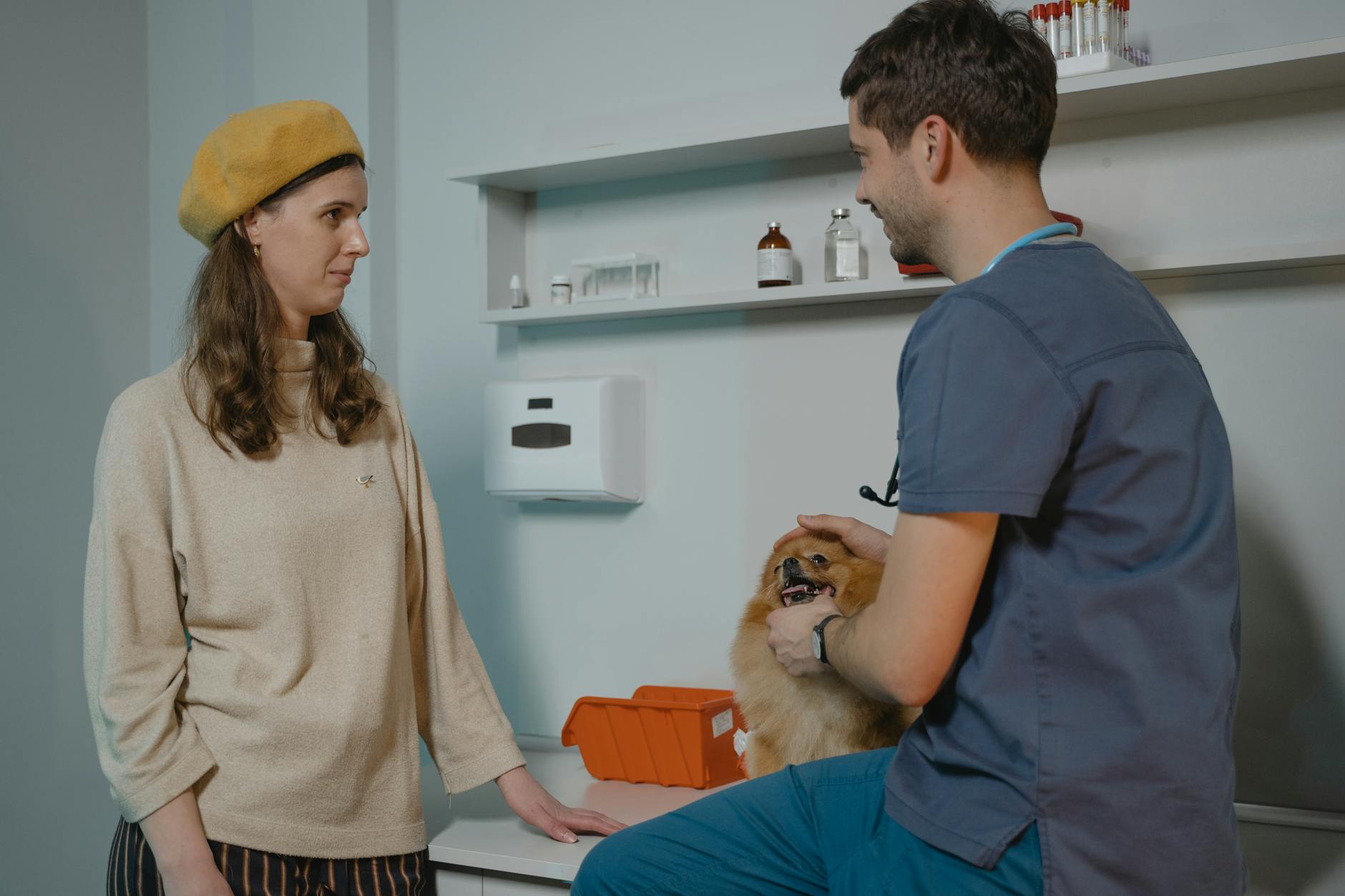
While Pugs are incredibly endearing, they are a structurally compromised brachycephalic breed prone to significant genetic and anatomical issues. In my practice, I find that maintaining a lean body condition, keeping them cool, and choosing a breeder who performs rigorous DNA testing are absolute necessities for this breed.
Brachycephalic Obstructive Airway Syndrome (BOAS)
A combination of anatomical malformations including stenotic nares (narrowed nostrils), an elongated soft palate, and a hypoplastic trachea, which severely restricts airflow and makes breathing highly inefficient.
Pug Dog Encephalitis (PDE) / Necrotizing Meningoencephalitis
An idiopathic, fatal inflammatory disease of the central nervous system that is unique to Pugs, typically striking young dogs between 6 months and 7 years of age.
Corneal Ulcers & Pigmentary Keratitis
Due to their shallow eye sockets (exophthalmos), Pugs’ eyes are highly exposed, leading to dry eyes, constant irritation, and high vulnerability to physical scratches that can cause permanent blindness.
Calming Chews for Dogs with Melatonin, 200 Count
- ✓Soft chews to ease anxiety
- ✓Chicken flavor dogs like
- ✓Useful for storms, fireworks and travel
- Calming chews help take the edge off stressful moments like storms, fireworks and car rides
Skin Fold Dermatitis (Intertrigo)
The deep, heavy wrinkles on a Pug’s face trap moisture, sebum, and debris, creating an ideal breeding ground for painful bacterial and yeast infections.
Patellar Luxation
A genetic condition where the patella (kneecap) frequently slips out of its normal anatomical groove, leading to cartilage damage, pain, and early-onset osteoarthritis.
How long do Pugs typically live?
With diligent veterinary care, a strict weight management plan, and a climate-controlled lifestyle, Pugs typically live between 12 and 15 years. Their lifespan is heavily dependent on preventing obesity, which dramatically exacerbates their respiratory and joint issues.
What to Feed a Pug
Pugs are highly food-motivated and have a genetic propensity for obesity, which dramatically worsens their brachycephalic respiratory issues. As a vet, I cannot stress enough that keeping your Pug lean is the single most important thing you can do to prolong their life—even an extra pound can severely compromise their breathing.
Best Diet
I recommend a high-quality, calorie-controlled kibble formulated specifically for toy or small breeds, ideally containing glucosamine and chondroitin for joint support. Avoid diets high in sodium, and consider grain-inclusive formulas unless a food allergy has been formally diagnosed by your vet.
How to Feed
Pugs must be fed on a strict, measured twice-daily schedule rather than being allowed to free-feed. Because they tend to inhale their food rapidly, which can cause excessive gas and choking, I highly advocate using slow-feed bowls or interactive puzzle toys.
How Much to Feed
Portion sizes typically range from 1/3 to 1/2 cup of high-quality kibble per meal, but this must be calibrated individually based on your dog’s exact metabolic rate and body condition score. I always calculate a precise daily caloric limit (typically 300-400 calories for an inactive adult) for my clients to prevent rapid weight gain.
Nutritional Tips
Do not feed table scraps, as Pugs are prone to pancreatitis and swift weight gain from fatty foods. Use low-calorie alternatives like raw green beans, cucumber slices, or plain unsalted green beans as training rewards instead of commercial dog treats.
Pug Grooming Guide
While they do not require professional breed-specific haircuts, Pugs require a highly structured, daily grooming routine to maintain their skin, eye, and ear health. Neglecting their unique anatomical needs will quickly result in painful, costly veterinary visits.
Coat Care
Brush your Pug at least 3 to 4 times a week using a rubber curry brush or a specialized de-shedding tool to manage the constant shedding. Bathe them once every 4 to 6 weeks using a gentle, soap-free oatmeal shampoo to keep their skin healthy without stripping natural oils.
Skin Care
The facial wrinkles must be cleaned daily using a veterinary-approved antiseptic or chlorhexidine wipe, ensuring you reach the bottom of the fold, followed by thorough drying with a soft cloth.
Eye Care
Wipe their eyes daily with a damp cotton ball to remove discharge, and monitor daily for signs of dryness or corneal scratches.
Ear Care
Clean their ears bi-weekly with a gentle, drying ear cleanser to prevent yeast infections in their narrow, floppy ear canals.
Nail & Dental Care
Trim their nails every 2 to 3 weeks using a grinder or clippers, and brush their teeth daily with dog-safe enzymatic toothpaste to combat the rapid plaque buildup common in brachycephalic mouths.
Considerations for Pet Parents
Pros
- Extremely affectionate, loyal, and loving companion dog
- Highly adaptable to small apartments and urban environments
- Outstanding with children and highly social with other pets
- Low exercise requirements make them easy to manage physically
- Entertaining, comical personality that brings endless joy
Cons
- Prone to severe, life-threatening brachycephalic respiratory issues
- Heavy, constant, year-round shedding of fine undercoat hair
- Extremely high risk of obesity and associated joint complications
- Requires intensive, daily facial fold, eye, and dental hygiene
Best For
Individuals or families living in climate-controlled homes who want a constant, loving companion, have the time for daily grooming, and possess the financial stability to afford potential respiratory or ocular veterinary care.
Not Recommended For
Highly active individuals seeking a running or hiking partner, those living in hot or humid climates without reliable air conditioning, or owners who must leave their pet alone for long workdays.
Cost
- purchase price$1,500 – $4,500 from a reputable, health-testing breeder
- monthly cost$150 – $350 (covers high-quality food, regular preventatives, grooming supplies, and a robust pet insurance policy)
- initial setupPlan to spend $1,200 – $2,500 initially on veterinary wellness exams, core vaccinations, a high-quality harness (never use a collar on a Pug), a crate, and spay or neuter surgery.
-
heouvo Magnetic Silicone Treat Pouch with ClickerA clip-on treat pouch keeps rewards at hand so you can mark good behaviour instantly
-
Swihauk Self-Cleaning Slicker BrushFine wire pins lift loose undercoat and work out small tangles before they turn into mats
-
Voyager Step-In Air Dog HarnessSpreads pressure across the chest instead of the neck, which is safer for small and flat-faced breeds
Similar Breeds
Related Articles
Related Dog Guides
Pug FAQs
Why do Pugs make a snorting or honking noise?
This noise, often called ‘reverse sneezing’, occurs when the elongated soft palate becomes temporarily irritated or displaced, locking over the airway. While scary to watch, it is usually harmless; you can resolve it quickly by gently massaging their throat or briefly covering their nostrils to force them to breathe through their mouth.
Can Pugs swim?
No, Pugs are generally terrible swimmers and are highly prone to drowning. Their heavy front-heavy body structure, short legs, and compromised airways make it extremely difficult for them to keep their snouts above water, so they should always wear a properly fitted dog life jacket near pools or lakes.
Why can’t I use a collar on my Pug?
Pugs should never wear a collar for walks because any pressure on their neck can severely restrict their already compromised airway and dramatically increase intraocular pressure, which can cause their eyes to literally pop out of their sockets (proptosis). Always walk your Pug using a supportive, Y-shaped chest harness.
How do I protect my Pug from heatstroke?
Keep your Pug in an air-conditioned environment anytime temperatures rise above 75°F (24°C). When outdoors, limit exercise to brief potty breaks, provide unlimited fresh water, and never, under any circumstances, leave them in a parked vehicle, as their flat faces make it impossible for them to cool themselves efficiently.
What is Pug Dog Encephalitis (PDE) and is there a test for it?
PDE is a fatal, necrotizing brain disease unique to the breed. Thankfully, UC Davis offers a DNA test that can identify if a Pug carries the genetic markers for susceptibility, and any reputable breeder you work with must provide proof that both parent dogs have been screened for this risk.
Why are my Pug’s eyes cloudy or turning brown?
This is likely Pigmentary Keratitis, a condition where the eye deposits dark pigment over the cornea in response to chronic irritation from dry eyes, rolled-in eyelids (entropion), or facial hair rub. It requires immediate veterinary attention to prevent permanent blindness, usually managed with daily prescription eye drops.
How often should I clean my Pug’s facial folds?
You should clean them at least once a day. Use a veterinary-approved antiseptic wipe to gently clean out any trapped moisture, food particles, or debris, and always follow up with a dry cotton ball or soft cloth to ensure the fold is completely dry, as moisture is the root cause of painful yeast infections.
Why does my Pug sleep so much and snore so loudly?
While Pugs are naturally low-energy, excessively loud snoring and heavy sleep can be signs of sleep apnea caused by severe airway obstruction (BOAS). If your Pug struggles to find a comfortable sleeping position or frequently wakes up gasping, they should be evaluated by a vet for corrective airway surgery.
Are Pugs prone to dental disease?
Yes, incredibly so. Because Pugs have a shortened, brachycephalic jaw but still possess the normal 42 canine teeth, their mouths are extremely crowded. This crowding traps food and plaque, leading to rapid periodontal disease, tooth decay, and systemic infections, requiring daily brushing and professional veterinary cleanings.
What should I look for in a Pug breeder?
Look for a preservation breeder who performs comprehensive health clearances, including OFA evaluations for hips, patellas, and eyes, as well as genetic DNA testing for Pug Dog Encephalitis (PDE). Avoid any breeder who advertises ‘extremely flat-faced’ or ‘micro’ Pugs, as these traits deliberately exacerbate severe medical conditions.
Can Pugs live in apartments?
Yes, Pugs are ideal apartment dogs. They are relatively quiet, do not require a yard, have minimal exercise needs, and are highly adaptable to indoor living, provided they have a climate-controlled space with working air conditioning to prevent overheating.
Why does my Pug follow me everywhere?
Pugs were bred specifically to be royal companion dogs, meaning their entire genetic drive is centered on being near their humans. This ‘velcro’ behavior is entirely normal for the breed, but you must teach them to tolerate brief periods of independence to prevent severe separation anxiety.
Sources & Further Reading
- American Kennel Club (AKC)
- ASPCA
- Merck Veterinary Manual
- American Veterinary Medical Association (AVMA)
- PetMD