
Black Russian Terrier Breed Guide

Quick Summary
The Black Russian Terrier is a powerful, deeply loyal, and highly protective giant breed developed for military work, requiring experienced ownership and rigorous early socialization. While they are incredibly devoted guardians who thrive in a family environment, their sheer size, guardian instincts, and extensive grooming needs mean they are not suited for novice dog owners.
Quick Facts
- origin countrySoviet Union (USSR)
- breed groupWorking Group
- sizeGiant
- weight range80 – 130 lbs (36 – 59 kg)
- height range26 – 30 inches (66 – 76 cm)
- lifespan10 – 12 years
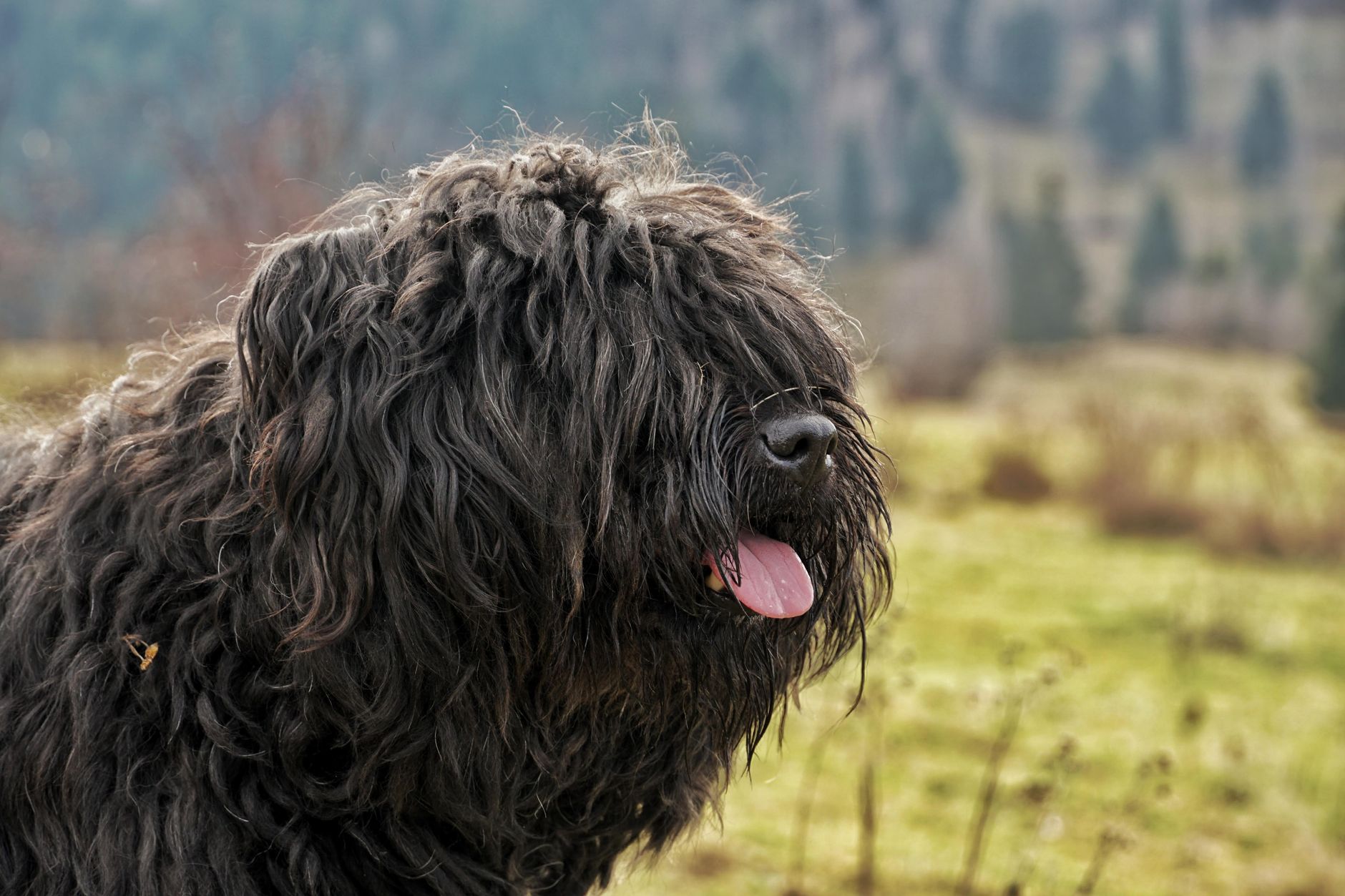
- coat typeDouble-coated, coarse, dense, weather-resistant, 2-6 inches long
- common colorsBlack, black with a few gray or sable hairs
- other namesTchiorny Terrier, Sobaka Stalina (Stalin’s Dog), Russian Bear Schnauzer, BRT
- recognized byAKC, UKC, FCI, KC (UK), ANKC
Caring for a Black Russian Terrier
Living with a Black Russian Terrier (BRT) is a lifestyle commitment that demands physical strength, consistency, and active daily leadership. In my practice, I find that successful owners treat these dogs as active partners, integrating them into daily routines and giving them clear ‘jobs’ to prevent boredom. Because of their history as military patrol dogs, they need a secure yard with a fence at least 5 to 6 feet tall, alongside structural joint protection during their rapid growth phases. Daily life includes managing their wet beards, engaging their sharp minds with training, and ensuring they receive structured physical exercise.
Is a Black Russian Terrier a good family pet?
Yes, for the right family. They are profoundly devoted to their human pack and possess a natural protective instinct, but their massive size means they can accidentally knock over small children, requiring constant supervision.
Do Black Russian Terriers shed a lot?
They are relatively low-shedding compared to other double-coated breeds, but they are not hypoallergenic. They shed dead hair and undercoat continually, which will mat rapidly if not brushed out thoroughly multiple times a week.
Is a Black Russian Terrier good for first-time owners?
Absolutely not. In my clinical experience, their strength, intelligence, and protective instincts require an owner who understands working breed dynamics, early socialization, and assertive, positive training leadership.
Temperament & Personality
The Black Russian Terrier is a complex mix of aloof guardian and affectionate shadow. Around their family, they are deeply loving, often following owners from room to room, but they maintain a highly suspicious attitude toward strangers. This breed does not actively seek out conflict, but they are completely fearless and will step in to defend their home and handlers instantly if they perceive a threat. They are calm, observant, and exceptionally quiet indoors, rarely barking unless they have a distinct reason to alert you.
Is a Black Russian Terrier good with other pets?
They can co-exist peacefully with household pets if raised together from puppyhood, but they have a strong prey drive and can display same-sex dog aggression due to their dominant nature.
How much attention does a Black Russian Terrier need?
They are highly family-oriented and need to live indoors with their humans; isolation in a yard can lead to severe protective territorialism, anxiety, and destructive behavior.
Training & Behavior
Training a BRT requires understanding that they are thinking working dogs, not mindless command-followers. They learn incredibly fast but will quickly bore of repetitive drills and may challenge passive handlers. I always advise starting socialization and basic obedience the week you bring your puppy home; at 120 pounds, an untrained BRT is a major liability.
Training Tips
- Use positive, reward-based training; physical punishment will ruin their trust.
- Vary training exercises to keep their highly intelligent minds engaged.
- Expose them to 100+ new people and sounds before 16 weeks of age.
- Teach a rock-solid ‘Quiet’ command early to control protective barking.
- Establish clear boundaries and house rules from day one.
Fun Activities
- Agility training
- Schutzhund/IGP working trials
- CGC (Canine Good Citizen) training
- Cart pulling or drafting
- Nosework and tracking
Is a Black Russian Terrier easy to train?
They are highly intelligent and capable of learning complex tasks, but their independent streak and protective nature require an experienced handler who can establish gentle, consistent authority.
Black Russian Terrier Health Issues

Generally robust, the Black Russian Terrier is a product of scientific Soviet breeding, which weeded out many systemic weaknesses. However, like all giant breeds, they are prone to specific structural and genetic conditions that require careful veterinary screening.
Juvenile Laryngeal Paralysis and Polyneuropathy (JLPP)
An inherited neurological disease that causes weakness in the laryngeal muscles, leading to breathing difficulties, choking, and progressive hind-limb paralysis in young dogs.
Hip and Elbow Dysplasia
Heritable developmental malformations of the hip and elbow joints where the bones do not fit together smoothly, causing painful arthritis and mobility issues.
Hyperuricosuria (HUU)
An inherited metabolic defect causing an excess of uric acid in the urine, leading to painful bladder or kidney stones that can cause life-threatening urinary blockages.
Gastric Dilation-Volvulus (GDV/Bloat)
A life-threatening emergency common in deep-chested breeds where the stomach fills with gas and twists on its axis, cutting off blood supply.
Follicular Dysplasia / Hot Spots
Due to their thick, heavy double coats and wet beards, they are highly prone to moist bacterial skin infections and genetic hair follicle abnormalities.
How long do Black Russian Terriers typically live?
They generally live between 10 to 12 years, which is a respectable lifespan for a giant breed dog, provided they receive proper joint care and a balanced diet.
What to Feed a Black Russian Terrier
Feeding a giant breed like the BRT requires meticulous control to prevent rapid growth spurts that stress developing joints. I strongly advise monitoring their body condition score closely, as their heavy coats can easily mask obesity.
Best Diet
A high-quality, large-breed or giant-breed specific formula is vital. For puppies, the calcium-to-phosphorus ratio must be tightly controlled (ideally 1.1:1 to 1.3:1) to prevent orthopedic diseases like osteochondritis dissecans (OCD).
How to Feed
Split their daily food into two or three smaller meals to mitigate the risk of bloat. Avoid vigorous exercise, running, or heavy training for at least one hour before and two hours after feeding.
How Much to Feed
An adult BRT will typically consume 4 to 6 cups of premium kibble daily, depending on their weight, age, and activity level. Always consult your veterinarian to adjust portions based on body condition.
Nutritional Tips
Incorporate joint supplements like glucosamine, chondroitin, and Omega-3 fatty acids (EPA/DHA) early in life to support their heavy skeletal frame.
Black Russian Terrier Grooming Guide
The grooming requirements for a Black Russian Terrier are intense and demanding. Their heavy, weather-resistant coat traps debris, moisture, and odors easily, making weekly maintenance non-negotiable.
Coat Care
Expect to brush and comb their double coat thoroughly down to the skin at least 2 to 3 times a week to prevent severe matting. They require professional clipping or hand-stripping every 6 to 8 weeks.
Skin Care
Wash and thoroughly dry their beard daily, as food particles, water, and bacteria trap easily in their dense facial hair, leading to a foul odor and painful yeast infections.
Eye Care
Trim the hair around the eyes regularly to prevent irritation, conjunctivitis, and corneal scratches from stray hairs.
Ear Care
Pluck or trim excess hair growing inside the ear canal to maintain proper airflow and prevent chronic moisture buildup and ear infections.
Nail & Dental Care
Trim nails every 3 to 4 weeks using heavy-duty clippers or a dremel, and brush their teeth at least three times a week to prevent periodontal disease.
Considerations for Pet Parents
Pros
- Outstanding, natural guardian and protector of home and family.
- Highly intelligent and capable of learning advanced working tasks.
- Calm, quiet, and well-mannered when indoors.
- Extremely loyal and bonds deeply with their primary handler.
- Weather-resistant, hardy, and enjoys cold climates.
Cons
- Massive size makes them physically difficult to handle for some.
- High grooming requirements and a perpetually wet, messy beard.
- Can be overly protective or aggressive if not socialized correctly.
- Not suited for novice owners or apartment living.
Best For
Experienced, physically active owners who have ample space, understand working guardian breeds, and can dedicate significant time to daily grooming, socialization, and mental training.
Not Recommended For
First-time dog owners, households with multiple same-sex dogs, or individuals who are frequently away from home and unable to accommodate a giant breed’s high physical and social needs.
Cost
- purchase price$2,500 – $4,500 USD
- monthly cost$200 – $400 USD
- initial setupInitial costs including giant-breed crates, heavy-duty grooming tools, puppy vaccinations, and professional training classes can easily reach $1,500 – $2,500.
Similar Breeds

Giant Schnauzer
Bouvier des Flandres
Black Russian Terrier FAQs
Are Black Russian Terriers actually terriers?
Despite their name, they are not true terriers. They are a working breed created by crossing approximately 17 different breeds, including the Giant Schnauzer, Rottweiler, Airedale Terrier, and Newfoundland, to create a versatile military dog.
How much exercise does a Black Russian Terrier need daily?
An adult BRT needs at least 40 to 60 minutes of structured exercise daily, such as brisk walking, hiking, or training drills. They are working dogs that need mental stimulation just as much as physical activity.
Do they drool a lot?
They do not drool continuously like Mastiffs, but their large, thick beards act like sponges. They will drip water and food debris across your floors and furniture after eating or drinking.
Are they prone to separation anxiety?
Yes. Because they bond so intensely to their human family, they do not do well when left alone for long periods. They can develop severe destructive behaviors if isolated or kept away from their pack.
How do they tolerate hot weather?
They tolerate cold weather exceptionally well, but their heavy black double coat makes them highly susceptible to overheating and heatstroke in hot, humid climates. Always provide shade and air conditioning in summer.
How fast do Black Russian Terriers grow?
They grow rapidly in height during their first year but do not reach physical or mental maturity until they are 2.5 to 3 years old. Careful exercise management during this growth window is critical to protect their joints.
Are they loud dogs? Do they bark frequently?
Generally, no. They are silent sentries who tend to watch and listen. They will only bark to sound an alarm if they detect a genuine threat or stranger approaching their boundary.
What DNA health tests should I look for in a puppy’s parents?
Responsible breeders must provide OFA clearances for hips and elbows, an eye exam certificate, and DNA clearance certificates for Juvenile Laryngeal Paralysis and Polyneuropathy (JLPP) and Hyperuricosuria (HUU).
Can they be kept off-leash in public spaces?
I do not recommend letting a BRT off-leash in unfenced public areas. Their natural guardian instinct and prey drive mean they may react protectively to fast-moving objects or perceived threats before you can intervene.
Are they easy to housebreak?
Yes, they are highly intelligent and clean dogs. With a consistent schedule and positive reinforcement, they typically housebreak very quickly compared to smaller, toy breeds.
How do they act around house guests?
They are naturally reserved, aloof, and watchful with visitors. A well-socialized BRT will accept guests once their owner clearly indicates the visitor is welcome, but they will still observe them closely.
Can they live in an apartment?
While they are calm indoors, their massive size and need for a secure territory make them poorly suited for apartment living. They thrive best in homes with a large, securely fenced yard.
Sources & Further Reading
- American Kennel Club (AKC)
- Merck Veterinary Manual
- American Veterinary Medical Association (AVMA)
- PetMD