

Quick Summary
Cats bring dead animals to their owners due to deep-seated predatory instincts and a maternal drive to teach and feed their human ‘pack.’ In my clinical practice, I emphasize that this is entirely natural behavior, though it poses significant parasitic and environmental risks. Preventing this behavior requires a shift to indoor living, structured play therapy, and proper veterinary preventative care.
It is 5:30 AM, and you wake up to a cold, wet sensation on your pillow. You sit up, expecting a sweet nose-nudge, only to find a lifeless field mouse staring back at you.
As a feline practitioner, this is one of the most common—and visceral—complaints I hear from cat owners during annual exams. Clients often ask me if their cat is angry, playing a prank, or offering a macabre tribute.
The truth is rooted deeply in feline evolutionary biology, territory dynamics, and maternal behavior. Let us demystify this unsettling behavior and look at what your cat is actually trying to accomplish.
Key Takeaways
- Hunting is a self-rewarding evolutionary behavior that is completely independent of hunger.
- Spayed female cats are biologically driven to teach their human ‘kittens’ how to survive.
- Beds and porches are chosen as prey drop-offs because cats view them as safe zones to store resources.
- Prey consumption exposes cats and their families to severe pathogens like Toxoplasma and Salmonella.
- Curbing the behavior is best achieved through indoor living, catios, and colorful breakaway collar collars.
- Structured play therapy (wand toys, puzzles) satisfies a cat’s prey drive without harming local wildlife.
In This Article
- The Evolutionary Drive: From Wildcat to Housecat
- The Maternal Instinct: Teaching the Incompetent Pack
- The ‘Safe Haven’ Hypothesis
- Clinical Risks: Parasites and Pathogens
- The Environmental Impact of Free-Roaming Hunters
- Actionable Strategies to Curb the Behavior
- Redirecting the Prey Drive with Structured Play
- How to Safely Clean Up and React to ‘Gifts’
- The Role of Feline Nutrition in Hunting Habits
The Evolutionary Drive: From Wildcat to Housecat
Your sweet domestic cat shares 95.6% of its DNA with the Siberian tiger. Despite thousands of years of domestication, their predatory instincts remain fully intact and razor-sharp.
In my years treating cats in my clinical practice, I often remind owners that cats are obligate carnivores. This means their bodies are biologically wired to hunt, capture, and consume meat to survive.
Even if your cat eats premium kibble twice a day, the internal drive to hunt does not simply switch off. The thrill of the stalk, pounce, and capture is an essential part of their physical and mental well-being, completely independent of hunger.
It is a self-rewarding behavior that releases dopamine in their brains.

The Maternal Instinct: Teaching the Incompetent Pack
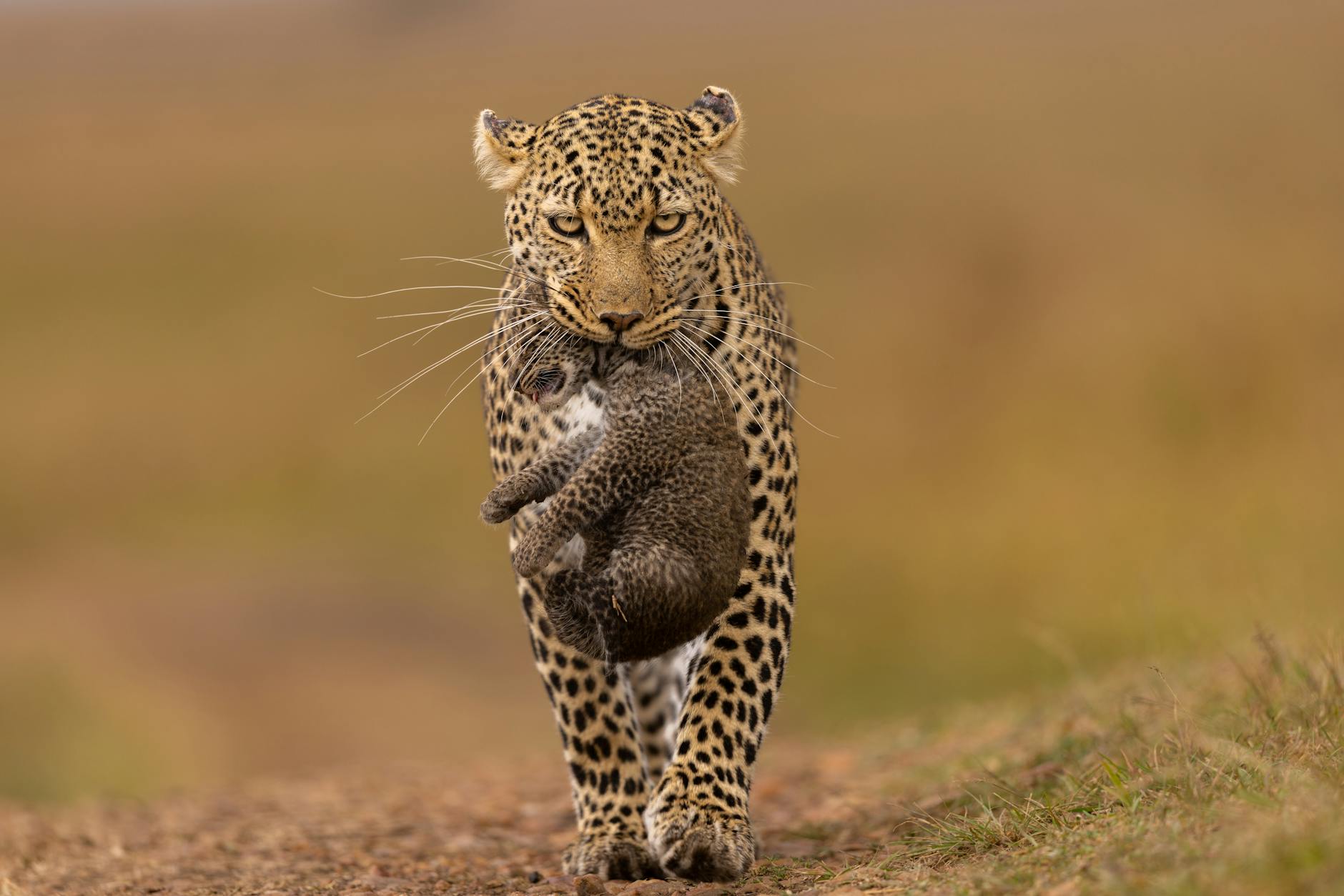
In the wild, mother cats teach their young how to hunt and eat by bringing home dead or injured prey. They start by bringing dead prey for the kittens to investigate, then progress to injured prey, and finally teach them to hunt live animals.
Spayed female cats are the most frequent culprits of this behavior in domestic households. Since they do not have their own kittens to teach, they redirect this teaching instinct toward their human families.
To your cat, you are a giant, hairless, spectacularly incompetent hunter who never catches their own food. They see you as a member of their social group who lacks basic survival skills, so they are stepping in to feed and educate you.
It is a genuine, albeit gross, expression of care and community.
The ‘Safe Haven’ Hypothesis
Why does your cat bring the prey inside, rather than consuming it outdoors? In the wild, eating a meal makes a predator highly vulnerable to larger, competing predators.
Your home represents the ultimate safe zone for your cat. It is a secure, quiet territory where they can let their guard down without fear of losing their prize or being attacked.
When they deposit a dead bird on your rug, they are choosing the safest place they know to store or consume their resource. It is a sign of complete trust in their environment and in you.
They are bringing their treasures back to the home base where they feel most secure.

Clinical Risks: Parasites and Pathogens
From a medical perspective, this behavior is not just gross; it poses real clinical risks to both your cat and your family. Wild rodents and birds are vectors for a variety of dangerous pathogens and internal parasites.
I always tell my clients to be highly vigilant if their cat is an active hunter. The health risks can escalate quickly without proper preventative care and hygiene.
In my clinic, I regularly see hunting cats presenting with gastrointestinal distress or carrying parasites that can easily be transmitted to their human owners.
When a hunting cat comes into my clinic, I immediately look for signs of the following common infections and parasites:
- Toxoplasmosis: A parasitic disease shed in cat feces that poses severe risks to pregnant women and immunocompromised individuals.
- Roundworms and Hookworms: Intestinal parasites transmitted by ingesting infected prey, which can also infect humans (zoonotic transmission).
- Salmonella and E. coli: Bacteria commonly found in the digestive tracts of birds and rodents that cause severe gastrointestinal distress.
- Fleas and Ticks: External parasites carried by wild prey that can quickly infest your home and transmit Lyme disease or feline infectious anemia.
- Rodenticide Poisoning: Secondary poisoning occurs if your cat catches a rodent that has recently ingested commercial rat poison.

The Environmental Impact of Free-Roaming Hunters
While we love our feline companions, we must acknowledge their status as highly efficient, invasive predators. Domestic cats are responsible for a staggering amount of wildlife mortality globally.
As a veterinarian, I advocate for both animal welfare and environmental conservation. The sheer volume of prey caught by house cats is a conservation crisis that we cannot ignore.
Even if your cat only brings home one or two mice a week, the cumulative impact of millions of domestic cats is devastating.
We must look at the hard data to understand the impact our domestic hunters have on local ecosystems:
- In the United States alone, free-ranging domestic cats kill an estimated 1.3 to 4.0 billion birds every single year.
- Mammal mortality is even higher, with cats taking down an estimated 6.9 to 22.3 billion small mammals annually.
- Cats are recognized as a primary threat to global biodiversity, contributing to the extinction of dozens of bird, mammal, and reptile species.
- Even well-fed cats hunt; studies show that food availability does not decrease a cat’s urge to pursue wild prey.

Actionable Strategies to Curb the Behavior
If your cat is bringing you ‘gifts,’ it is time to intervene for their safety and the safety of your local wildlife. You do not need to punish your cat—punishment will only confuse them and damage your bond.
Instead, we want to modify their environment and access to prey. I recommend a multi-layered approach to reduce their hunting success.
Preventing outdoor access completely is the gold standard, but there are intermediate steps you can take if your cat transitions slowly.
In my experience, implementing these specific strategies can drastically reduce the number of dead animals brought to your door:
- Transition to a strictly indoor lifestyle, which is the single most effective way to eliminate hunting and extend your cat’s lifespan.
- Utilize a catio (a secure outdoor enclosure) to give your cat fresh air and sunshine without allowing them to hunt.
- Equip your cat’s collar with a quick-release mechanism and a bright ‘Birdsbesafe’ collar cover, which makes them highly visible to birds.
- Attach a bell to their collar to serve as an audible warning system for potential prey, though some clever cats learn to hunt silently with bells.
- Keep your cat indoors during peak hunting times, which are typically dawn and dusk when small animals are most active.

Redirecting the Prey Drive with Structured Play
Cats need an outlet for their predatory energy. If we do not provide one, they will seek it out in your backyard or living room.
I advise my clients to implement ‘play therapy’ to mimic the natural hunting cycle. By structured play, you can satisfy their behavioral needs without any real casualties.
This active play helps burn off pent-up physical energy and provides crucial mental enrichment that prevents depression and destructive behaviors.
Here is how you can successfully redirect your cat’s hunting instincts inside your home:
- Use wand toys with feathers or synthetic fur to mimic the unpredictable movement of birds and rodents.
- Engage in daily, active play sessions lasting 10 to 15 minutes, ending with a high-protein treat or meal to simulate a successful hunt.
- Introduce puzzle feeders and food-dispensing toys that force your cat to ‘work’ and think to get their daily meals.
- Provide battery-operated motion toys that move randomly, keeping your cat mentally stimulated while you are away.
- Rotate their toy selection weekly to prevent boredom and keep the ‘prey’ feeling fresh and exciting.
How to Safely Clean Up and React to ‘Gifts’
How you react in the moment is crucial. Screaming or throwing the animal away angrily can confuse your cat, who believes they have performed a highly beneficial social duty.
Instead, calmly praise your cat in a neutral tone, gently distract them with a high-value treat, and quietly remove the prey. Reactions of disgust or anger do not make sense to a feline mind and can damage your relationship.
Safety is paramount when handling wild animal carcasses. Always follow these clinical hygiene steps to protect your household from zoonotic diseases:
- Wear heavy-duty rubber or disposable gloves; never touch a dead animal with your bare hands.
- Double-bag the carcass in plastic bags and seal it tightly before placing it in an outdoor trash receptacle.
- Sanitize the area where the carcass was left using a veterinary-grade disinfectant or a 1:10 diluted bleach solution.
- Wash your hands thoroughly with warm water and antibacterial soap for at least 20 seconds after disposal.
- Monitor your cat closely for the next 48 hours for signs of lethargy, vomiting, diarrhea, or loss of appetite.
The Role of Feline Nutrition in Hunting Habits
A common misconception among cat owners is that a well-fed cat will not hunt. However, clinical studies show that hunger and the predatory drive are controlled by entirely different parts of the cat’s brain.
Even so, providing a high-quality, meat-rich diet can help satisfy their physiological cravings. If a cat is lacking specific micronutrients, they may seek them out by consuming wild prey.
I recommend discussing your cat’s nutritional profile with your veterinarian. A diet high in animal protein and fat closely mimics what they would consume in the wild, which can sometimes take the edge off their hunting drive.
Related Cat Guides
Frequently Asked Questions
Why does my cat bring me live animals instead of dead ones?
Should I punish my cat when they bring me a dead bird?
Does feeding my cat more food stop them from hunting?
What should I do if my cat eats a dead mouse?
Are indoor cats completely free from the urge to hunt?
Can a bell on a collar hurt my cat’s hearing?
Sources & Further Reading
- ASPCA
- American Veterinary Medical Association (AVMA)
- Cornell University College of Veterinary Medicine
- International Cat Care
Final Thoughts
At the end of the day, your cat is not behaving badly when they bring you dead animals. They are simply acting on millions of years of perfectly honed evolutionary programming.
As their guardians, it is our responsibility to guide this behavior safely. By transitioning your cat to an indoor lifestyle, keeping up with preventative veterinary care, and redirecting their hunting energy into structured play, you can satisfy their wild instincts while keeping everyone safe.
If you are struggling with a persistent hunter, let us chat at your next clinic visit. We can design a tailored behavioral plan that works for your unique home.