

Quick Summary
Cat scratching is a natural, instinctive behavior used for marking territory, stretching, and shedding nail sheaths. To stop furniture damage, owners must provide appealing, stable alternatives made of sisal or cardboard, place them in high-traffic areas, and temporarily deter furniture use with double-sided tape. Regular nail trims and positive reinforcement are key to long-term success without damaging the feline-owner bond.
As a feline-focused veterinarian, I see devastated furniture on an almost daily basis. Clients often sit in my exam room, showing me photos of shredded sofas, asking if their cat is doing it out of spite.
I always tell them the same thing: your cat is not vindictive, they are simply being a cat.
Scratching is a deeply ingrained physiological and psychological need, not a behavioral flaw. To save your sofa, we do not stop the scratching behavior entirely.
Instead, we must redirect it to appropriate surfaces using veterinary science and behavioral modification.
Key Takeaways
- Scratching is essential for claw health, muscle stretching, and territorial scent marking.
- Scratching posts must be tall enough for a full stretch and absolutely wobble-free to be accepted.
- Sisal rope, heavy cardboard, and natural wood are the most appealing textures for cats.
- Place posts directly next to targeted furniture or near sleeping areas where cats stretch upon waking.
- Use double-sided sticky tape or foil to make furniture temporarily unappealing.
- Trim your cat’s claws every 10 to 14 days to minimize destruction.
- Never declaw your cat; it is an amputation that causes chronic pain and behavioral issues.
In This Article
- The Anatomy of Scratching: Why It Is Non-Negotiable
- Finding the Perfect Scratching Post: Material and Construction
- Location, Location, Location: The Real Estate of Scratching
- Training and Redirection: Making the Post the Best Option
- Safe Deterrents: How to Protect Your Existing Furniture
- Nail Care and Maintenance: The Vet’s Secret Weapons
- Addressing Stress and Environmental Enrichment
- Crucial Warnings: What You Must Never Do
The Anatomy of Scratching: Why It Is Non-Negotiable
In my clinical practice, I often have to deconstruct the myth that scratching is merely a destructive hobby. When a cat scratches, they are performing a vital physical workout that stretches the shoulder, back, and leg muscles.
This action also helps shed the dead outer layers of their claws, exposing the sharp, healthy new nail underneath.
Furthermore, cats have scent glands in their paw pads. When they scratch, they leave behind visual markers and chemical pheromones.
This tells other animals—and reminds themselves—that this space is safe and claimed. If you take away their ability to scratch, you induce significant environmental anxiety.
- Interdigital glands secrete scent pheromones to establish a secure home range.
- Visual horizontal or vertical tears act as signposts for territorial security.
- The physical stretching maintains flexibility in the spine and hindquarters.
- It assists in shedding the outer stratum corneum (nail sheaths) of the claws.
Finding the Perfect Scratching Post: Material and Construction
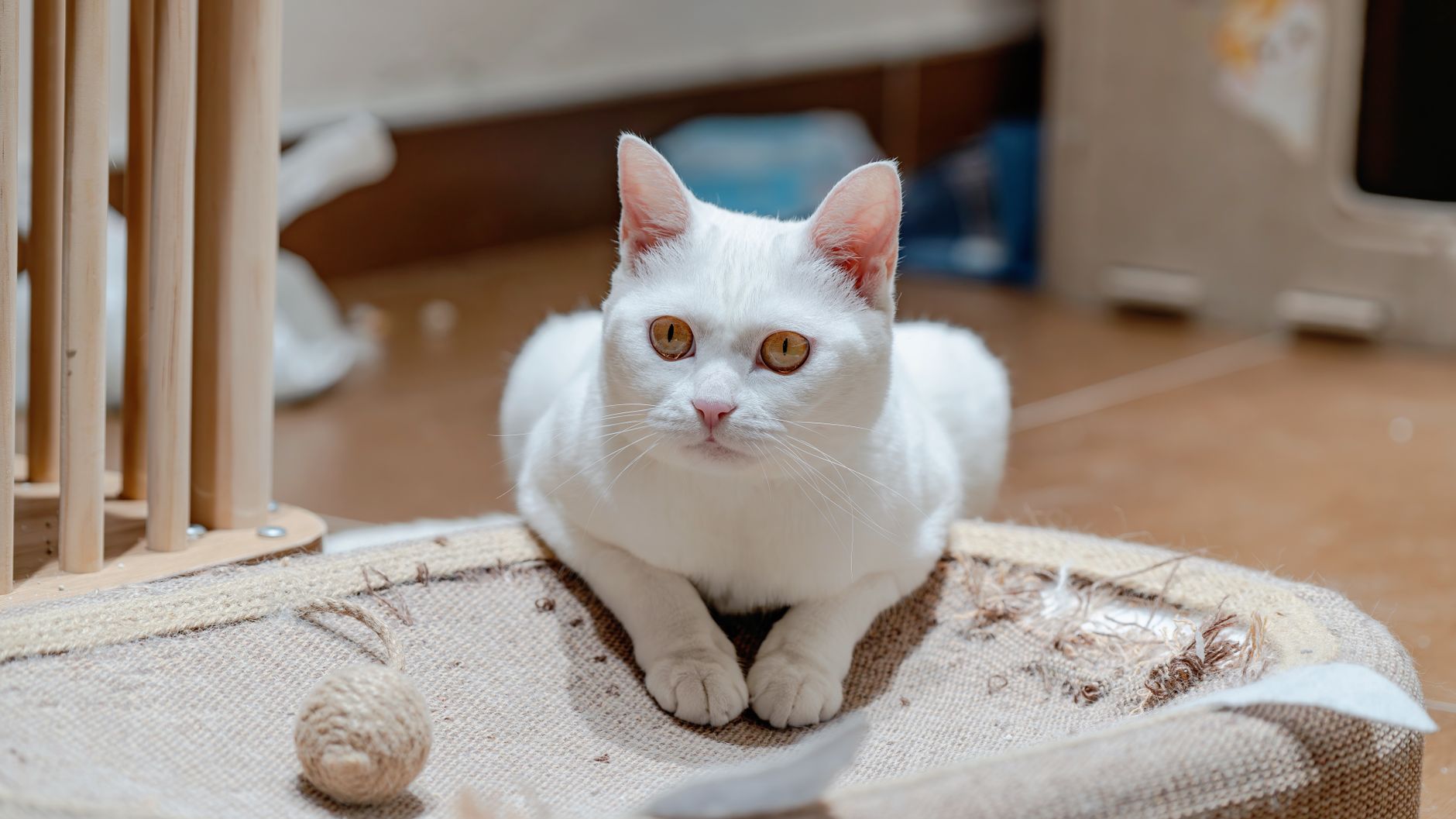
I cannot tell you how many times a client has told me, ‘I bought a post, but my cat ignores it.’ When I ask for details, it is usually a short, plush-covered post that wobbles at the slightest touch. If a scratching post moves or tips over, your cat will likely never trust it again.
They need a solid, heavy-duty anchor that can withstand their full body weight.
Additionally, the material matters immensely. Most cats prefer coarse materials that allow their claws to dig deep and drag downward.
Soft carpet is actually a poor choice because it catches the claws painfully and mimics the rugs you want to protect.
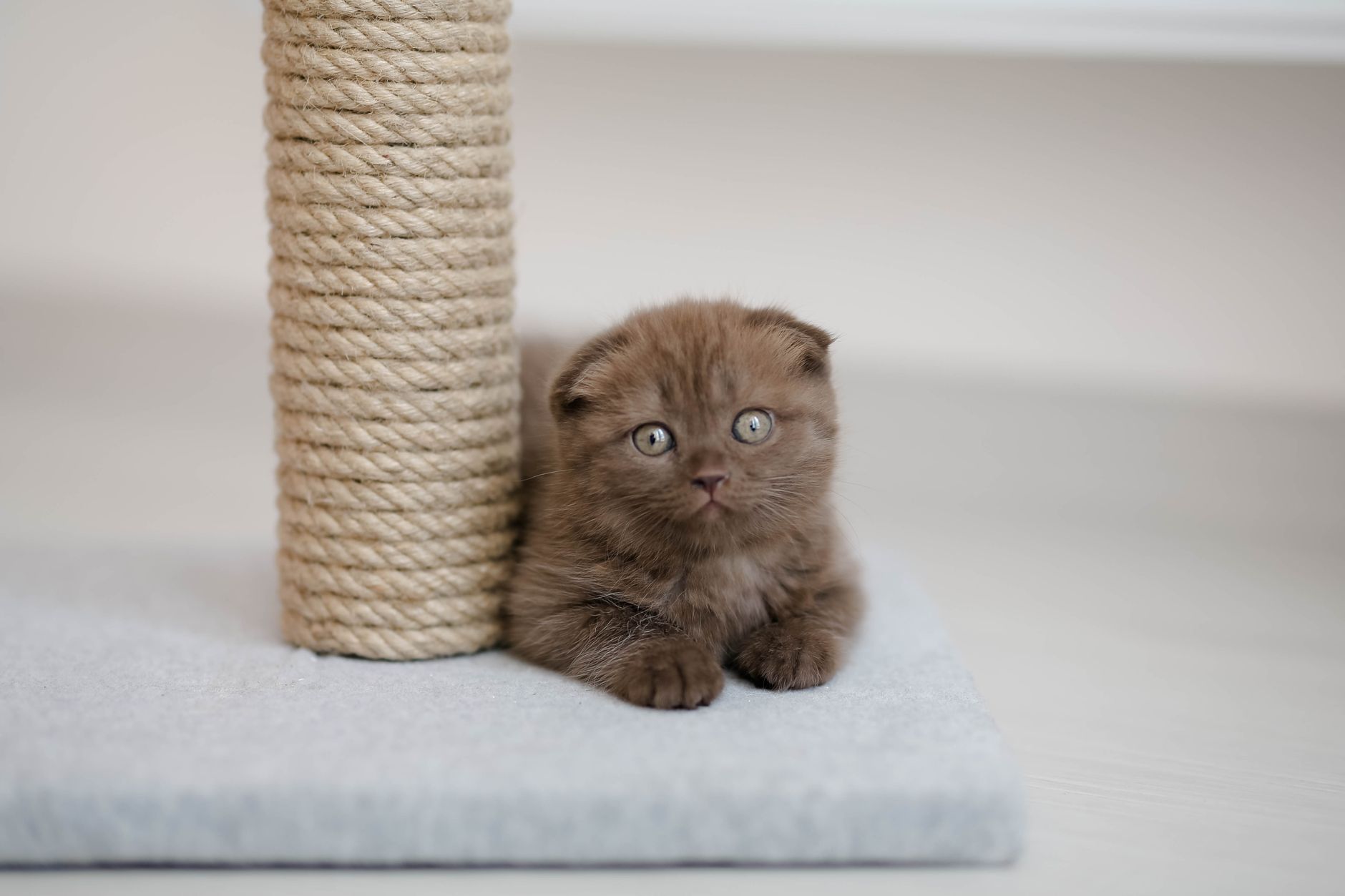
- Sisal Rope: Highly durable, provides excellent resistance, and allows satisfying shredding.
- Corrugated Cardboard: Cheap and highly appealing for cats who love a crunching sound and messy shredding.
- Natural Wood or Bark: Mimics the outdoor environment and provides a dense, sturdy scratching surface.
- Minimum Height: The post must be at least 32 to 36 inches tall to allow an adult cat to stretch fully.
The Wobble Test
Before buying, push the top of the post. If it sways even slightly, do not buy it.
Secure it with a heavy wooden base or anchor it to the wall for larger breeds like Maine Coons.

Location, Location, Location: The Real Estate of Scratching
You could buy the most expensive sisal post in the world, but if you hide it in the basement laundry room, your cat will continue to shred your living room sofa. Cats scratch where they spend their time and where their territory is most prominent.
They want their scent markers in high-traffic areas, not tucked away in dark corners.
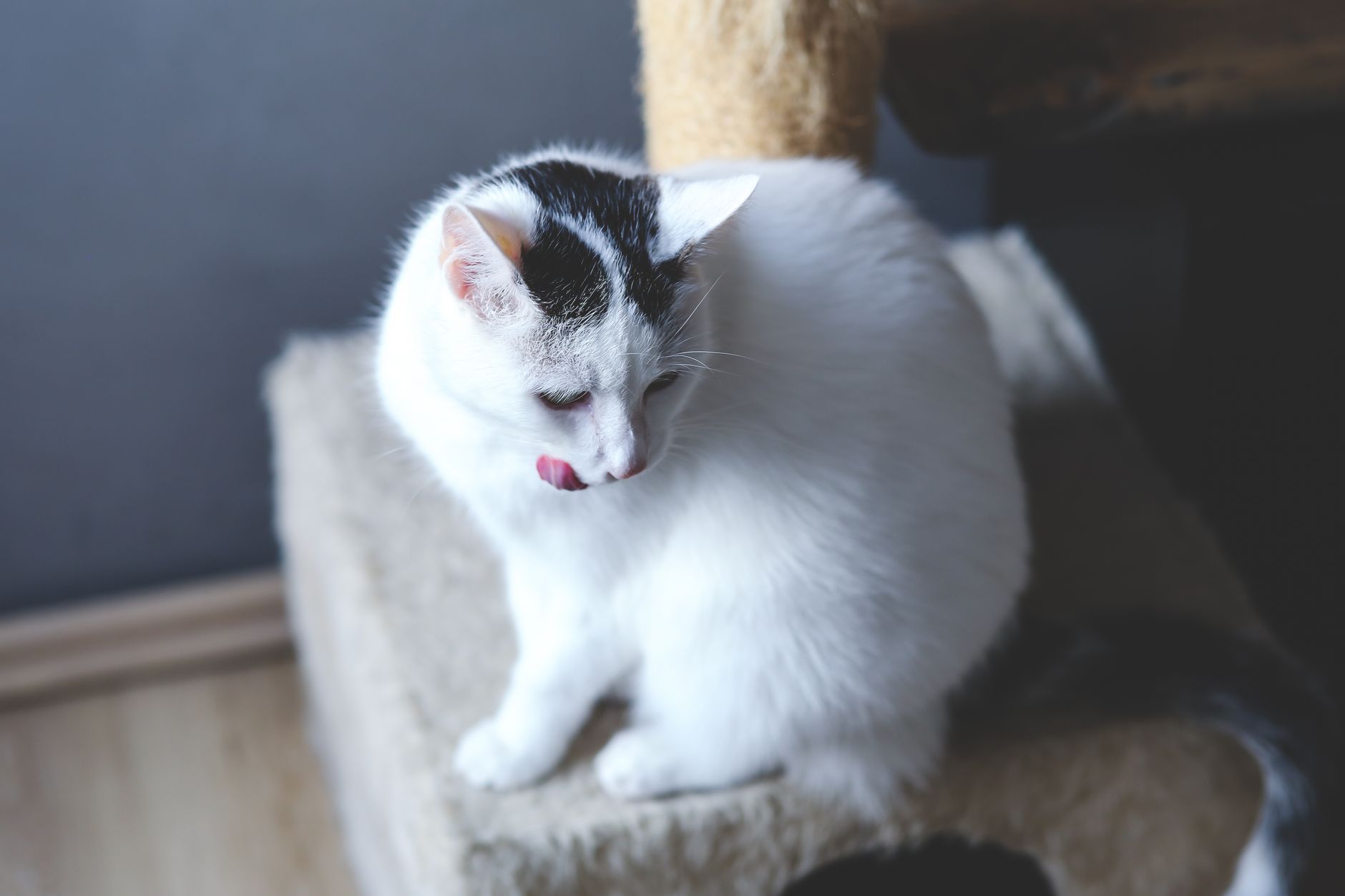
In my experience, the best locations are immediate transition zones. Place posts near doorways, large windows, sleeping areas, and right next to the piece of furniture they are currently targeting.
- Next to the sofa: Place the post directly in front of the armrest they are currently scratching.
- Sleeping zones: Cats love to stretch and scratch immediately upon waking from a nap.
- Entryways: Socially significant areas where cats feel the urge to mark their presence.
- Multi-cat gaps: Ensure there is at least one post per cat plus one extra to prevent resource guarding.
Training and Redirection: Making the Post the Best Option
Once you have the perfect post in the perfect spot, you must actively guide your cat to it. Never grab your cat’s paws and force them to scratch the post; this is terrifying for them and creates a negative association.
Instead, we use positive reinforcement, play, and organic attractants.
I recommend using high-quality organic catnip or honeysuckle spray on the post to draw their interest. You can also drag a feather wand up the post during interactive play, encouraging them to latch on with their claws naturally.
- Scent attractants: Rub fresh catnip or spray Feliscratch (a pheromone designed to attract cats to posts) onto the sisal.
- Reward-based training: Keep a pouch of high-value treats next to the post and reward them instantly when they use it.
- Interactive play: Use wand toys to guide their claws onto the post surface during daily play sessions.
- Patience: Behavioral shifts take time; do not expect overnight miracles.
Safe Deterrents: How to Protect Your Existing Furniture
While you are training your cat to use the new post, you must temporarily make the old target unappealing. Cats hate sticky, slick, or loud textures under their paws.
By altering the tactile feedback of your furniture, you break the habit loop.
My absolute favorite veterinary-approved tool is medical-grade, double-sided pet training tape. It is safe for most fabrics and incredibly effective because cats detest the sticky residue it leaves on their paw pads.
You should also look into physical barriers during the initial transition period.
- Double-sided tape: Apply brands like Sticky Paws directly to the corners of your sofas and chairs.
- Aluminum foil: Wrap the lower corners of wooden furniture legs in crinkly foil.
- Fitted furniture covers: Use smooth, heavy canvas or plastic slipcovers that offer zero traction for claws.
- Scent deterrents: Spray citrus or menthol-based pet-safe sprays, as cats dislike these pungent odors.

Nail Care and Maintenance: The Vet’s Secret Weapons
Managing your cat’s claws directly is one of the most effective ways to limit household damage. Many owners are terrified of trimming their cat’s nails, but I promise it is a skill you can master at home.
Keeping the tips blunt reduces the puncturing power of the claw significantly.
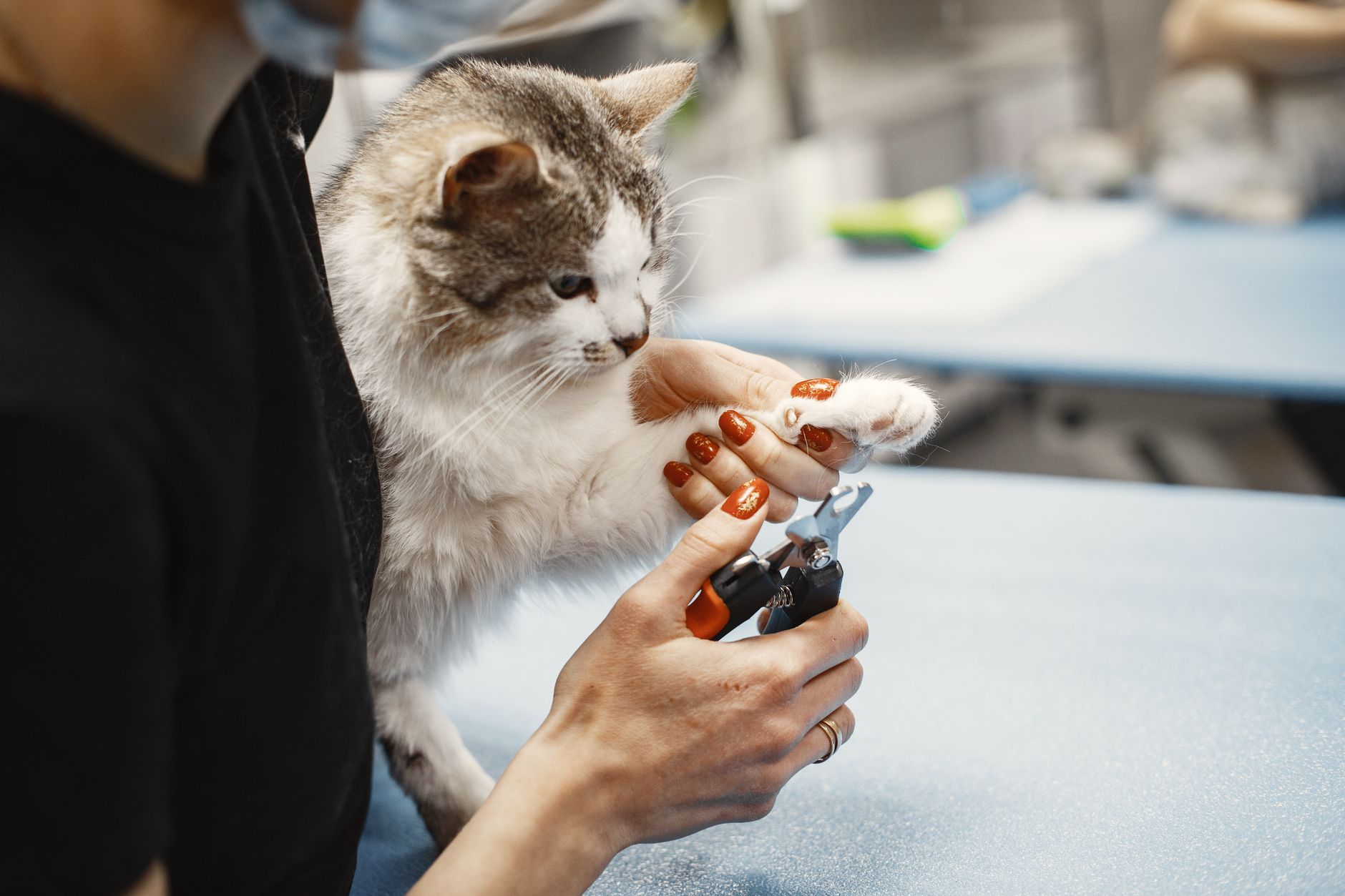
If your cat is highly resistant to trims, or if you need an immediate solution while training, claw caps are an excellent clinical alternative. These are small, soft plastic caps that glue onto the individual claws, lasting about four to six weeks before shedding naturally.
- Trim frequency: Aim to clip the very tip of the claws every 10 to 14 days using dedicated pet trimmers.
- The quick rule: Avoid the pink ‘quick’ in the center of the nail, which contains blood vessels and nerves.
- Claw caps: Utilize vinyl nail caps like Soft Claws to safely render the nails dull and harmless.
- Professional help: Ask your veterinary technician to demonstrate a low-stress nail trim during your next visit.
How to Do a Low-Stress Trim
Wait until your cat is sleepy. Gently squeeze the paw pad to extend the claw, clip only the sharp curved tip, and reward with a squeeze-treat like Churu after every single claw.
Addressing Stress and Environmental Enrichment
Sometimes, excessive or destructive scratching is a cry for help. In my years of practice, I have diagnosed many cases of compulsive scratching linked directly to household stress.
Cats are highly sensitive to changes in their environment, such as a new pet, a new baby, or outdoor stray cats.
When a cat feels anxious, they scratch more frequently to self-soothe and saturate their space with reassuring pheromones. If you address their underlying stress, you will often see the destructive scratching diminish significantly.
- Synthetic pheromones: Plug in a Feliway diffuser near the scratched furniture to reduce environmental anxiety.
- Vertical space: Install cat trees or wall shelves to give anxious cats a safe, elevated vantage point.
- Scheduled play: Provide at least two 15-minute sessions of active play daily to burn off nervous energy.
- Puzzle feeders: Engage their minds and mimic hunting behaviors to reduce boredom-induced scratching.
Crucial Warnings: What You Must Never Do
As a veterinarian, I must address the dark side of scratching deterrents. There are several outdated methods that cause severe physical and psychological harm to your pet.
First and foremost is declawing, which is actually a surgical amputation of the last bone of each toe.
Declawing often leads to chronic neuropathic pain, phantom limb pain, and severe behavioral fallout like litter box avoidance and biting. Physical punishment, shouting, or spraying your cat with water also backfires completely.
It only teaches your cat to fear you, damaging the human-animal bond permanently.
- Never Declaw: Understand that onychectomy is a painful amputation, not a simple nail removal.
- No physical punishment: Striking, flicking, or shouting at your cat increases anxiety and worsens the scratching.
- Avoid squirt bottles: Water sprays do not teach cats what to do; they only teach them to perform behaviors when you are not looking.
Related Cat Guides
Frequently Asked Questions
Why does my cat scratch the sofa right when I come home?
This is a social greeting and excitement ritual! When you return, your cat is stimulated and wants to mark their joy and presence by stretching and scratching. Place a post near the front door so they can redirect this happy energy immediately.
Is there a specific age when cats scratch the most?
Adolescent cats and young adults (between 6 months and 3 years) generally exhibit the highest energy levels and the most intense scratching behaviors. Starting positive scratching habits during kittenhood is ideal, but older cats can absolutely be retrained with patience.
Can I use essential oils to deter my cat from scratching?
I strongly advise against this. Many essential oils, such as citrus, eucalyptus, and tea tree, are highly toxic to cats if ingested or absorbed through the skin. Stick to commercially formulated, pet-safe bitter sprays or physical barriers instead.
My cat only scratches horizontally. What should I buy?
Some cats are strict horizontal scratchers. If your cat loves rugs or the flat tops of ottomans, avoid tall vertical posts and invest in flat cardboard scratchers, heavy sisal mats, or angled incline scratchers placed securely on the floor.
How long does it take to train a cat to stop scratching furniture?
With consistent positive reinforcement and effective physical deterrents on the furniture, most owners see a dramatic shift within two to four weeks. However, consistency is key; if you remove the deterrents too early, the old habits can return.
What should I do if my cat’s claw gets stuck in the carpet or sofa?
Gently support your cat’s weight to prevent them from pulling and tearing the nail. Carefully untangle the claw or use a pair of clippers to snip the caught fabric thread. Keep their nails trimmed regularly to prevent this painful occurrence.
Sources & Further Reading
- ASPCA
- Cornell University College of Veterinary Medicine
- American Veterinary Medical Association (AVMA)
- International Cat Care
Final Thoughts
Living in harmony with a cat means embracing their natural instincts while steering them in the right direction. It is entirely possible to have a beautifully styled home and a happy, healthy feline companion.
By providing stable, tall posts in prominent locations, utilizing safe deterrents, and maintaining a regular nail trim routine, you can save your furniture and deepen your bond with your cat. Remember, consistency and positive reinforcement will always yield better clinical results than frustration and punishment.
If you ever feel overwhelmed, your veterinary team is always here to offer tailored behavioral advice.