

Quick Summary
A reliable recall is a critical, life-saving skill that requires systematic training, starting in low-distraction environments and gradually building up. By using high-value rewards, avoiding common mistakes like punishing a dog who finally returns, and practicing consistently on a long line, you can build a solid foundation. As a veterinarian, I view a dependable ‘come’ command as just as vital to your dog’s preventative healthcare as their annual vaccines.
In my years treating dogs in the clinic, I have seen far too many avoidable tragedies come through our emergency doors. A backyard gate left unlatched, a collar slipping off during a walk, or a sudden, impulsive chase after a squirrel can lead directly to a traumatic emergency room visit.
That is why I always tell my clients that a reliable recall is not just a polite trick to show off at the park. It is a genuine, life-saving medical necessity that every single dog must master.
Key Takeaways
- A reliable recall is the single most important safety command to prevent traumatic off-leash accidents.
- Never use your recall cue to summon your dog for unpleasant experiences like baths or nail trims.
- Use high-value, aromatic treats like freeze-dried liver or hot dogs exclusively for recall training.
- Utilize a 15-to-30-foot biothane long line to safely transition training from indoors to outdoors.
- Never punish or scold your dog when they return to you, regardless of how long they took to respond.
- Introduce a distinct emergency recall whistle as a backup cue for high-adrenaline situations.
In This Article
- The Clinical Reality of Poor Recall
- Setting the Stage: The Rules of Engagement
- Phase 1: The Living Room Baseline
- Phase 2: Introducing the Long Line
- The Emergency Recall Whistle
- Common Training Mistakes to Avoid
- Troubleshooting the ‘Selective Hearing’ Stage
- The Role of Breed and Prey Drive in Recall Success
- The Graduation Phase: Off-Leash Proofing
The Clinical Reality of Poor Recall
During my emergency veterinary shifts, I have repaired countless fractures, managed internal bleeding, and treated severe road rash from dogs escaping their owners. The owners of these patients almost always say the exact same thing: ‘He usually listens perfectly, but he saw a deer and bolted.’
Under high adrenaline, a dog’s predatory drive or fight-or-flight response bypasses basic obedience training unless a recall is deeply hardwired into their muscle memory. As veterinarians, we view recall training as a non-negotiable life-vest for your pet.
- Hit-by-car trauma (HBC) resulting in fractures or internal bleeding
- Dog fights and severe lacerations from running into unfamiliar territories
- Ingestion of toxic substances like rat poison, garbage, or antifreeze while roaming
- Heat stroke or exhaustion from running long distances when lost

Setting the Stage: The Rules of Engagement
Before you even say a single word to your dog in a training scenario, we need to establish the golden rules of recall. What I see most often in my clinical practice is owners accidentally poisoning their recall cue.
If you call ‘Come!’ and then immediately force your dog into the crate, clip their nails, or leave the dog park, you have taught them that coming to you means the end of all fun. We must protect the integrity of the cue at all costs so they always associate it with positive outcomes.
- Never use your recall cue for unpleasant tasks like baths, ear cleanings, or vet visits.
- Always make the reward worth their while; standard kibble is rarely enough to compete with a squirrel.
- Never chase your dog if they run away; instead, run in the opposite direction to trigger their chase instinct.

Phase 1: The Living Room Baseline
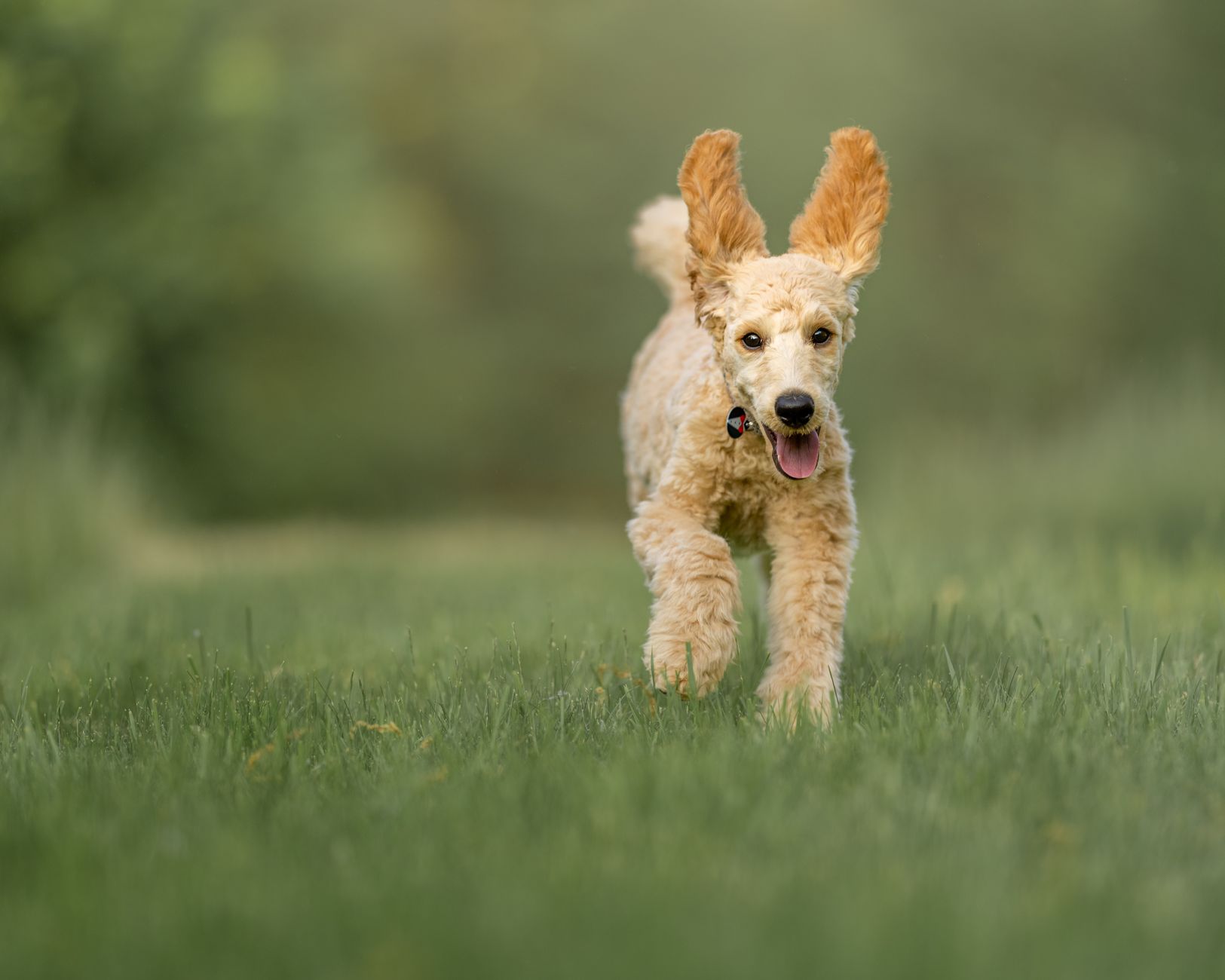
You must start your training in a literal vacuum where you are guaranteed to be the most interesting entity in the room. I recommend starting in a quiet hallway or your living room with all toys and other family members temporarily cleared out.
Equip yourself with a training pouch containing pea-sized bites of highly aromatic, soft treats rather than dry biscuits. Stand just a few feet away, say your dog’s name, and follow it immediately with your chosen cue in an enthusiastic, welcoming tone.
- Stand just three feet away from your dog to guarantee success on the first attempt.
- Say ‘Come!’ once in a clear, happy voice; do not repeat the command if they ignore you.
- As they move toward you, mark the behavior with a clicker or a verbal ‘Yes!’
- Jackpot reward them with 3 to 5 tiny, consecutive treats to build massive value.
Phase 2: Introducing the Long Line
Once your dog is completely reliable inside the house, it is time to transition to outdoor environments with mild distractions. However, do not make the critical mistake of letting them off-leash in an unsecured area yet.
This is where a long line becomes an indispensable piece of safety equipment. It allows you to practice distance training while maintaining physical control and preventing self-rewarding running behavior.
Choosing the Right Long Line
Avoid retractable leashes, which maintain constant tension and can easily cause friction burns or snap. A fifteen to thirty-foot biothane or cotton web long line is far safer, easier on your hands, and simple to clean.
Handling the Line Safely
Let the line trail loosely on the ground while you hold the very end loop. If your dog ignores your cue, do not yank them; instead, gently step on the line to stop their momentum and guide them back to you.

The Emergency Recall Whistle
In my professional experience, standard verbal cues can easily fail when a dog’s prey drive is fully engaged by a running rabbit or another dog. That is why I highly recommend training a secondary, emergency recall using a high-pitched, standardized whistle.
Whistles carry much farther than the human voice, cut through environmental noise, and lack the emotional frustration or panic that we often project when we are stressed.
- Choose a distinct, high-frequency whistle and keep it on your walking keychain.
- Pair the whistle blow with an ultra-premium treat like wet cat food or real steak.
- Blow the whistle and immediately feed the jackpot, even if they are already standing next to you.
- Only use this whistle in real emergencies or during highly controlled, successful practice sessions.

Common Training Mistakes to Avoid
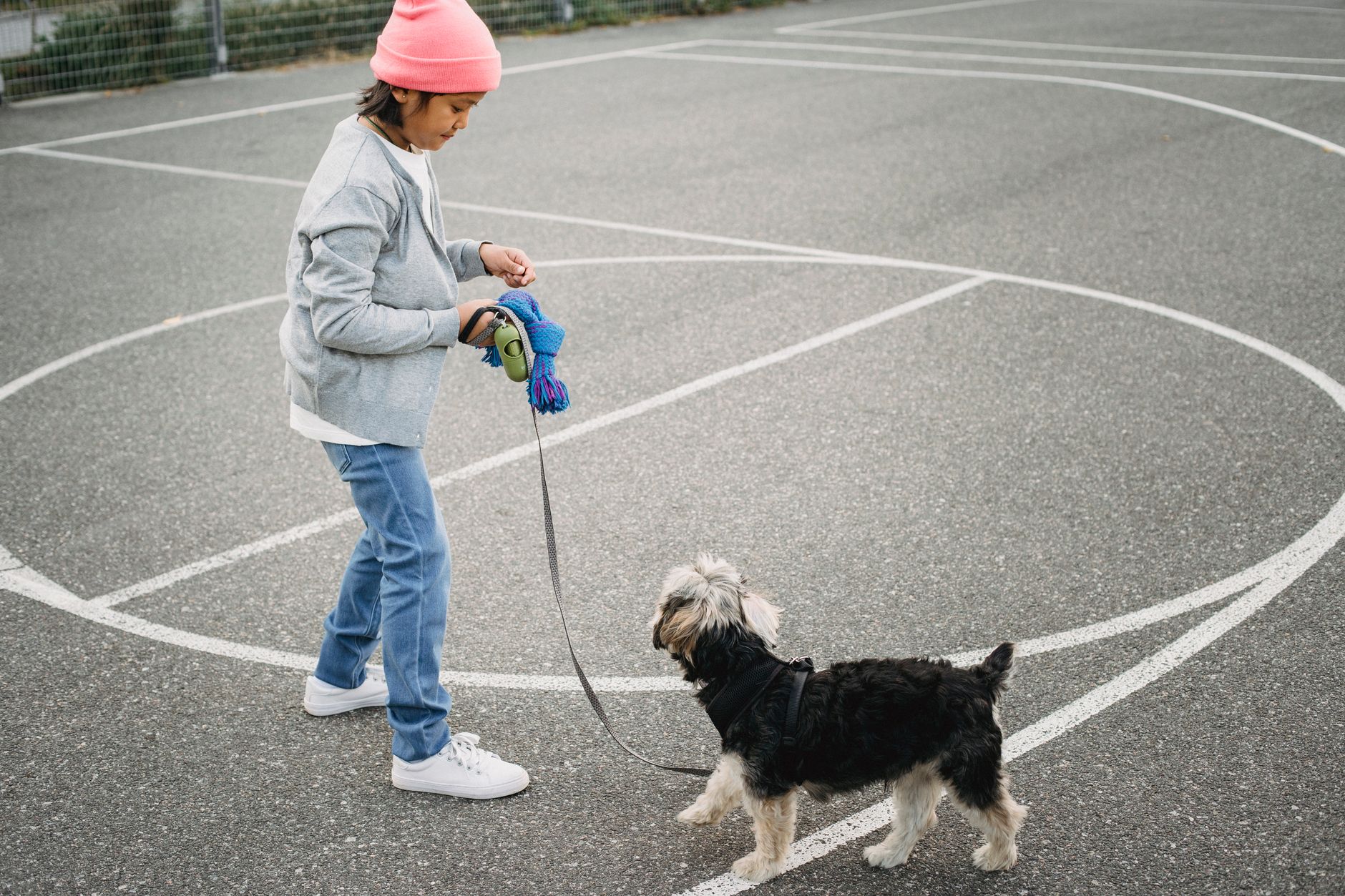
I frequently consult with frustrated pet owners who believe their dog is simply ‘stubborn’ or untrainable. In reality, the handler is almost always making subtle training mistakes that inadvertently reward the wrong behaviors.
Recognizing these common patterns early will save you months of frustration and prevent potential safety hazards down the line. Let’s look at the most frequent errors I witness in the field.
- Repeating the command over and over, which teaches your dog that ‘Come’ means ‘Come when you are ready.’
- Screaming the command in an angry tone, which actively frightens the dog from returning.
- Only practicing recall at the very end of a walk or park trip, associating it with leaving.
- Underestimating the power of environmental distractions like wind, scents, and other animals.
Troubleshooting the ‘Selective Hearing’ Stage
Around the age of six to twelve months, many dogs hit behavioral adolescence. During this phase, you might notice your once-perfect puppy suddenly develops a severe case of selective hearing.
Do not despair or assume your training has failed completely when this developmental shift occurs. This is a normal phase where you must temporarily lower your expectations, increase reward values, and go back to basics.
Re-establishing the Value
Go back to the indoor environment and use even higher-value treats like freeze-dried liver or sardines. Re-establish the basic foundation steps to rebuild their focus and attention.
Limiting Off-Leash Freedom
Keep your adolescent dog on a long line during all walks and outdoor sessions. Preventing them from practicing the act of ignoring you is vital to keeping their recall solid.
The Role of Breed and Prey Drive in Recall Success
It is important to acknowledge that genetics play a massive role in how quickly a dog masters a reliable recall. Breeds with high prey drives or independent working histories require a modified approach.
For instance, a Siberian Husky, a Greyhound, or a Beagle will naturally face much stronger instinctual pulls than a Golden Retriever or a Shetland Sheepdog. Understanding your dog’s breed heritage allows you to set realistic expectations and adapt your training schedule.
- Sighthounds react to visual motion instantly and require extreme focus training.
- Scenthounds follow their noses and may require scent-distraction training.
- Northern breeds are highly independent and need ultra-premium motivation.
- Herding breeds learn patterns quickly but can easily overthink cues.
The Graduation Phase: Off-Leash Proofing
Graduating your dog to true off-leash freedom should only happen after months of successful long-line practice. I advise my clients to test this in a safe, fully enclosed area first.
Fenced dog parks during off-peak hours, tennis courts, or private yards are excellent testing grounds. If your dog can successfully recall away from a playmate or an interesting smell in these spaces, they are ready for the next level.
- Test recall when your dog is slightly tired rather than bursting with pent-up energy.
- Have a friend gently distract your dog while you call them from a distance.
- Gradually increase the level of distraction before trying a completely open public space.
- Always carry your high-value rewards even after your dog is fully graduated to maintain the behavior.
Related Dog Guides
Frequently Asked Questions
What should I do if my dog ignores my recall command in public?
Can I train an older dog to have a reliable recall?
Why does my dog run away from me when I try to catch them?
What are the best treats to use for recall training?
How long does it take to train a truly reliable recall?
Is a vibration or e-collar necessary for a reliable recall?
Sources & Further Reading
Final Thoughts
Teaching a reliable recall requires patience, consistency, and a lot of high-value treats. As a veterinarian, I cannot emphasize enough how this single skill can save your dog’s life.
Do not wait for an emergency to realize your dog’s recall is not as solid as you thought. Start today in your living room, keep sessions short and positive, and protect that cue with your life.
Your canine companion is counting on you to lead the way.