
Kohana Breed Guide

Quick Summary
An extraordinarily rare breed defined by a complete genetic absence of hair follicles, the Kohana is a sweet, intensely affectionate companion with skin that feels like warm, wrinkled wax. Because they cannot regulate their own body temperature and are highly prone to severe skin issues, they require exhaustive daily grooming and a dedicated climate-controlled indoor environment, making them best suited for highly experienced, attentive owners.
Quick Facts
- origin countryUnited States (Hawaii)
- breed groupExperimental / Rare
- sizeMedium
- weight range6 to 10 lbs (2.7 to 4.5 kg)
- height range8 to 10 inches
- lifespan10 to 15 years
- coat typeCompletely hairless (no hair follicles, rubbery and wrinkled texture)
- common colorsAll skin pigmentations (pink, black, blue, cream, calico, and bicolor patterns)
- other namesHawaiian Hairless
- recognized byREFR (Rare and Exotic Feline Registry)
Caring for a Kohana
Living with a Kohana is more like caring for a delicate exotic pet than a standard domestic cat. In my clinic, I emphasize to owners that their total lack of hair follicles means natural sebum coats the skin directly, requiring rigorous daily maintenance. They must live strictly indoors in a climate-controlled environment to prevent both hypothermia and severe sunburn. Their accelerated metabolism also means they must eat significantly more than standard cats of their size just to maintain baseline body heat.
Is a Kohana a good family pet?
While they are incredibly affectionate and love cuddling with humans for warmth, their delicate, easily torn skin makes them unsuitable for homes with toddlers or boisterous pets. Gentle families who understand how to handle fragile skin safely will find them to be intensely devoted, loving companions.
Do Kohanas shed a lot?
No, they do not shed at all because they completely lack hair follicles and undercoat. However, instead of shedding fur, they leave oily, waxy sebum deposits on furniture, bedding, and clothes if they are not bathed on a strict veterinary schedule.
Is a Kohana good for first-time owners?
Absolutely not. In my veterinary practice, I strongly discourage beginners from adopting a Kohana due to their highly complex dermatological needs, high susceptibility to respiratory illnesses, and intensive daily grooming routine.
Temperament & Personality
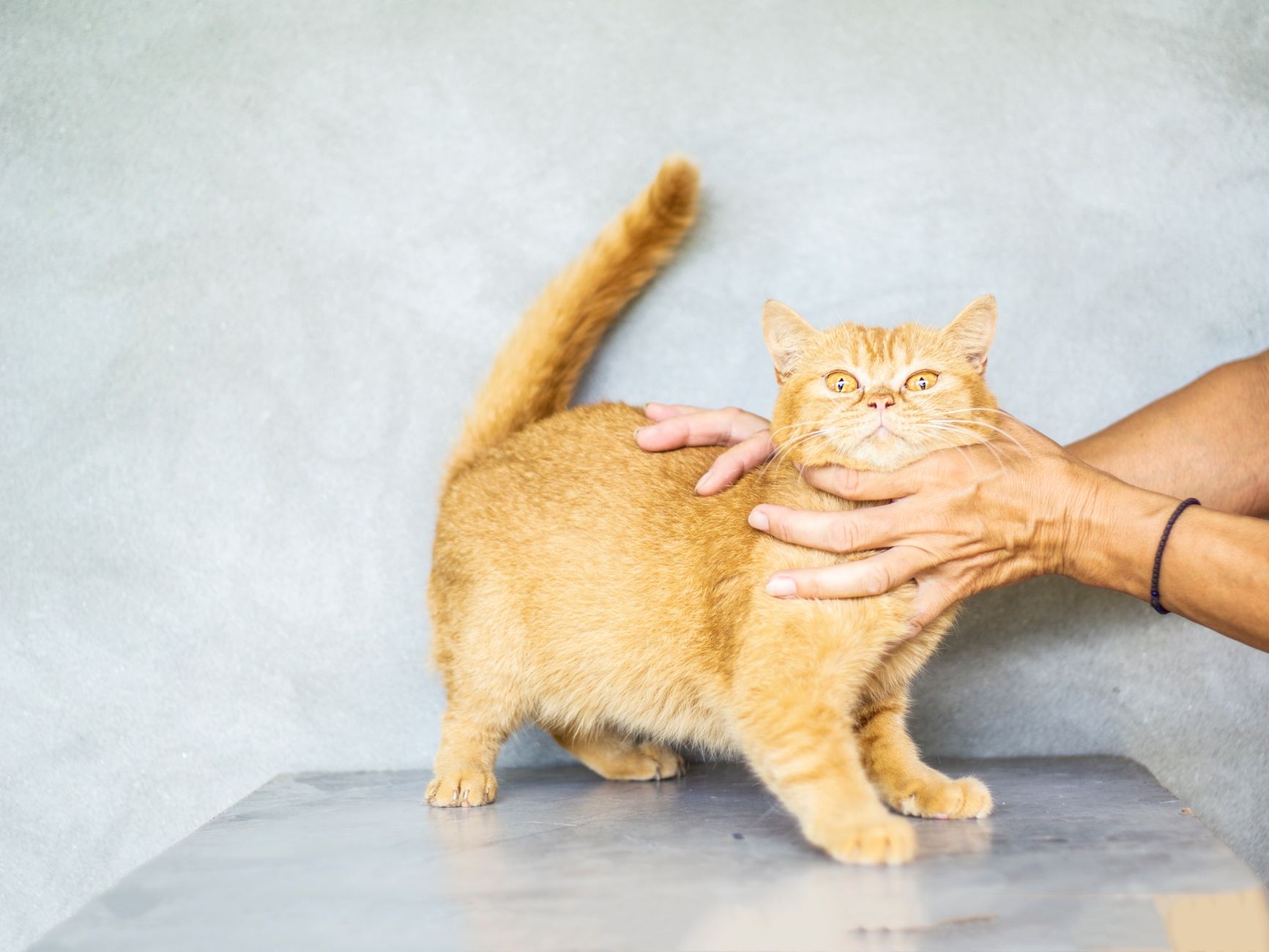
The Kohana’s temperament is famously described as ‘Velcro-like’ because they actively seek out human skin contact, largely driven by their biological need to absorb body heat. They are highly active, playful, and emotionally dependent, often following their owners from room to room. Because of this high emotional demand, they can easily develop separation anxiety if left alone for extended periods.
Is a Kohana good with other pets?
They can cohabitate well with other calm, friendly pets, especially other hairless breeds that share their affinity for warmth. However, you must monitor play sessions closely, as sharp claws from other animals can easily puncture the Kohana’s unprotected skin.
How much attention does a Kohana need?
They require a massive amount of attention. Because they are highly social and depend on human contact for physical warmth, they do best in households where someone is home most of the day.
Training & Behavior
Kohanas are highly intelligent and respond well to positive reinforcement, though their training should focus heavily on cooperative husbandry behaviors. In my practice, I advise starting target training early so they learn to tolerate the intensive physical handling their skin and ears require. They are naturally inquisitive and will learn basic commands easily when motivated by high-value, warm treats.
Training Tips
- Begin cooperative husbandry training at 8 weeks old to ease grooming stress
- Use high-calorie, warm wet treats for positive reinforcement during sessions
- Keep physical training sessions short to avoid skin friction and irritation
- Train them to wear soft, seamless sweaters early in life using clicker training
- Use a clicker to teach a calm ‘stay’ command during essential skin-wiping sessions
Fun Activities
- Puzzle feeders to satisfy their active minds
- Gentle fetch with soft, non-abrasive plush toys
- Heated agility mat navigation
- Warm lap cuddling and massage sessions
- Clicker-guided target stick games
Is a Kohana easy to train?
Yes, they are highly cooperative because of their deep desire for human interaction and food. However, the biggest hurdle is training them to comfortably accept daily skin wipes, ear cleanings, and frequent baths without developing anxiety.
Kohana Health Issues
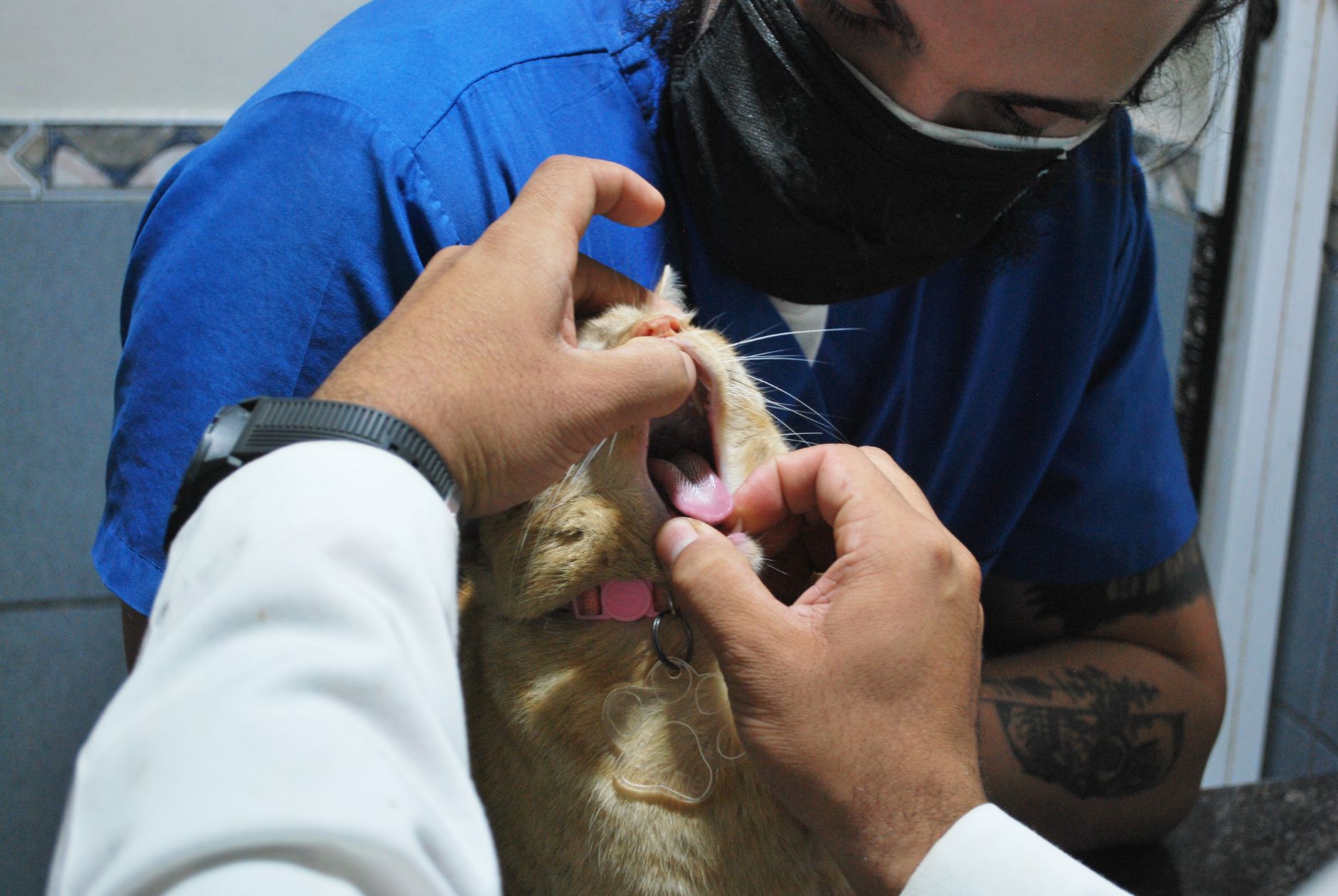
The Kohana’s unique genetic mutation makes them one of the most fragile breeds I treat, showing high susceptibility to dermatological, thermal, and ocular issues. Because of their extremely limited gene pool, they require lifelong proactive veterinary monitoring.
Severe Seborrheic Dermatitis & Yeast Infections
The complete lack of hair follicles means natural skin oils (sebum) build up rapidly, collecting in the deep wrinkles and creating a breeding ground for Malassezia yeast and bacteria.
Hypothermia & Impaired Thermoregulation
Without a coat, Kohanas lose body heat incredibly fast, forcing their metabolism to work double-time to maintain a baseline body temperature of 101.5-102.5°F.
Solar Dermatitis and Skin Cancer
Lacking any natural pigment protection from fur, their skin is highly vulnerable to ultraviolet radiation, leading to painful sunburns and potentially squamous cell carcinoma.
Periodontal Disease & Early Tooth Loss
The genetic mutation causing their hairlessness is clinically linked to ectodermal dysplasia, which often causes malformed teeth, weak enamel, and rapid-onset gum disease.
Hypertrophic Cardiomyopathy (HCM)
This hereditary heart disease, characterized by the thickening of the left ventricular wall, is a known risk in many rare hairless breeds due to limited genetic diversity.
Entropion & Ocular Irritation
Because they lack eyelashes and eyebrow whiskers, dust and debris easily enter the eyes, often compounded by structural eyelid abnormalities like entropion.
How long do Kohanas typically live?
With meticulous indoor care, climate control, and frequent veterinary monitoring, Kohanas typically live between 10 to 15 years. However, their lifespan can be shortened by secondary infections or underlying congenital conditions like HCM.
What to Feed a Kohana
Due to their total hairlessness, Kohanas have an exceptionally high metabolic rate because they must constantly burn calories to generate body heat. This means they require a highly calorie-dense, protein-rich diet to sustain their energy levels and maintain core body temperature.
Best Diet
I recommend a high-quality, animal-protein-first wet or raw diet that is rich in essential fatty acids (Omega-3 and Omega-6) to support their fragile skin barrier. Avoid low-quality dry kibble, which can exacerbate skin dryness and dental issues.
How to Feed
Feed small, frequent meals (3 to 4 times a day) rather than free-feeding. This maintains a steady digestive fire to generate heat and prevents the gastrointestinal upset that can occur from consuming large portions at once.
How Much to Feed
Generally, a Kohana may require 30% to 50% more calories per pound of body weight than a standard haired cat. You must work closely with your veterinarian to calculate their exact caloric needs based on body condition score and life stage.
Nutritional Tips
Adding a high-quality wild Alaskan salmon oil supplement can help nourish their skin from the inside out. Ensure they always have access to fresh, clean water to support optimal hydration, which is vital for keeping their delicate skin supple.
Kohana Grooming Guide
Grooming a Kohana is not cosmetic; it is a vital daily medical necessity. Without a coat to absorb oils, sebum quickly accumulates on their skin, leading to severe dermatological complications if left unchecked.
Coat Care
They have no coat, but their skin must be wiped down daily with warm, damp, hypoallergenic, alcohol-free cloths. They require a weekly or bi-weekly bath with a gentle, vet-approved antiseptic or organic, non-stripping shampoo.
Skin Care
Pay extreme attention to their deep wrinkles, as sweat and oils pool in these crevices. Apply a veterinary-recommended, non-comedogenic skin barrier cream if dryness occurs, but avoid heavy oils that block pores.
Eye Care
Wipe their eyes daily with a warm, damp cotton ball (using a fresh one for each eye) to clear out the discharge and dust that accumulates due to their lack of eyelashes.
Ear Care
Clean their ears weekly using a vet-recommended ceruminolytic ear cleaner and cotton balls to remove the heavy, blackish-brown wax that rapidly accumulates in their unprotected ear canals.
Nail & Dental Care
Wipe their nail beds weekly, as sebum builds up around the claws, turning black and greasy. Brush their teeth daily with veterinary enzymatic toothpaste to combat their high genetic risk for periodontal disease.
Considerations for Pet Parents
Pros
- Extremely affectionate and loving ‘Velcro’ companions
- No shedding of fur on furniture or clothing
- Hypoallergenic for those only sensitive to cat hair (not dander/saliva)
- Unique, fascinating appearance and warm, rubbery texture
- Intelligent and highly responsive to positive training
- Very playful, energetic, and engaging personality
Cons
- Exhaustive daily skin, eye, and ear grooming routine
- High risk of skin infections, sunburns, and hypothermia
- Expensive to feed due to high metabolic demands
- Extremely rare and difficult to acquire ethically
- Highly prone to genetic dental and cardiac issues
Best For
An experienced, highly dedicated owner who works from home or has ample time to commit to intensive daily physical care, environmental climate control, and frequent veterinary checkups.
Not Recommended For
First-time cat owners, families with very young children or rambunctious pets, or individuals who travel frequently and cannot provide rigorous, daily skin hygiene and temperature regulation.
Cost
- purchase price$3,000 – $5,000+
- monthly cost$150 – $250
- initial setupExpect to spend $500–$800 initially on specialized heating pads, high-quality seamless sweaters, veterinary-strength skin cleansers, and high-calorie diets.
Similar Breeds


Related Cat Guides
Kohana FAQs
Why does a Kohana cat feel rubbery?
Unlike Sphynx cats, which have a fine peach fuzz, Kohanas completely lack hair follicles due to a unique genetic mutation. This results in direct skin contact, which, combined with their deep wrinkles, gives them a warm, rubbery, or candle-wax-like texture.
Do Kohana cats need to wear sweaters?
Yes, especially during cooler seasons or in air-conditioned homes. Because they have no fur to trap body heat, soft, seamless sweaters help prevent hypothermia, though they must be washed frequently to avoid trapping oily sebum against the skin.
Are Kohana cats completely hypoallergenic?
Not entirely. While they do not shed hair (a major trigger for many), cat allergies are primarily caused by the Fel d 1 protein found in feline saliva, dander, and sebum. Since Kohanas produce sebum and dander, they can still trigger allergies.
How often should I bathe a Kohana cat?
In my practice, I recommend a full bath every 1 to 2 weeks using a mild, vet-approved, fragrance-free or medicated shampoo. Bathing too frequently can strip the skin and cause rebound oil production, while bathing too rarely leads to greasy buildup and infections.
Can a Kohana cat go outside?
No, Kohanas must be kept strictly indoors. Their lack of a coat leaves them completely unprotected against sunburn, hypothermia, insect bites, and physical scratches from bushes or other animals.
Why do Kohana cats have so many wrinkles?
Their intensive wrinkling is a genetic trait associated with their unique hairlessness mutation. These wrinkles are present from birth and require meticulous cleaning, as dirt, sweat, and oils easily get trapped in the deep folds.
Do Kohana cats have whiskers?
Most Kohanas completely lack whiskers (vibrissae) and eyelashes, or they may have very short, fragile ones that break easily. This affects their spatial navigation slightly, making them a bit more cautious when jumping in the dark.
What causes the black stuff on a Kohana’s nails?
This is a buildup of sebum (skin oil) mixed with dust. Because they have no fur to block or absorb these oils, sebum accumulates around the nail bed and under the claw sheaths, requiring weekly wiping to prevent nail bed infections.
Are Kohana kittens born wrinkled?
Yes, Kohana kittens are born with extensive wrinkles all over their bodies. As they grow into adulthood, these wrinkles remain a prominent and defining feature of their appearance, especially around the face, neck, and shoulders.
Can I use baby wipes on my Kohana cat?
I strongly advise against using standard human baby wipes, as they often contain perfumes, alcohol, or pH adjusters that can disrupt a cat’s delicate skin barrier. Use only veterinary-approved, fragrance-free pet wipes designed for hairless breeds.
How do I protect my Kohana from sunburn indoors?
Keep them away from direct, unfiltered sunlight. You can apply pet-safe, non-toxic sunscreen to their ears and back if they love sunbathing by the window, or install UV-blocking films on your home’s windows.
Do Kohana cats eat more than other cats?
Yes, they have an exceptionally high metabolic rate to generate body heat. They require a diet rich in proteins and fats, and they typically eat significantly larger portions than haired cats of a similar size.
Why does my Kohana cat smell like mushrooms or yeast?
A yeast-like, sweet, or musty smell is a sign of Malassezia yeast overgrowth in their skin folds or ears. This occurs when sebum is allowed to build up, and it requires treatment with a veterinary-prescribed antifungal wash.
What is the difference between a Kohana and a Sphynx?
The primary difference lies in their genetics and skin. Sphynx cats have hair follicles and are covered in a fine, peach-fuzz down, whereas Kohanas have a genetic mutation that results in a complete absence of hair follicles, making them totally bald and rubbery.