
Tennessee Rex Breed Guide
Quick Summary
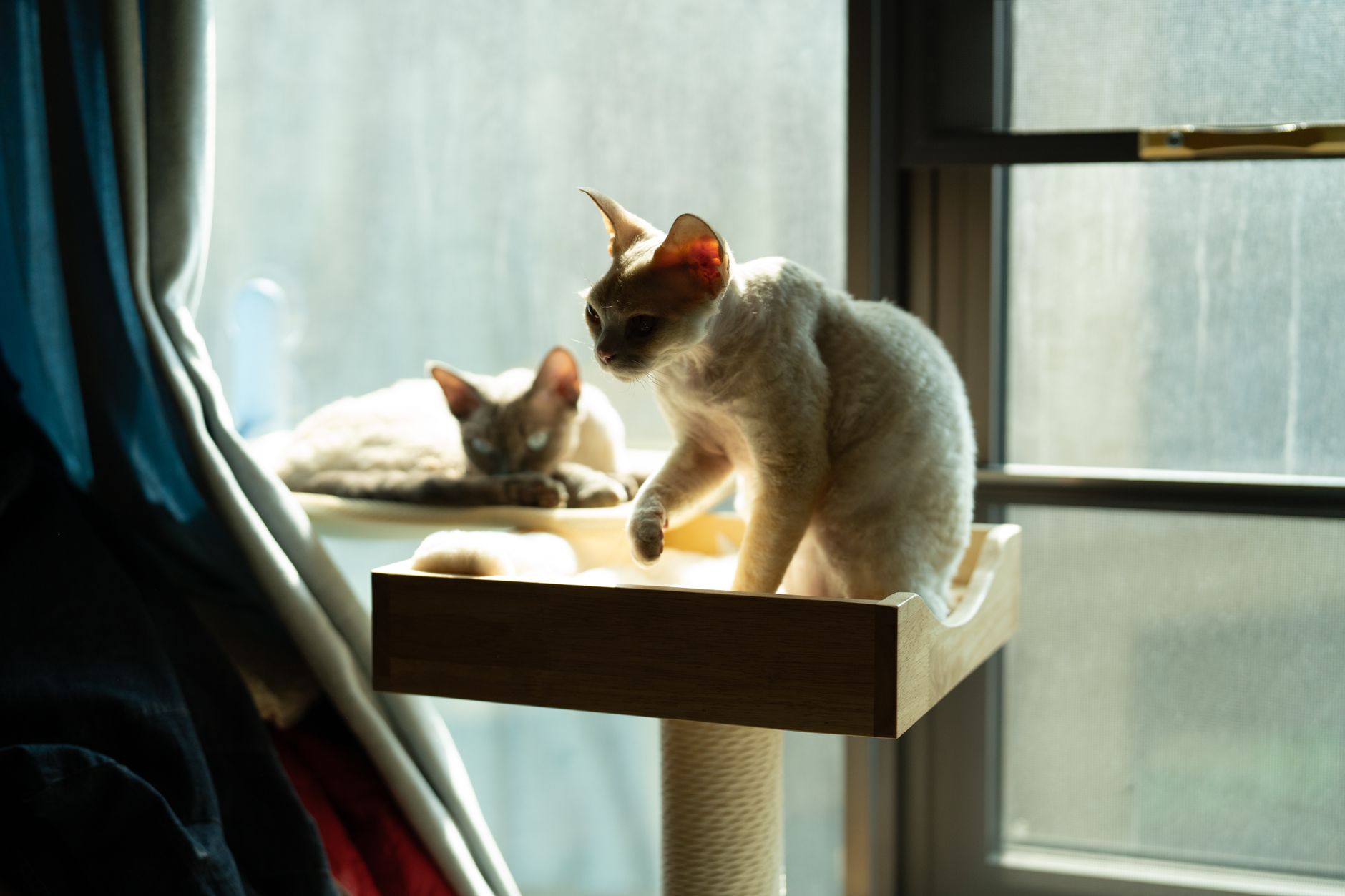
The Tennessee Rex is an exceptionally rare, naturally occurring rex breed defined by its unique satin-like curly coat and a signature shimmering ‘glitter’ effect. In my practice, I find these cats to be incredibly sweet, highly affectionate ‘velcro’ companions that thrive on human contact and adapt beautifully to quiet, warm indoor households. They are ideal for dedicated owners who can appreciate their unique grooming needs and provide plenty of attention.
Quick Facts
- origin countryUnited States (Tennessee)
- breed groupRex (Rare/Experimental)
- sizeMedium to Large
- weight range8 to 15 lbs (3.6 to 6.8 kg)
- height range9 to 12 inches (23 to 30 cm)
- lifespan12 to 16 years
- coat typeCurly, wavy, satin-textured with a shimmering ‘glitter’ effect
- common colorsAll colors accepted, but often shows a distinct frosted or gold-toned shimmer
- other namesT-Rex
- recognized byTICA (Registration status/Experimental), REFR
Caring for a Tennessee Rex
Living with a Tennessee Rex is like having a warm, purring shadow that glitters in the sunlight. In my years treating this breed, I’ve observed that their delicate curly coats require a gentle touch—aggressive brushing is a clinical no-no as it can break their unique hair shafts. They are highly people-oriented and will actively seek out your lap or shoulders for warmth and affection. Keeping them strictly indoors is vital to protect their sensitive skin from sunburn and to keep them warm, as their rex coats don’t insulate as efficiently as standard feline fur.
Is a Tennessee Rex a good family pet?
Absolutely, they are incredibly gentle and thrive on human interaction. However, because their unique curly coats and whiskers are delicate, I always advise parents to supervise younger children to ensure gentle handling.
Do Tennessee Rexs shed a lot?
They shed very minimally compared to normal-coated cats, but they are not completely hypoallergenic. Their loose hairs tend to get trapped in their curls rather than falling on your furniture, meaning they require gentle hand-grooming to remove dead hair safely.
Is a Tennessee Rex good for first-time owners?
Yes, their sweet, laid-back, and highly affectionate nature makes them wonderful companions for beginners. The only caveat is their rarity, meaning prospective owners must be prepared for specialized care regarding their skin oils and delicate coats.
Temperament & Personality
The Tennessee Rex possesses one of the gentlest temperaments in the feline world, often described as incredibly mellow and intensely loving. They are classic ‘velcro cats’ that form deep, inseparable bonds with their human companions. Unlike some high-strung active breeds, the T-Rex is typically calm, preferring a warm lap and soft purring sessions over chaotic play. Their quiet, melodic voices are rarely used, as they prefer to communicate through physical touch and steady eye contact.
Is a Tennessee Rex good with other pets?
Yes, they generally cohabit beautifully with other peaceful cats and dog-friendly dogs. Their non-aggressive, relaxed demeanor means they prefer to avoid conflict and will happily curl up next to a friendly housemate for shared warmth.
How much attention does a Tennessee Rex need?
They need a significant amount of human interaction and do not do well when left alone for long periods. If you work long hours, I strongly recommend getting them a feline companion or providing interactive puzzle toys to prevent separation anxiety.
Training & Behavior
While not as hyperactive as other rex breeds, the Tennessee Rex is surprisingly intelligent and eager to please. I’ve found that they respond beautifully to positive reinforcement techniques, especially when treats and gentle praise are involved. They can easily learn basic household rules and even fetch-style games because of their desire to interact with you. Their behavior is generally exemplary, provided their emotional needs for companionship are fully met.
Training Tips
- Use high-value, soft treats for positive reinforcement.
- Keep training sessions short and sweet, around 3 to 5 minutes.
- Introduce a clicker early to capitalize on their quiet focus.
- Avoid any harsh verbal corrections, as they are highly sensitive.
- Train them to accept ear cleaning and nail trims from kittenhood.
Fun Activities
- Gentle games of fetch with soft crinkle balls
- Navigating low-level climbing trees and window perches
- Interactive puzzle feeders to stimulate mental acuity
- Target training with a clicker
- Supervised indoor time in a secure, warm pet stroller
Is a Tennessee Rex easy to train?
Yes, their cooperative nature and desire for human approval make them highly receptive to training. They pick up litter box habits and scratching post boundaries very quickly compared to more independent breeds.
Tennessee Rex Health Issues
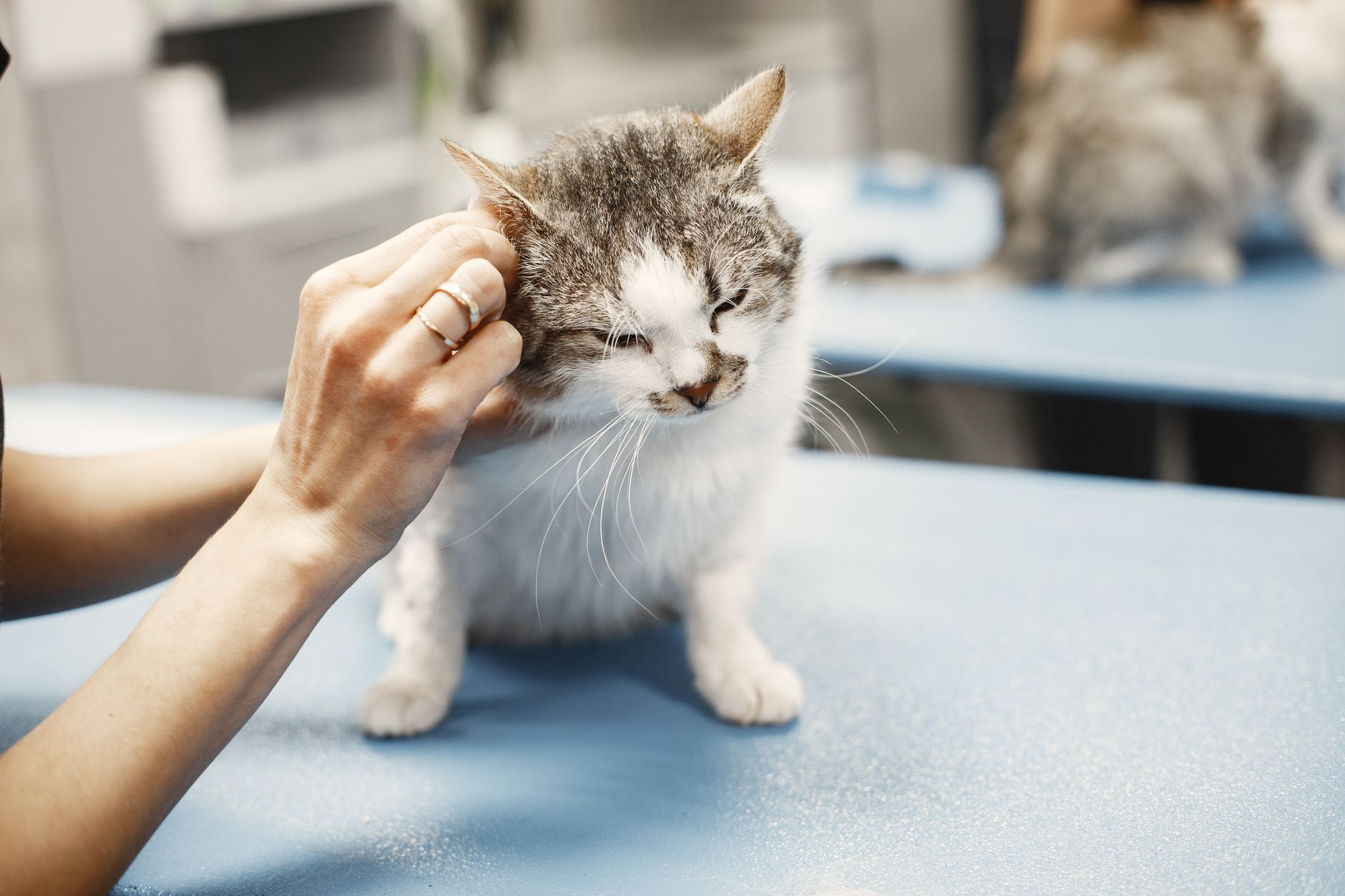
Because the Tennessee Rex is a relatively young breed originating from a natural genetic mutation, they are generally robust, but we must remain vigilant. To maintain genetic health, outcrossing is practiced, meaning we monitor for standard feline genetic issues alongside coat-specific sensitivities. I always emphasize regular veterinary wellness checks to monitor their heart, joints, and skin health.
Hypertrophic Cardiomyopathy (HCM)
This is the most common heart disease in cats, causing the heart muscle to thicken abnormally. Because the Tennessee Rex gene pool is small and outcrossed with other breeds, genetic screening of breeding lines via echocardiograms is critical.
Seborrhea and Skin Infections
Like other rex-coated breeds, the curly coat of a T-Rex does not distribute skin oils as effectively as a normal coat. This can lead to localized oily buildup, clogged pores, yeast infections, or dry, flaky dermatitis if not managed.
Hypothermia and Cold Sensitivity
Their unique, thin coat lacks a dense, protective undercoat, rendering them highly sensitive to ambient temperature changes. They cannot regulate their body temperature well in drafty or cold environments, which can stress their immune system.
Periodontal Disease
A common feline ailment that can be pronounced in domestic breeds. Plaque and tartar accumulation lead to gingivitis and progressive bone loss around the teeth, which can eventually impact systemic health.
Patellar Luxation
This occurs when the kneecap slips out of its normal anatomical groove. While not highly prevalent, it is a structural issue we monitor in medium-sized active domestic breeds to prevent early-onset arthritis.
How long do Tennessee Rexs typically live?
With proper indoor care, a high-quality diet, and regular veterinary checkups, they typically live between 12 and 16 years. Their longevity is closely linked to maintaining a healthy weight and protecting them from infectious diseases.
What to Feed a Tennessee Rex
In my practice, I emphasize that a high-protein, moderate-fat diet is essential to support the Tennessee Rex’s muscular frame and maintain their unique skin health. Because they are indoor-centric and relatively calm, calorie management is crucial to prevent insidious weight gain.
Best Diet
An ideal diet consists of high-quality, meat-first wet food combined with controlled portions of dry kibble. Formulations rich in Omega-3 and Omega-6 fatty acids are highly recommended to nourish their sensitive skin and maintain the lustrous ‘glitter’ of their curly coat.
How to Feed
I recommend feeding adult cats twice daily on a strict schedule rather than free-feeding. Utilizing microchip-activated feeders or simple portioned bowls helps prevent overeating and allows you to monitor their exact intake.
How Much to Feed
Generally, an adult Tennessee Rex weighing 10 pounds requires approximately 200 to 250 calories per day, but this must be tailored to their specific activity level. Always consult your veterinarian to calculate a precise caloric target based on a Body Condition Score (BCS) assessment.
Nutritional Tips
Incorporate moisture-rich wet foods to support urinary tract health, as cats naturally have a low thirst drive. Additionally, adding a veterinarian-approved wild Alaskan salmon oil supplement can work wonders for their unique skin barrier.
Tennessee Rex Grooming Guide
Grooming a Tennessee Rex requires a ‘less is more’ approach to preserve their delicate, glittering curls. Standard steel-toothed combs or harsh slicker brushes will break their fragile hair shafts and irritate their skin.
Coat Care
Use your hands to gently stroke and massage their coat, which helps distribute natural oils without damaging the curls. If necessary, a very soft baby hairbrush or a damp chamois cloth can be used once a week to gently lift away loose hairs.
Skin Care
Because their curly coats trap skin oils, they may require occasional baths (every few months) with a mild, hypoallergenic, oatmeal-based cat shampoo. Be sure to dry them thoroughly and keep them in a warm room post-bath to prevent chilling.
Ear Care
Check their ears weekly for waxy buildup, which can occur alongside oily skin. Wipe the outer ear canal gently with a damp cotton ball soaked in a vet-approved, alcohol-free ear cleaner; never use cotton swabs deep in the canal.
Nail & Dental Care
Clip their claws every 2 to 3 weeks and introduce daily brushing with feline-formulated enzymatic toothpaste to prevent periodontal disease.
Considerations for Pet Parents
Pros
- Extremely loving and loyal ‘velcro’ personality
- Unique, stunningly beautiful curly coat with a golden glitter sheen
- Very quiet and peaceful companion, rarely vocalizes loudly
- Meticulously clean and sheds very minimally
- Adapts wonderfully to indoor apartment living
- Generally patient and gentle with respectful children and pets
Cons
- Extremely rare and highly difficult to find from reputable breeders
- Sensitive to cold and highly susceptible to hypothermia
- Delicate coat and skin require specialized, gentle grooming care
- Prone to separation anxiety if left alone for extended periods
Best For
This breed is best for dedicated, indoor-only owners, seniors, or quiet families who spend a lot of time at home and want an intensely affectionate, low-shedding companion. They thrive in stable environments where they can be a central part of daily household activities.
Not Recommended For
I do not recommend the Tennessee Rex for busy individuals who are away from home for 10-12 hours a day, or families looking for an outdoor cat. Their lack of cold tolerance and intense need for human interaction make them poorly suited for neglected or chilly environments.
Cost
- purchase price$1,500 – $3,000 USD (extremely rare)
- monthly cost$80 – $150 USD
- initial setupInitial setup will range from $500 to $1,000, including high-quality heated cat beds, indoor climbing structures, initial vet checkups, microchipping, and essential grooming supplies.
Similar Breeds
Related Cat Guides
Tennessee Rex FAQs
What is the ‘glitter gene’ in the Tennessee Rex?
The Tennessee Rex possesses a unique, naturally occurring recessive gene that not only curls the hair but also creates air pockets inside the hair shafts. This structure reflects light in a way that gives the coat a shimmering, metallic ‘glitter’ effect, particularly visible in sunlight.
How did the Tennessee Rex breed originate?
The breed began in 2004 in Franklin, Tennessee, when a stray cat named Satan was brought in. Satan possessed a unique curly, shimmering coat and went on to sire kittens with the same distinct genetic traits, establishing the foundation of this rare breed.
Does a Tennessee Rex need regular baths?
Unlike normal-coated cats, their curly fur doesn’t distribute skin oils as effectively, which can lead to a greasy feel or odor. A gentle bath every 2 to 3 months with a mild, vet-approved cat shampoo is usually sufficient to manage this buildup.
Are they completely hypoallergenic?
No cat is entirely hypoallergenic, as allergies are triggered by proteins (Fel d 1) found in feline saliva, skin dander, and urine. However, because they shed very little and trap loose hairs in their curls, some allergy sufferers find them easier to tolerate.
Do their whiskers curl too?
Yes, just like their coat, the whiskers of a Tennessee Rex are typically curly, wavy, or crinkled. These delicate whiskers are prone to breaking easily, which is completely normal for the breed and not a cause for alarm.
Can they go outside?
I strongly advise keeping the Tennessee Rex strictly as an indoor cat. Their delicate coat provides minimal protection against the sun’s UV rays, making them prone to sunburn, and they lack the insulation needed to tolerate cold temperatures.
Do they get cold easily?
Yes, due to their unique coat structure which lacks a dense insulating undercoat, they get chilled very easily. I always recommend providing heated cat beds, warm blankets, or even soft cat sweaters during the colder winter months.
How rare is the Tennessee Rex?
They are exceptionally rare. As of now, they are considered an experimental or registry-only breed with very few active, reputable breeders worldwide, making them one of the hardest feline breeds to acquire.
Are they highly vocal?
No, they are generally very quiet cats. When they do vocalize, it is usually a soft, melodious chirp or trill rather than a loud meow, preferring to communicate through purring and physical affection.
How do you brush a Tennessee Rex?
You should avoid standard cat brushes completely. Instead, use your bare hands to gently massage their coat, or use a very soft baby brush or a damp chamois cloth once a week to gently lift dead hairs without breaking the delicate curls.
Do they have high energy levels?
They have moderate energy levels. They enjoy occasional interactive play sessions, but they are far more interested in lounging near their owners, sleeping in warm spots, and enjoying quiet companionship.
Is the Tennessee Rex recognized by major cat registries?
They are currently recognized by some smaller or specialty registries like the Rare and Exotic Feline Registry (REFR) and are in the registration/experimental stages with TICA, but they are not yet fully recognized by the CFA.
What is their average weight?
They are a medium to large, surprisingly solid and muscular breed. Males typically weigh between 10 and 15 pounds, while females are slightly smaller, usually weighing between 8 and 12 pounds.