
German Rex Breed Guide
Quick Summary
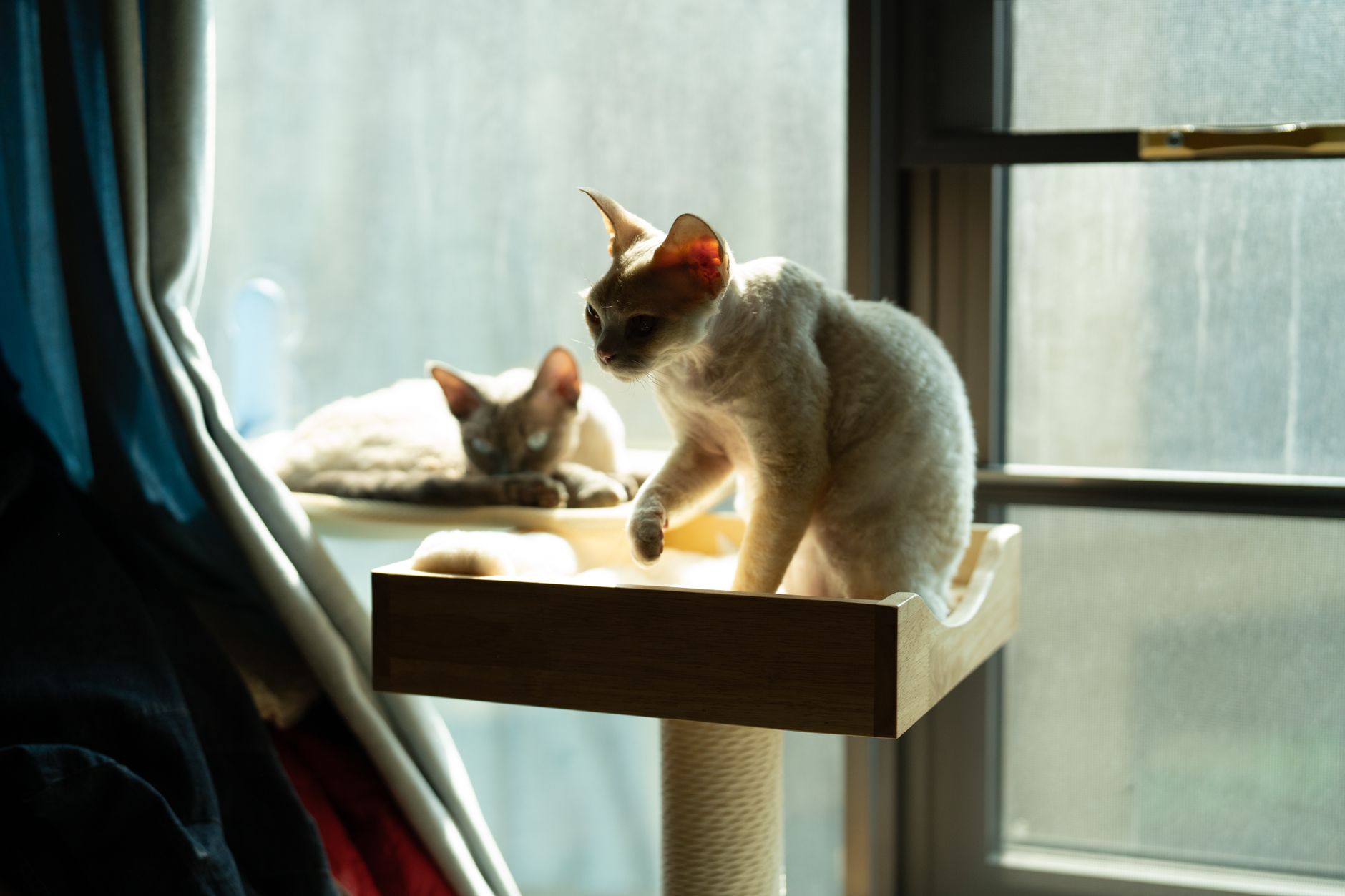
The German Rex is an incredibly affectionate, medium-sized cat distinguished by its soft, crimped coat and puppy-like loyalty. In my years treating this breed, I have found their social, warm-hearted nature and high intelligence make them stellar companions, particularly for active households and families who can provide the constant companionship they crave.
Quick Facts
- origin countryGermany
- breed groupRex
- sizeMedium
- weight range6 to 10 lbs (2.7 to 4.5 kg)
- height range10 to 12 inches (25 to 30 cm)
- lifespan12 to 15 years
- coat typeShort, wavy, velvety, lacking guard hairs
- common colorsAll colors and patterns are accepted, including white, black, blue, red, cream, and various tabby or bi-color patterns
- other namesDeutsch Rex
- recognized byFIFe, WCF
Caring for a German Rex
Living with a German Rex means welcoming an active, perpetually warm shadow into your daily life. Because their unique, single-layered wavy coat lacks insulating guard hairs, they actively seek out heat sources—meaning you will often find them draped over your shoulders, resting on your laptop, or burrowed deep under the bedcovers. In my practice, I always emphasize that these cats do not tolerate drafty or cold environments, meaning indoor climate control is non-negotiable. They are highly social creatures that thrive when integrated into daily household activities rather than being left alone for long stretches.
Is a German Rex a good family pet?
Yes, they make exceptional family pets due to their highly tolerant, patient, and playful nature. In my clinical experience, they adapt beautifully to the bustling energy of children, provided kids are taught to handle their delicate coats and bodies with respect.
Do German Rexs shed a lot?
No, they shed very minimally because they lack guard hairs and their delicate undercoat hair is light and crimped. However, they are not completely non-shedding, and their natural dander and sebum can still trigger reactions in sensitive individuals.
Is a German Rex good for first-time owners?
They can be excellent for first-time owners who are prepared for an highly social, active cat. However, if you are looking for an independent, low-maintenance pet that can be ignored for 10 hours a day, this breed is not a suitable choice.
Temperament & Personality
In my clinical experience, the German Rex exhibits an incredibly well-balanced, joyful temperament that bridges the gap between canine-like loyalty and feline agility. They possess an innate, lifelong curiosity and a gentle, patient disposition that makes them highly resilient to the chaotic energy of a busy home. They are vocal but not piercingly so, using soft, chirping mews to communicate their needs or solicit play from their favorite humans.
Is a German Rex good with other pets?
Absolutely. I frequently observe that German Rex cats do exceptionally well with friendly dogs and other social cats, often curling up with them for warmth and interactive play.
How much attention does a German Rex need?
They require a significant amount of daily interaction and do not do well with isolation. I recommend they have a companion animal or an owner who works from home to prevent boredom-induced stress.
Training & Behavior
Training a German Rex is highly rewarding because their high cognitive capacity is paired with an eager-to-please attitude. I recommend starting clicker training early, around 12 to 16 weeks of age, to channel their physical energy into positive mental milestones. This proactive approach prevents common boredom-induced behaviors like shelf-clearing or door-scratching.
Training Tips
- Use clicker training to teach basic commands and parlor tricks
- Keep training sessions short and dynamic (3-5 minutes maximum)
- Always reward with high-value, high-protein treats to keep them motivated
- Introduce puzzle feeders early to satisfy their problem-solving instincts
- Train them to accept harness walking for supervised outdoor enrichment
Fun Activities
- Playing fetch with lightweight crinkle balls
- Navigating vertical climbing walls and high cat trees
- Solving level-2 and level-3 interactive puzzle toys
- Supervised harness walking on warm, sunny days
- Learning agility courses designed for domestic cats
Is a German Rex easy to train?
Yes, they are remarkably easy to train compared to many other feline breeds. Their combination of high food motivation, curiosity, and desire for human engagement makes them prime candidates for clicker training and leash walking.
German Rex Health Issues
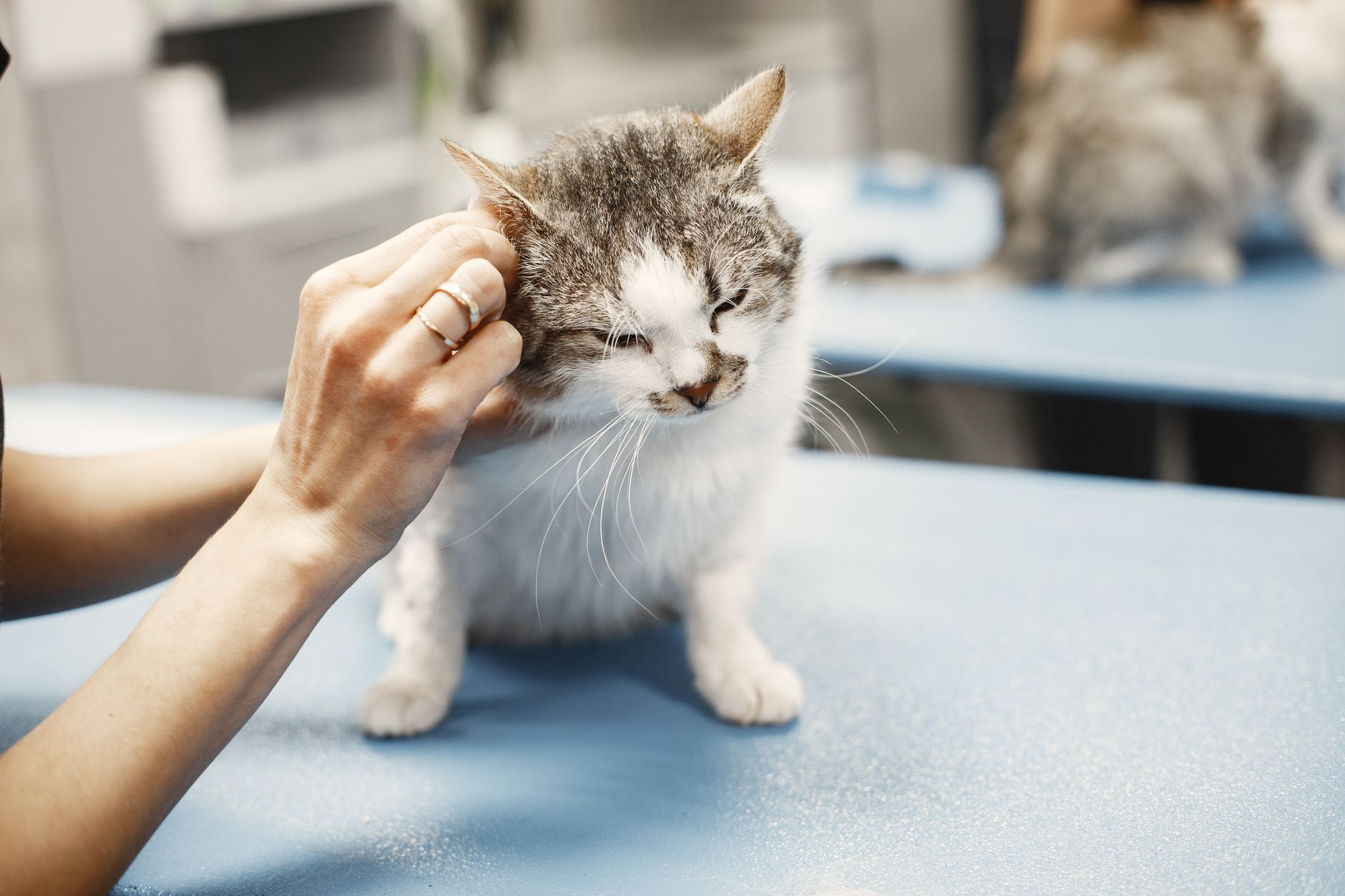
The German Rex is a structurally robust, genetically diverse breed with a relatively small gene pool that requires careful breeder screening. What I see most often in practice are conditions related to their unique coat physiology, environmental sensitivities, and standard feline hereditary cardiac risks.
Hypertrophic Cardiomyopathy (HCM)
A hereditary condition characterized by the abnormal thickening of the left ventricular heart muscle, which can lead to heart failure or thromboembolism. It is a critical concern in many pedigree cats, requiring careful breeder screening.
Seborrheic Dermatitis
An overproduction of sebum (skin oil) that can accumulate on the skin and coat because they lack normal guard hairs to wick away and distribute these natural oils.
Patellar Luxation
An orthopedic condition where the kneecap temporarily slips out of its anatomical groove, which can occur in active, athletic jumping breeds.
Hypothermia and Sunburn
Due to their ultra-thin, single-layer coat, they possess virtually no natural insulation against cold drafts and have zero physical protection against solar UV radiation.
Periodontal Disease
Like many purebred domestic cats, they can be highly prone to early-onset plaque accumulation, gingivitis, and progressive alveolar bone loss if dental care is neglected.
How long do German Rexs typically live?
With proper indoor care, routine veterinary wellness exams, and a high-quality diet, a German Rex typically enjoys a long lifespan of 12 to 15 years, with some reaching 16 or 17.
What to Feed a German Rex
Because of their thin coat, German Rex cats have a slightly higher basal metabolic rate than standard domestic shorthairs, as they expend more caloric energy simply maintaining their core body temperature. It is critical to balance this high caloric demand with precise portion control to prevent sudden weight gain once they reach maturity.
Best Diet
I highly recommend a high-protein, moderate-fat wet diet as the baseline for this breed, which helps maintain lean muscle mass while keeping their skin hydrated. Look for premium formulas where named meats (such as chicken, turkey, or salmon) are the primary ingredients.
How to Feed
I advise split-feeding their daily caloric allotment into 3 to 4 small meals per day using microchip-activated feeders or puzzle toys. This mimics natural hunting behaviors and prevents the ‘scarf-and-barf’ reflex common in highly active breeds.
How Much to Feed
The exact caloric intake should be calculated with your veterinarian based on your cat’s current body condition score (BCS). Typically, an active 8-pound adult German Rex requires roughly 220 to 260 calories per day, adjusted for individual activity levels.
Nutritional Tips
Incorporate Omega-3 fatty acid supplements (such as high-quality wild-caught salmon oil) into their diet. This clinically supports the skin barrier, reduces the severity of seborrhea, and keeps their delicate curly coat soft and resilient.
German Rex Grooming Guide
Grooming a German Rex requires a gentle touch because their wavy hairs are incredibly fine and can easily snap under heavy brushing. The primary goal of their grooming routine is managing skin oils and protecting their delicate skin rather than detangling matted fur.
Coat Care
Never use wire slicker brushes or harsh metal combs on this breed. Instead, gently wipe their coat once a week with a soft chamois cloth or a very soft-bristled baby brush to distribute natural oils and remove dead hair.
Skin Care
Because they lack guard hairs to absorb oils, wipe down their belly, armpits, and skin folds bi-weekly with an unscented, alcohol-free pet wipe to prevent sebaceous build-up. Only bathe them with a mild, veterinary-approved oatmeal shampoo if they feel greasy to the touch.
Eye Care
Wipe the corners of their eyes weekly with a damp, warm cotton ball to remove any mild discharge, using a fresh cotton ball for each eye to prevent cross-contamination.
Ear Care
Check their ears weekly for dark, waxy build-up, which is common in Rex breeds; clean them gently using a veterinarian-recommended ear flush and a cotton round, never inserting cotton swabs into the ear canal.
Nail & Dental Care
Trim their claws every 10 to 14 days and establish a daily tooth-brushing routine using veterinary enzymatic toothpaste to combat their predisposition to early periodontal disease.
Considerations for Pet Parents
Pros
- Incredibly affectionate, human-centric, and loving temperament
- Very low-shedding coat, which keeps furniture cleaner
- Highly intelligent and easily trained to do tricks and walk on a leash
- Generally excellent with children, dogs, and other household pets
- Playful and entertaining personality that persists well into their senior years
- Extremely soft, unique velvety texture that is highly pleasant to pet
Cons
- Highly sensitive to cold drafts, requiring sweaters or climate-controlled environments
- Prone to greasy skin and wax buildup if a strict grooming routine is not maintained
- Extremely rare and difficult to acquire from reputable breeders outside of Europe
- Does not tolerate being left alone for long periods and can develop separation anxiety
- Can suffer from genetic cardiac issues like HCM if pedigree lines are not carefully screened
Best For
The German Rex is best suited for active, multi-pet households, families with older children, or work-from-home professionals who can offer abundant social stimulation, physical play, and a warm, draft-free indoor sanctuary.
Not Recommended For
I do not recommend this breed for households where the cat will be left alone for 8 to 10 hours a day, homes located in cold or damp climates without consistent indoor heating, or owners looking for a low-maintenance, independent pet.
Cost
- purchase price$1,200 to $2,500 USD
- monthly cost$80 to $150 USD
- initial setupInitial setup costs typically range from $600 to $1,000, which should include high-quality heated cat beds, indoor climbing trees, cold-weather cat sweaters, puzzle toys, and immediate veterinary baseline wellness exams.
Similar Breeds
Related Cat Guides
German Rex FAQs
Is the German Rex hypoallergenic?
No cat is entirely hypoallergenic. While the German Rex sheds very little dander and hair into the environment, they still produce the Fel d 1 protein in their saliva, skin sebum, and urine, which is the primary driver of feline allergies.
What is the genetic difference between a German Rex and a Cornish Rex?
While both breeds share a similar wavy coat, the German Rex’s gene mutation is genetically compatible with the Cornish Rex’s gene, yet they developed independently. Physically, the German Rex has a heavier, more muscular, and rounded European domestic shorthair body type compared to the slender, tuck-up silhouette of the Cornish Rex.
Do German Rex cats need to wear sweaters?
During colder seasons or in homes with air conditioning set below 70°F (21°C), they absolutely benefit from wearing soft, well-fitting cat sweaters to help them maintain their core body temperature and prevent hypothermia.
How did the German Rex breed originate?
The breed traces back to a single feral, curly-coated black female kitten named Lämmchen (‘Little Lamb’) rescued near a hospital in East Berlin in 1947 by Dr. Rose Scheuer-Karpin. Lämmchen became the foundation matriarch of the breed.
Are they prone to skin infections?
Yes, if their natural skin oils are not regularly wiped away, they can suffer from yeast or bacterial dermatitis. In my clinic, I emphasize maintaining a bi-weekly skin wipe-down routine to prevent these dermatological issues.
Can a German Rex be an outdoor cat?
Absolutely not. Due to their thin coat, they are highly vulnerable to hypothermia, severe sunburn, and skin cancer, and they lack the physical protection needed to defend themselves against predators or harsh weather.
Why is my German Rex’s coat thinning or balding?
Thinning coat can be seasonal, but it can also indicate stress, nutritional deficiencies, endocrine imbalances, or a genetic condition known as follicular dysplasia. If you notice bald patches, you should consult your veterinarian for a skin scrape and diagnostic bloodwork.
How often should I clean my German Rex’s ears?
You should inspect their ears weekly. Because Rex cats often produce more ear sebum than other breeds, they typically require cleaning every 1 to 2 weeks with a veterinarian-approved ear cleaner to prevent yeast infections.
Do they get along well with dogs?
In my clinical experience, yes. Their bold, energetic, and highly social nature means they often view friendly, respectful dogs as excellent playmates and cuddle companions.
Do German Rex cats require a special diet?
They do not require a prescription diet unless they have an underlying medical issue, but they do best on high-calorie, nutrient-dense wet foods to support their accelerated metabolism and high energy levels.
Are German Rex cats vocal?
They are moderately vocal. They will not constantly yell like a Siamese, but they love to carry on soft, chirping conversations with their owners, especially around meal times or when they want to play.
Can I brush a German Rex?
Yes, but you must only use extremely soft brushes, such as a soft-bristled baby brush, or a damp chamois cloth. Rigid plastic or metal combs will snap their delicate, wavy hairs and scrape their sensitive skin.
What is their energy level like compared to other cats?
They are highly active and athletic cats. They remain kitten-like and playful well into their senior years, requiring plenty of vertical space, scratching posts, and daily interactive play to stay happy.