
Bohemian Rex Breed Guide

Quick Summary
The Bohemian Rex is a rare, long-haired, curly-coated feline that combines the calm, placid disposition of the Persian with a highly unique, wavy coat. Best suited for quiet, indoor-only households, this breed requires an owner dedicated to high-maintenance grooming and proactive veterinary care to manage their unique skin and structural needs.
Quick Facts
- origin countryCzech Republic
- breed groupRex / Longhair
- sizeMedium
- weight range8 to 15 lbs (3.6 to 6.8 kg)
- height range10 to 14 inches
- lifespan12 to 15 years
- coat typeLong, dense, curly/wavy, and incredibly soft
- common colorsAll Persian colors and patterns, including solids, tabbies, bi-colors, and points
- other namesCzech Curly Cat, Bohemian Rex, Tsjechische Rex
- recognized byFIFe (provisionally)
Caring for a Bohemian Rex
Living with a Bohemian Rex means dedicating significant time to coat and skin management, as their unique curly, long fur is highly prone to trapping sebum and developing painful matting. In my years treating this breed, I cannot overstress that these are strictly indoor companions due to their delicate coats and compromised respiratory pathways. They thrive on a highly consistent daily routine and prefer a serene environment over a chaotic, high-activity household. You will need to establish daily eye cleaning and coat detangling rituals early in kittenhood to ensure they remain comfortable and healthy.
Is a Bohemian Rex a good family pet?
Yes, they make wonderfully affectionate companions for gentle, quiet families. However, because of their high grooming needs and sensitive nature, I advise against placing them in homes with boisterous toddlers who may accidentally pull on their delicate curls or stress them with loud noises.
Do Bohemian Rexs shed a lot?
While they do shed, their curly undercoat tends to trap loose hairs rather than dropping them onto your furniture. This means that instead of heavy shedding around the house, the dead hair stays trapped in the coat, forming tight, painful mats unless brushed out daily.
Is a Bohemian Rex good for first-time owners?
Generally, I do not recommend this breed for novices. Their intensive daily grooming requirements, predisposition to skin fold infections, and potential hereditary Persian health issues require a level of experience and commitment that can overwhelm a first-time cat owner.
Temperament & Personality
The Bohemian Rex inherits the placid, sweet-tempered disposition of its Persian ancestors, making them exceptionally quiet and deeply affectionate companions. They are not high-flying acrobats; instead, you will find them lounging on a soft cushion or curled up in your lap, observing the household with calm curiosity. While they enjoy gentle play, they are highly sensitive to loud noises and sudden changes in their environment. What I see most often in practice is that their quiet nature can make them hide if their home environment becomes too chaotic.
Is a Bohemian Rex good with other pets?
They get along beautifully with peaceful dogs and other calm cats, provided they are introduced slowly. Because of their docile nature, they can easily be bullied by highly dominant or hyperactive pets, so choosing compatible, gentle housemates is crucial.
How much attention does a Bohemian Rex need?
They are highly social in a quiet way and do not tolerate long periods of isolation well. While they will not demand your attention with loud meows, they thrive on physical closeness and require daily interaction, including their grooming sessions, to feel secure.
Training & Behavior
Training a Bohemian Rex requires patience and a very gentle touch, as they shut down completely under pressure or loud tones. They are moderately intelligent and can learn basic household rules and simple tricks if rewarded with high-value treats in a quiet setting. The main focus of their behavioral training should be positive reinforcement and desensitization to grooming tools from day one. In my practice, I find that clicker training works wonders to build their confidence during necessary veterinary and grooming exams.
Training Tips
- Use low-stress, positive reinforcement methods
- Start grooming desensitization on day one
- Keep training sessions short (2-3 minutes)
- Never raise your voice or punish them
- Incorporate liquid squeeze treats during nail trims
Fun Activities
- Gentle feather wand play
- Interactive puzzle feeders
- Clicker training for basic husbandry
- Supervised outdoor time in a secure pet stroller
- Watching birds from a secure windowsill
Is a Bohemian Rex easy to train?
They are moderately easy to train but have a low drive compared to active breeds like the Siamese. They respond best to quiet, distraction-free sessions where they can process commands at their own relaxed, methodical pace.
Bohemian Rex Health Issues
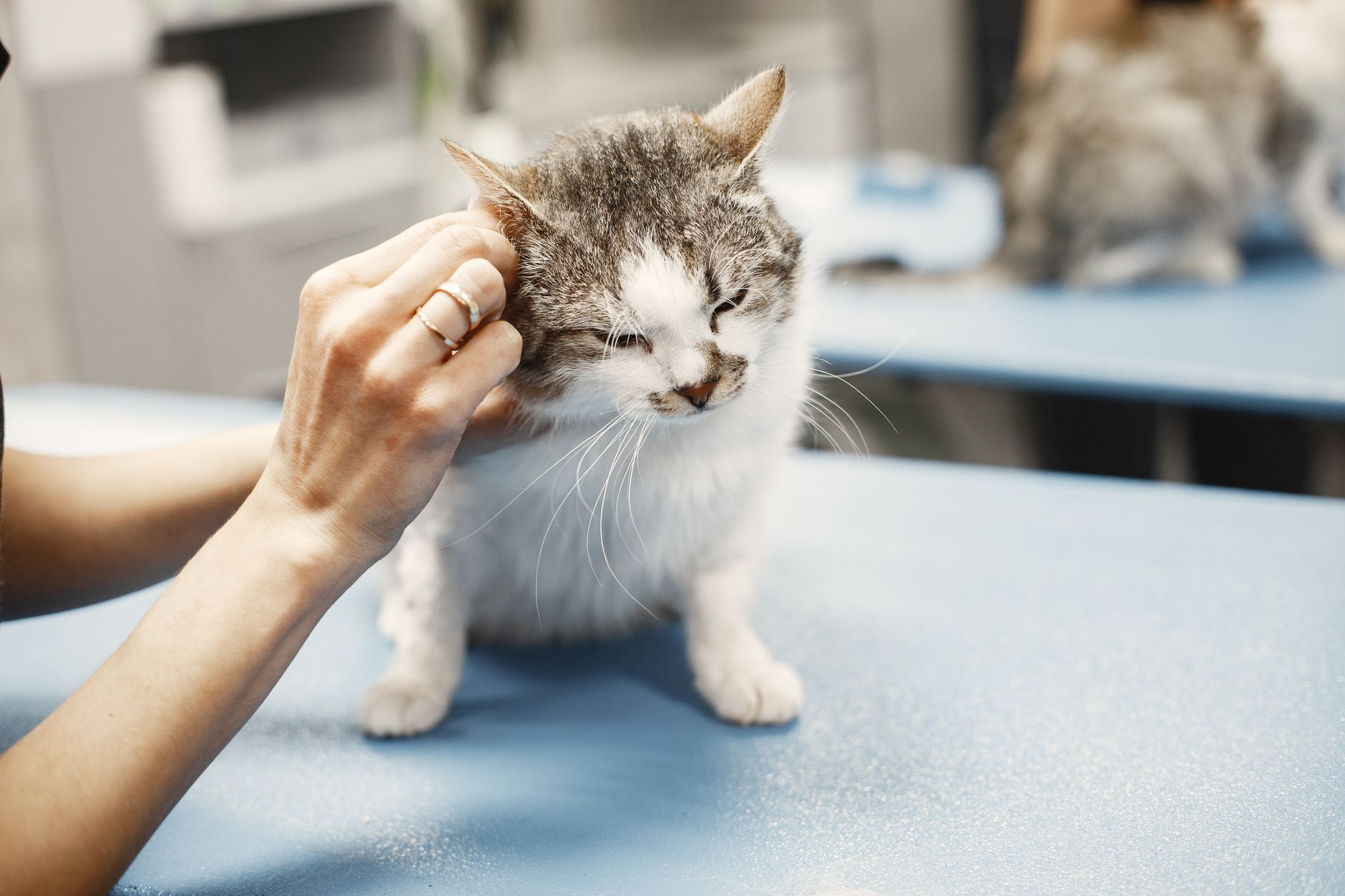
As a breed derived directly from Persian stock, the Bohemian Rex carries genetic predispositions to several serious hereditary conditions. From a clinical perspective, preventative screening—specifically DNA testing and regular veterinary cardiac ultrasounds—is non-negotiable for these cats.
Polycystic Kidney Disease (PKD)
An inherited condition where fluid-filled cysts develop in the kidneys from birth, slowly replacing healthy tissue and leading to chronic kidney failure. Because this is a dominant gene inherited from Persian lines, DNA testing of parents is essential.
Hypertrophic Cardiomyopathy (HCM)
The most common heart disease in cats, characterized by an abnormal thickening of the left ventricular muscle wall, which can lead to heart failure or sudden arterial clots.
Brachycephalic Airway Syndrome
Due to their shortened facial structure, these cats often suffer from narrowed nostrils and an elongated soft palate, which compromises their ability to breathe efficiently.
Skin Fold Dermatitis & Seborrhea
The combination of deep facial folds, a curly coat, and natural sebum production creates a breeding ground for bacterial and yeast infections.
Entropion & Corneal Ulcers
An inward rolling of the eyelids that causes the eyelashes to rub against the cornea, leading to painful irritation and potential ulceration.
How long do Bohemian Rexs typically live?
With diligent indoor care, a controlled diet, and proactive veterinary screening, a Bohemian Rex typically lives between 12 and 15 years, closely matching the lifespan of their Persian ancestors.
What to Feed a Bohemian Rex
Feeding a Bohemian Rex requires a careful balance to prevent obesity, as their low-energy lifestyle makes them highly prone to rapid weight gain. Additionally, their flat facial structure can make picking up dry kibble difficult, requiring specialized feeding dishes.
Best Diet
I highly recommend a high-moisture, premium wet food diet to support kidney health and prevent urinary crystals. Look for formulas rich in omega-3 and omega-6 fatty acids to nourish their unique skin barrier and curly coat.
How to Feed
I strongly advise against free-feeding. Instead, establish 2 to 3 portion-controlled meals daily using flat, shallow ceramic or stainless steel bowls that do not irritate their sensitive whiskers or flat faces.
How Much to Feed
Portions must be tailored strictly to their activity level and weight; a typical indoor adult requires about 200 to 250 calories per day. Always consult your veterinarian to calculate exact caloric needs based on a body condition score.
Nutritional Tips
Incorporate high-quality wild-caught salmon oil to dramatically reduce dry skin scaling and coat matting. For older cats, joint supplements like glucosamine and chondroitin are highly beneficial to support their heavy, cobby joints.
Bohemian Rex Grooming Guide
Grooming a Bohemian Rex is a daily clinical necessity, not a weekly chore, requiring a gentle hand to preserve their delicate curls. Their unique long, wavy coat easily traps grease and dead hair, leading to severe matting and painful skin infections if ignored.
Coat Care
Gently comb the coat daily using a wide-toothed metal comb to detangle, avoiding slicker brushes which can damage the curl pattern. Pay extra attention to high-friction areas like the armpits and behind the ears.
Skin Care
Wipe facial folds daily with a damp, veterinary-approved antiseptic cloth to prevent yeast build-up. Regular bathing every 4 to 6 weeks with a degreasing, hypoallergenic shampoo is necessary to manage skin oils.
Eye Care
Because of their brachycephalic structure, they suffer from constant tear overflow; wipe the eye corners daily with a clean, damp cotton round to prevent staining and dermatitis.
Ear Care
Check ears weekly for wax buildup, which can be heavier due to their rex coat genes, and clean using a vet-recommended flush if debris is present.
Nail & Dental Care
Clip nails every 2 to 3 weeks, and brush teeth daily using enzymatic pet toothpaste to combat periodontal disease, to which flat-faced breeds are highly predisposed.
Considerations for Pet Parents
Pros
- Extremely affectionate and loving companion
- Quiet, peaceful, and well-behaved indoors
- Unique, striking, and beautiful curly coat
- Excellent lap cat and companion for quiet households
- Gets along well with other calm, gentle pets
- Minimal vocalization and low-key nature
Cons
- Extremely high daily grooming demands
- Prone to serious hereditary health conditions (PKD, HCM)
- Highly sensitive to environmental stress and noise
- Can be difficult to find due to extreme breed rarity
Best For
Experienced cat owners, quiet or retired households, and individuals who find genuine joy in a daily, high-maintenance grooming routine and can afford comprehensive preventative veterinary care.
Not Recommended For
Busy families with young children, owners who travel frequently, or anyone looking for a low-maintenance, ‘hypoallergenic’ pet, as their grooming and health needs are intensive.
Cost
- purchase price$1,200 – $2,500
- monthly cost$120 – $200
- initial setupInitial setup costs, including diagnostic genetic screenings, grooming tools, and specialized flat dishes, will range from $500 to $1,000.
Similar Breeds

Related Cat Guides
Bohemian Rex FAQs
Are Bohemian Rex cats hypoallergenic?
No, they are not hypoallergenic. They produce the Fel d 1 protein in their saliva and skin just like other cats, and their long, curly coat actually traps dander and sebum, which can trigger allergies during grooming.
Where did the Bohemian Rex originate?
The breed originated in the former Czechoslovakia (now the Czech Republic) during the late 1980s. They emerged from litters of Persian cats that carried a spontaneous, recessive gene for curly hair.
How is the Bohemian Rex different from the Selkirk Rex?
While both have curly coats, the Bohemian Rex arose from Persian stock in Eastern Europe and has a different genetic mutation than the Selkirk Rex, which originated in the United States and has a rounder, stockier body.
Do Bohemian Rex cats get along with dogs?
Yes, they can live peacefully with dogs, provided the dog is calm and respectful of the cat’s quiet nature. Hyperactive or predatory dogs will easily stress out this gentle breed.
Can you shave a Bohemian Rex cat?
If severe, painful matting occurs, a professional veterinary shave-down may be necessary for the cat’s health. However, shaving should not be done routinely, as their coat provides vital temperature regulation and skin protection.
What is the coat texture of a Bohemian Rex?
The coat is incredibly soft, dense, and plush, forming soft curls, waves, or ringlets. It feels highly unique—often compared to fine, curled lamb’s wool.
Do Bohemian Rex cats suffer from breathing problems?
Yes, because of their Persian-derived brachycephalic (flat-faced) structure, they can suffer from breathing difficulties, snoring, and low stamina, especially in hot or humid weather.
How often do I need to wash my Bohemian Rex?
I recommend bathing them every 4 to 6 weeks. Their curly hair traps natural body oils, which can lead to greasy, smelly skin and subsequent yeast infections if not regularly washed out.
Is the Bohemian Rex recognized by major cat registries?
They are recognized provisionally by FIFe (Fédération Internationale Féline) but remain unrecognized by the CFA or TICA due to their extreme rarity and close genetic relationship to Persians.
Are Bohemian Rex cats vocal?
No, they are exceptionally quiet cats. When they do vocalize, it is typically a very soft, melodic chirp or purr, rather than a demanding, loud meow.
What genetic tests should I request from a Bohemian Rex breeder?
You should insist on seeing official DNA clearance certificates showing both parents are negative for Polycystic Kidney Disease (PKD) and recent veterinary echocardiograms checking for Hypertrophic Cardiomyopathy (HCM).
Can Bohemian Rex cats live outdoors?
Absolutely not. Their fragile coat, low tolerance for heat and cold, flat-faced breathing challenges, and gentle, non-aggressive temperament make them highly vulnerable to outdoor dangers.
Why is my Bohemian Rex cat’s skin greasy?
This is a common issue where sebum (skin oil) builds up in their thick, curly coat. Daily face wiping and regular therapeutic bathing are necessary to manage this grease and prevent dermatitis.