
Asian Smoke Breed Guide

Quick Summary
The Asian Smoke is a captivating, highly interactive companion that combines the muscular grace and demanding intelligence of the Burmese with a breathtaking, silver-undercoated smoke coat. Ideal for active households where they won’t be left alone for long stretches, these ‘velcro cats’ thrive on deep family integration, veterinary-backed nutrition, and daily mental stimulation.
Quick Facts
- origin countryUnited Kingdom
- breed groupAsian Group (GCCF)
- sizeMedium
- weight range6 to 13 pounds (approx. 2.7 to 6 kg)
- height range8 to 10 inches
- lifespan12 to 15+ years
- coat typeShort, fine, satin-like with a silver-white undercoat and dark tipping
- common colorsBlack Smoke, Blue Smoke, Chocolate Smoke, Lilac Smoke, Red Smoke, Tortoiseshell Smoke
- other namesAsian Group, Burmilla (closely related)
- recognized byGCCF, FIFe, SACC
Caring for a Asian Smoke
Living with an Asian Smoke is an active, deeply rewarding partnership; these cats do not sit quietly in the background of your life. In my clinic, I frequently counsel owners that these cats require daily interactive play sessions to prevent frustration-induced behaviors like nocturnal vocalization or opening cabinets. Their short coat is remarkably low-maintenance, but their social battery is massive, requiring almost constant human or friendly feline companionship. Expect a cat that follows you from room to room, supervising everything from meal prep to your morning routine.
Is a Asian Smoke a good family pet?
Yes, they are spectacular family pets for households that can offer them plenty of interaction. In my practice, I find they bond deeply with children who respect their boundaries and enjoy teaching them tricks, welcoming a bustling household rather than hiding from it.
Do Asian Smokes shed a lot?
No, they are relatively low-shedding compared to double-coated breeds. Their coat is short, fine, and close-lying, meaning a weekly brush with a rubber grooming mitt is usually more than enough to capture dead hairs and keep their dramatic silver undercoat looking immaculate.
Is a Asian Smoke good for first-time owners?
They can be excellent for first-time owners, but only if they understand their high emotional demands. If you expect a quiet, highly independent ornament, you will be overwhelmed; however, if you want an incredibly dog-like, interactive companion and are home often, they are a joy.
Temperament & Personality

The Asian Smoke possesses a sparkling, extroverted personality that inherits the playful curiosity of the Burmese alongside a slightly gentler, sweeter disposition. In my exams, they are rarely fearful; instead, they eagerly explore the stethoscope and attempt to help me write their medical charts. They are deeply affectionate, often insisting on sleeping under the covers or draped across your shoulders. This highly social nature means they can easily suffer from separation anxiety if left solitary for extended periods.
Is a Asian Smoke good with other pets?
Absolutely, they thrive in multi-pet environments. I frequently recommend that owners who work full-time adopt them in pairs or ensure there is an active, friendly dog in the home to keep them company and prevent separation distress.
How much attention does a Asian Smoke need?
They require a significant amount of daily direct interaction. This is not a breed you can ignore; they expect to be active participants in your daily routine and will vocalize or engage in attention-seeking mischief if they feel neglected.
Training & Behavior
Because of their high intelligence and Burmese ancestry, Asian Smokes are exceptionally trainable and highly responsive to positive reinforcement. In my clinical experience, behavior problems in this breed almost always stem from boredom rather than spite or stubbornness. Starting clicker training at a young age provides the mental workout they crave, easily redirecting their high energy into desirable behaviors.
Training Tips
- Use clicker training to teach commands
- Introduce puzzle feeders for mental stimulation
- Keep training sessions short and reward-heavy
- Leash-train early using a secure H-harness
- Direct energy into positive play to prevent counter-surfing
Fun Activities
- Fetch with crinkle toys
- Leash walking outdoors
- Agility course navigation
- Interactive puzzle games
- Learning tricks like ‘sit’ and ‘high-five’
Is a Asian Smoke easy to train?
Yes, they are incredibly quick learners. They respond beautifully to reward-based clicker training and can easily learn to fetch, walk on a harness, and follow basic commands that most people only expect from dogs.
Asian Smoke Health Issues
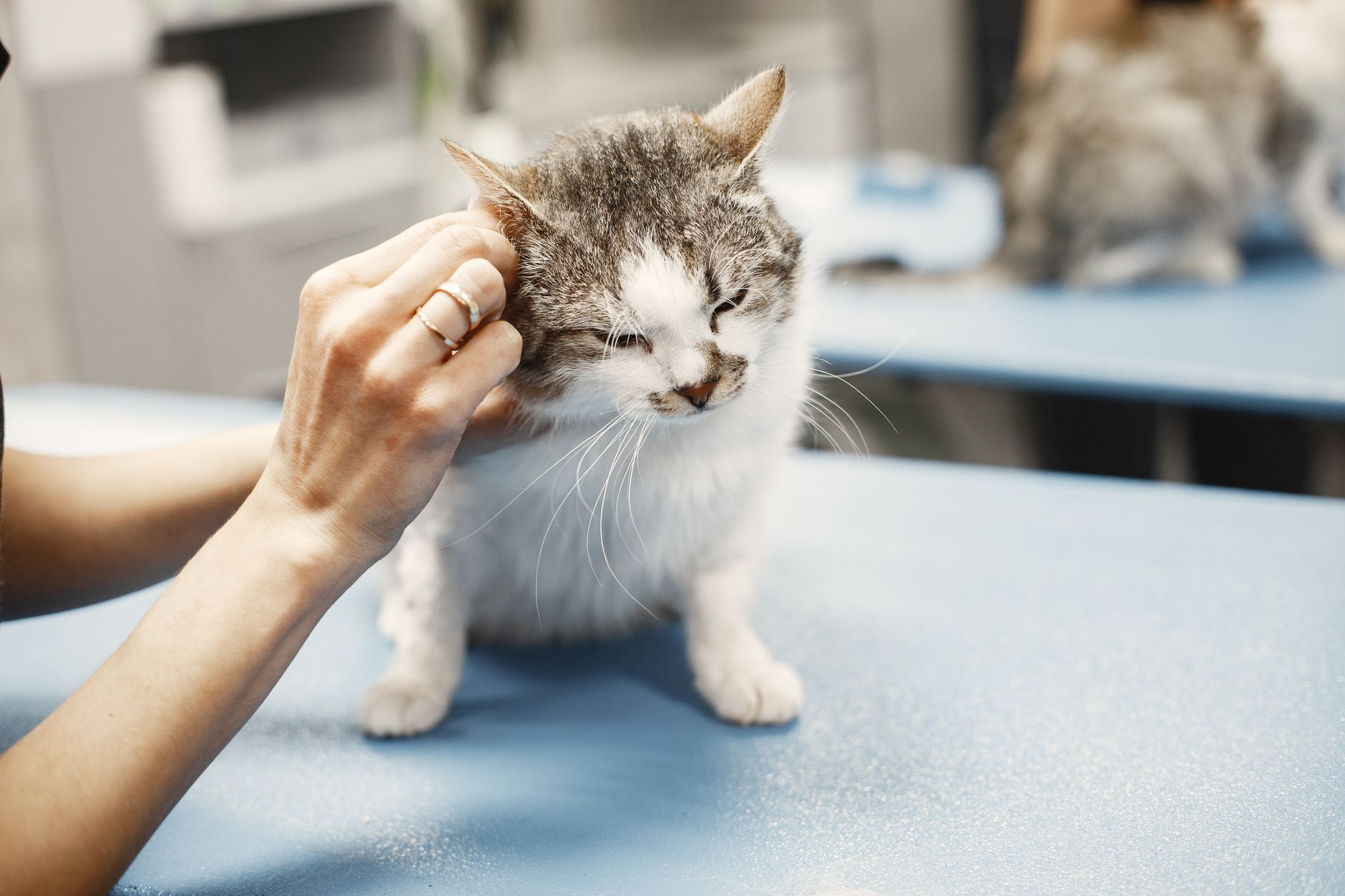
While the Asian Smoke is a robust and hardy breed due to its diverse hybrid origins, they are still genetically predisposed to certain conditions inherited from their Burmese and Persian ancestors. In my practice, I emphasize proactive screening—especially genetic testing and regular cardiac ultrasounds—to identify potential hereditary issues before clinical symptoms arise.
Polycystic Kidney Disease (PKD)
Inherited from their Chinchilla Persian ancestry, this genetic condition causes fluid-filled cysts to form in the renal parenchyma, eventually leading to progressive kidney failure. Fortunately, a simple DNA test can identify carriers before they are bred.
Hypokalemia (Periodic Polymyopathy)
A genetic condition inherited from the Burmese line characterized by low blood potassium levels, which leads to skeletal muscle weakness. It is episodic in nature and can be managed effectively with potassium supplementation once diagnosed.
Hypertrophic Cardiomyopathy (HCM)
The most common heart disease in cats, causing thickening of the left ventricular muscle wall, which compromises cardiac efficiency. Regular echocardiograms by a board-certified veterinary cardiologist are the gold standard for early detection.
Diabetes Mellitus
Due to their close genetic ties to the Burmese, Asian Smokes have a higher clinical incidence of type-2-like diabetes. Obesity is the primary trigger, making strict weight management vital throughout their adult lives.
How long do Asian Smokes typically live?
With excellent veterinary care, a high-quality diet, and strict indoor living, an Asian Smoke can easily live between 12 and 15+ years. Many individuals in my practice routinely reach their late teens in excellent health.
What to Feed a Asian Smoke
Feeding an Asian Smoke requires a careful balance to fuel their high activity levels while preventing the onset of obesity, which they are prone to if overfed. Because of their risk for diabetes, I strongly advocate for a diet that is high in animal protein and very low in simple carbohydrates.
Best Diet
I recommend a premium, wet-food-focused diet rich in animal proteins like chicken, turkey, or fish, with minimal grain fillers. Wet food provides crucial hydration that supports renal and urinary tract health, mitigating their risk for PKD complications or bladder stones.
How to Feed
Feed them measured meals twice daily rather than leaving kibble out for free-feeding. Using puzzle toys or slow-feeders is a fantastic way to slow down their eating while providing the mental stimulation their active brains require.
How Much to Feed
Portion sizes should be tailored to their exact weight and activity level, typically averaging around 200 to 250 calories per day for an active 10-pound adult. Always consult your veterinarian to calculate a precise caloric plan based on body condition scoring.
Nutritional Tips
Ensure their diet contains adequate levels of L-carnitine to support lean muscle mass and taurine for cardiac health. Adding a high-quality omega-3 fatty acid supplement can further support skin health and enhance the lustrous sheen of their smoke coat.
Asian Smoke Grooming Guide
The Asian Smoke’s coat is a marvel of genetics, featuring a dark tip and a contrasting silver-white undercoat that reveals itself beautifully when they move. Fortunately, maintaining this stunning coat is incredibly straightforward and doesn’t require professional intervention.
Coat Care
Brush their coat once or twice a week with a soft-bristled brush or a rubber curry mitt to remove loose hairs and distribute natural skin oils. During seasonal shedding transitions in spring and fall, increasing this to three times a week will keep your furniture fur-free.
Skin Care
Their skin is generally healthy, but regular brushing helps prevent dry skin flakes. I recommend checking their skin during grooming sessions for any signs of dermatitis or flea activity.
Eye Care
Because of their slight Persian heritage, some individuals may have mildly prominent eyes that accumulate minor tearing. Gently wipe the corners of the eyes with a damp, warm cotton ball if you notice any discharge.
Ear Care
Inspect their ears weekly for wax buildup or redness. Clean only when necessary using a vet-approved, gentle ear cleaner and a cotton round, never inserting cotton swabs into the ear canal.
Nail & Dental Care
Clip their nails every 2-3 weeks to prevent snagging on carpets. Dental care is crucial; brush their teeth daily with veterinary-grade enzymatic toothpaste to prevent periodontal disease, which is highly common in domestic cats.
Considerations for Pet Parents
Pros
- Extremely affectionate and loyal
- Stunning, low-maintenance smoke coat
- Highly intelligent and easily trained
- Excellent with children and other pets
- Playful and entertaining throughout senior years
- Inquisitive and engaging companion
Cons
- Can be demanding and highly vocal
- Prone to separation anxiety if left alone
- Requires significant daily mental stimulation
- Prone to hereditary conditions like PKD or Hypokalemia
- Can be difficult to find from reputable breeders
Best For
An active, dedicated household where someone is home for most of the day, or where there are other social pets to keep them company. They are perfect for owners who want a highly interactive, dog-like feline partner.
Not Recommended For
Busy professionals who spend long hours away from home, or individuals seeking a quiet, independent, low-energy lap cat that requires minimal daily interaction.
Cost
- purchase price$800 to $1,800 USD
- monthly cost$80 to $150 USD
- initial setupExpect to spend $500 to $800 initially on high-quality vertical trees, scratching posts, carrier, litter boxes, and initial veterinary check-ups (including early genetic testing).
Similar Breeds

Burmese

Burmilla
Related Cat Guides
Asian Smoke FAQs
What exactly is a ‘smoke’ coat pattern?
The smoke pattern is a stunning genetic effect where each individual hair is banded. The bottom half of the hair shaft (closest to the skin) is a bright silver-white, while the top portion is deeply colored. When the cat is still, they may look solid-colored, but when they move, the coat ‘opens up’ to reveal the dramatic silver undercoat.
How does the Asian Smoke differ from the Burmilla?
Both belong to the Asian Group and share the same foundation (Burmese x Chinchilla Persian). The difference lies entirely in the coat pattern: the Burmilla has a ‘shaded’ or ‘tipped’ coat where only the very tips of the hair are colored, leaving the coat looking mostly silver-white. The Asian Smoke has much deeper tipping (up to half of the hair shaft), giving them a dark, dramatic appearance.
Are Asian Smokes hypoallergenic?
No, they are not hypoallergenic. They produce the Fel d 1 protein in their saliva and skin oils like all domestic cats. While their short, single coat means they shed less dander into the environment than long-haired breeds, they can still trigger reactions in allergy sufferers.
Why is my Asian Smoke so vocal?
They inherit their talkative nature from their Burmese ancestry. While generally quieter and less rasping than a Siamese, they will vocalize to greet you, demand food, or protest being shut out of a room. This is completely normal behavior for the breed.
How can I prevent separation anxiety in my Asian Smoke?
The best prevention is providing a companion animal, such as another cat or a friendly dog, to keep them company. Additionally, leave them with interactive puzzle toys, establish a predictable routine, and avoid making your departures and arrivals dramatic events.
Do they need a lot of vertical space?
Yes, absolutely. Asian Smokes are highly athletic and love to survey their domain from high vantage points. I recommend installing sturdy floor-to-ceiling cat trees, window perches, and wall shelves to keep them mentally stimulated and physically fit.
Can Asian Smokes live safely outdoors?
I strongly advise keeping them strictly indoors. Their highly curious, outgoing, and fearless nature makes them exceptionally vulnerable to traffic, predators, toxins, and theft. Harness training or a secure outdoor ‘catio’ are much safer alternatives for outdoor stimulation.
What genetic tests should I ask a breeder for?
Before purchasing, always ask the breeder for documented DNA test results proving the parent cats are negative for Polycystic Kidney Disease (PKD) and Hypokalemia. Reputable breeders will also have their breeding cats screened annually by a cardiologist for HCM.
How do they behave around dogs?
In my experience, they get along wonderfully with dogs, often behaving more like dogs themselves. Provided the dog is cat-friendly and introduced slowly, they will likely become playmates and sleep companions.
Are they prone to weight gain after neutering?
Like all cats, their metabolic rate slows slightly after spaying or neutering. Because of their genetic predisposition to diabetes, it is absolutely vital to transition them to a measured diet rather than free-feeding to prevent post-surgery weight gain.
Why does my Asian Smoke follow me everywhere?
This is their classic ‘velcro’ behavior at work. They are deeply bonded to their human families and possess an intense curiosity. They simply want to be involved in whatever you are doing, viewing themselves as helpful household assistants.
How do I manage their high intelligence?
Provide a rotating selection of puzzle feeders, teach them tricks using clicker training, and set up scavenger hunts by hiding small portions of their dry food around the house. Mental exhaustion is just as important as physical exercise for this breed.
Can they get along with birds or small pocket pets?
Despite their sweet nature, they still retain a strong, instinctual feline prey drive. I always advise owners that any interaction with birds, hamsters, or other small animals must be strictly supervised, and these small pets should be housed in secure, inaccessible rooms.
How often should they visit the vet as they age?
While young adults need an annual checkup, I recommend transitioning them to biannual (every 6 months) exams once they reach 7 or 8 years of age. This allows us to run routine blood work to catch early signs of renal decline, diabetes, or thyroid issues.
Is their coat color fully developed at birth?
No, it takes time. Kittens are often born with indistinct markings or faint ‘ghost’ tabby patterns. The dramatic contrast of the silver-white undercoat and the dark smoke tipping develops gradually and may not reach its full, spectacular depth until the cat is nearly two years old.