
Lancashire Heeler Breed Guide
Quick Summary
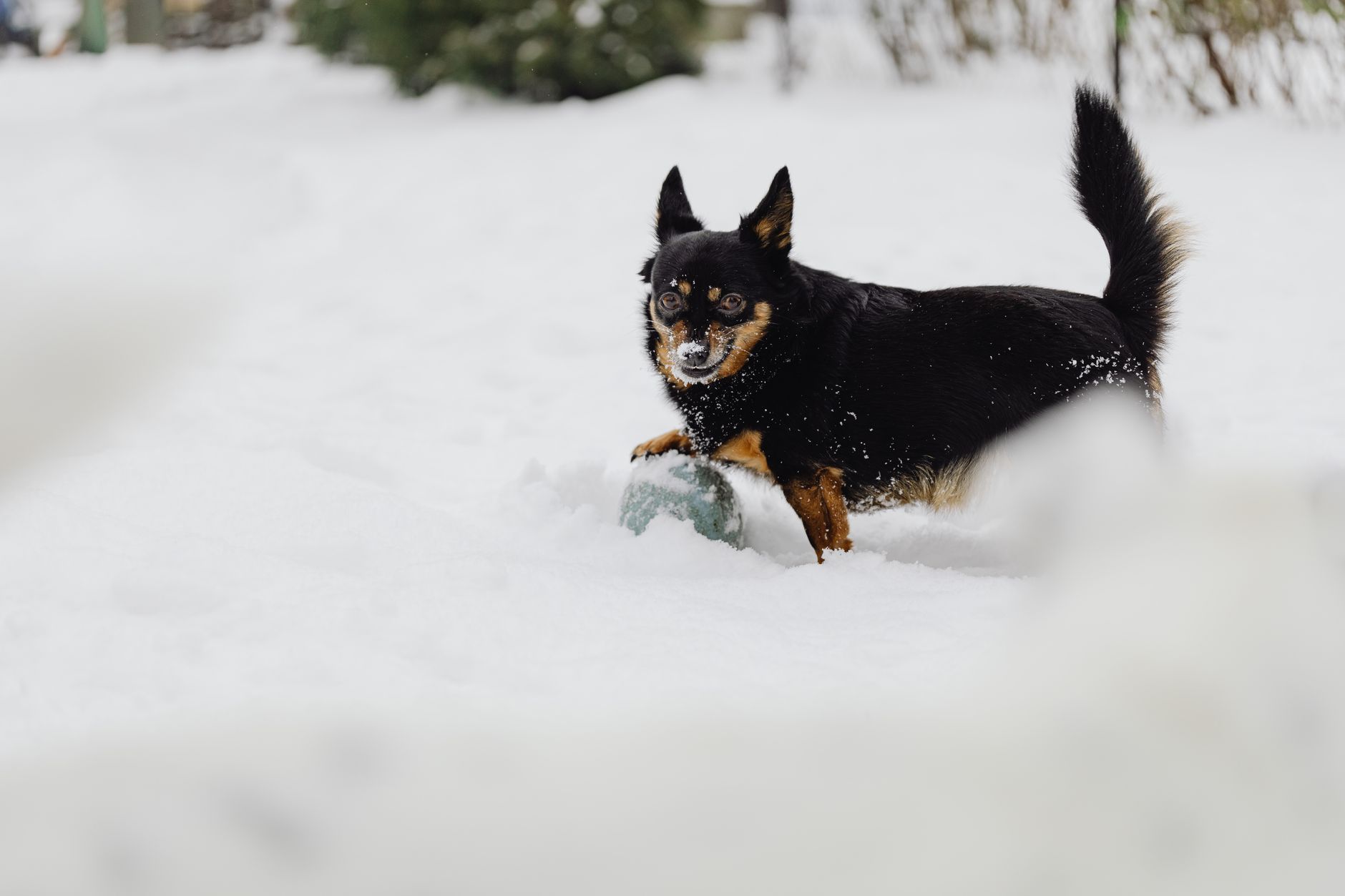
The Lancashire Heeler is a remarkably robust, pint-sized herding dog packed with a high-drive work ethic and a joyful, protective spirit. In my clinical experience, these versatile dogs thrive best in active, engaged households that can channel their sharp intelligence and natural herding drives into structured outlets. They are exceptionally loving companion animals for those who understand the unique needs of a working pastoral breed.
As an Amazon Associate, we earn from qualifying purchases.
Popular with Lancashire Heeler owners: Slicker Brush · Puzzle Toys · Dog Stairs
Quick Facts
- origin countryUnited Kingdom
- breed groupHerding Group (AKC)
- sizeSmall
- weight range9 to 17 pounds (4 to 8 kg)
- height range10 to 12 inches (25 to 30 cm) at the shoulder
- lifespan12 to 15 years
- coat typeShort, dense, weather-resistant double coat
- common colorsBlack and Tan, Liver and Tan
- other namesOrmskirk Heeler, Ormskirk Terrier
- recognized byAKC, UKC, KC (UK)
Caring for a Lancashire Heeler
Living with a Lancashire Heeler is an active partnership; they are not passive lapdogs despite their compact size. In my years treating this breed, I have observed that they require daily physical exercise paired with mental challenges to prevent boredom-induced behaviors. Their waterproof coat makes them incredibly low-maintenance in the grooming department, but their high energy means you must commit to daily play, training, or herding work. Owners should always be mindful of their long backs and short legs, taking steps to prevent unnecessary spinal stress from high jumps.
Is a Lancashire Heeler a good family pet?
Yes, they can make wonderful family pets, but they are generally best suited for families with older, respectful children. Because of their deep-seated herding instincts, they may attempt to ‘heel’ or nip at the ankles of fast-running toddlers, which requires active training and management to redirect.
Do Lancashire Heelers shed a lot?
They are moderate shedders throughout the year, but they will ‘blow’ their undercoat twice a year, typically in the spring and autumn. During these seasonal shedding periods, daily brushing with a slicker brush is necessary to manage the loose hair in your home.
Is a Lancashire Heeler good for first-time owners?
Generally, I do not recommend them for novice owners. Their strong-willed, intelligent, and independent herding nature means they will quickly take advantage of inconsistent boundaries, requiring a handler who understands positive reinforcement and canine behavior.
Temperament & Personality
The Lancashire Heeler possesses a wonderfully complex personality: they are fiercely loyal, intensely alert, and famously mischievous. What I see most often in practice is their deep bond with their primary caregivers, coupled with a natural, aloof reserve toward strangers. They are famous for the ‘Heeler smile,’ a quirky habit where they draw back their lips in what looks like a grin when they are happy or submissive, which owners often find incredibly endearing.
Is a Lancashire Heeler good with other pets?
They can co-exist beautifully with other dogs and cats if socialized thoroughly from puppyhood. However, due to their historical background as farm ratters, they possess a strong prey drive and should never be trusted unsupervised around pocket pets, rabbits, or birds.
Swihauk Self-Cleaning Slicker Brush
- ✓Release button for one-step hair removal
- ✓Rounded bristle tips are gentle on skin
- ✓Stainless steel pins in a compact design
- Fine wire pins lift loose undercoat and work out small tangles before they turn into mats
How much attention does a Lancashire Heeler need?
They are highly social, people-oriented dogs that crave inclusion in all family activities. If left isolated in a backyard or home alone for long stretches, they can easily develop separation anxiety, leading to destructive digging or barking.
Training & Behavior
Training a Lancashire Heeler requires patience, consistency, and a sense of humor. They are incredibly quick learners but have a distinct streak of independent terrier-like tenacity that makes repetitive drills boring for them. In my clinical view, incorporating play-based rewards and keeping training sessions under 10 minutes yields the most successful behavior modifications.
Training Tips
- Use high-value food rewards to keep their intense focus.
- Keep training sessions brief, dynamic, and fun to prevent boredom.
- Set firm, kind, and consistent boundaries from day one.
- Socialize them extensively to novel sights, sounds, and people before 16 weeks.
- Redirect herding or nipping behaviors onto interactive toys immediately.
Fun Activities
- Agility trials and obstacle courses
- Scent work and nosework games
- Flyball and disc chasing
- Barn Hunt and earthdog trials
- Interactive puzzle toys and hide-and-seek
Is a Lancashire Heeler easy to train?
They are highly capable and intelligent, making them easy to train for those who use positive reinforcement. However, their independent working-dog mindset means they will push boundaries if they sense their handler is passive or inconsistent.
Lancashire Heeler Health Issues
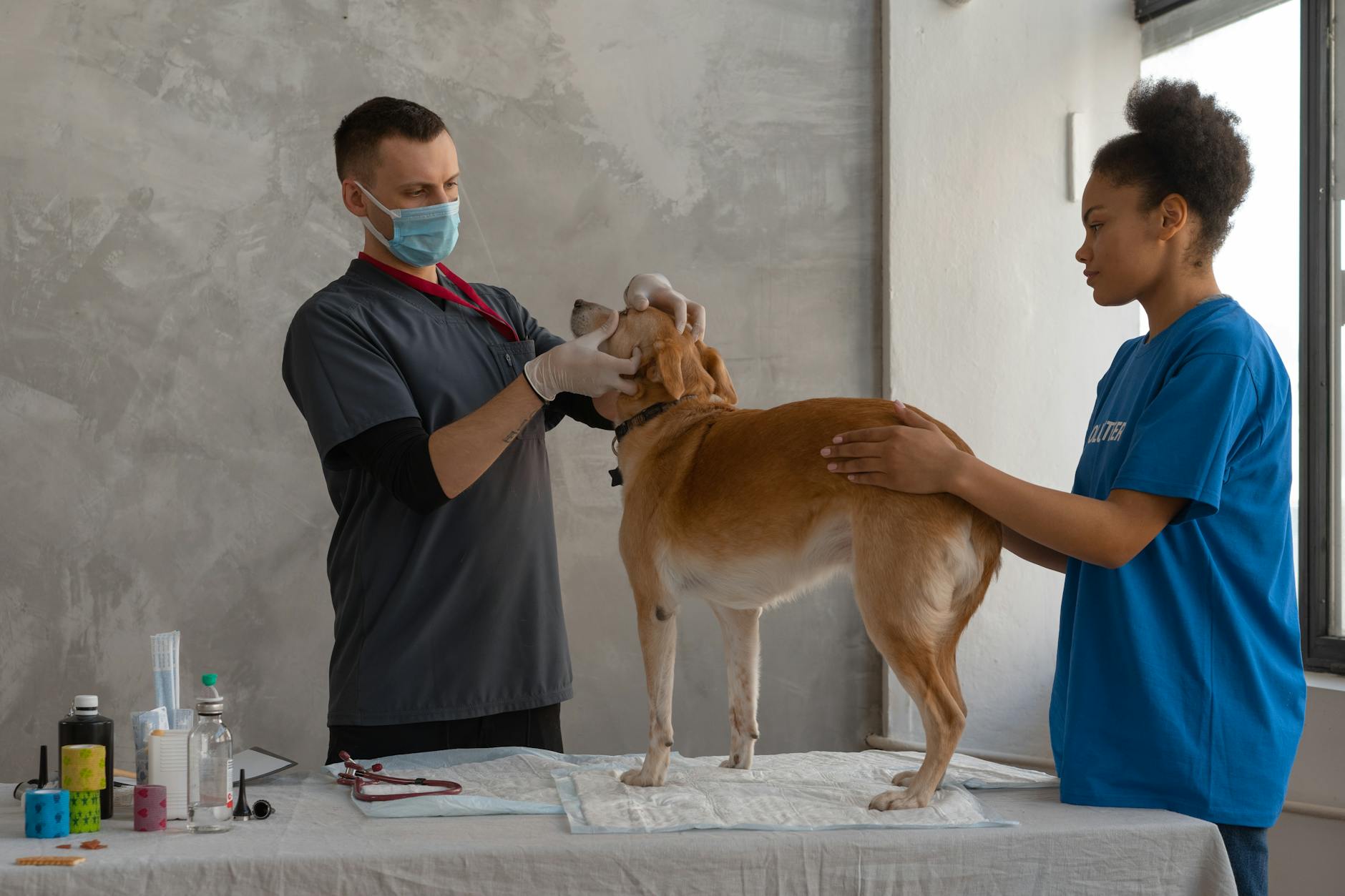
While Lancashire Heelers are generally a hardy and structurally sound breed, they are genetically predisposed to several inherited eye disorders and joint conditions. I always urge prospective owners to buy exclusively from preservationist breeders who perform comprehensive, DNA-backed health clearances on their breeding stock.
Primary Lens Luxation (PLL)
An inherited ophthalmic condition where the fibers supporting the lens disintegrate, causing the lens to displace into the front or back of the eye. This can lead to rapid-onset glaucoma, intense pain, and permanent blindness if not treated surgically as an emergency.
Collie Eye Anomaly (CEA)
A congenital, inherited disease affecting the development of the choroid, the blood vessel layer underneath the retina. It can range from mild, non-progressive vision impairment to retinal detachment and complete blindness.
Outward Hound Nina Ottosson Dog Brick Puzzle Toy
- ✓Sliding blocks and lift-out bones hide treats
- ✓Intermediate difficulty level
- ✓Made with food-safe materials
- Burns mental energy in clever, easily bored dogs
- Turns treats into a 10-minute brain game
Patellar Luxation
A common condition in small breeds where the kneecap (patella) slips out of its anatomical groove during movement. Over time, this causes wear on the cartilage, leading to chronic osteoarthritis and discomfort.
Hereditary Cataracts
An inherited condition causing opacities within the lens of the eye, blocking light from reaching the retina. If left unchecked, it can mature to cause total blindness and secondary lens-induced uveitis.
Intervertebral Disc Disease (IVDD)
Due to their somewhat elongated backs and shorter limbs, they are at higher risk for spinal disc degeneration. A ruptured or herniated disc can compress the spinal cord, causing severe pain or paralysis.
How long do Lancashire Heelers typically live?
With excellent veterinary care, a biologically appropriate diet, and optimal weight management, most Lancashire Heelers live between 12 and 15 years, with many reaching 16 or 17.
What to Feed a Lancashire Heeler
Proper nutrition is vital for keeping this active breed in top physical condition. Because of their long-backed build, carrying even a single extra pound puts unnecessary, dangerous strain on their spine and knees, so keeping them lean is a clinical priority.
Best Diet
An age-appropriate, high-quality, protein-rich dry kibble designed for active, small-breed dogs is highly recommended. Ensure the diet is formulated for their current life stage, specifically utilizing puppy-formulated diets for their first 12 months.
How to Feed
I highly recommend dividing their daily caloric intake into two equal, measured meals per day. Free-feeding should be strictly avoided to prevent overeating and rapid weight gain.
How Much to Feed
Most adult Lancashire Heelers require between 1/2 to 1 cup of high-quality kibble daily, split across two meals. Because metabolic rates vary widely based on age, sterilization status, and activity level, you should consult your veterinarian to calculate their exact caloric needs.
Nutritional Tips
Incorporate joint-supporting supplements such as glucosamine, chondroitin, and omega-3 fatty acids early in life to support their joint health. Always reserve a portion of their daily kibble allowance to use as training rewards rather than feeding extra high-calorie treats.
Lancashire Heeler Grooming Guide
The grooming requirements for a Lancashire Heeler are exceptionally straightforward, making them a joy for owners who prefer a low-maintenance pet. Their harsh double coat naturally repels dirt, mud, and water, requiring only basic upkeep to stay clean.
Coat Care
A thorough weekly brushing with a natural bristle brush or slicker brush is sufficient to remove loose dead hair and keep the skin healthy. During their bi-annual shedding seasons, increase this to daily brushing to manage the undercoat blow.
Skin Care
Bathe them only when necessary—typically once every 6 to 8 weeks—using a gentle, soap-free oatmeal shampoo to avoid stripping the protective, weather-resistant oils from their double coat.
Eye Care
Because of their predisposition to genetic eye disorders, check their eyes daily for any signs of abnormal discharge, squinting, or cloudiness, and schedule annual veterinary ophthalmic exams.
Ear Care
Clean their ears bi-weekly using a veterinarian-approved, drying ear cleanser to remove any wax and debris, especially if they spend time running through tall grass or brush.
Nail & Dental Care
Trim their nails every 2 to 3 weeks using a grinder or clippers to prevent splaying and structural foot pain. Brush their teeth daily with dog-safe enzymatic toothpaste to combat the rapid periodontal disease common in small breeds.
Considerations for Pet Parents
Pros
- Incredibly loyal and deeply devoted companion
- Compact size is highly manageable for travel and smaller homes
- Very low-maintenance, dirt-resistant double coat
- Highly intelligent and excels in dog sports
- Excellent, watchful alert watchdog for the home
- Full of vibrant energy and a fun-loving personality
Cons
- Prone to chasing and nipping heels due to herding drive
- Can be quite vocal and prone to alert barking
- Aloof or suspicious of strangers if under-socialized
- Prone to serious inherited eye issues if not carefully bred
- Requires significant mental and physical exercise to prevent boredom
Best For
Active individuals or families who love outdoor adventures, hiking, or dog sports, and who can commit to early socialization and structured, daily mental stimulation.
Not Recommended For
Sedentary households, owners who work long hours away from home without a pet sitter, or families with very young children who cannot manage a dog with strong herding instincts.
Cost
- purchase price$1,200 to $2,500 USD
- monthly cost$100 to $175 USD
- initial setupInitial costs include essential veterinary immunizations, microchiping, a high-quality crate, safety ramps to prevent jumping from furniture, and essential genetic eye screenings.
-
3-Step Pet Stairs for Small Dogs and CatsPet stairs save small, senior and long-backed dogs from jumping on and off beds and sofas
-
Wag Wholesome Grains Dry Dog Food, Chicken & Brown RiceA complete, balanced diet matched to your dog’s size and age is the foundation of a healthy coat, gut and energy level
-
Zuke’s Mini Naturals Training Treats, Peanut Butter & OatsSmall, soft treats are quick to eat, so you can reward the right moment and keep training sessions moving
Similar Breeds


Related Dog Guides
Lancashire Heeler FAQs
What is the ‘Heeler Smile’?
The ‘Heeler Smile’ is a unique, inherited behavioral trait where the dog draws back its lips to display its front teeth in a wide grin. It is a sign of extreme happiness, excitement, or submission, and should never be confused with aggressive snarling or bare-toothed growling.
How much exercise do they need every day?
They require at least 60 to 90 minutes of active exercise daily. This should include brisk walks, off-leash play in a secure area, and interactive mental stimulation like puzzle toys, nosework, or agility exercises to keep their working minds busy.
Do Lancashire Heelers bark a lot?
Yes, they can be quite vocal. As natural herders and farm watchdogs, they are highly alert and will bark to notify you of any changes in their environment, requiring consistent ‘quiet’ training from an early age to keep it from becoming nuisance barking.
Can they live happily in an apartment?
They can adapt well to apartment living, provided their physical and mental exercise needs are fully met daily. However, their tendency to bark at hallway noises means you must invest time in desensitization training early on.
Are they prone to back problems like Corgis are?
Yes. Because they are a chondrodystrophic (long-backed, short-legged) breed, they are structurally predisposed to spinal strain and Intervertebral Disc Disease (IVDD). I advise using pet ramps to prevent them from leaping on and off high couches or beds.
Are Lancashire Heelers good with cats?
They can live in harmony with household cats if raised with them from puppyhood. However, their instinctual urge to herd may lead them to chase a running cat, so supervision and redirection are always necessary.
When does a Lancashire Heeler stop growing?
Most Lancashire Heelers will reach their full adult height by 10 to 12 months of age. However, they will continue to ‘fill out’ structurally, developing their final muscle mass and chest width, until they are roughly 18 months old.
Are they easy to housebreak?
They are generally very clean dogs and can be housebroken relatively quickly with crate training and a consistent outdoor routine. Like many small breeds, extreme cold or wet weather can make them reluctant to go outside, so patience is key.
Do they tolerate cold weather well?
Yes, their dense, weather-resistant double coat provides excellent insulation against wind, dampness, and cold. However, they should still live indoors with their family and not be kept as outdoor-only dogs.
How do they handle hot summer weather?
Because of their dark coats and double-layered fur, they can overheat in hot, humid conditions. On hot summer days, restrict their intense exercise to the cool early morning or late evening hours, and always provide ample shade and fresh water.
What eye tests should a breeder perform?
Responsible breeders must perform DNA tests for Primary Lens Luxation (PLL) and Collie Eye Anomaly (CEA). They should also have their dogs’ eyes cleared annually by a board-certified veterinary ophthalmologist (CAER/CERF exam) to screen for hereditary cataracts.
Are Lancashire Heelers rare?
Yes, they are considered a relatively rare breed, particularly outside of the United Kingdom. They were only fully recognized by the American Kennel Club (AKC) in January 2024, which has slowly increased their visibility among dog enthusiasts in North America.
Can they be left alone for 8 hours?
I do not recommend leaving a Lancashire Heeler alone for long 8-hour workdays. They are highly social working dogs that require companionship and mental engagement; prolonged isolation can lead to anxiety, stress, and destructive chewing.