
Korean Jindo Breed Guide
Quick Summary
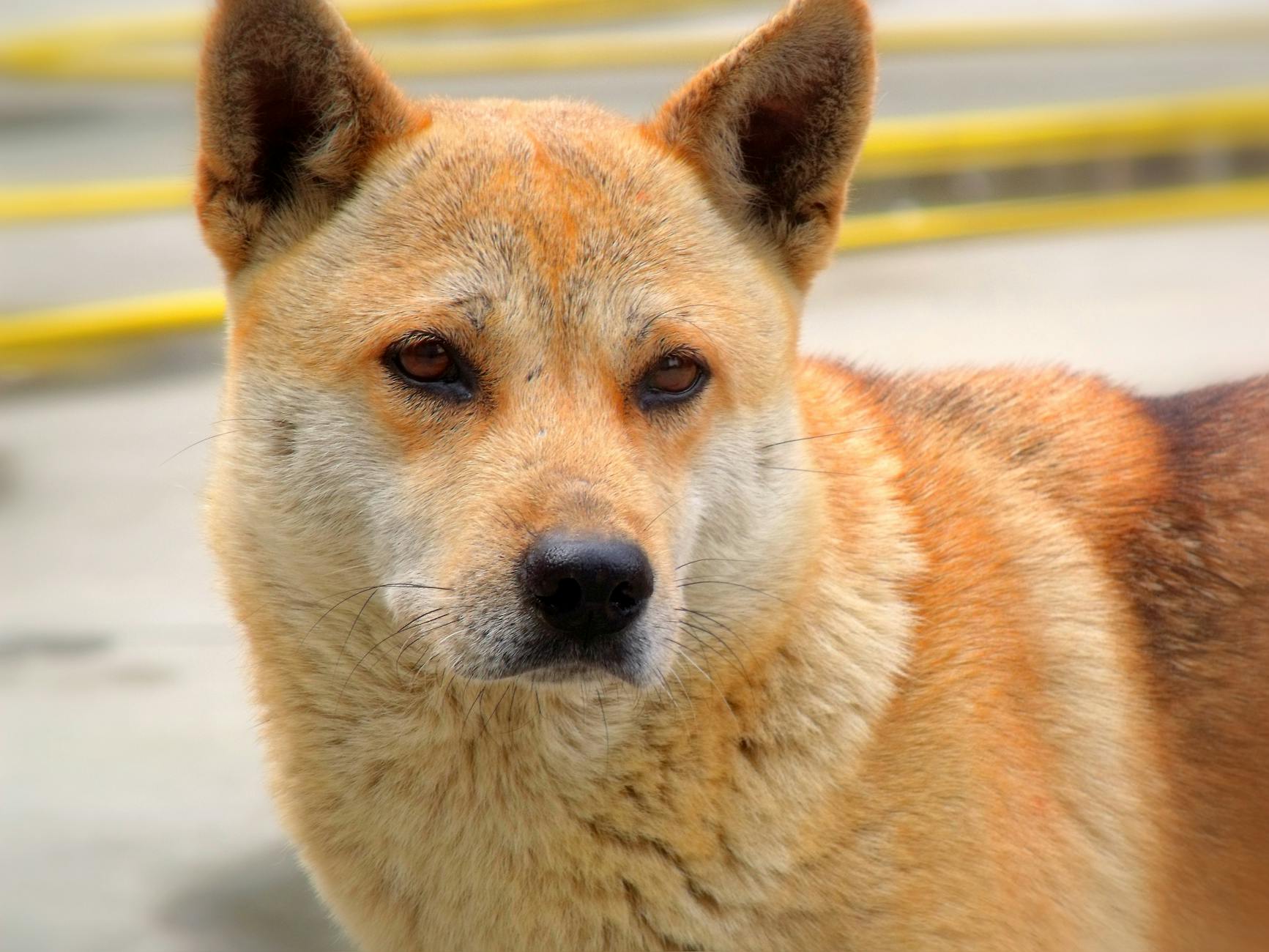
The Korean Jindo is a fiercely loyal, independent, and fastidiously clean companion best suited for experienced owners who respect their aloof nature and can safely manage their high prey drive. In my years treating this breed, I have found their legendary devotion to a single owner is unmatched, but they require early, deliberate socialization to prevent over-protectiveness.
As an Amazon Associate, we earn from qualifying purchases.
Popular with Korean Jindo owners: Undercoat Rake · Puzzle Toys · Training Treats
Quick Facts
- origin countrySouth Korea (Jindo Island)
- breed groupSpitz (AKC Foundation Stock Service)
- sizeMedium
- weight range35 to 50 lbs (16 to 23 kg)
- height range18 to 22 inches (45 to 56 cm)
- lifespan12 to 15 years
- coat typeDense double coat with a soft undercoat and harsh, straight outer coat
- common colorsWhite, Fawn, Red, Grey, Black and Tan, Brindle
- other namesJindo-gae, Jindo, Chindo
- recognized byFCI, AKC (FSS), UKC
Caring for a Korean Jindo
Living with a Jindo is more like sharing your home with a proud, silent partner than a needy lapdog. In my years treating this breed, I have observed they are naturally fastidious—often housebreaking themselves by 8 weeks of age because they detest soiling their living space. Daily life requires securing your property, as they are phenomenal climbers and jumpers with an intense prey drive. You must provide them with both physical outlets and structured mental engagement, or they will channel their intellect into escape artistry.
Is a Korean Jindo a good family pet?
They can be exceptional family dogs for quiet households, showing deep, unwavering loyalty to their inner circle. However, in my clinical experience, they are highly territorial and do not tolerate rough handling, making them better suited for families with older, respectful children rather than toddlers.
Do Korean Jindos shed a lot?
Yes, they blow their entire dense undercoat twice a year, typically in spring and autumn, resulting in heavy shedding that requires daily blowout brushing. Outside of these major shedding seasons, their grooming needs are remarkably low as their coats naturally repel dirt and odor.
Is a Korean Jindo good for first-time owners?
I strongly advise against a Jindo for novice dog owners. Their sharp intelligence, independent streak, and high prey drive require a handler who understands canine body language and can establish clear, confident boundaries without using harsh methods.
Temperament & Personality
The Jindo’s temperament is defined by a quiet, dignified independence and an almost legendary devotion to one person or family. They are naturally suspicious of strangers and highly territorial, which I often have to manage carefully during clinic exams. While they are incredibly affectionate with their chosen humans, they rarely seek attention from outsiders, choosing instead to watch quietly from a distance.
Is a Korean Jindo good with other pets?
Generally, no, as their intense prey drive and dominant nature make cohabitation with cats, small animals, or same-sex dogs highly challenging. I always caution owners that early socialization can help, but it rarely overrides their instinct to chase or assert dominance.
FURminator Grooming Rake for Thick Coats
- ✓Rotating metal teeth remove loose undercoat
- ✓Removes tangles and prevents mats
- ✓For dense fur and double coats
- Long teeth reach deep into thick double coats to pull out dead hair during heavy shedding seasons
How much attention does a Korean Jindo need?
They want to be in the same room as you, keeping a watchful eye, but they do not demand constant physical affection or coddling. They are highly independent and are perfectly content spending hours resting nearby while you work, provided their physical and mental needs are met.
Training & Behavior
Training a Jindo requires earning their respect rather than demanding obedience; they are highly cognitive and easily bored by repetitive tasks. In my practice, I see many owners struggle because they attempt to use heavy-handed, repetitive drills which cause the Jindo to simply tune them out. They require a positive, reward-based approach that mimics real-world utility.
Training Tips
- Begin intensive socialization before 12 weeks of age
- Use high-value food rewards to keep their focus
- Keep training sessions under 10 minutes to prevent boredom
- Never use physical punishment, which destroys their trust permanently
- Practice impulse control exercises to manage prey drive
Fun Activities
- Nosework and scent tracking
- Agility training
- Hiking on a secure, non-retractable leash
- Interactive puzzle toys
- Canicross
Is a Korean Jindo easy to train?
They are highly intelligent and learn commands instantly, but they are not ‘easy’ to train in the traditional sense because they constantly assess whether a command is worth obeying. Success requires an experienced handler who can maintain gentle, consistent leadership without being repetitive.
Korean Jindo Health Issues
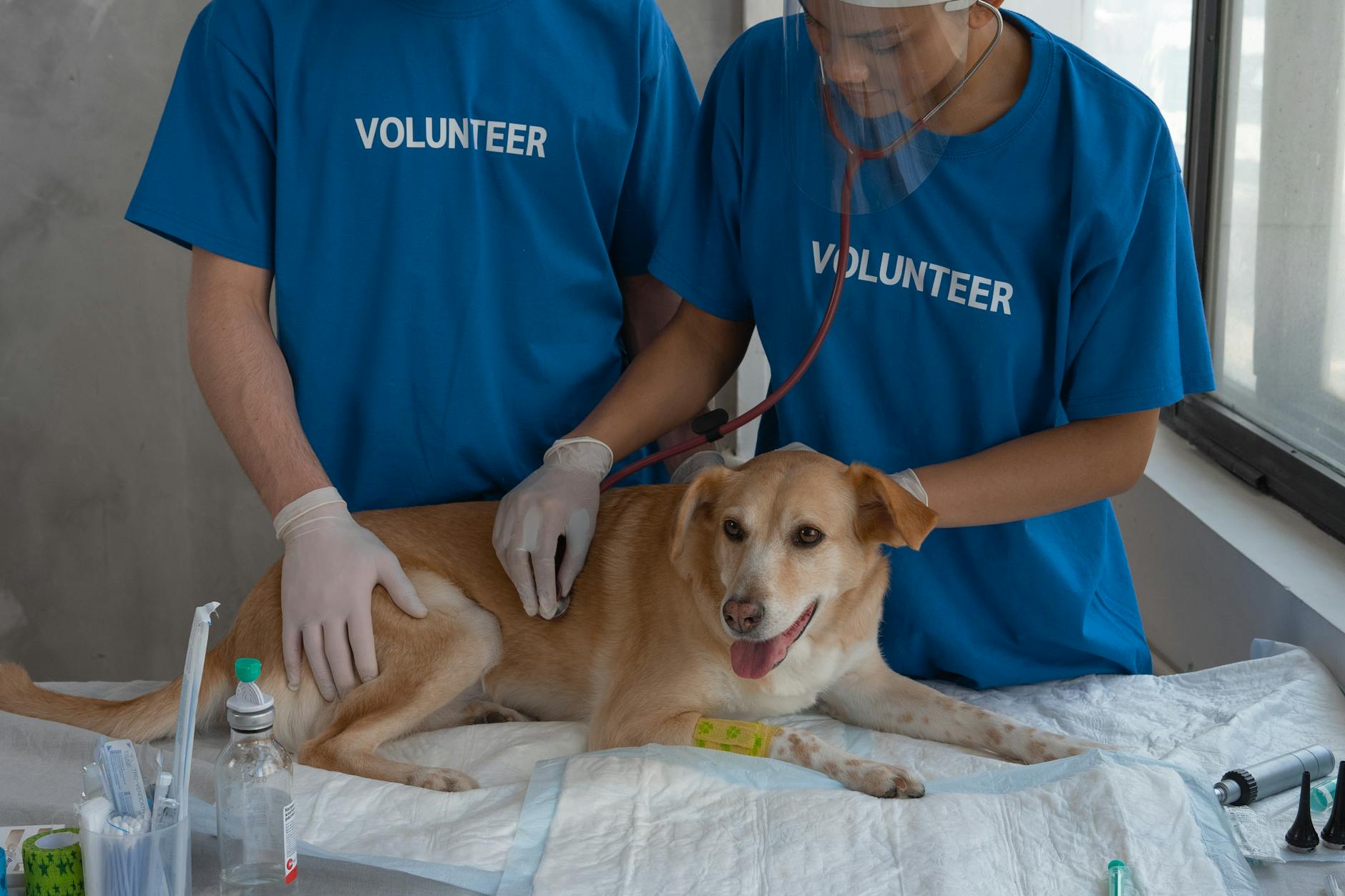
As a naturally isolated island breed, the Jindo is remarkably robust with very few genetic health issues compared to highly engineered Western breeds. However, there are a few specific conditions I screen for regularly in my clinic to ensure their long-term well-being.
Hypothyroidism
An underactive thyroid gland that slows the dog’s metabolism, which I diagnose via a full thyroid panel (T4, Free T4, TSH). We manage this very successfully with daily synthetic hormone medication (levothyroxine).
Discoid Lupus Erythematosus (DLE)
An autoimmune skin condition common in the breed that causes crusting, scaling, and depigmentation of the nasal planum (nose). Exposure to UV light worsens this condition, so we often recommend dog-safe sunscreens and topical immunosuppressive creams.
Allergies and Atopic Dermatitis
Jindos can develop hypersensitivities to environmental allergens (pollen, dust mites) or specific food proteins, leading to intense skin irritation. This often manifests as secondary ear and paw infections which require custom allergy management plans.
DR CATCH Dog Puzzle Feeder Toy
- ✓Treat puzzle for IQ training
- ✓Slows eating
- ✓Suits puppies, small dogs and cats
- Food puzzles turn mealtime into a brain game, burning mental energy in clever, easily bored pets
Patellar Luxation
This occurs when the kneecap slips out of its normal anatomical groove, which can lead to progressive arthritis over time. While often mild in this breed, severe cases may require surgical correction to restore normal biomechanics.
Anestrus and Silent Heats
This is a unique physiological trait rather than a disease: female Jindos often experience only one estrus cycle per year, and ‘silent heats’ with minimal swelling or bleeding are common. I advise owners and breeders to keep detailed logs to avoid unnecessary veterinary intervention for perceived infertility.
How long do Korean Jindos typically live?
In my practice, well-cared-for Korean Jindos regularly live between 12 and 15 years. Their historical genetic isolation has protected them from many of the life-limiting hereditary cancers and cardiac conditions seen in other medium-to-large breeds.
What to Feed a Korean Jindo
Jindos have highly efficient metabolisms developed from their history as active hunting dogs on limited island rations. Consequently, they require calorie-dense but carefully portioned diets to prevent unnecessary weight gain, which puts strain on their joints.
Best Diet
I recommend a high-quality, grain-inclusive or grain-free diet rich in animal proteins (like wild-caught fish or poultry) to support their dense double coat and lean muscle. For growing Jindo puppies, a medium-breed puppy formula is essential to ensure steady, safe skeletal growth.
How to Feed
Divide their daily caloric allowance into two distinct meals to maintain stable blood sugar levels and prevent stomach upset. Because they are highly clean, they prefer eating in a quiet, low-traffic area of the home away from other pets.
How Much to Feed
Generally, an active adult Jindo requires about 1.5 to 2.5 cups of high-quality dry kibble daily, but this must be adjusted based on their body condition score (BCS). I always tell owners to work with their veterinarian to calculate exact caloric needs based on activity levels.
Nutritional Tips
Adding wild Alaskan salmon oil or other Omega-3 fatty acid supplements is highly beneficial for supporting their thick double coat and preventing dry, itchy skin. Be sparing with treats, as their efficient bodies convert excess calories to fat very quickly.
Korean Jindo Grooming Guide
The Jindo’s coat is wonderfully low-maintenance for most of the year, naturally repelling mud, water, and odors. They do not have that typical ‘doggy smell’ because they clean themselves constantly, much like a cat.
Coat Care
Brush them once or twice a week with a slicker brush and undercoat rake to remove loose hair. During their biannual ‘blowout’ shedding seasons, you will need to brush them daily and use an undercoat blow-dryer to manage the massive volume of loose fur.
Skin Care
Avoid over-bathing, which strips the natural protective oils from their skin and coat; 3 to 4 baths a year are usually plenty. If they get muddy, let the mud dry and it will typically brush right out.
Ear Care
Their upright, prick ears allow for excellent air circulation, making ear infections rare. Wipe them monthly with a vet-approved ear cleaner to remove dust.
Nail & Dental Care
Trim their nails every 3 to 4 weeks using a grinder or clippers, and brush their teeth at least three times a week with dog-safe enzymatic toothpaste to prevent periodontal disease.
Considerations for Pet Parents
Pros
- Extremely clean and virtually odorless
- Incredibly loyal and protective of their family
- Highly intelligent and quick to housebreak
- Quiet house manners, rarely bark without a cause
- Excellent, athletic companion for outdoor adventures
- Very healthy breed with a long lifespan
Cons
- High prey drive makes them unsafe with small animals
- Aloof and suspicious of strangers if unsocialized
- Phenomenal escape artists; require high, secure fencing
- Heavy blowouts twice a year require intense grooming
- Can be dog-selective or aggressive with same-sex dogs
Best For
An experienced dog owner who appreciates an independent, cat-like canine personality and has a secure yard. They thrive with active individuals or quiet families who can provide structured boundaries and daily mental engagement.
Not Recommended For
First-time dog owners, households with pocket pets or cats, or busy families who want a highly social, friendly dog that loves everyone they meet at the dog park.
Cost
- purchase price$1,500 to $3,000 USD
- monthly cost$100 to $180 USD
- initial setupExpect to spend $800 to $1,500 initially on high-quality escape-proof crates, harness gear, veterinary wellness exams, and secure, high fencing (at least 6 feet tall) for your yard.
-
Stewart Freeze-Dried Beef Liver Dog TreatsSmall, soft treats are quick to eat, so you can reward the right moment and keep training sessions moving
-
Tractive Smart Dog GPS TrackerShows your dog’s location on your phone, a real safeguard for escape artists and dogs with a strong prey drive
-
QUMY Dog Boots for Hot PavementBoots protect paws from hot pavement, ice, salt and rough trails
Similar Breeds
Shiba Inu
Akita
Related Dog Guides
Korean Jindo FAQs
Are Korean Jindos aggressive?
They are not inherently aggressive, but they possess strong guarding instincts and are highly territorial. Without deliberate, positive socialization from puppyhood, their natural suspicion of strangers can develop into reactive or defensive behaviors.
Can a Korean Jindo live in an apartment?
Yes, they can adapt surprisingly well to apartment living because they are quiet, clean, and inactive indoors. However, you must commit to daily walks and outdoor mental stimulation to offset the lack of a yard.
Do Korean Jindos bark a lot?
No, they are remarkably quiet dogs who rarely bark without a specific, urgent reason. If a Jindo is barking, you should always investigate, as they are likely alerting you to an unusual change in their environment.
Why is my Korean Jindo so clean?
Jindos have a natural, almost feline instinct for cleanliness, frequently grooming themselves to remove dirt and odor. This instinct also makes housebreaking incredibly easy, as they actively avoid eliminating near their living or sleeping quarters.
Can Korean Jindos go off-leash?
I strongly advise against ever letting a Jindo off-leash in an unsecured area. Their predatory drive is incredibly high, and once they spot a squirrel or rabbit, their recall will almost certainly fail regardless of how well-trained they are.
How high can a Korean Jindo jump?
They are exceptionally athletic and can easily clear 6-foot fences from a standing jump if motivated. If you have a yard, it must be secured with a solid fence of at least six feet, and you should supervise their outdoor time.
Are Jindos protective of their owners?
Yes, their loyalty is absolute and they are naturally protective of their home and family. While this makes them excellent watchdogs, it means you must carefully manage introductions to new people in your home.
How do Jindos tolerate cold and hot weather?
Thanks to their insulating double coat, they tolerate cold weather exceptionally well and love playing in the snow. They can handle heat as long as they have shade and fresh water, but they should not be overexerted during hot summer afternoons.
Are Korean Jindos recognized by the AKC?
They are not fully recognized for AKC conformation showing but are registered in the AKC’s Foundation Stock Service (FSS). This program allows the breed to maintain official pedigree records while working toward full recognition.
Do Jindos get along with cats?
Typically, no. Even if raised with a family cat from puppyhood, their high prey drive makes cohabitation highly risky, and they may still view outdoor cats or other small animals as prey.
What is the history of the Korean Jindo?
The breed originated on Jindo Island in South Korea, where they were isolated for centuries, developing into superb hunters of badgers, boars, and deer. They are designated as National Monument No. 53 in South Korea, reflecting their deep cultural heritage.
How do I socialize a Jindo puppy?
Socialization should focus on positive, neutral exposure to various environments, sounds, and people, rather than forcing them to interact. In my practice, I emphasize teaching them to remain calm and indifferent to strangers rather than expecting them to be overly friendly.
Why does my Jindo hate having their paws touched?
Like many ancient Spitz breeds, Jindos are highly sensitive about their paws and personal space. I recommend desensitizing them to paw handling from day one using high-value rewards to make veterinary nail trims stress-free.
What is Jindo Island and why is it important?
Jindo Island is located off the southwest coast of South Korea, where strict preservation laws have protected the breed’s genetic purity for centuries. To this day, the Korean government strictly regulates the export of purebred Jindos from the island.
Sources & Further Reading
- American Kennel Club (AKC)
- Merck Veterinary Manual
- American Veterinary Medical Association (AVMA)
- PetMD