
Kooikerhondje Breed Guide
Quick Summary
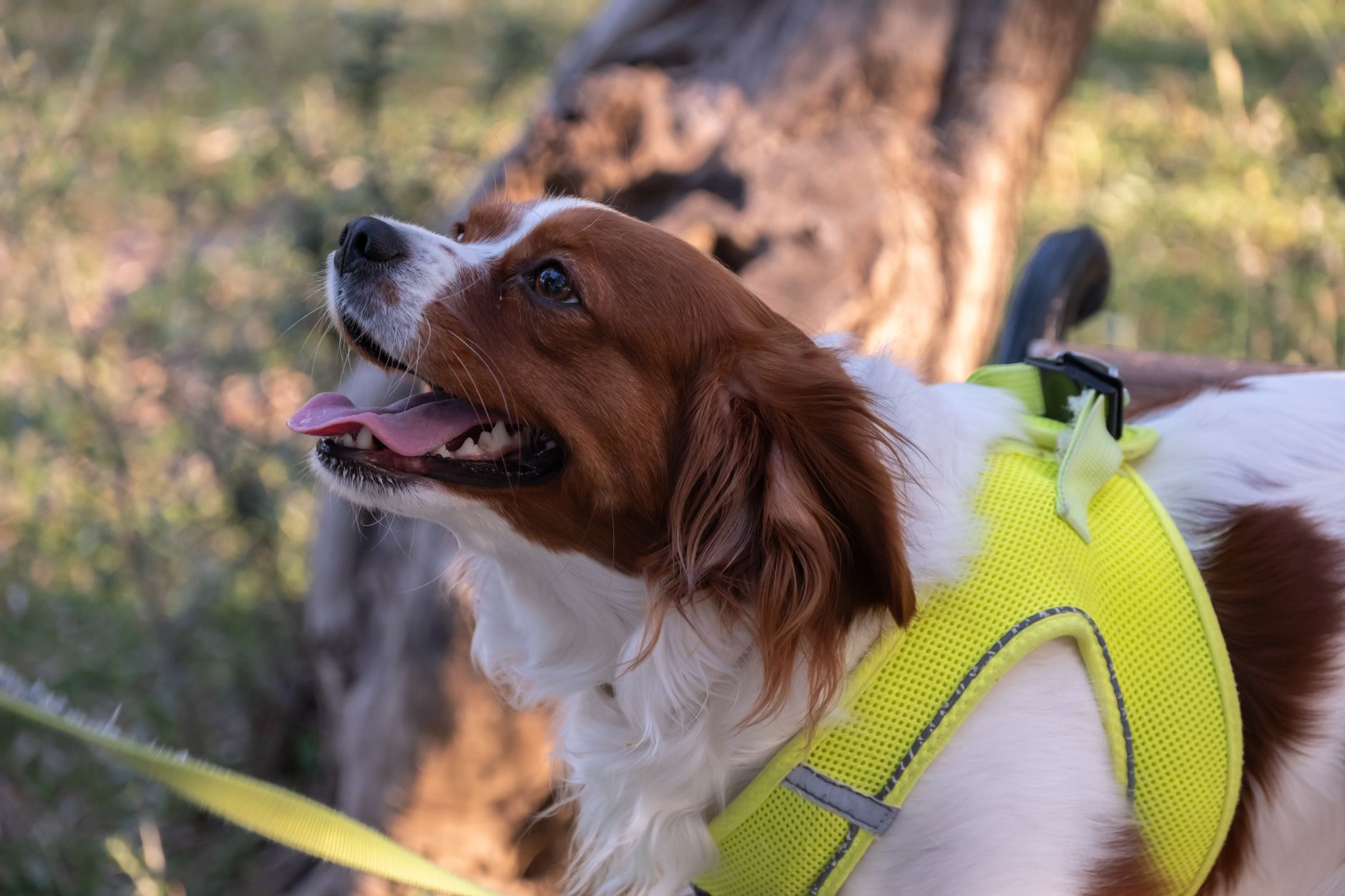
The Kooikerhondje is a highly intelligent, sensitive, and agile Dutch spaniel-type dog best suited for active, experienced owners who can provide consistent mental stimulation and structured socialization. While intensely loyal and affectionate with their immediate families, their natural reserve with strangers and high sensitivity to environmental stimuli require a thoughtful, positive-reinforcement-based upbringing.
As an Amazon Associate, we earn from qualifying purchases.
Popular with Kooikerhondje owners: Slicker Brush · Training Treats · Puzzle Toys
Quick Facts
- origin countryNetherlands
- breed groupSporting Group (AKC)
- sizeMedium
- weight range20 to 30 pounds (9 to 14 kg)
- height range15 to 17 inches (males), 14 to 16 inches (females)
- lifespan12 to 15 years
- coat typeMedium-long, straight or slightly wavy, water-repellent double coat
- common colorsDistinct white with clear orange-red patches, featuring black hair tips on ears (‘earrings’)
- other namesNederlandse Kooikerhondje, Dutch Decoy Dog
- recognized byAKC, FCI, UKC
Caring for a Kooikerhondje
In my years treating this breed, I always emphasize that the Kooikerhondje is not a low-maintenance ‘couch potato’ spaniel; they require dedicated daily mental and physical outlets to thrive. They love having a job—whether that is agility, scent work, or advanced trick training—alongside at least an hour of active exercise. Because of their sensitive nature, their home environment should be relatively structured and predictable, avoiding highly chaotic households. Proper socialization during their first year is absolutely critical to prevent their natural reserve from turning into fear-based reactivity.
Is a Kooikerhondje a good family pet?
They make wonderful, intensely loyal companions for active families with older, respectful children who understand how to treat a sensitive dog. They may struggle with the chaotic energy, sudden movements, and loud noises typical of toddlers or very young children.
Do Kooikerhondjes shed a lot?
They are moderate shedders year-round, with heavier shedding during seasonal transitions in spring and autumn as they blow their undercoat. Weekly brushing with a slicker brush is usually sufficient to manage the dead hair and prevent mats in their feathering.
Is a Kooikerhondje good for first-time owners?
Generally, no, and I advise novice owners to proceed with caution. Their high intelligence, environmental sensitivity, and potential for reactivity mean they need someone who is already skilled in reading canine body language and applying positive reinforcement training.
Temperament & Personality
The Kooikerhondje is an incredibly alert, loyal, and observant companion with a deeply sensitive soul. What I see most often in practice is a dog that forms an intense, velcro-like bond with their primary caregivers while remaining naturally reserved and aloof around strangers. They are quick to sound the alarm when something changes in their environment, reflecting their historical working background as decoy dogs. They do best in a home that respects their boundaries and actively works to build their confidence through gentle, positive interactions.
Depets Self-Cleaning Slicker Brush
- ✓Removes loose hair, mats and tangles
- ✓Bead-tipped pins massage without scratching
- ✓One-click button releases the hair
- Fine wire pins lift loose undercoat and work out small tangles before they turn into mats
Is a Kooikerhondje good with other pets?
They generally cohabitate well with other household dogs and can live peacefully with cats if introduced and socialized early. However, due to their historic hunting and flushing background, small pocket pets or birds may trigger their prey drive and should be safely separated.
How much attention does a Kooikerhondje need?
They are high-contact companions who do not do well when isolated or left alone for long stretches. Expect them to follow you from room to room; they require active daily engagement, play, and mental stimulation to prevent the development of separation anxiety.
Training & Behavior
Training a Kooikerhondje is highly rewarding because of their quick intellect, but it requires a very gentle touch. I always tell owners that harsh corrections, loud voices, or heavy-handed training methods will utterly shut this breed down, destroying their trust and confidence. They excel in force-free, reward-based training environments where they can use their natural problem-solving abilities. Early, broad socialization is the absolute key to preventing resource guarding or fear of strangers.
Training Tips
- Use purely positive reinforcement and high-value food or toy rewards.
- Keep training sessions short, varied, and intellectually challenging to avoid boredom.
- Avoid physical corrections or loud verbal scolding, which can ruin their confidence.
- Prioritize desensitization to novel sounds, strangers, and veterinary handling from puppyhood.
Fun Activities
- Agility and flyball
- Scent work and tracking
- Dock diving and water retrieving
- Advanced obedience and trick training
- Canicross or hiking
Is a Kooikerhondje easy to train?
They are exceptionally easy to train in terms of learning commands rapidly, as they are eager to please and highly intelligent. However, their sensitivity means the trainer must be highly consistent, patient, and strictly avoid punitive methods.
Kooikerhondje Health Issues
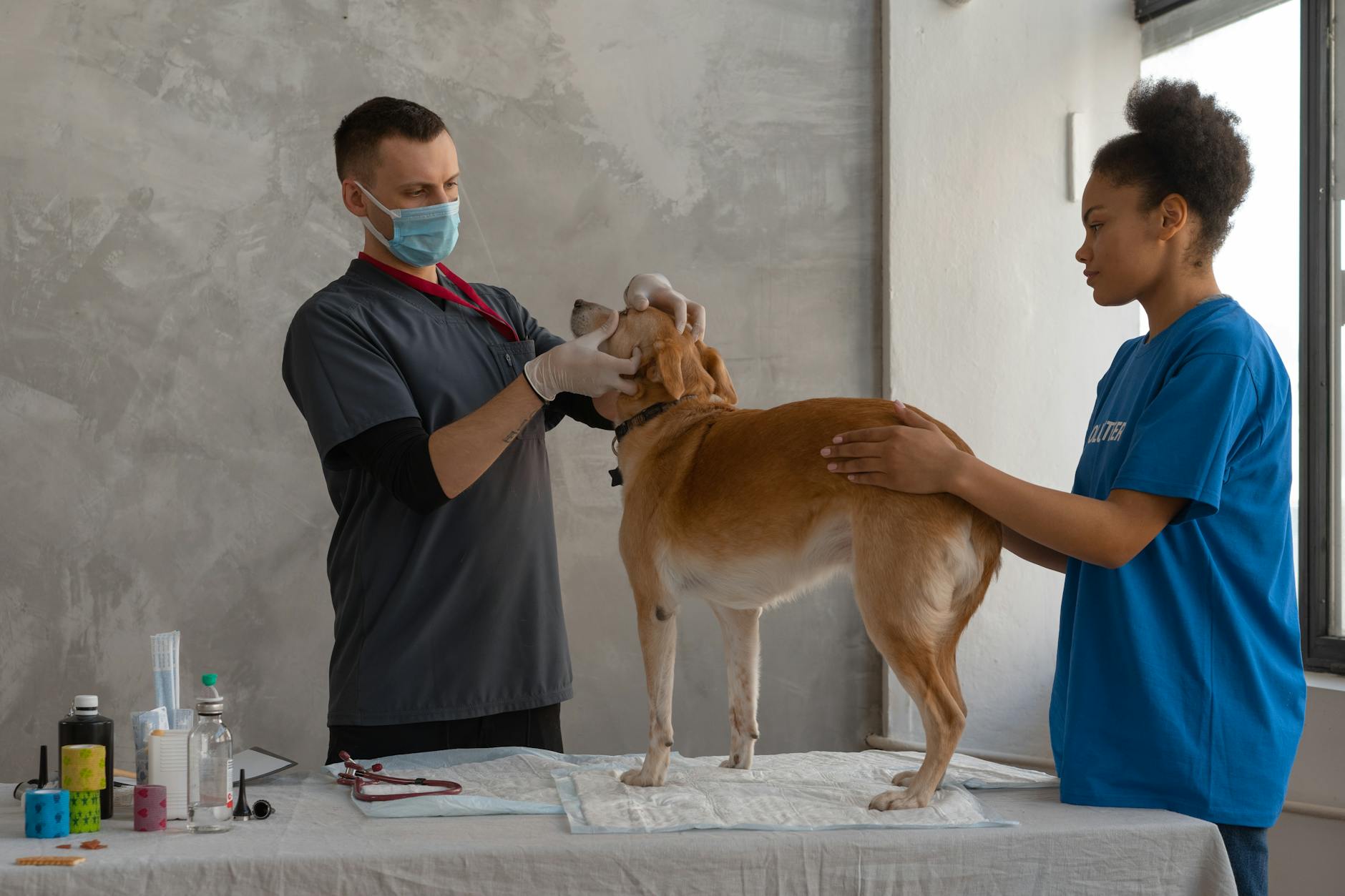
While historically a robust working breed, the Kooikerhondje has a small gene pool, making diligent health screening crucial. In my clinical experience, I stress the absolute necessity of checking genetic clearance documents for several breed-specific conditions before purchasing a puppy.
Hereditary Necrotising Myelopathy (ENM)
A severe, degenerative neurological disease unique to the breed that affects the spinal cord, leading to progressive paralysis. Fortunately, there is a highly accurate DNA test available to identify carriers and prevent affected births.
Von Willebrand Disease Type III (vWD)
A severe genetic bleeding disorder caused by a lack of von Willebrand factor, which is necessary for normal blood clotting. Responsible breeders utilize DNA testing to ensure parent dogs do not pass on this gene.
Zuke’s Mini Naturals Training Treats, Peanut Butter & Oats
- ✓Soft, bite-size training treats
- ✓No corn, wheat or soy
- ✓Added vitamins and minerals
- Small, soft treats are quick to eat, so you can reward the right moment and keep training sessions moving
Patellar Luxation
An orthopedic condition common in small to medium breeds where the kneecap slips out of its anatomical groove. Depending on the severity (Grades I-IV), management can range from joint supplements and weight control to corrective surgery.
Renal Amyloidosis
A systemic condition where abnormal protein (amyloid) deposits accumulate in the kidneys, leading to progressive chronic renal failure. It is a serious genetic concern in certain breed lines.
Cataracts and Distichiasis
Ophthalmic issues where cataracts can cause progressive lens opacity, and distichiasis involves extra eyelashes growing inward, irritating the cornea. Annual CAER/CERF eye exams are highly recommended.
How long do Kooikerhondjes typically live?
A healthy Kooikerhondje typically has a lifespan of 12 to 15 years. Providing a high-quality diet, regular veterinary check-ups, dental care, and maintaining a lean body weight are key to maximizing their longevity.
What to Feed a Kooikerhondje
Proper nutrition is the cornerstone of keeping an active Kooikerhondje healthy and fit. Because they are highly active dogs, their caloric needs can vary significantly based on their individual daily energy expenditure.
Best Diet
A high-quality, age-appropriate commercial or balanced home-prepared diet formulated for medium breeds. I highly recommend diets containing joint-supporting ingredients like glucosamine and chondroitin, or supplementing them separately to protect their joints.
How to Feed
Divide their daily caloric intake into two equal meals, feeding once in the morning and once in the evening. Avoid heavy activity or strenuous exercise for at least an hour after eating to minimize the risk of digestive upset.
How Much to Feed
Typically, adult Kooikerhondjes require between 1.5 to 2 cups of high-quality kibble daily, but this must be adjusted based on activity level and body condition score. Owners should consult their vet to calculate exact caloric needs for their specific dog’s weight and activity level.
Nutritional Tips
In my practice, I frequently see owners overestimating their dog’s caloric needs, leading to obesity, which severely exacerbates patellar luxation. Keep treats to less than 10% of their daily calorie intake, and use their regular kibble for training rewards.
Kooikerhondje Grooming Guide
The Kooikerhondje’s coat is surprisingly low-maintenance compared to other long-haired breeds because of its natural dirt-repellent qualities. They do not require professional clipping; keeping them clean is largely a matter of routine home care.
Coat Care
Brush the coat once or twice a week with a slicker brush and metal comb to prevent mats, paying extra attention to the fine hair behind the ears (the ‘earrings’) and the feathering on the legs and tail. Only bathe them when necessary, as excessive washing strips the natural oils that repel dirt and water.
Skin Care
Regularly inspect their skin during weekly brushing for any signs of redness, hot spots, or parasites, especially since their double coat can hide issues.
Eye Care
Wipe away any mild discharge with a damp, soft cloth, and monitor for signs of corneal irritation caused by distichiasis.
Ear Care
Their drop ears trap moisture and debris easily. Check and clean them weekly using a veterinarian-approved ear cleanser to prevent yeast and bacterial infections.
Nail & Dental Care
Trim their nails every 3-4 weeks to prevent splaying, and brush their teeth daily with dog-safe toothpaste to combat periodontal disease.
Considerations for Pet Parents
Pros
- Highly intelligent and exceptionally quick learners
- Deeply loyal and affectionate with their immediate family
- Naturally clean coat that actively repels dirt and water
- Excellent competitors in dog sports like agility and scent work
- Alert watchdog that will vocalize to protect the home
Cons
- Highly sensitive and easily overwhelmed by chaotic environments
- Can be excessively reserved or fearful of strangers if unsocialized
- Requires consistent mental stimulation to prevent destructive behaviors
- Prone to several serious genetic health conditions if bred poorly
Best For
Active individuals or families with older children who are committed to positive-reinforcement training, canine sports, and providing a structured, loving environment.
Not Recommended For
Novice owners, busy households with chaotic daily schedules or young toddlers, or individuals who cannot dedicate significant time to physical exercise and mental engagement.
Cost
- purchase price$2,000 to $3,500
- monthly cost$120 to $200
- initial setupExpect to invest $1,000 to $1,500 initially for high-quality crates, health checks, essential vaccines, grooming tools, and professional force-free training classes.
-
PETSTA Treat-Dispensing Dog Puzzle ToyFood puzzles turn mealtime into a brain game, burning mental energy in clever, easily bored pets
-
Wag Wholesome Grains Dry Dog Food, Chicken & Brown RiceA complete, balanced diet matched to your dog’s size and age is the foundation of a healthy coat, gut and energy level
-
Virbac Epi-Otic Advanced Ear CleanserRoutine ear cleaning helps prevent infections in floppy- or hairy-eared breeds
Similar Breeds

Nova Scotia Duck Tolling Retriever

English Cocker Spaniel
Related Dog Guides
Kooikerhondje FAQs
What are the ‘earrings’ on a Kooikerhondje?
The ‘earrings’ refer to the highly desirable, distinctive black hair tips at the ends of their long, feathered ears. This is a unique breed characteristic prized in the show ring and written into the official breed standard.
How much exercise does a Kooikerhondje need?
They need at least 60 to 90 minutes of active physical exercise daily, paired with mental stimulation. This should include brisk walks, off-leash running in safe areas, fetch, and interactive training sessions to keep their minds engaged.
Are Kooikerhondjes prone to separation anxiety?
Yes, because they form incredibly tight, velcro-like bonds with their human families, they can easily develop separation anxiety. It is vital to teach them to tolerate brief periods of alone time inside a crate or secure area from a very young age.
How do they handle cold and warm weather?
Their water-repellent double coat protects them well in cool and damp conditions, which aligns with their Dutch duck-decoy heritage. However, they can overheat in hot, humid weather, so active exercise should be limited to the cooler parts of the day during summer.
Do they bark a lot?
They are moderate barkers who will alert you to visitors or unusual noises, but they are not typically nuisance barkers. If they are bored or under-stimulated, however, vocalization can become an outlet for their frustration.
Are they easy to socialize?
Socializing a Kooikerhondje requires a careful, high-reward approach because forcing them into overwhelming situations can cause them to shut down. Focus on positive, controlled exposures to various people, sounds, and dogs during their critical socialization window of 8 to 16 weeks.
Are they good off-leash?
Many can be trained to have excellent recall, but they still possess a natural hunting and flushing instinct. It is best to keep them on a leash or in a securely fenced area unless you have spent significant time proofing their recall under heavy distraction.
What is the ‘duck decoy’ history of the breed?
Historically, Kooikerhondjes were used in the Netherlands to lure ducks into elaborate canal traps (‘eendenkooien’) by waving their white-tipped tails. They did not retrieve the ducks; instead, their curious, playful movements enticed the ducks to follow them down the pipes into the traps.
Are they prone to weight gain?
Yes, they can easily become overweight if their diet is not carefully monitored or if they are under-exercised. In my practice, keeping a Kooikerhondje lean is vital to protect their joints, specifically to prevent worsening of patellar luxation.
How do they react to strangers?
By nature, they are aloof and naturally cautious around strangers, preferring to observe from a distance before deciding to approach. They should never be forced to accept petting or interaction from unfamiliar people, as this can trigger fear-based defensiveness.
Are they prone to ear infections?
Because of their beautiful, heavily feathered drop ears, moisture and debris can easily become trapped in the ear canal. Regular weekly checks and cleansing with a vet-approved drying solution are essential to prevent otitis externa.
Can they live in an apartment?
They can adapt to apartment living if, and only if, their owners are fully committed to meeting their high physical and mental exercise requirements daily. Without adequate outlets, their alertness can turn into excessive barking at hallway noises.
Sources & Further Reading
- American Kennel Club (AKC)
- Merck Veterinary Manual
- American Veterinary Medical Association (AVMA)
- PetMD