
Kai Ken Breed Guide

Quick Summary
The Kai Ken is a rare, medium-sized Japanese breed distinguished by its striking brindle coat and remarkable climbing agility. Fiercely loyal and highly alert, this primitive hunter is best suited for active, experienced owners who can provide secure boundaries and engaging mental stimulation.
As an Amazon Associate, we earn from qualifying purchases.
Popular with Kai Ken owners: Puzzle Toys · Slicker Brush · Orthopedic Dog Bed
Quick Facts
- origin countryJapan
- breed groupWorking (AKC-FSS) / Spitz type
- sizeMedium
- weight range25 – 40 lbs (11 – 18 kg)
- height range17 – 22 inches (43 – 56 cm)
- lifespan12 – 15 years
- coat typeDouble coat, harsh straight outer coat with soft dense undercoat
- common colorsBlack Brindle (Kuro-Tora), Chu-Tora (Medium Brindle), Red Brindle (Aka-Tora)
- other namesKai Dog, Tora Inu (Tiger Dog), Kai-Tora-Ken
- recognized byAKC (FSS), UKC, JKC (Japan Kennel Club)
Caring for a Kai Ken
In my years treating this breed, I have found that living with a Kai Ken is an adventure in managing a primitive, highly athletic animal. They are not suited for a sedentary lifestyle; their historic role as steep-terrain hunters means they possess remarkable jumping and climbing abilities that require a highly secure yard. Daily life involves structured exercise, interactive puzzle toys, and a solid routine to satisfy their sharp, active minds. While naturally clean and quiet in the home, their instinctual independence requires an owner who understands how to lead without being heavy-handed.
Is a Kai Ken a good family pet?
Yes, they can make wonderful family pets, but they tend to form an exceptionally close bond with one primary handler. In my practice, I notice they are highly devoted to their immediate family but remain polite yet reserved with visitors.
Do Kai Kens shed a lot?
They are moderate shedders throughout the year, but they ‘blow’ their dense undercoats twice a year in a massive seasonal shed. During these spring and fall blowouts, you will need to brush them daily to manage the loose hair in your home.
Is a Kai Ken good for first-time owners?
I do not recommend the Kai Ken for novice dog owners. Their primitive hunting drives, independent nature, and sheer athletic capability require a handler who understands Spitz-type behavior and canine body language.
Temperament & Personality
The Kai Ken exhibits a classic ‘Nihon Ken’ temperament: they are incredibly loyal, quiet, and stoic, yet possess a fierce protective instinct when provoked. In my clinic, a well-socialized Kai Ken is typically a model patient—observant and calm, but showing a distinct aloofness toward strangers. Unlike many Western breeds, they do not crave attention from everyone they meet, preferring to keep a watchful eye on their environment. Their high intelligence makes them highly adaptable, but they retain a strong, independent streak that should never be mistaken for lack of affection.
Outward Hound Nina Ottosson Tower of Treats Puzzle
- ✓Level 4 expert puzzle
- ✓Dogs unlock each layer to find treats
- ✓Mental workout that beats boredom
- Food puzzles turn mealtime into a brain game, burning mental energy in clever, easily bored pets
Is a Kai Ken good with other pets?
They can coexist beautifully with other household dogs if raised together, but their high prey drive makes small animals like rabbits, cats, or pocket pets a risky match. I always advise owners to supervise interactions closely and avoid leaving them alone with small pets.
How much attention does a Kai Ken need?
While they do not demand constant, coddling attention, they thrive on proximity to their family. They are happiest when they can quietly accompany you from room to room or join you on outdoor excursions.
Training & Behavior
Training a Kai Ken is about building a partnership based on mutual respect rather than demanding blind obedience. These dogs are highly intelligent and learn commands quickly, but they will easily become bored or stubborn if training is repetitive or overly harsh. I tell my clients to focus heavily on early, positive reinforcement-based training, as primitive breeds shut down under physical correction or aggressive coaching.
Training Tips
- Keep training sessions short, varied, and mentally engaging
- Use high-value rewards like real meat or cheese to maintain focus
- Begin intensive socialization within the first 16 weeks of life
- Establish a bulletproof recall, but never rely on it completely off-leash
- Incorporate impulse-control games to manage their hunting drive
Fun Activities
- High-altitude hiking and mountaineering
- Scent work and tracking sports
- Agility trials to harness their climbing skills
- Advanced obedience and trick training
- Interactive food puzzles and nose work
Is a Kai Ken easy to train?
They are highly intelligent and capable of learning complex tasks, but their independent Spitz mindset means they are not eager-to-please like Golden Retrievers. Consistency, patience, and positive motivation are the keys to successfully training them.
Kai Ken Health Issues

As a natural breed that developed with minimal human intervention, the Kai Ken is exceptionally robust and free of many genetic diseases that plague modern breeds. However, their small gene pool outside of Japan means we must remain vigilant and screen for a few specific hereditary conditions to preserve their vitality.
Patellar Luxation
A condition where the kneecap slips out of its normal anatomical groove, which can cause temporary lameness and lead to arthritis over time.
Pecute Skin-Friendly Self-Cleaning Slicker Brush
- ✓Instant hair-ejection button
- ✓Made for heavy shedders and sensitive skin
- ✓Works on cats and dogs
- Fine wire pins lift loose undercoat and work out small tangles before they turn into mats
Hip Dysplasia
An inherited malformation of the hip joint where the femur does not fit snugly into the pelvic socket, leading to progressive wear and painful arthritis.
Progressive Retinal Atrophy (PRA)
A family of degenerative eye diseases that causes the gradual deterioration of the retina, eventually leading to complete blindness.
Atopic Dermatitis
Environmental allergies that manifest as itchy, inflamed skin, often triggered by pollens, molds, or dust mites.
How long do Kai Kens typically live?
In my clinical experience, a healthy Kai Ken has an impressive lifespan of 12 to 15 years, with many staying remarkably active and agile well into their senior years.
What to Feed a Kai Ken
Feeding a Kai Ken requires adjusting their caloric intake to match their high-energy lifestyle. I often have to counsel owners on keeping these dogs lean, as their athletic frames are not designed to carry extra weight, which puts unnecessary stress on their joints.
Best Diet
A high-quality, nutrient-dense diet formulated for active, medium-sized breeds is ideal. Look for diets that utilize whole animal proteins and healthy fats, and ensure you feed a life-stage-appropriate formula (puppy, adult, or senior).
How to Feed
I recommend dividing their daily food into two measured meals rather than free-feeding. To prevent digestive issues, always wait at least one hour after heavy exercise before offering a meal.
How Much to Feed
Generally, an active adult Kai Ken requires 1.5 to 2.5 cups of high-quality dry kibble per day. However, this varies wildly based on age, metabolism, and activity level, so you should consult your veterinarian to establish a precise portion plan.
Nutritional Tips
Supplementing their diet with wild-caught fish oil provides essential Omega-3 fatty acids, which keep their thick double coat lustrous and support joint health during high-impact activities.
Kai Ken Grooming Guide
The Kai Ken’s double coat is naturally weather-resistant and remarkably self-cleaning, requiring far less maintenance than many other double-coated breeds. They lack the oily, ‘doggy’ odor common in some working breeds, making daily hygiene relatively straightforward.
Coat Care
Brushing once a week with a slicker brush is plenty for most of the year to remove dead hair. During their biannual shedding seasons, you will need to switch to daily brushing with an undercoat rake to pull out the dense, blowing undercoat.
Skin Care
Bathe them only when necessary, typically 3 to 4 times a year, using a gentle, oatmeal-based shampoo to avoid stripping the natural protective oils from their skin.
Ear Care
Inspect their ears weekly for any signs of redness, wax buildup, or debris, especially if they have been swimming or running through dense brush, and clean with a vet-approved flush if needed.
Nail & Dental Care
Trim their nails every 3 to 4 weeks using a grinder or clippers to prevent painful splitting, and brush their teeth daily with canine-formulated toothpaste to combat periodontal disease.
Considerations for Pet Parents
Pros
- Fiercely loyal and devoted to their family
- Naturally clean coat with very little odor
- Outstanding, agile partner for hiking and outdoor sports
- Quiet in the home, rarely barking without cause
- Highly robust and healthy breed with a long lifespan
- Striking, beautiful brindle camouflage pattern
Cons
- Extremely strong prey drive makes off-leash training risky
- Can be highly aloof or suspicious of strangers if under-socialized
- Remarkable climbing and jumping skills require 6-foot secure fencing
- Heavy seasonal shedding twice a year requires intense brushing
Best For
Active, outdoorsy individuals or families who understand primitive dog behaviors, have a securely fenced yard, and want a loyal, athletic companion to join them on rugged adventures.
Not Recommended For
Sedentary owners, apartment dwellers without access to running space, first-time dog owners, or households with small free-roaming pocket pets.
Cost
- purchase price$2,000 – $3,500
- monthly cost$120 – $200
- initial setupInitial setup costs typically range from $1,500 to $3,000, which includes high-quality crates, escape-proof harnesses, veterinary wellness checks, spay/neuter surgery, and secure 6-foot fencing upgrades.
-
CWAWZ Orthopedic Cooling Gel Memory Foam Dog Bed, XLSupportive foam cushions hips and joints, ideal for large, senior or dysplasia-prone dogs
-
Diamond Naturals Skin & Coat Dog Food, Salmon & PotatoA complete, balanced diet matched to your dog’s size and age is the foundation of a healthy coat, gut and energy level
-
Nutramax Cosequin Joint Supplement for DogsGlucosamine and chondroitin chews support cartilage and mobility, especially in large, senior and dysplasia-prone dogs
Similar Breeds

Shiba Inu
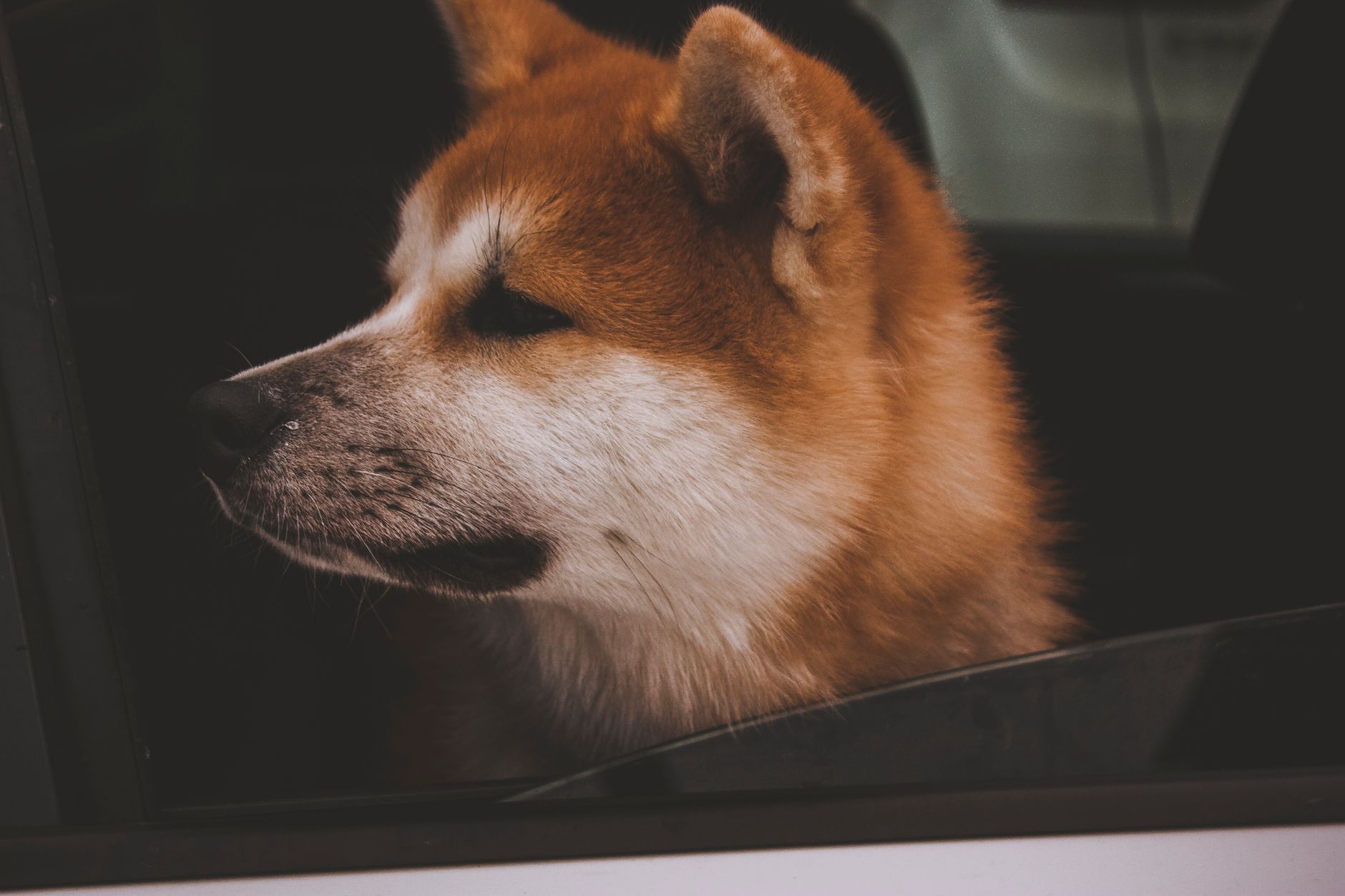
Akita
Related Dog Guides
Kai Ken FAQs
What is the ‘Tora’ coat of a Kai Ken?
The word ‘Tora’ translates to ‘tiger’ in Japanese, referring to the breed’s distinct brindle coat pattern. Puppies are often born solid black and develop their unique tiger stripes over the first few years of life.
Are Kai Kens aggressive?
Kai Kens are not naturally aggressive, but they are naturally guarded and aloof with strangers. Without proper and early socialization, this natural caution can manifest as fear-based reactivity, which is why exposure to various people and environments is so critical.
Can Kai Kens live in apartments?
While they are quiet dogs, I do not recommend them for apartment life unless the owner is extremely active. They need daily opportunities to run and explore outdoors to prevent frustration and destructive behavior inside.
Do Kai Kens bark a lot?
No, they are generally a very quiet breed that only barks to alert their family to a true intrusion or anomaly in their environment. In my clinic, they are easily among the quietest of the Spitz-type breeds.
Why are they called ‘climbing dogs’?
In their native steep mountain habitats in Japan, Kai Kens developed unique physical structures, including flexible wrists and sturdy hocks, that allow them to climb trees and steep rock faces while tracking game like wild boar and mountain goats.
Can a Kai Ken be left alone for long periods?
Because of their independent streak, they tolerate being alone better than some velcro breeds. However, they are still highly social with their family and can develop separation anxiety or destructive escape behaviors if left isolated for 8-10 hours daily.
Are they easy to housebreak?
Yes. Like most Japanese Spitz breeds, Kai Kens are naturally fastidious and clean. Many owners report that they are incredibly easy to housebreak, as they naturally prefer to relieve themselves far from their immediate living quarters.
Do Kai Kens like water?
This varies by individual, but many Kai Kens actually enjoy water and are strong swimmers. Their historic hunting duties in mountain rivers and gorges have left them with a natural adaptability to wet conditions.
How do they tolerate cold weather?
With their dense, insulating double coats, Kai Kens tolerate cold weather exceptionally well. They absolutely love playing in the snow and are built for rugged, cold-weather hikes.
How do they handle hot summer weather?
While their double coat protects them from heat to some degree, they can overheat during humid, hot summers. In my practice, I advise owners to walk them during the cool early morning hours and ensure they always have access to shade and fresh water.
Are Kai Kens recognized by the AKC?
The Kai Ken is currently recorded in the AKC’s Foundation Stock Service (FSS), which is the first step toward full breed recognition. This allows them to compete in select AKC companion events.
Do they suffer from separation anxiety?
While they are independent, they can develop separation anxiety if they are suddenly isolated without gradual crate training. Building a secure routine early on helps them feel safe when you leave the house.
What is the difference between a Kai Ken and a Shiba Inu?
While both are native Japanese breeds, the Kai Ken is larger, taller, and features a distinctive brindle coat, whereas the Shiba is smaller and typically red, black-and-tan, or sesame. Temperamentally, Kai Kens are often described as slightly more cooperative and closely bonded to their owners than the highly independent Shiba.
Sources & Further Reading
- American Kennel Club (AKC)
- Merck Veterinary Manual
- American Veterinary Medical Association (AVMA)
- PetMD